
Cargo straps are more than just tools for securing items—they’re essential safety gear for anyone transporting equipment, outdoor gear, or construction materials. In 2024, a new generation of niche cargo straps has emerged, combining rugged engineering with intelligent design to deliver unmatched durability and grip. These aren’t your average ratchet straps; they’re purpose-built for demanding environments, from off-road adventures to industrial logistics.
Whether you're hauling kayaks across state lines, securing scaffolding on a job site, or fastening ATVs to trailers, choosing the right strap can mean the difference between a smooth journey and a roadside disaster. This guide dives deep into the top-performing niche cargo straps of 2024, highlighting their unique features, real-world performance, and what sets them apart from mass-market options.
Why Niche Cargo Straps Outperform Generic Models
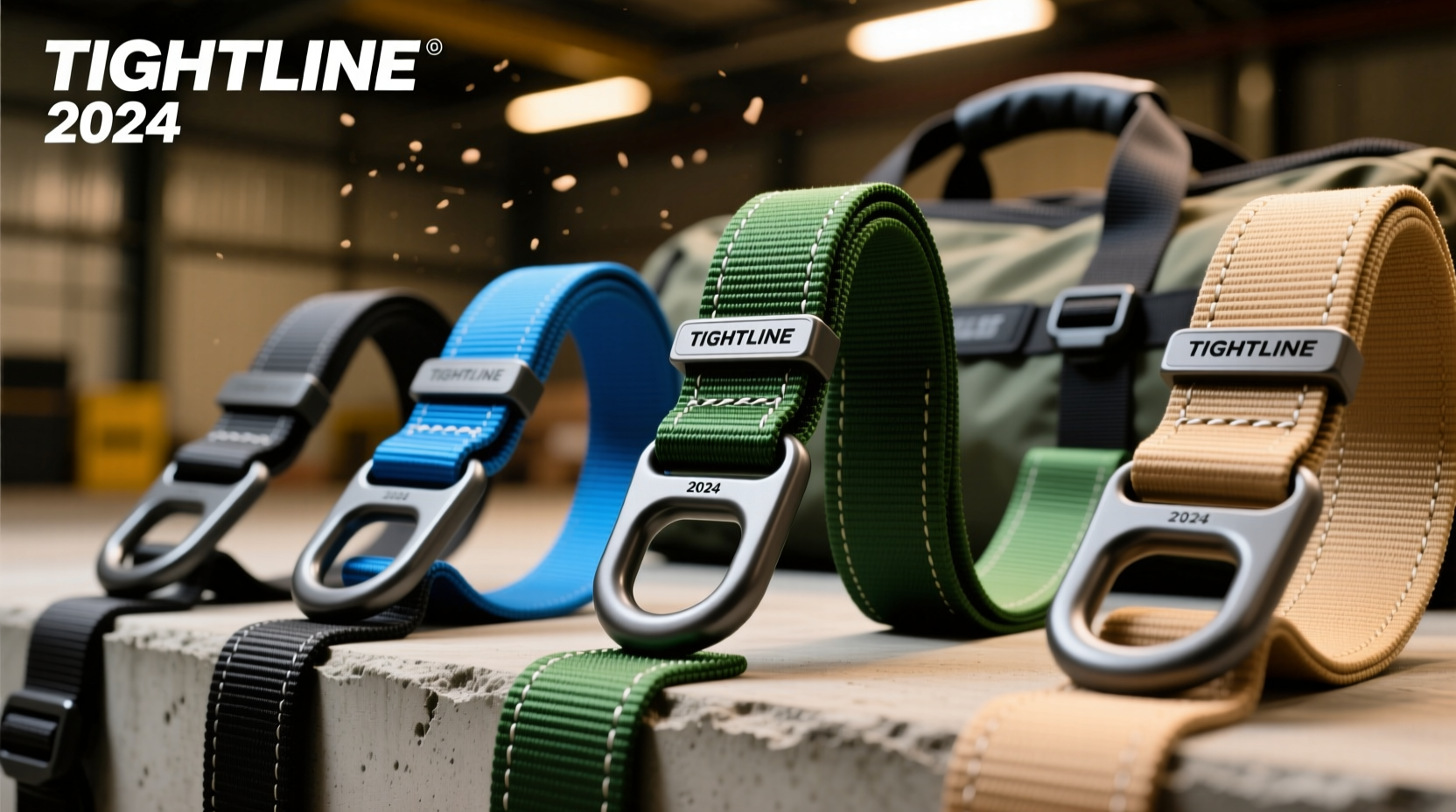
Mass-produced cargo straps often prioritize cost over quality, using thin webbing, weak ratchets, and plastic components that degrade under UV exposure. Niche brands, however, focus on specialized use cases—off-roading, marine transport, rooftop cargo systems—and engineer their products accordingly.
These straps typically feature:
- High-tensile polyester or nylon webbing (5,000+ lb break strength)
- Corrosion-resistant zinc or stainless steel hardware
- Double-stitched load-bearing points
- Weatherproof coatings to resist mold and UV damage
- Ergonomic ratchets with anti-slip grips
Niche manufacturers also invest in user feedback loops, refining designs based on field reports from truckers, climbers, and emergency responders. The result is a product line built not for shelf appeal, but for survival in extreme conditions.
Top 5 Niche Cargo Straps of 2024
The following models stand out due to innovation, longevity, and user trust. Each serves a specific function better than general-purpose alternatives.
- TripLok TerraGrip Pro (Off-Road & Overlanding)
Designed for adventurers hauling gear through mud, sand, and rock, the TerraGrip Pro uses triple-layered 2-inch polyester webbing with a silicone-infused coating that repels dirt and water. Its patented ratchet system locks at 30-degree increments, preventing slippage even when vibrating over rough terrain. - MarineMaster SaltShield Strap (Marine Transport)
Saltwater eats standard straps alive. MarineMaster counters this with polypropylene webbing that resists chloride corrosion and UV degradation. Stainless steel S-hooks prevent galvanic corrosion when used near aluminum boat trailers. Ideal for securing dinghies, jet skis, or fishing kayaks. - SumoStrap HD-LX (Construction & Industrial)
With a 10,000-lb tensile strength and reinforced corner guards, this strap handles pallets, HVAC units, and roofing bundles. The oversized ratchet lever reduces hand strain during tightening, and its quick-release cam allows one-handed operation—even with gloves. - AeroLatch SkyTie (Rooftop Cargo & Bike Transport)
Aerodynamic drag and wind lift challenge rooftop loads. AeroLatch’s low-profile ratchet sits flush against crossbars, reducing noise and vibration. Integrated rubber pads protect bike frames and car roofs from scratches. Available in 9-, 12-, and 15-foot lengths. - FrostLine ArcticGrip (Winter & Snow Sports)
Cold makes most straps brittle. FrostLine uses cryo-engineered polyamide webbing that remains flexible down to -40°F. Reflective stitching improves visibility in snowstorms, and the ratchet mechanism includes a glove-friendly trigger release.
Comparison Table: Key Features at a Glance
| Model | Max Load (lbs) | Material | Special Feature | Best For |
|---|---|---|---|---|
| TripLok TerraGrip Pro | 6,000 | Silicone-coated polyester | 30° incremental ratchet lock | Overlanding, off-road |
| MarineMaster SaltShield | 4,500 | Polypropylene + SS hooks | Saltwater resistance | Boats, marine gear |
| SumoStrap HD-LX | 10,000 | Reinforced polyester | Glove-compatible ratchet | Construction, heavy loads |
| AeroLatch SkyTie | 800 | UV-stabilized nylon | Low-noise aerodynamic design | Bikes, rooftop boxes |
| FrostLine ArcticGrip | 3,000 | Cryo-polyamide | Flexible in extreme cold | Snowmobiles, winter gear |
Expert Insight: Engineering Safety Into Every Fiber
“Most cargo failures start with mismatched hardware or poor tension distribution. The best straps don’t just hold—they balance.” — Dr. Lena Torres, Materials Engineer at Advanced Load Dynamics Lab
Dr. Torres emphasizes that secure load retention isn't just about raw strength. It's about how force is distributed across the webbing, where stress concentrates, and how environmental factors accelerate wear. She recommends straps with load indicators—such as color-changing tension zones—that signal when optimal tightness is reached.
Real-World Case Study: Preventing Disaster on I-70
In March 2024, a contractor transporting solar panels across Colorado faced sudden blizzard conditions. Using standard straps, two of his panels broke loose near Vail Pass, causing a multi-vehicle slowdown. After replacing them with FrostLine ArcticGrip straps on subsequent trips, he reported zero movement—even during gusts exceeding 60 mph.
“The old straps froze stiff and cracked,” he said. “The FrostLine ones stayed pliable and held firm. That’s not convenience—it’s liability prevention.”
This case underscores how niche-specific engineering directly impacts safety and operational continuity in high-risk environments.
How to Choose the Right Strap for Your Needs
Selecting a cargo strap isn’t about finding the strongest option—it’s about matching the tool to the task. Follow this step-by-step checklist:
- Assess the load type: Is it bulky, irregular, or fragile? Heavy machinery needs SumoStrap-level strength; bikes need padded protection.
- Evaluate environmental exposure: Will the strap face sun, salt, ice, or chemicals? Choose UV-resistant or corrosion-proof models accordingly.
- Determine length and fit: Measure your setup. Too short risks overstretching; too long creates flapping hazards.
- Check hardware compatibility: Ensure hooks or end fittings match your anchor points (e.g., trailer rails, roof racks).
- Verify certifications: Look for compliance with DOT, OSHA, or ASME standards, especially for commercial use.
Frequently Asked Questions
Can I repair a frayed cargo strap?
No. Once the webbing shows signs of fraying, melting, or abrasion, the structural integrity is compromised. Splicing or sewing does not restore original strength. Replace it immediately.
How often should I replace my cargo straps?
Every 1–2 years with regular use, or sooner if exposed to extreme elements. Inspect monthly for wear. Commercial fleets often rotate straps every 18 months as a safety protocol.
Are cam buckle straps safer than ratchets?
It depends. Cam buckles are faster and lighter but generate less tension. Ratchets provide higher clamping force and are better for heavy or dynamic loads. Use cam straps for light tarps; ratchets for secured freight.
Final Recommendations and Action Plan
The 2024 crop of niche cargo straps proves that specialization leads to superior performance. Whether you're an overlander, contractor, or weekend adventurer, investing in a purpose-built strap pays off in safety, efficiency, and peace of mind.
Start by auditing your current straps. Discard any older than three years or showing visible wear. Then, identify your primary use case and select a model engineered for that environment. Finally, establish a maintenance routine: clean after exposure to salt or mud, store in a dry place away from direct sunlight, and log usage cycles.




 浙公网安备
33010002000092号
浙公网安备
33010002000092号 浙B2-20120091-4
Comments
No comments yet. Why don't you start the discussion?