
Tequila lime seasoning is often relegated to the rim of a margarita glass or a quick sprinkle on grilled shrimp. But this vibrant blend—bright, citrusy, and subtly earthy—holds far more culinary potential than most home cooks realize. When paired thoughtfully, it transcends its Mexican street food roots and becomes a dynamic catalyst for flavor in dishes across global cuisines. The real magic lies not just in its use as a finishing spice, but in how it interacts with ingredients you might never expect: dark chocolate, roasted beets, coconut milk, and even blue cheese. These surprising combinations unlock layers of taste that balance acidity, heat, salt, and umami in ways that feel both bold and harmonious.
Understanding how to harness tequila lime seasoning beyond tacos requires knowing what it actually is—not just alcohol-infused salt, but a carefully balanced fusion of citrus oils, sea salt, ground chiles, and sometimes agave powder or dehydrated tequila. Its power comes from contrast: the zing of lime peel cuts through fat, while mild chili heat lingers beneath. Used intentionally, it can brighten rich dishes, intensify sweetness in fruit-based recipes, and add complexity to vegetarian and plant-forward meals. This article explores seven unconventional yet highly effective flavor pairings that showcase the versatility of tequila lime seasoning, offering practical guidance for integrating them into everyday cooking.
Definition & Overview
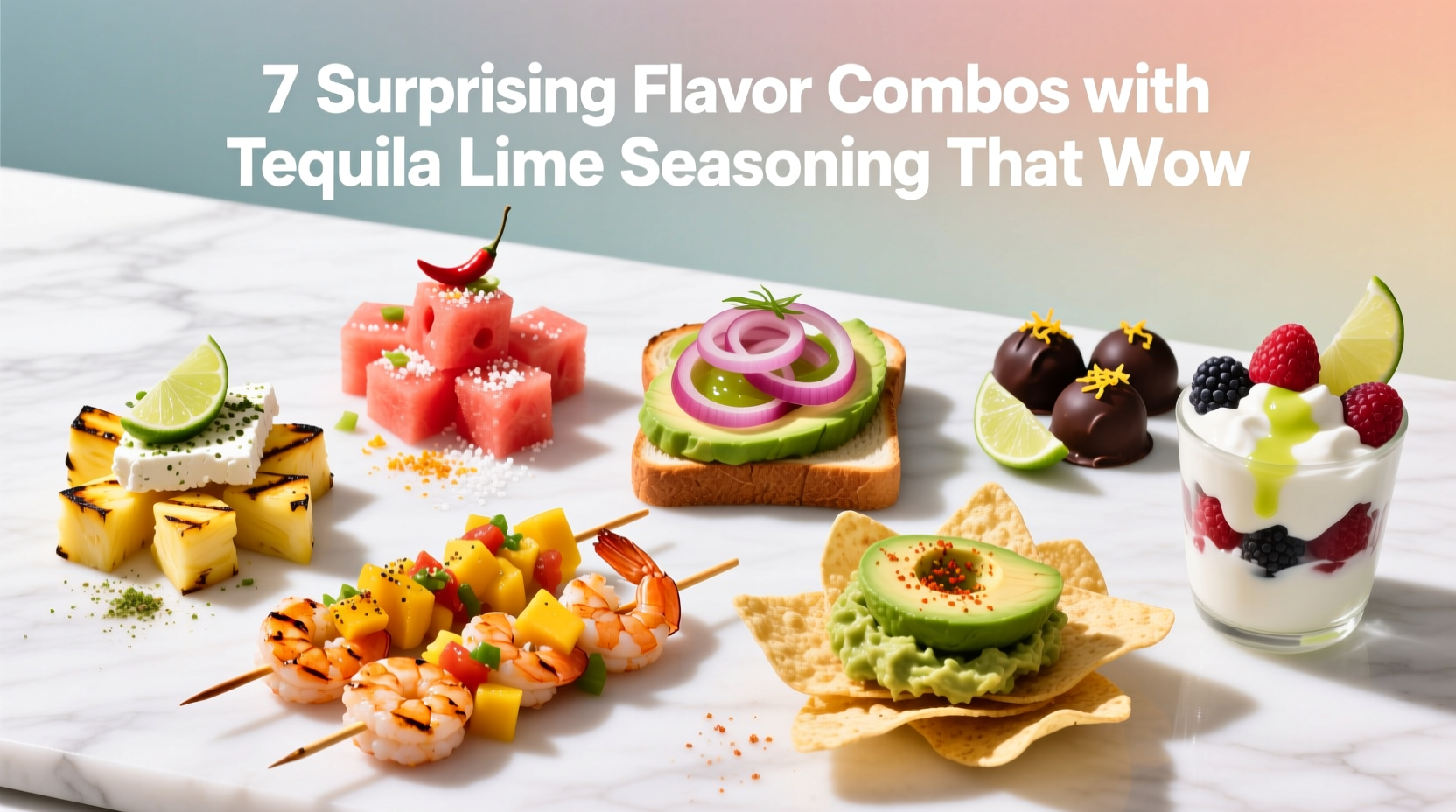
Tequila lime seasoning is a dry spice blend typically composed of finely ground dried lime zest, sea salt, citric acid, chili powder (often ancho or cayenne), garlic powder, onion powder, and occasionally a trace of agave nectar or dehydrated tequila distillate. Despite its name, most commercial versions contain no actual alcohol; instead, they mimic the aromatic profile associated with premium blanco tequila—clean, vegetal, slightly sweet—with the tartness of fresh Key limes.
The seasoning originated as a bar staple for cocktail rims, particularly margaritas, where its salty-tart punch complements cold, sweet-tart drinks. Over time, chefs and spice blenders began applying it more broadly in savory cooking, especially within Tex-Mex and modern Latin American fusion cuisine. Today, it's recognized not just as a garnish enhancer but as a standalone flavor builder capable of transforming proteins, vegetables, grains, and even desserts.
Categorically, tequila lime seasoning falls under \"citrus-salt blends,\" similar to Tajín, lemon pepper, or yuzu kosho. However, unlike those, it uniquely bridges the gap between beverage culture and kitchen pantry staples. Its flavor profile leans bright and clean rather than smoky or fermented, making it ideal for dishes requiring lift without heaviness.
Key Characteristics
| Characteristic | Description |
|---|---|
| Flavor Profile | Bright citrus (lime), saline depth, mild chili warmth, subtle vegetal sweetness reminiscent of agave |
| Aroma | Freshly zested lime, sun-dried chile, faint herbal notes |
| Color & Form | Light green to pale yellow fine powder; may include specks of red from chili |
| Heat Level | Mild (1–2 on a scale of 10); primarily for flavor, not burn |
| Culinary Function | Finishing spice, marinade enhancer, rub base, cocktail rimming agent, flavor amplifier |
| Shelf Life | 18–24 months when stored in a cool, dark place; potency fades over time |
Practical Usage
While many reach for tequila lime seasoning only during taco night, its true utility spans multiple stages of cooking. It works exceptionally well as a finishing touch due to its volatile citrus oils, which diminish under high heat. For maximum impact, apply after cooking or in the final minutes of roasting, grilling, or sautéing.
In professional kitchens, chefs often incorporate it into compound butters, vinaigrettes, or dry brines. A light dusting over grilled fish before plating enhances natural sweetness, while blending it into aioli creates a zesty dipping sauce for fries or roasted vegetables. One underused technique involves mixing the seasoning into breadcrumbs for a citrus-chili crust on baked chicken tenders or fish fillets.
For home cooks, start with measured applications: begin with ¼ teaspoon per serving and adjust to taste. Because it contains salt, reduce added sodium elsewhere in the dish. Consider these general guidelines:
- Seafood: Sprinkle lightly over grilled scallops, seared tuna, or ceviche just before serving.
- Poultry: Mix into yogurt-based marinades for chicken thighs or drumsticks.
- Veggies: Toss roasted sweet potatoes, corn, or zucchini with olive oil and a pinch of seasoning post-roast.
- Snacks: Coat air-popped popcorn or roasted chickpeas for a tangy crunch.
- Desserts: Dust sparingly over mango sorbet, chocolate mousse, or key lime pie for contrast.
Pro Tip: To preserve aroma, store tequila lime seasoning away from heat and light. Avoid shaking directly over steaming pots—moisture causes clumping and dulls flavor.
Variants & Types
Not all tequila lime seasonings are created equal. Variations exist based on region, brand philosophy, and intended use. Understanding these differences ensures proper application in recipes.
- Classic Commercial Blend – Found in supermarkets (e.g., Lawry’s, Spice Islands). Balanced ratio of salt to lime, mild heat. Best for beginners and general-purpose use.
- Low-Sodium Version – Replaces sea salt with potassium chloride or reduces salt content significantly. Ideal for health-conscious users but may lack mouthfeel intensity.
- Smoked Tequila Lime – Incorporates smoked paprika or chipotle powder. Adds depth to grilled meats and stews. Use cautiously—it dominates delicate flavors.
- Sweetened Citrus-Tequila Blend – Includes sugar or dehydrated pineapple/mango. Designed for fruit salads and dessert rims. Not suitable for savory mains.
- Artisan/Small-Batch – Often made with real dehydrated tequila, organic lime, and heirloom chiles. More complex aroma, less salty. Higher price point but superior performance in refined dishes.
When selecting a variant, consider the dish’s dominant elements. Smoked versions excel with barbecue; sweetened blends work in tropical fruit applications; classic blends remain safest for daily cooking.
Comparison with Similar Ingredients
Tequila lime seasoning is frequently confused with other citrus-salt blends. While overlapping in function, key distinctions affect outcomes.
| Ingredient | Primary Components | Heat Level | Best Used For | Key Difference |
|---|---|---|---|---|
| Tajín | Lime, salt, chili (de arbol) | Medium (4–5) | Fruit, snacks, street corn | Sharper heat, more acidic, less nuanced |
| Tequila Lime Seasoning | Lime, salt, mild chili, agave notes | Mild (1–2) | Seafood, cocktails, finishing | More balanced, subtle sweetness, broader pairing range |
| Lemon Pepper | Lemon zest, cracked pepper, salt | None (unless extra pepper) | Poultry, fish, pasta | No chili; heavier on black pepper; different citrus profile |
| Yuzu Kosho | Yuzu peel, chili, salt (fermented paste) | High (6–8) | Japanese dishes, broths, sauces | Fermented, pungent, wet form, Asian citrus note |
The critical takeaway: tequila lime seasoning offers a smoother, more integrated flavor arc than spicier alternatives like Tajín. It lacks the fermentation funk of yuzu kosho and avoids the aggressive pepperiness of lemon pepper, making it uniquely adaptable across sweet and savory domains.
7 Surprising Flavor Combos with Tequila Lime Seasoning That Wow
1. Dark Chocolate & Sea Salt Truffles
Adding a whisper of tequila lime seasoning to dark chocolate truffles creates a sophisticated counterpoint to bitterness. The lime lifts the cocoa’s density, while the hint of chili adds intrigue without overwhelming. Use just ⅛ teaspoon per cup of melted chocolate ganache. Roll finished truffles in additional seasoning for a crisp, aromatic shell. This pairing mirrors the tradition of Mexican mole, where chocolate and chili coexist in harmony.
2. Roasted Beets with Goat Cheese & Honey
Earth-rich roasted beets gain brightness when dusted with tequila lime seasoning before plating. Combined with creamy goat cheese and a drizzle of wildflower honey, the result is a salad component worthy of fine dining. The acidity cuts through the fat of the cheese, while the beet’s natural sugars temper any sharpness. Serve over arugula with toasted walnuts for a complete starter.
3. Coconut Milk-Based Curries
Stirring ½ teaspoon into Thai or Caribbean-style coconut curries deepens the flavor layer without introducing overt heat. It enhances the tropical fruit notes already present (mango, pineapple) and balances the richness of the milk. Particularly effective in vegan jackfruit or sweet potato curry, where it prevents the dish from tasting flat.
4. Grilled Pineapple with Queso Fresco
A classic combination gets elevated when grilled pineapple slices receive a post-heat sprinkle of tequila lime seasoning. The charred sugars caramelize further, interacting with the lime’s acidity to create a burst of freshness. Top with crumbled queso fresco and mint for a side dish that bridges dessert and appetizer.
5. Avocado Toast with Poached Egg
Move beyond red pepper flakes. Finish avocado toast with a light coating of tequila lime seasoning before adding a poached egg. The spice mix amplifies the avocado’s creaminess and pairs brilliantly with the runny yolk. Add microgreens and a dash of hot honey for a brunch upgrade that feels intentional and restaurant-quality.
6. Blue Cheese & Pear Flatbread
On a warm flatbread topped with gorgonzola, sliced Bosc pear, caramelized onions, and thyme, a final dusting of tequila lime seasoning ties together sweet, funky, and herbal notes. The citrus prevents the blue cheese from dominating, while the mild chili warms the palate between bites. Bake the flatbread first, then apply seasoning after removal from oven.
7. Vanilla Ice Cream with Stewed Rhubarb
Yes, dessert. A tiny amount—literally a pinch—sprinkled over vanilla ice cream alongside tart stewed rhubarb introduces a subtle savory lift that makes the sweetness more dynamic. Think of it as the culinary equivalent of salt on caramel: it doesn’t taste “spicy,” but it makes everything else taste better.
Expert Insight: “The best flavor combinations aren't about matching like with like—they're about contrast with cohesion. Tequila lime seasoning works because it brings three dimensions—acid, salt, heat—that cut through richness and amplify brightness. That’s why it sings with chocolate, cheese, and fruit.” — Chef Elena Ruiz, Culinary Director, Agave & Ash
Practical Tips & FAQs
Can I make my own tequila lime seasoning?
Yes. Combine 2 parts finely grated dried lime zest, 1 part fine sea salt, ½ part ancho chili powder, ¼ part garlic powder, and a pinch of citric acid. For authenticity, mist the blend with a single spritz of atomized blanco tequila and dry overnight in a dehydrator at low heat. Store in an airtight jar.
Is there real tequila in it?
Rarely. Most commercial blends use artificial flavoring or dehydrated distillate remnants. True artisan versions may include evaporated tequila, but alcohol content is negligible.
How much should I use?
Start with ¼ teaspoon per serving. Taste, then reapply if needed. Remember: it’s a finishing accent, not a base ingredient.
Can it replace Tajín?
Only in low-heat applications. Tajín is spicier and more acidic. Substituting one for the other alters the dish’s character significantly.
What if I’m sensitive to salt?
Seek out low-sodium versions or dilute regular seasoning with unsalted lime zest powder. Alternatively, use half the amount and supplement with fresh lime juice.
Does it go bad?
It doesn’t spoil, but loses potency. After 18 months, check aroma—if faint, refresh your supply. Clumping indicates moisture exposure; break up gently or sift.
Best dishes to try it on first?
- Grilled shrimp skewers
- Watermelon-feta salad
- Coconut rice
- Key lime pie (rim + filling)
- Roasted carrot soup
Summary & Key Takeaways
Tequila lime seasoning is far more than a margarita accessory. Its triad of citrus, salt, and gentle heat makes it a powerful tool for balancing and enhancing diverse ingredients. From dark chocolate to blue cheese, coconut curry to rhubarb compote, its ability to bridge sweet, savory, and umami realms sets it apart from other spice blends.
The seven combinations explored here demonstrate that culinary innovation often lies in unexpected juxtapositions. By stepping outside traditional uses—tacos, fajitas, guacamole—you unlock new dimensions in familiar ingredients. Whether you’re a weeknight cook or an adventurous home chef, incorporating tequila lime seasoning into nontraditional dishes adds surprise and sophistication with minimal effort.
Remember: use it late in the cooking process, respect its salt content, and store it properly. With these principles, this modest spice blend becomes a secret weapon in your pantry—one that delivers maximum impact with minimal input.
Ready to experiment? Try one of the seven combos this week—start with grilled pineapple or avocado toast. Notice how the seasoning changes the perception of flavor. Then share your results with others who think spices belong only in expected places.




 浙公网安备
33010002000092号
浙公网安备
33010002000092号 浙B2-20120091-4
Comments
No comments yet. Why don't you start the discussion?