
Shoes are more than just fashion—they’re essential for health, dignity, and opportunity. For millions of people worldwide, a pair of well-fitting, durable shoes can mean the difference between attending school, securing employment, or walking safely on rough terrain. Yet, countless individuals go barefoot or wear damaged footwear due to poverty, displacement, or lack of access. Giving shoes may seem like a small act, but when done thoughtfully, it creates lasting change. This guide outlines practical, ethical, and impactful ways to donate shoes and ensure your contribution truly matters.
Why Shoe Donations Matter
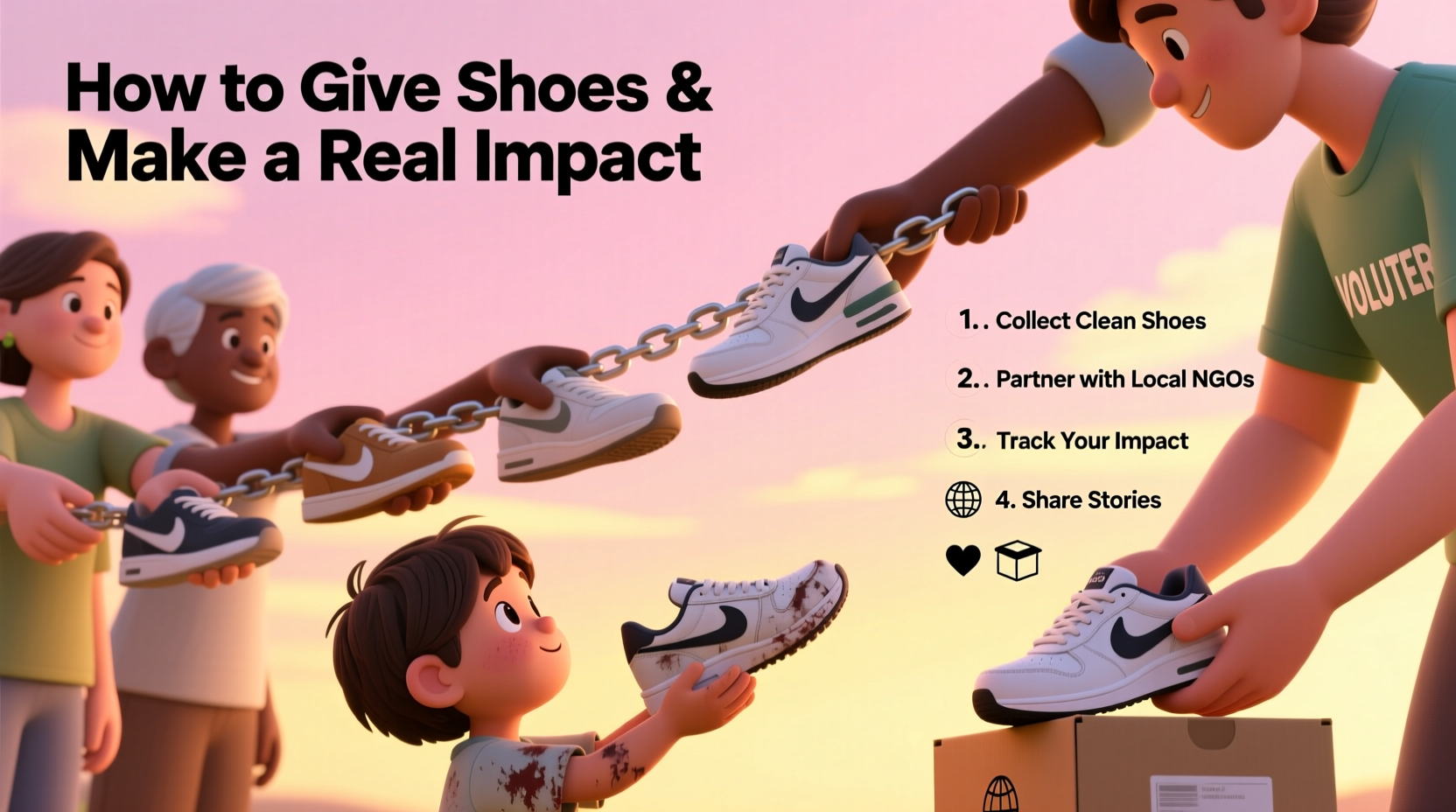
Over 300 million children worldwide go barefoot, exposing them to parasites like hookworm and injuries from sharp objects. In developing regions, diseases spread through soil contact affect productivity and education. A single pair of shoes can protect a child’s feet, reduce infection risks, and encourage school attendance. In urban homeless populations, foot health is a leading medical concern—over 75% of unhoused individuals report chronic foot pain due to prolonged exposure and inadequate footwear.
However, not all donations are effective. Poorly planned giving can overwhelm local markets, damage economies, or result in unusable items piling up in landfills. The key to meaningful impact lies in intentionality: knowing where, how, and why you're giving.
“Footwear is foundational. It’s not just about protection—it’s about restoring mobility, confidence, and access.” — Dr. Lena Patel, Global Health Advocate
Step-by-Step Guide to Effective Shoe Donation
Giving shoes effectively requires more than tossing old sneakers into a bin. Follow this structured approach to ensure your donation makes a real difference.
- Assess the Condition: Only donate shoes that are clean, dry, and structurally sound. Worn-out soles, broken laces, or moldy interiors render shoes unusable.
- Clean and Prepare: Wash shoes thoroughly. Air-dry completely to prevent mildew. Include matching pairs and replace missing laces.
- Identify Recipient Needs: Different groups need different types of shoes. Children require durable school shoes; laborers need work boots; women may benefit from modest, supportive flats.
- Choose the Right Channel: Select organizations with transparent distribution models, local partnerships, and logistical capacity.
- Donate Thoughtfully: Avoid dumping excess quantities. Coordinate with timing—back-to-school drives or winter outreach campaigns maximize relevance.
- Track Impact When Possible: Support charities that provide feedback, photos, or reports showing how donations were used.
Best Organizations and Programs Accepting Shoe Donations
Not all charities are equally equipped to handle shoe donations. The most effective ones combine logistics, cultural sensitivity, and long-term community engagement. Consider these reputable programs:
- Sole Hope – Focuses on preventing jigger infestations in Uganda by providing protective footwear and treatment.
- Soles4Souls – A global nonprofit distributing new and gently used shoes to disaster zones and impoverished communities.
- Kids Foot Locker Foundation – Partners with schools and shelters to provide athletic and school-appropriate shoes for children in the U.S.
- Dignity U Wear – Supplies shoes and clothing to low-income families, emphasizing dignity and choice.
- Local Homeless Shelters & Transitional Housing Centers – Often accept direct donations, especially during seasonal outreach.
Do’s and Don’ts of Shoe Donation
| Do’s | Don’ts |
|---|---|
| Donate clean, paired shoes in good condition | Send torn, smelly, or unsafe footwear |
| Include socks or shoe care items (e.g., polish, insoles) | Overwhelm drop-off points with 50+ pairs unannounced |
| Call ahead to confirm needs and drop-off hours | Assume all thrift stores distribute internationally |
| Support buy-one-give-one brands with proven transparency | Rely solely on fast-fashion “charity” tie-ins without research |
Real Impact: A Mini Case Study
In 2022, a high school in Detroit organized a “Walk With Purpose” campaign after learning that 40% of their students lacked appropriate winter footwear. Students collected over 600 pairs of boots and sneakers, cleaned and sorted them by size and gender. They partnered with a local shelter and hosted a private fitting event where each recipient chose two pairs—one for school, one for weekend use.
The results went beyond warmth and comfort. Teachers reported improved attendance during snowy months. One 15-year-old shared, “I used to skip gym class because my shoes would fall apart. Now I feel normal.” The school continues the drive annually and has inspired three neighboring districts to launch similar initiatives.
Alternative Ways to Make an Impact Beyond Physical Donations
If you don’t have shoes to give, you can still contribute meaningfully:
- Host a Fundraising Drive: Instead of collecting shoes, raise money to buy new pairs. New shoes often carry greater psychological value and avoid hygiene concerns.
- Volunteer with Distribution Efforts: Help sort, pack, or deliver shoes. Many organizations need hands-on support more than items.
- Advocate for Policy Change: Support legislation that funds school shoe programs or includes footwear in disaster relief kits.
- Partner with Businesses: Encourage local shoe stores to sponsor donation bins or match customer contributions.
- Educate Your Community: Host workshops on foot health or organize school presentations about global poverty and dignity.
Checklist: Preparing Your Shoe Donation
- ☐ Inspect each pair for holes, loose soles, or excessive wear
- ☐ Clean and deodorize shoes (use baking soda or specialized cleaners)
- ☐ Ensure both shoes are present and matched correctly
- ☐ Label sizes clearly (especially if donating multiple pairs)
- ☐ Call the organization to confirm current needs and drop-off procedures
- ☐ Bundle shoes in pairs using reusable bags or boxes
- ☐ Consider adding new socks or insoles for extra value
Frequently Asked Questions
Can I donate worn shoes?
Yes, if they are clean, functional, and in decent condition. Heavily worn shoes with thin soles or structural damage should be recycled or discarded. Most reputable organizations will reject unsuitable items, which can create waste.
Are there tax benefits for donating shoes?
In many countries, including the U.S., charitable donations of clothing and footwear are tax-deductible. Keep a receipt from the receiving organization and estimate the fair market value of the items. Consult a tax professional for specific guidance.
What types of shoes are needed most?
Children's athletic shoes, men's work boots, women's closed-toe flats, and waterproof winter boots are consistently in high demand. Seasonal needs vary—sandals in summer, insulated boots in winter.
Conclusion: Turn Compassion Into Lasting Change
Giving shoes is not just about filling a physical need—it’s about affirming someone’s worth. Every pair handed over with respect contributes to a larger movement of dignity, health, and equity. Whether you donate one pair or mobilize a community, your actions ripple outward. Start small, think strategically, and prioritize quality over quantity. The person who receives your donation might walk farther, stand taller, or simply feel seen. That’s the real impact.




 浙公网安备
33010002000092号
浙公网安备
33010002000092号 浙B2-20120091-4
Comments
No comments yet. Why don't you start the discussion?