
Diatomaceous earth (DE) coasters have gained popularity for their natural composition, aesthetic appeal, and eco-friendly credentials. Made from the fossilized remains of marine phytoplankton, these porous, lightweight coasters are praised for their ability to absorb condensation and resist slipping. However, a common concern arises when users consider pairing them with hot beverages like coffee, tea, or cocoa. Can DE coasters handle heat without degrading or posing safety risks? This guide explores the science, practical usage, and best practices for safely incorporating diatomaceous earth coasters into your daily routine—even with steaming mugs in hand.
Understanding Diatomaceous Earth Coasters
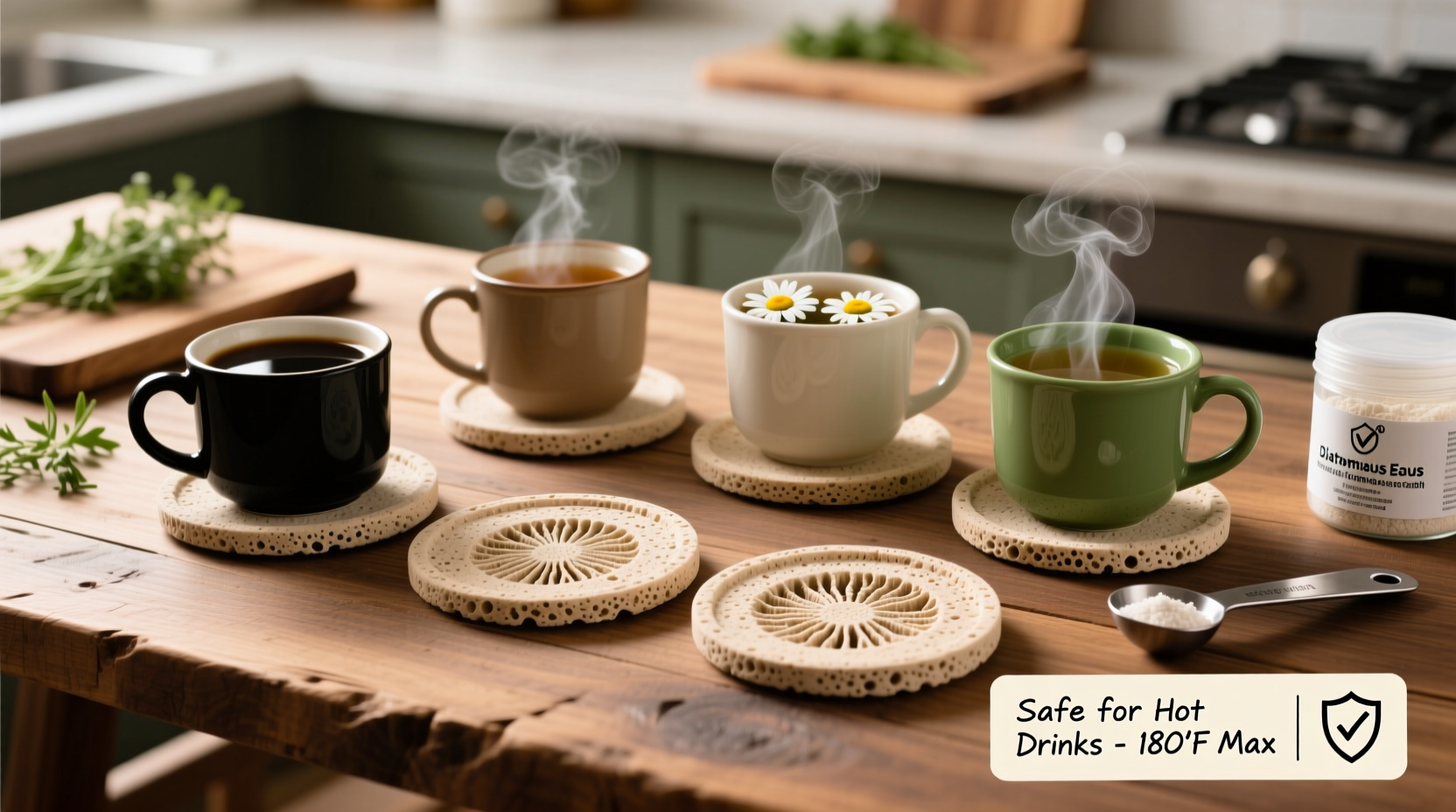
Diatomaceous earth is composed primarily of silica, formed over millions of years from the skeletal remains of diatoms—microscopic algae found in aquatic environments. When processed into coasters, food-grade DE is compressed under high pressure, often without binders or synthetic additives, resulting in a rigid yet naturally porous material. These coasters excel at moisture absorption, making them ideal for preventing water rings on furniture.
Unlike ceramic or cork, DE coasters offer a unique texture and appearance, often featuring subtle variations in color and grain. Their natural origin appeals to environmentally conscious consumers seeking sustainable alternatives to plastic or mass-produced decor. However, their organic structure raises questions about thermal stability, especially when exposed to temperatures exceeding 150°F (65°C)—common for freshly brewed coffee or tea.
“Diatomaceous earth is thermally stable up to approximately 300°F (149°C), but prolonged exposure to high heat can compromise structural integrity over time.” — Dr. Lena Torres, Materials Scientist, Green Home Institute
Heat Resistance: What You Need to Know
The key to safe use lies in understanding the difference between flash heat and sustained heat. Flash heat refers to brief contact—such as placing a hot mug on a coaster for 10–15 minutes. Sustained heat involves leaving a heated object on the surface for extended periods, such as during a long work session or while the drink is reheated in a microwave.
Most commercially available DE coasters are rated to withstand temperatures up to 250–300°F (121–149°C), well above the typical serving temperature of hot beverages (160–185°F). However, this doesn’t mean they’re immune to cumulative damage. Repeated exposure to high heat can lead to:
- Surface cracking or flaking
- Loss of absorbency due to pore closure
- Discoloration, especially if liquid spills occur during heating
- Increased brittleness over time
Step-by-Step Guide to Safe Usage
To maximize both safety and longevity, follow this practical sequence when using diatomaceous earth coasters with hot drinks:
- Select certified food-grade coasters: Ensure the product is labeled as food-safe and free from chemical additives or sealants that may off-gas when heated.
- Inspect before each use: Check for cracks, chips, or signs of wear. Damaged coasters are more prone to breaking under thermal stress.
- Pre-warm the coaster (optional): For frequent users, briefly warming the coaster near—but not on—a heat source helps reduce sudden temperature differentials.
- Use with a secondary barrier (recommended for very hot drinks): Place a thin cork pad or silicone trivet underneath the DE coaster when serving espresso or microwaved beverages.
- Lift, don’t slide: Avoid dragging mugs across the surface, which can cause microfractures due to abrasion and heat.
- Allow cooldown before cleaning: Never expose a hot coaster to cold water immediately after use, as rapid cooling can induce cracking.
Do’s and Don’ts: A Quick Reference Table
| Do | Don’t |
|---|---|
| Use with coffee, tea, or hot chocolate served at standard temperatures | Place directly under boiling kettles or stovetop mugs |
| Clean with mild soap and lukewarm water | Soak in water for extended periods |
| Store in a dry, ventilated area | Leave in humid bathrooms or near dishwashers |
| Use coasters with felt backing to protect surfaces | Apply varnishes or waterproof sprays unless manufacturer-approved |
Maintenance and Longevity Tips
Proper care extends the life of your DE coasters significantly. While they are durable, they are not indestructible. Moisture retention and thermal cycling are the two biggest threats to long-term performance.
Clean coasters gently once a week with a soft cloth and a drop of non-abrasive dish soap. Rinse thoroughly and air-dry upright to prevent warping. Avoid dishwashers, as high-pressure jets and detergents can erode the surface over time. If mold or mildew develops—rare but possible in damp environments—scrub lightly with a vinegar-water solution (1:3 ratio) and dry completely before reuse.
Real Example: Sarah’s Morning Routine
Sarah, a remote worker and avid tea drinker, uses a set of four DE coasters at her home office desk. She brews herbal tea every morning at around 180°F and places her mug directly on the coaster. After six months of daily use, she noticed slight darkening on one coaster where tea occasionally spilled. However, by rotating her coasters weekly and wiping them down every Friday, all remain structurally sound. She attributes their durability to avoiding microwave reheating on the coaster and always allowing the mug to sit for a minute post-brewing. Her experience demonstrates that mindful habits make a measurable difference.
Frequently Asked Questions
Can I put a DE coaster in the microwave or oven?
No. Diatomaceous earth coasters should never be placed in direct heat sources like microwaves or ovens. While the material itself is heat-resistant, sudden and intense temperature changes can cause fracturing or disintegration.
Are DE coasters safe if they start to flake?
If minor flaking occurs, wipe the surface clean and inspect for deeper cracks. Small flakes of food-grade DE are non-toxic if accidentally ingested in trace amounts, but continued use of a crumbling coaster is not recommended due to potential mess and reduced functionality.
Do DE coasters need sealing?
Most do not require sealing, as their natural porosity is part of their function. However, some manufacturers apply a light food-safe sealant to enhance durability. Check product instructions—never apply unapproved sealers, as they may react poorly to heat.
Final Checklist for Safe Use
- ✅ Confirm the coaster is made from food-grade diatomaceous earth
- ✅ Verify maximum heat tolerance with manufacturer specifications
- ✅ Avoid direct contact with boiling liquids or open flames
- ✅ Clean regularly with gentle methods and allow full drying
- ✅ Replace coasters showing deep cracks or significant degradation
Conclusion
Diatomaceous earth coasters offer an elegant, sustainable solution for protecting surfaces from moisture and heat—but only when used wisely. With proper handling, they can safely support hot drinks in everyday settings without risk of failure or harm. By respecting their thermal limits, maintaining them diligently, and rotating usage, you preserve both their beauty and functionality. Whether you're enjoying a quiet morning coffee or hosting guests with steaming mugs, confidence in your coaster choice enhances both safety and peace of mind.




 浙公网安备
33010002000092号
浙公网安备
33010002000092号 浙B2-20120091-4
Comments
No comments yet. Why don't you start the discussion?