
As outdoor enthusiasts seek more sustainable and innovative ways to enhance their camping experiences, a new category of gear has quietly emerged: the mushroom blanket. Unlike traditional synthetic or down-filled bedding, mushroom blankets are crafted from mycelium-based materials—offering exceptional insulation, breathability, and biodegradability. These blankets are not only environmentally responsible but also provide unique comfort in rugged conditions. This guide explores everything you need to know about integrating mushroom blankets into your camping routine for warmth, sustainability, and unparalleled coziness.
What Is a Mushroom Blanket?
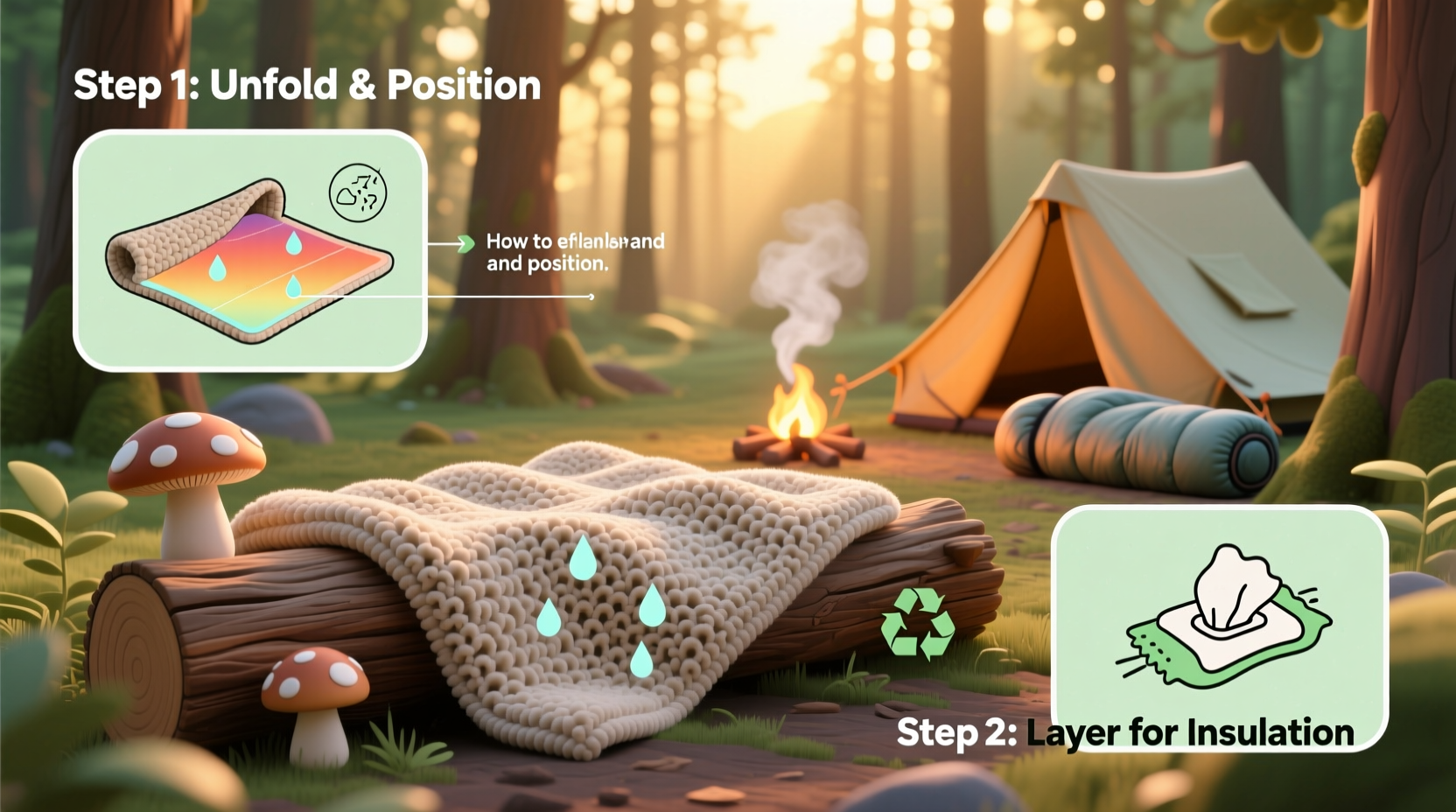
A mushroom blanket is not made from mushrooms themselves, but rather from mycelium—the root structure of fungi. Mycelium is grown in controlled environments on agricultural waste substrates like hemp, sawdust, or straw. Once mature, it’s harvested, processed, and layered into flexible, durable textiles that mimic the softness and insulating properties of wool or fleece. The resulting material is naturally fire-resistant, moisture-wicking, and antimicrobial, making it ideal for outdoor use.
Manufacturers often combine mycelium layers with organic cotton or recycled fibers to improve texture and durability. The final product is lightweight, compressible, and designed to regulate body temperature whether you're sleeping under the stars or lounging by a campfire.
“Mycelium-based textiles represent the next frontier in sustainable outdoor gear. They offer performance comparable to synthetics but without the environmental cost.” — Dr. Lena Torres, Biotech Materials Researcher at Green Futures Lab
Benefits of Using Mushroom Blankets While Camping
- Eco-Friendly Composition: Fully biodegradable and derived from renewable resources, reducing landfill impact.
- Natural Insulation: Mycelium traps air efficiently, providing warmth even when damp—ideal for unpredictable weather.
- Odor Resistance: Antimicrobial properties prevent bacterial growth, keeping the blanket fresher over extended trips.
- Lightweight & Packable: Weighs less than most wool or fleece alternatives, saving space in backpacks.
- Hypoallergenic: Safe for sensitive skin, unlike some synthetic fabrics that may cause irritation.
- Sustainable Production: Grown using low energy and water inputs compared to conventional textile manufacturing.
How to Choose the Right Mushroom Blanket for Your Needs
Not all mushroom blankets are created equal. When selecting one for camping, consider several key factors:
- Insulation Rating: Look for blankets with thermal ratings suitable for your typical camping climate (e.g., 3-season vs. winter-ready).
- Weight and Compressibility: For backpackers, prioritize models under 1.5 lbs that pack down to the size of a water bottle.
- Durability Layering: Some blends include reinforced edges or protective outer shells to resist abrasion from rocky terrain or tent floors.
- Size: Standard throw sizes (50” x 60”) work well for solo sleepers; larger options (70” x 80”) suit couples or multi-use setups.
- Certifications: Opt for products certified as compostable (e.g., TÜV OK Compost) or produced in zero-waste facilities.
| Feature | Mushroom Blanket | Down Comforter | Synthetic Fleece |
|---|---|---|---|
| Biodegradable | Yes | No (unless untreated) | No |
| Warmth-to-Weight Ratio | High | Very High | Moderate |
| Moisture Performance | Wicks well, retains heat when damp | Loses insulation when wet | Dries quickly, but holds odor |
| Pack Size | Small to medium | Very small | Large |
| Lifespan (with care) | 3–5 years | 5–10 years | 2–4 years |
Step-by-Step Guide to Using a Mushroom Blanket While Camping
Maximize comfort and longevity by following this practical sequence:
- Pack It Properly: Fold loosely or roll gently before placing in a breathable cotton sack. Avoid vacuum sealing, which can damage mycelium fibers.
- Use as a Sleeping Bag Liner: Insert inside your sleeping bag to boost warmth by up to 15°F while adding softness against the skin.
- Create a Ground Barrier: Lay it beneath your sleeping pad if extra insulation from cold ground is needed (especially on snow or damp soil).
- Evening Lounging: Drape over shoulders around the campfire—its natural flame resistance adds safety near open flames.
- Midnight Snuggles: Keep within arm’s reach inside the tent for quick access during chilly nights.
- Post-Trip Care: Shake off debris, air out for 24 hours, then store in a dry, ventilated space away from direct sunlight.
Real Example: A Weekend in the Smokies
When Sarah Thompson embarked on a fall backpacking trip through Great Smoky Mountains National Park, she replaced her usual fleece liner with a mycelium-blend mushroom blanket. Nighttime temperatures dropped into the 30s°F, and morning dew soaked her tent exterior. Despite the humidity, her blanket remained warm and dry to the touch. “I was skeptical at first,” she said, “but I woke up warmer than with my old synthetic blanket—and it didn’t smell after three days.” She later composted the blanket at a local facility after minor wear made it unsuitable for future trips, appreciating its full lifecycle sustainability.
Care and Maintenance Tips
To extend the life of your mushroom blanket, follow these best practices:
- Air it out after every use to prevent moisture buildup.
- Spot clean with a damp cloth and mild soap; avoid submerging unless specified by the manufacturer.
- Never tumble dry or expose to high heat—this can degrade the mycelium matrix.
- Store flat or loosely rolled in a linen closet or canvas bin, not plastic.
- Keep away from pets who might chew on the organic material.
Frequently Asked Questions
Can mushroom blankets get wet?
Yes, they handle moisture better than down and won’t lose insulating properties when damp. However, prolonged soaking should be avoided. Always allow thorough air drying before storage.
Are mushroom blankets suitable for winter camping?
For three-season use, yes—especially as a layering component. In extreme cold, pair them with a rated sleeping bag or insulated shelter for optimal warmth.
What happens at the end of the blanket’s life?
Unlike synthetic blankets that persist in landfills, mushroom blankets can be home-composted or sent to industrial composting facilities where they break down safely within months.
Final Checklist Before You Buy
- ✅ Confirm the blanket uses >70% mycelium or bio-based content
- ✅ Check weight and packed dimensions for portability
- ✅ Review warranty and repair options
- ✅ Ensure care instructions align with your camping habits
- ✅ Verify compostability certifications
- ✅ Read user reviews focused on real-world durability
Conclusion: Embrace the Future of Sustainable Comfort
Mushroom blankets are more than a novelty—they’re a thoughtful evolution in outdoor gear. By combining ecological responsibility with genuine performance, they meet the needs of modern campers who value both comfort and conscience. Whether you're a weekend warrior or a thru-hiker, integrating a mushroom blanket into your setup offers tangible benefits: lighter loads, better sleep, and a smaller footprint on the trails we love. As biotech continues to advance, these innovative textiles will likely become staples in every eco-conscious camper’s kit.




 浙公网安备
33010002000092号
浙公网安备
33010002000092号 浙B2-20120091-4
Comments
No comments yet. Why don't you start the discussion?