
Garlic ranch sauce has become a staple condiment in American kitchens and restaurants alike—beloved for its creamy texture, tangy depth, and the bold punch of garlic that elevates everything from vegetables to grilled meats. More than just a dip for wings or fries, this versatile sauce bridges casual comfort food with gourmet presentation when used thoughtfully. Whether you're crafting a homemade batch or selecting the best store-bought version, understanding the nuances of garlic ranch—from its flavor chemistry to culinary applications—can transform your meals. This comprehensive guide explores the essence of garlic ranch sauce, its components, forms, and how to wield it with precision in both everyday and elevated cooking.
Definition & Overview
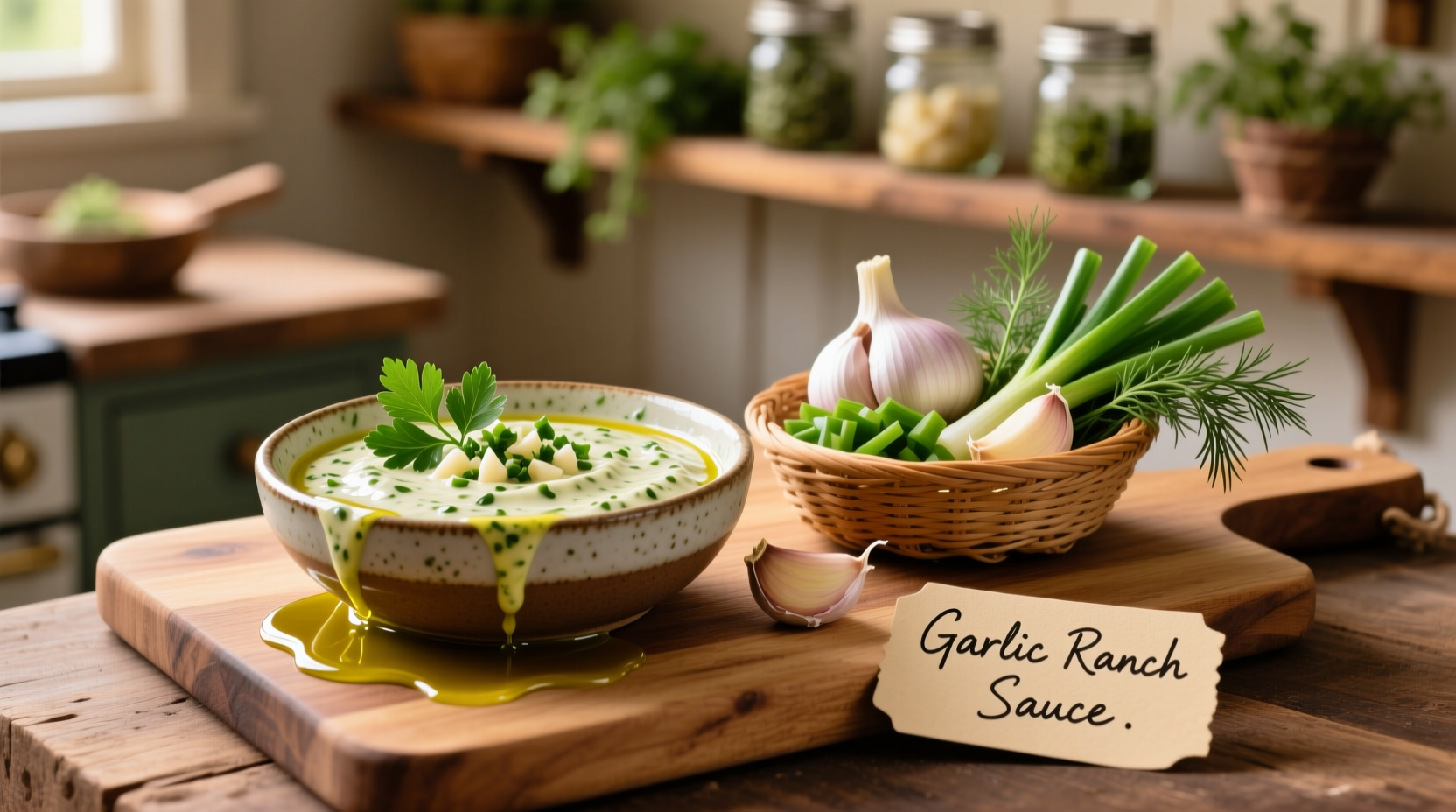
Garlic ranch sauce is a creamy emulsion-based condiment rooted in traditional ranch dressing but intensified with pronounced garlic flavor. At its core, it combines buttermilk (or a cultured dairy base), mayonnaise, sour cream or Greek yogurt, fresh or powdered garlic, herbs (typically dill, parsley, chives), onion powder, salt, and black pepper. The addition of extra garlic—either roasted, minced, or in powder form—distinguishes it from standard ranch, creating a bolder, more aromatic profile ideal for dipping, drizzling, or marinating.
The origins of ranch dressing trace back to the 1950s at Steve Henson’s ranch in California, where he served a buttermilk-based herb mixture to guests. As bottled versions gained popularity in the 1980s, variations like garlic ranch emerged to meet consumer demand for richer, more robust flavors. Today, garlic ranch occupies a unique space between classic American condiments and globally inspired fusion sauces, often appearing in tacos, sandwiches, pizza, and even as a pasta binder.
Culinarily, garlic ranch falls under the category of cold emulsified sauces. It functions as a flavor amplifier rather than a dominant centerpiece, designed to complement rather than overpower. Its balanced acidity, fat content, and herbal notes make it adaptable across cuisines, particularly in dishes requiring moisture, richness, or a cooling contrast to spicy elements.
Key Characteristics
The appeal of garlic ranch lies in its multi-layered sensory profile. Below is a breakdown of its defining attributes:
| Characteristic | Description |
|---|---|
| Flavor Profile | Creamy, tangy, savory, with a distinct garlicky sharpness; subtle herbal notes from parsley, dill, and chives. |
| Aroma | Pronounced garlic scent, slightly fermented dairy note from buttermilk, fresh-cut herb fragrance. |
| Texture | Smooth and thick, ranging from pourable (dressing-style) to spoonable (dip-style), depending on formulation. |
| Color | Off-white to pale ivory, sometimes with green flecks from herbs. |
| Heat Level | Non-spicy by default, though some commercial versions include chili flakes or jalapeño for heat variation. |
| Culinary Function | Dipping sauce, sandwich spread, salad dressing, marinade base, finishing drizzle, sauce modifier. |
| Shelf Life (Refrigerated) | Homemade: 5–7 days | Store-bought (unopened): 6–12 months | Opened: 1–3 months. |
Practical Usage: How to Use Garlic Ranch Sauce
Garlic ranch's versatility makes it one of the most functional condiments in modern home cooking. Its balance of fat, acid, and umami allows it to integrate seamlessly into various preparations. Below are practical applications categorized by usage type.
Dipping Sauces & Appetizers
Garlic ranch excels as a dip for crispy, fried, or roasted items. The cool creaminess contrasts beautifully with heat and crunch.
- Fried chicken tenders or nuggets: Serve chilled garlic ranch alongside for dipping. The garlic enhances the savory crust while cutting through grease.
- Veggie platters: Pair with raw carrots, celery, bell peppers, broccoli, and cauliflower. The garlic adds depth missing in plain ranch.
- Sweet potato fries: Drizzle warm fries with garlic ranch for a sweet-savory-garlic trifecta.
- Onion rings: Use as both dip and topping—drizzle over stacked rings before serving.
Sandwiches, Wraps & Burgers
As a spread, garlic ranch adds moisture and flavor complexity that mayo alone cannot achieve.
- Spread a thin layer on toasted buns for turkey, chicken, or veggie burgers.
- Use in wraps containing grilled chicken, bacon, lettuce, and tomato (a \"ranch club\" wrap).
- Substitute for aioli in banh mi-style sandwiches with pickled vegetables and pork.
- Mix with shredded rotisserie chicken for a quick handheld salad sandwich.
Pizza & Flatbreads
Drizzled after baking, garlic ranch transforms pizzas with a final burst of freshness and aroma.
- Swirl over buffalo chicken pizza instead of blue cheese dressing.
- Pair with white pizza topped with spinach, mushrooms, and mozzarella.
- Use as a base sauce alternative to tomato—especially effective with grilled vegetable flatbreads.
Marinades & Basting
The acidity and oil content in garlic ranch make it suitable for short-term marinating.
\"I use garlic ranch as a 30-minute marinade for chicken breasts before grilling. It tenderizes slightly and imparts incredible surface flavor without overwhelming the meat.\" — Chef Lena Torres, culinary instructor at Midwest Culinary Institute
To use:
- Coat chicken thighs, pork chops, or tofu steaks in garlic ranch for 20–40 minutes before cooking.
- Baste grilled shrimp or salmon during the last few minutes of cooking for a glossy finish.
- Brush onto corn on the cob after roasting for a creamy twist.
Pasta & Grain Bowls
Thinned with a splash of milk or lemon juice, garlic ranch becomes a light sauce for cold or room-temperature dishes.
- Toss with cooked pasta, cherry tomatoes, cucumbers, and grilled chicken for a ranch pasta salad.
- Stir into quinoa or farro bowls with roasted vegetables and chickpeas.
- Replace Caesar dressing in kale salads for a milder, more approachable option.
Pro Tip: To prevent splitting when heating, avoid boiling garlic ranch. Instead, gently warm it over low heat and stir constantly. For hot applications, stabilize with a teaspoon of cornstarch slurry if needed.
Variants & Types
Garlic ranch is available in multiple forms, each suited to different culinary needs. Understanding these variants ensures optimal selection and application.
1. Homemade Garlic Ranch
Prepared fresh using real ingredients: minced garlic, buttermilk, mayonnaise, sour cream, fresh herbs, and seasonings. Offers superior flavor control and freshness but requires refrigeration and has a short shelf life.
- Best for: immediate use in dips, dressings, or gourmet plating.
- Garlic form: Freshly minced or roasted garlic recommended for depth.
2. Commercial Bottled or Packaged Garlic Ranch
Mass-produced versions found in supermarkets. Often contain preservatives, thickeners (xanthan gum), and powdered garlic. Texture ranges from pourable to thick.
- Best for: pantry storage, quick meals, consistent flavor.
- Look for: “real garlic” or “contains fresh garlic” on labels for better quality.
3. Powdered Garlic Ranch Mix
A dry blend of garlic powder, onion powder, herbs, salt, and buttermilk solids. Mixed with water, oil, or dairy to reconstitute.
- Best for: camping, meal prep, or DIY customization.
- Ratio: Typically 2 tablespoons mix + 1 cup buttermilk/mayo for dressing.
4. Vegan Garlic Ranch
Uses plant-based alternatives: vegan mayo, almond milk yogurt, nutritional yeast, and apple cider vinegar to mimic tanginess.
- Best for: dairy-free diets, plant-forward menus.
- Flavor note: Slightly less creamy unless thickened with cashew cream or silken tofu.
5. Spicy Garlic Ranch
Includes added heat via cayenne, sriracha, chipotle, or jalapeño. Popular in fast-casual chains.
- Best for: buffalo-style applications, taco toppings, or dipping sauces for spicy foods.
| Type | Shelf Life | Best Use Case | Garlic Intensity |
|---|---|---|---|
| Homemade | 5–7 days | Gourmet dishes, fresh salads | High (adjustable) |
| Commercial Liquid | 1–3 months (opened) | Everyday meals, kids’ snacks | Medium |
| Powdered Mix | 12–18 months | Storage, travel, bulk prep | Medium-High |
| Vegan | 7–10 days (fresh) | Plant-based cuisine | Medium |
| Spicy | 1–3 months | Bold-flavored dishes, fusion food | Medium |
Comparison with Similar Ingredients
Garlic ranch is often confused with other creamy or garlicky sauces. Understanding the differences ensures proper use and avoids flavor missteps.
| Sauce | How It Differs from Garlic Ranch | When to Choose Instead |
|---|---|---|
| Regular Ranch Dressing | Lacks concentrated garlic; milder, more herb-forward. | For delicate salads or when garlic might dominate. |
| Garlic Aioli | Olive oil-based, richer, more pungent garlic, no buttermilk tang. | For Mediterranean dishes, seafood, or rustic sandwiches. |
| Mayonnaise | No herbs, no buttermilk, minimal seasoning. | As a base only; lacks complexity of garlic ranch. |
| Blue Cheese Dressing | Sharp, mold-ripened cheese flavor, funkier profile. | With steak, in wedge salads, or paired with bold meats. |
| Tzatziki | Yogurt-cucumber base, minty, refreshing, lower fat. | With grilled lamb, falafel, or as a cooling side in spicy meals. |
\"Many people reach for aioli when they want garlic flavor, but garlic ranch offers a more balanced profile—especially when serving to crowds. It's accessible, creamy, and doesn't overwhelm like raw garlic in oil can.\" — Marcus Reed, restaurant consultant and flavor strategist
Practical Tips & FAQs
How do I make garlic ranch less overpowering?
If the garlic flavor is too strong, dilute the sauce with additional mayonnaise or a splash of milk. Alternatively, balance it with a pinch of sugar or a squeeze of lemon juice to round out the sharpness.
Can I cook with garlic ranch sauce?
Yes, but cautiously. High heat can cause separation due to the dairy and emulsified fats. For stovetop use, incorporate it at the end of cooking or warm gently. In baked dishes (e.g., casseroles), it holds up better when mixed into proteins or grains before baking.
What’s the best garlic form to use?
Fresh minced garlic delivers the brightest flavor but can be harsh if used excessively. Roasted garlic provides sweetness and mellow depth—ideal for gourmet applications. Powdered garlic offers consistency and convenience, especially in dry mixes. A combination of fresh and roasted yields the most complex result.
How long does homemade garlic ranch last?
Up to 7 days in a sealed container in the refrigerator. Always use clean utensils to prevent bacterial contamination. Discard if it develops an off smell, slimy texture, or mold.
Is garlic ranch gluten-free?
Most versions are naturally gluten-free, but check labels on commercial products. Some brands add malt vinegar or wheat-derived thickeners. Homemade versions are safest for strict gluten-free diets.
Can I freeze garlic ranch sauce?
Not recommended. Freezing disrupts the emulsion, leading to separation and grainy texture upon thawing. For long-term storage, keep powdered mixes or freeze the base ingredients separately (e.g., herb-garlic paste).
What are good substitutes for garlic ranch?
- For dipping: Tzatziki (cooler), remoulade (more complex), or cilantro-lime crema (brighter).
- For spreading: Garlic aioli or herbed mayonnaise.
- For dressings: Buttermilk vinaigrette with added garlic.
How much garlic ranch should I use per serving?
Aim for 1–2 tablespoons per person for dipping or dressing. For spreading on sandwiches, 1 teaspoon per slice of bread is sufficient. Overuse can overwhelm dishes and add unnecessary calories.
Storage Checklist:
✓ Store in airtight container
✓ Keep refrigerated at or below 40°F (4°C)
✓ Label with preparation date
✓ Use within 7 days (homemade)
✓ Avoid cross-contamination with double-dipping
Summary & Key Takeaways
Garlic ranch sauce is far more than a trendy dip—it is a dynamic culinary tool that enhances flavor, texture, and moisture in a wide array of dishes. Rooted in American comfort food but adaptable to global palates, its success lies in the harmony of creamy fat, tangy acid, aromatic garlic, and fresh herbs.
The key insights from this guide include:
- Garlic ranch is defined by its intensified garlic presence compared to standard ranch, making it ideal for bold flavor applications.
- It functions across multiple roles: dip, spread, dressing, marinade, and finishing sauce.
- Different forms—homemade, bottled, powdered, vegan, and spicy—offer flexibility based on dietary needs, shelf life, and culinary goals.
- Understanding how it differs from aioli, tzatziki, and blue cheese prevents misuse and optimizes pairing decisions.
- Proper storage, measured usage, and gentle handling during cooking preserve its integrity and safety.
Whether you're elevating weeknight dinners or crafting restaurant-quality plates, mastering garlic ranch sauce unlocks new dimensions of flavor. Experiment with ratios, try roasting the garlic for depth, or blend it into unexpected dishes like mashed potatoes or scrambled eggs. With its broad appeal and functional versatility, garlic ranch remains not just a condiment—but a cornerstone of modern flavor strategy.
Try This: Next time you grill chicken, marinate it in garlic ranch for 30 minutes, then grill. After resting, slice and serve over a mixed green salad with cherry tomatoes, avocado, and sunflower seeds. Drizzle with additional garlic ranch for a complete, balanced meal ready in under 45 minutes.




 浙公网安备
33010002000092号
浙公网安备
33010002000092号 浙B2-20120091-4
Comments
No comments yet. Why don't you start the discussion?