
Selecting the perfect plush toy goes beyond picking a cute face or soft fabric. For parents, the right choice involves balancing safety, developmental appropriateness, emotional comfort, and long-term usability. One of the most overlooked yet critical factors? Size. A plush that’s too large can be unwieldy; one that’s too small may pose choking hazards or fail to provide the intended comfort. Understanding how size impacts play, sleep, and development ensures your child gets the most from their beloved companion.
Why Plush Toy Size Matters More Than You Think
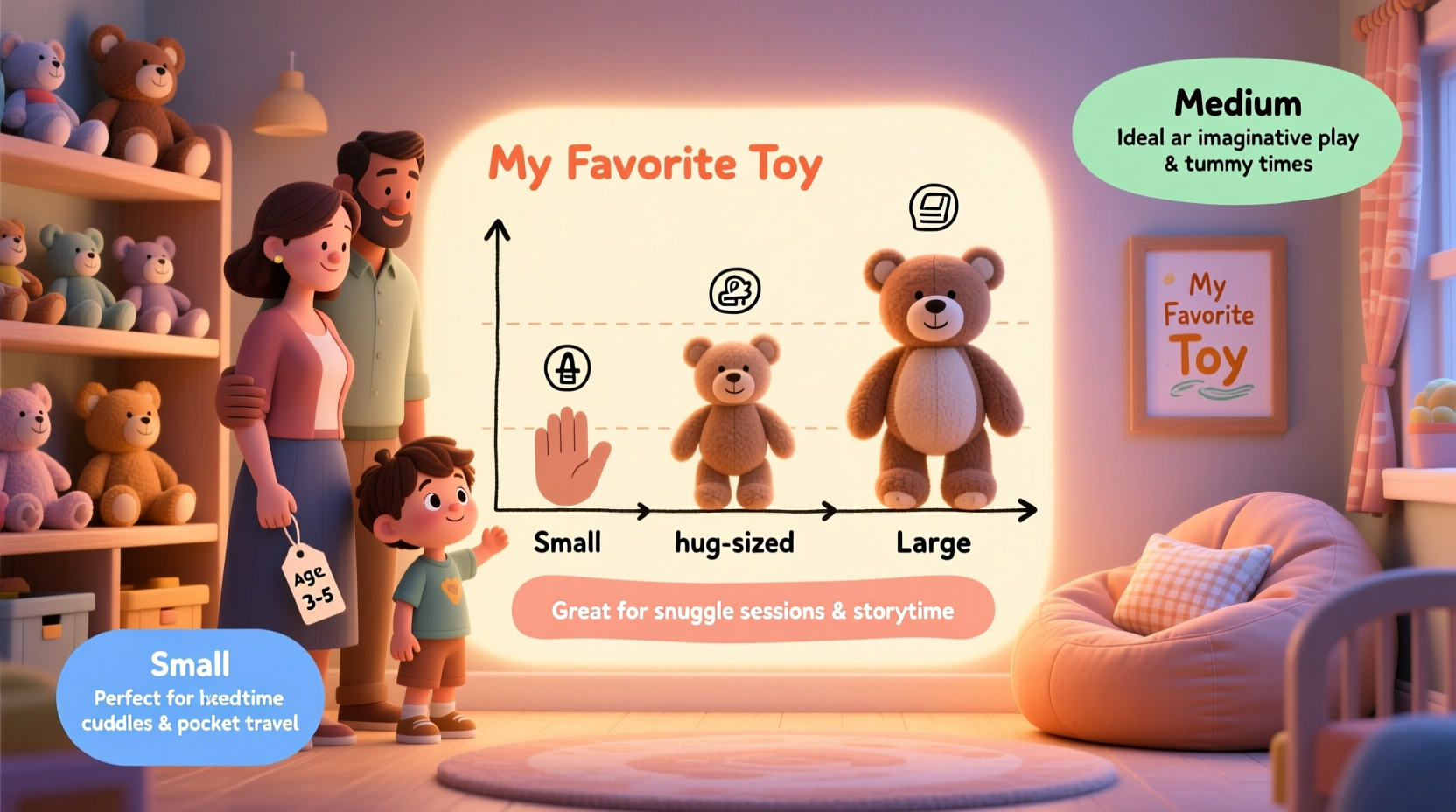
The size of a plush toy influences more than just shelf space—it affects safety, portability, sensory experience, and even sleep quality. Infants interact with toys differently than toddlers or school-aged children. A newborn might find solace in a small lovey during naptime, while a five-year-old may prefer a larger stuffed animal to hug during storytime or carry on outings.
Developmental psychologist Dr. Lila Monroe notes:
“The physical relationship a child has with a comfort object is deeply tied to emotional regulation. The right-sized plush becomes an extension of security—not just a toy, but a tool for managing anxiety and building independence.”
Size also determines practicality. Oversized plushes may dominate a crib or stroller, creating safety risks. Meanwhile, tiny plushes with loose parts can become choking hazards for young children. Matching the toy’s dimensions to your child’s age, environment, and behavior ensures both enjoyment and peace of mind.
Age-Based Guidelines for Plush Toy Sizing
Children grow quickly, and so do their needs when it comes to comfort objects. Here’s a breakdown of recommended plush sizes by age group:
| Age Group | Recommended Size | Rationale |
|---|---|---|
| Newborn – 6 months | 6–10 inches (lovey size) | Small enough to avoid suffocation risk in crib; easy for baby to grasp and mouth safely. |
| 7–18 months | 10–14 inches | Larger for hugging and dragging during crawling/walking; still manageable for small hands. |
| 18 months – 3 years | 14–20 inches | Suitable for active play, cuddling, and imaginative scenarios; durable construction needed. |
| 4–7 years | 20–30 inches | Bigger companions for storytelling, role-play, and bedtime routines; aesthetic appeal matters more. |
| 8+ years | 24+ inches or specialty sizes | Collectible or decorative plushes; often chosen by child based on preference. |
These ranges are not rigid rules, but they reflect common developmental milestones. A child learning to walk may favor a plush they can drag behind them—a 12-inch bear, for instance, offers just the right balance of weight and mobility.
Matching Plush Size to Use Case
Not all plushes serve the same purpose. A bedtime companion differs from a travel buddy or a playtime character. Consider these common use cases when selecting size:
- Bedtime comfort: Opt for 10–16 inches. Large enough to cuddle, small enough to avoid obstructing breathing. Avoid plushes with long ribbons or detachable eyes if used in cribs.
- Travel companion: Choose 12–18 inches. Portable, fits in car seats or backpacks, and doesn’t take up excessive space.
- Imaginative play: Larger plushes (20+ inches) work well as “characters” in storytelling, puppet shows, or dollhouse-style scenes.
- Decorative display: Size is less constrained. Children 6+ may enjoy collecting oversized or themed plushes for their rooms.
Parents should also consider storage. A 30-inch giraffe might delight a preschooler, but if it can’t fit in a toy bin or leans against a bookshelf, it may end up neglected or damaged.
Step-by-Step: How to Choose the Right Plush Size
Follow this simple process to ensure you’re making a thoughtful, safe selection:
- Determine your child’s age and developmental stage. Is your child pre-verbal, walking, or beginning to engage in pretend play?
- Identify the primary use. Will this plush live in the crib, go on trips, or star in play sessions?
- Measure existing favorites. If your child already has a beloved plush, measure it. They often gravitate toward familiar sizes.
- Check safety labels. Look for phrases like “safe for all ages” or “no small parts.” Avoid plushes with buttons, beads, or loose stitching for children under 3.
- Test the fit. Hold the plush next to your child. Can they wrap their arms around it comfortably? Can they carry it independently?
- Consider washability. Larger plushes may be harder to clean. Ensure the care instructions match your routine.
Real Example: The Case of Maya and Her Monkey
Maya, a 22-month-old toddler, had trouble settling at naptime. Her parents introduced a 14-inch plush monkey with soft, textured ears. At first, they tried a larger version (24 inches), but it overwhelmed her crib and she pushed it away. The smaller size fit perfectly in her arms, allowed room for movement, and became part of her sleep ritual. Within a week, her naps lengthened by 20 minutes. The success wasn’t just about the material—it was about proportion. The right size made the difference between rejection and attachment.
Checklist: Before You Buy a Plush Toy
Use this quick reference before making a purchase:
- ✅ Age-appropriate size (refer to guidelines above)
- ✅ No removable or small parts (eyes, noses, bows)
- ✅ Machine-washable or easy to spot-clean
- ✅ Soft, non-irritating fabric (cotton, polyester fleece)
- ✅ Proportional to child’s body (arms can wrap around it)
- ✅ Fits in intended spaces (crib, stroller, car seat)
- ✅ Free of strong chemical odors (indicates poor-quality materials)
Frequently Asked Questions
Can a plush toy be too big for a toddler?
Yes. Plush toys larger than 20 inches can pose safety risks in confined spaces like cribs or high chairs. They may also be too heavy for small children to handle, leading to frustration or injury if dropped on toes. Prioritize manageability over impressiveness.
Is there a standard “safe” size for infants?
For infants under 12 months, experts recommend plush toys no larger than 10–12 inches, often called “lovies.” These should be lightweight, without long strings, and made of breathable fabric. The American Academy of Pediatrics advises keeping loose items, including large plushes, out of cribs to reduce SIDS risk.
My child wants a giant plush. Is it okay to give in occasionally?
Occasional larger plushes (e.g., 36+ inches) are fine for display or supervised play, but they shouldn’t replace regular-sized comfort toys. Use them as room decor or special occasion gifts, not daily companions. Monitor how your child interacts with them—ensure they’re not tripping or struggling to move around.
Final Thoughts: The Right Size, the Right Moment
Choosing the ideal plush toy size isn’t about finding the biggest or softest option—it’s about alignment. The right plush meets your child where they are: in size, in stage, in need. It supports emotional growth, encourages independent play, and becomes a trusted ally in moments of transition. Whether it’s a tiny lamb for the crib or a life-sized koala for the reading nook, the best plush is one that fits—literally and emotionally.




 浙公网安备
33010002000092号
浙公网安备
33010002000092号 浙B2-20120091-4
Comments
No comments yet. Why don't you start the discussion?