
Choosing the right diet for your dog is one of the most impactful decisions you’ll make as a pet owner. While both wet and dry dog foods have their advantages, relying solely on one type may not meet all of your dog’s nutritional, dental, and hydration needs. A balanced approach—strategically combining wet and dry food—can offer the best of both worlds. This guide walks through the science, benefits, and practical steps to create a feeding plan that supports long-term canine health.
Understanding Wet and Dry Dog Food: Key Differences
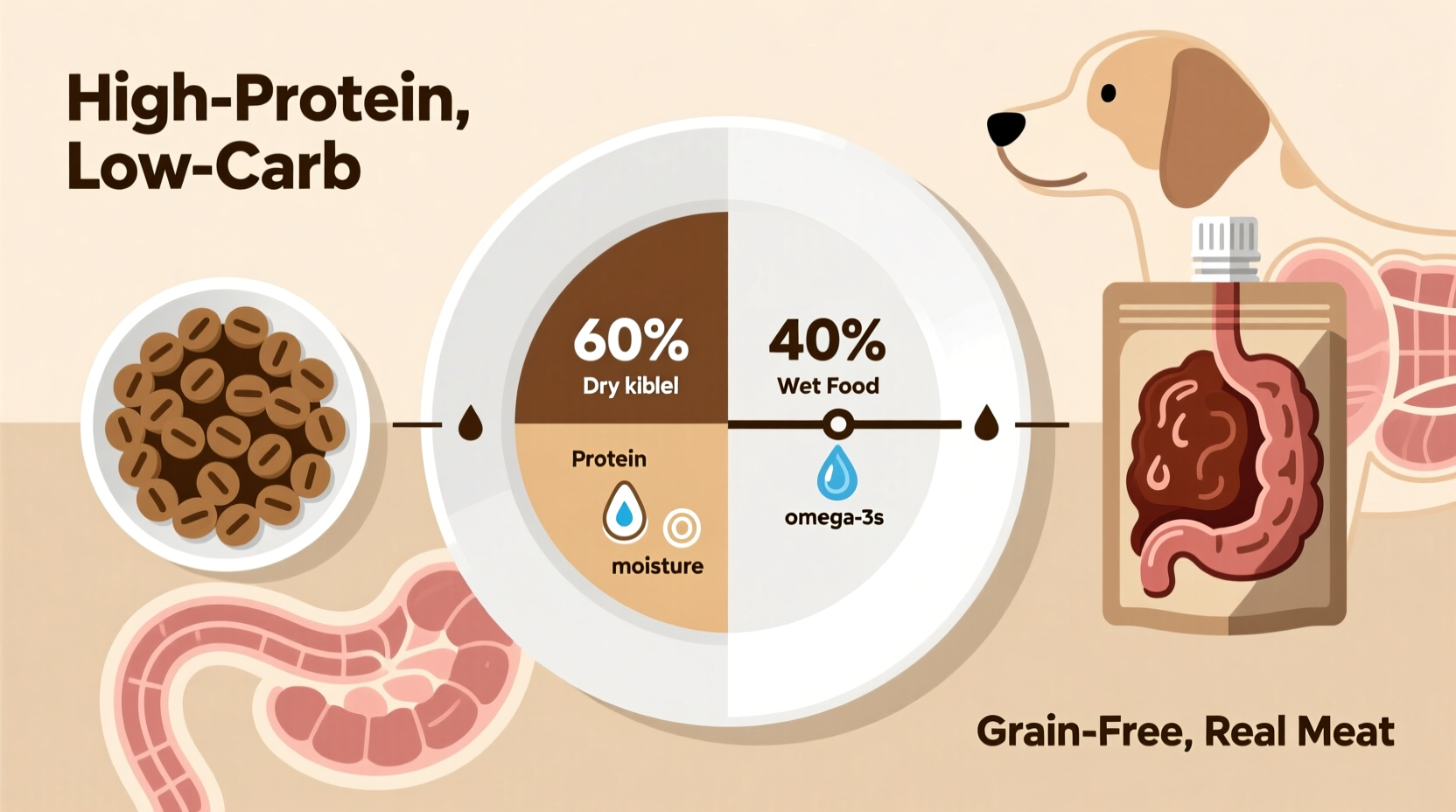
Dry kibble and canned (wet) food differ significantly in moisture content, texture, nutrient density, and shelf life. These differences influence everything from palatability to dental health and hydration.
Dry food typically contains 6–10% moisture and is energy-dense, making it convenient for storage and portion control. It can also help reduce plaque buildup due to its abrasive texture. However, some dogs find kibble less appealing, and its low moisture content may contribute to dehydration if water intake is insufficient.
Wet food, on the other hand, contains about 70–80% moisture. This high water content supports kidney function and urinary tract health, especially in older dogs or those prone to bladder stones. The strong aroma and soft texture make it highly palatable, ideal for picky eaters or dogs with dental issues. However, it’s more expensive per meal and must be refrigerated after opening.
Benefits of Combining Wet and Dry Food
Blending wet and dry food isn’t just about variety—it’s a strategic way to enhance overall nutrition and address specific health concerns.
- Improved Hydration: Dogs often don’t drink enough water. Adding wet food increases fluid intake passively, reducing strain on the kidneys.
- Better Palatability: Mixing a spoonful of wet food into kibble can entice seniors or recovering pets to eat.
- Dental Support: Dry kibble helps scrape plaque; using it as part of a mixed diet maintains this benefit without sacrificing moisture.
- Nutrient Flexibility: You can target specific needs—like joint support or weight management—by pairing functional kibble with premium wet formulas.
- Portion Control & Weight Management: Use calorie-dense wet food sparingly while maintaining bulk with lower-calorie kibble to manage weight effectively.
“Combining wet and dry food allows owners to tailor meals to their dog’s age, activity level, and medical needs. It’s one of the most flexible feeding strategies we recommend.” — Dr. Laura Bennett, DVM, Canine Nutrition Specialist
How to Create a Balanced Feeding Plan
There’s no universal ratio for mixing wet and dry food—the ideal balance depends on your dog’s size, age, metabolism, and health status. Start with these general guidelines and adjust based on response.
Step-by-Step Guide to Transitioning and Balancing
- Assess Your Dog’s Needs: Puppies, seniors, active breeds, and dogs with medical conditions require different caloric and nutrient profiles.
- Determine Total Daily Calories: Consult your vet or use a canine calorie calculator (typically 25–30 kcal per pound of body weight for adults).
- Check Nutritional Labels: Note the kcal/cup (dry) and kcal/can (wet). Most 13 oz cans contain ~400 kcal; a cup of kibble averages 300–400 kcal.
- Start with a Base Ratio: Begin with 75% dry and 25% wet. For example, if your dog eats 2 cups of kibble daily, replace half a cup with one-quarter can of wet food.
- Mix Gradually: Over 5–7 days, increase wet food proportionally while decreasing kibble to maintain consistent calories.
- Monitor Response: Watch for changes in energy, stool quality, coat condition, and weight. Adjust ratios every 1–2 weeks as needed.
- Adjust for Life Stages: Puppies may thrive on 50/50 mixes for energy and hydration; seniors often do well with 30% wet for kidney support.
Sample Daily Feeding Plan for a 50 lb Adult Dog
| Meal | Dry Food | Wet Food | Total Calories |
|---|---|---|---|
| Morning | ¾ cup kibble (275 kcal) | ¼ can (100 kcal) | 375 kcal |
| Evening | ¾ cup kibble (275 kcal) | ¼ can (100 kcal) | 375 kcal |
| Totals | 1.5 cups | ½ can | 750 kcal/day |
This plan provides adequate hydration, supports dental health via kibble, and enhances flavor with wet food—all within recommended caloric limits.
Common Mistakes to Avoid
Even well-intentioned feeding plans can go wrong. Here are frequent pitfalls and how to sidestep them.
| Mistake | Why It’s Harmful | Do Instead |
|---|---|---|
| Free-feeding wet food | Encourages overeating; promotes bacterial growth | Serve fresh portions and refrigerate leftovers within 30 minutes |
| Ignoring calorie density | Can lead to obesity when adding wet food without reducing kibble | Always recalculate total daily intake when changing ratios |
| Switching brands too frequently | Causes digestive instability and nutrient inconsistency | Pick high-quality brands and stick with them unless advised otherwise |
| Using mixed feeding for dogs with pancreatitis or diabetes without vet input | Risk of blood sugar spikes or fat overload | Consult your veterinarian before adjusting diets for medical conditions |
Real-Life Example: Managing Senior Dog Hydration
Maggie, a 12-year-old Labrador Retriever, had been eating only dry food for years. Her owner noticed she was drinking less and developing concentrated urine. A vet check revealed early signs of kidney stress. Instead of switching entirely to wet food—which could cause rapid weight loss due to lower caloric density—the vet recommended a 70% dry / 30% wet blend.
By mixing 1/3 can of kidney-support wet food into her morning kibble, Maggie’s water intake increased by nearly 40%. Her urine specific gravity normalized within four weeks, and her appetite improved. The gradual shift preserved her dental benefits from chewing kibble while addressing hydration—a win-win solution tailored to her age-related needs.
Frequently Asked Questions
Can mixing wet and dry food cause diarrhea?
Not if done gradually. Sudden changes in diet are the main culprit. Always transition over 5–7 days, and ensure both foods are compatible in protein source and fat content. If diarrhea persists beyond 48 hours, consult your vet.
Is it okay to feed wet food only in the morning and dry at night?
Yes, as long as the total daily calories and nutrients are balanced. Many owners prefer this method for convenience—wet food in the AM for freshness, dry at night for longer shelf stability. Just monitor weight and adjust portions accordingly.
How should I store leftover wet food?
Refrigerate unused portions immediately in an airtight container. Use within 2–3 days. Never leave wet food at room temperature for more than two hours, especially in warm climates.
Final Checklist: Getting Started with Balanced Feeding
- ✔ Consult your vet to determine your dog’s daily caloric needs
- ✔ Choose high-quality wet and dry foods with real meat as the first ingredient
- ✔ Calculate calorie content per serving for both food types
- ✔ Start with a 75/25 dry-to-wet ratio and adjust as needed
- ✔ Monitor weight, energy, and stool consistency weekly
- ✔ Store wet food properly and discard after 3 days
- ✔ Reassess the diet every 3–6 months or with lifestyle changes
Take Action for Your Dog’s Long-Term Health
Balancing wet and dry dog food is more than a feeding strategy—it’s a commitment to holistic wellness. By thoughtfully combining textures, moisture levels, and nutrients, you can support your dog’s digestion, hydration, dental health, and enjoyment of meals. Every dog is unique, so observe closely and adapt as needed. Small changes today can lead to healthier, happier years together.




 浙公网安备
33010002000092号
浙公网安备
33010002000092号 浙B2-20120091-4
Comments
No comments yet. Why don't you start the discussion?