
Devotion to Apollo, the radiant god of light, music, prophecy, healing, and reason in Hellenic tradition, has endured across millennia. While once central to public cults and oracles like Delphi, his worship today is often personal, reflective, and deeply intentional. Modern devotees—whether practicing Hellenismos, eclectic paganism, or personal spirituality—can cultivate a meaningful relationship with Apollo through structured rituals, mindful prayers, and symbolic offerings. This guide provides a grounded, respectful approach to honoring Apollo with authenticity and purpose.
Understanding Apollo’s Domains and Attributes
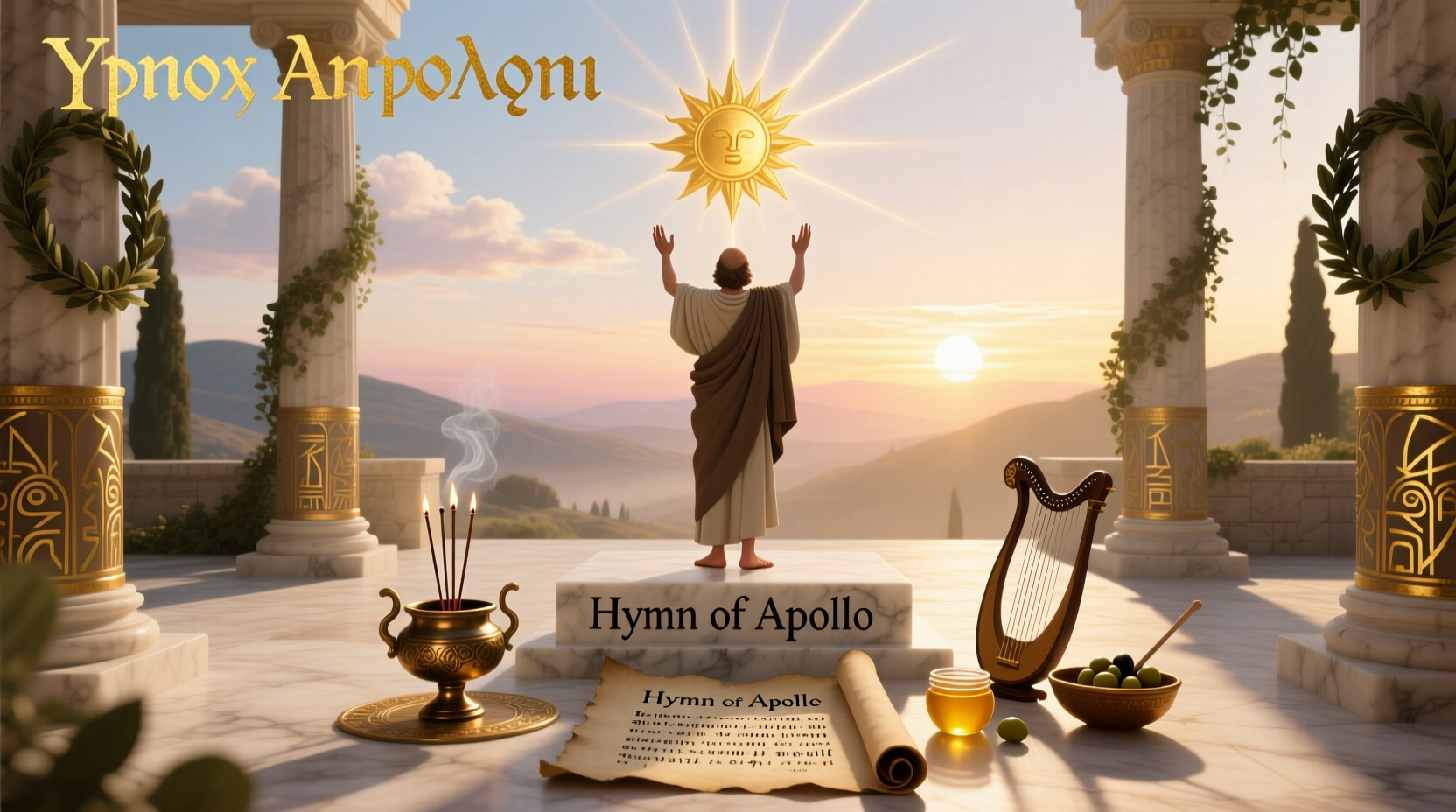
Apollo is not a singular deity of one function but a complex figure embodying harmony, clarity, and divine order. His roles include:
- God of Light and the Sun – Associated with illumination, both literal and intellectual.
- Master of Music and the Arts – Patron of lyre players, poets, and performers.
- Prophet and Oracle – Guardian of truth, dreams, and divine messages.
- Healer and Averter of Harm – Bringer of health and protector against disease (as Apollo Agyieus).
- Guardian of Youth and Discipline – Especially revered by young men in ancient Greece as a model of virtue and self-control.
To honor Apollo meaningfully, one must first understand these aspects not as separate titles but as interconnected expressions of balance and enlightenment. Devotion should reflect respect for his multifaceted nature rather than reducing him to a single archetype.
Establishing a Sacred Space for Apollo
A consistent place of worship fosters focus and reverence. Whether you maintain a full household shrine or a simple corner on a desk, the key is intentionality.
Choose an area that receives natural sunlight, ideally facing east to greet the sunrise—a powerful symbol of Apollo’s presence. Keep the space clean and uncluttered, reflecting the god’s association with purity and order.
Essential elements for an Apollonian shrine include:
- A statue, image, or symbol representing Apollo (e.g., lyre, sun disc, laurel wreath)
- A white candle or oil lamp (symbolizing light and clarity)
- A small bowl for offerings
- A mirror or polished surface (representing truth and reflection)
- Fresh water daily (for purification)
Laurel leaves are particularly sacred to Apollo. If fresh ones aren’t available, dried or symbolic representations suffice. Avoid synthetic decorations; simplicity honors his preference for natural elegance.
“Where there is light, there is also truth. To call upon Apollo is to invite clarity into the soul.” — Sarah Iles Johnston, Professor of Greek Religion
Step-by-Step Guide to a Weekly Apollo Ritual
Ritual consistency deepens spiritual connection. This weekly practice can be adapted to your schedule and capacity, requiring only 15–30 minutes.
- Purify the Space and Self: Wash your hands and face. Sprinkle a few drops of clean water around the shrine or lightly mist the air with rosewater or spring water.
- Light the Candle: As you do, say: “I kindle this flame in honor of Phoebus Apollo, bringer of light and dispeller of shadows.”
- Offer Incense or Laurel: Burn bay leaf, frankincense, or myrrh. Alternatively, place a fresh or dried laurel leaf on the offering bowl while saying: “Accept this gift, O Far-Shooter, in gratitude for your guidance.”
- Recite a Prayer: Use a traditional hymn or compose your own. Example:
“Hear me, Lord of the Silver Bow, Who walks the heights of Parnassus, Guide my mind with wisdom, My voice with truth, And my life with balance. Be present in this hour, I pray.”
- Meditate in Silence: Sit quietly for 5–10 minutes, focusing on the flame or your breath. Invite insight or clarity on a current challenge.
- Close with Thanks: Extinguish the candle (if safe) and say: “I thank you, Apollo, for your presence. May your light remain with me until we meet again.”
This ritual works best at dawn or midday, times traditionally linked to solar deities. Consistency—such as every Sunday or on the seventh day of the lunar month (a number sacred to Apollo)—enhances its potency.
Offerings and Acts of Devotion
Offerings are not transactions but gestures of reciprocity and respect. Apollo values sincerity over extravagance. Traditional and appropriate offerings include:
| Offering | Significance | Notes |
|---|---|---|
| Laurel leaves or wreaths | Sacred plant of Apollo, worn by priests and victors | Place on shrine; burn after 3 days |
| Fruit (especially apples, oranges) | Natural, pure foods associated with vitality | Remove when spoiled; compost respectfully |
| Water or milk | Purifying and life-giving | Pour onto earth after ritual |
| Music (lyre, flute, singing) | Creative expression in his honor | Play or sing a piece before prayer |
| Written poetry or journal entries | Intellectual tribute to the Muse-inspired god | Burn or keep as devotional record |
Real Example: A Student’s Devotional Practice
Lena, a university student studying classics, began honoring Apollo during a stressful semester. Overwhelmed by exams and creative blocks in her writing, she established a simple morning ritual. Each Sunday, she lit a white candle, played a short melody on a handheld lyre app, and recited a prayer asking for mental clarity. She kept a journal where she wrote reflections after each session.
Within weeks, she noticed improved focus and a renewed sense of direction. “It wasn’t magic,” she said, “but it gave me structure. Talking to Apollo felt like consulting a wise mentor. I started seeing challenges as puzzles to solve, not walls to crash into.” Her experience reflects how devotional practice can support psychological resilience through symbolic engagement with divine archetypes.
Common Pitfalls and How to Avoid Them
Even sincere devotion can falter without awareness. Here are common mistakes and corrections:
- Overcomplicating rituals: Start small. A five-minute greeting at sunrise is more sustainable than a monthly elaborate ceremony you dread.
- Neglecting reciprocity: Devotion isn’t just about asking. Regularly express gratitude, even for subtle shifts in mindset or peace.
- Misunderstanding Apollo’s nature: He is not a god of blind inspiration or emotional excess. Approach him with respect for logic, discipline, and ethical integrity.
- Ignoring cultural context: While modern practice allows adaptation, avoid appropriative or disrespectful portrayals (e.g., using Apollo as a \"love charm\" or party symbol).
Frequently Asked Questions
Can I honor Apollo if I’m not pagan or Hellenic?
Yes. Apollo can be approached as a symbolic archetype of reason, creativity, and healing regardless of religious background. Many meditators, artists, and therapists find value in engaging with his qualities psychologically.
Is it necessary to use ancient Greek in prayers?
No. While some devotees use Greek phrases like “Χαῖρε, Ἀπόλλων” (Hail, Apollo), heartfelt prayer in your native language is equally valid. What matters is sincerity, not linguistic accuracy.
What if I miss a ritual?
Apollo values consistency but not perfection. Missed rituals are opportunities to reflect on barriers—fatigue, stress, distraction—and adjust your practice with compassion.
Conclusion: Cultivating a Living Relationship with the God of Light
Honoring Apollo is not about replicating ancient rites with archaeological precision, but about inviting light, truth, and harmony into daily life. Whether through quiet morning prayers, creative expression, or ethical living, devotion becomes meaningful when it transforms the practitioner. The rituals outlined here are starting points—tools to help you build a personal, evolving relationship with one of the most enduring figures in spiritual history.




 浙公网安备
33010002000092号
浙公网安备
33010002000092号 浙B2-20120091-4
Comments
No comments yet. Why don't you start the discussion?