
For dog owners of power-chewers—those enthusiastic pups who can dismantle a rubber toy in minutes—finding a toy that lasts is more than a convenience. It's a necessity for safety, cost-efficiency, and peace of mind. Many commercially available toys break down quickly, creating choking hazards or releasing harmful materials. The right chew toy must balance extreme durability with non-toxic construction, appropriate size, and mental stimulation. This guide explores tested, veterinarian-approved options and practical strategies to keep your strong chewer engaged and safe.
Understanding the Strong Chewer Mindset
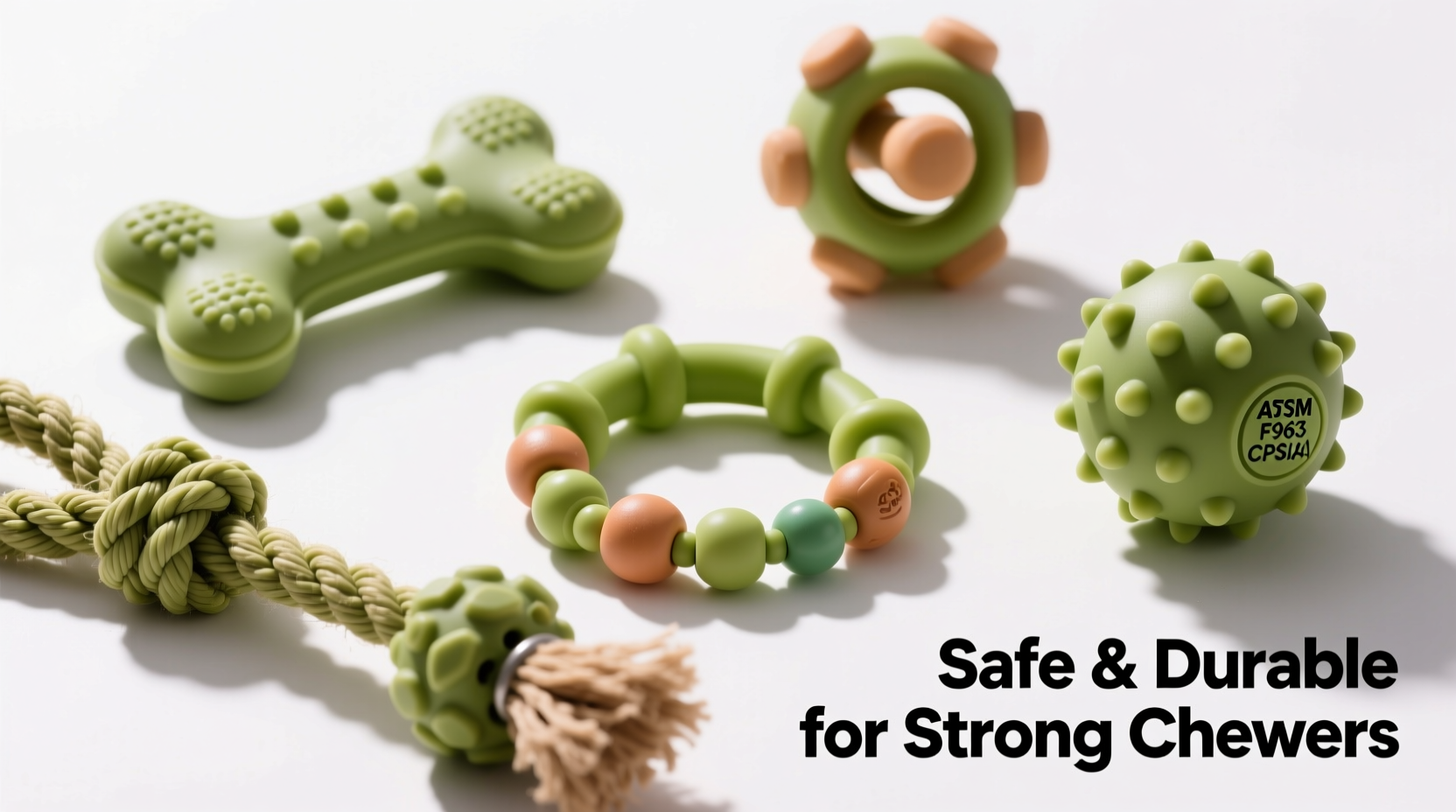
Dogs chew for instinctual, physical, and psychological reasons. Puppies chew to relieve teething discomfort, while adult dogs use chewing to manage stress, combat boredom, or satisfy natural predatory behaviors. For breeds like Pit Bulls, German Shepherds, Rottweilers, and Australian Cattle Dogs, powerful jaws and high energy levels make them especially prone to aggressive chewing.
The danger isn’t just wasted money on destroyed toys—it’s the risk of ingesting sharp fragments, choking on broken pieces, or suffering intestinal blockages. A 2022 report from the American Veterinary Medical Association highlighted that foreign body ingestion due to toy fragmentation ranks among the top five emergency surgeries in dogs under five years old.
“Durability isn’t just about longevity—it’s a critical component of canine safety. A chew toy should resist fracturing under pressure.” — Dr. Lena Torres, DVM, Board-Certified Veterinary Surgeon
Key Features of Safe, Durable Chew Toys
Not all tough toys are created equal. When selecting for strong chewers, focus on these five essential criteria:
- Jaw Resistance: The toy should withstand sustained biting without cracking or splintering.
- Non-Toxic Materials: Free from phthalates, BPA, lead, and other harmful chemicals.
- Appropriate Size: Large enough to prevent accidental swallowing but small enough for easy carrying.
- Texture & Function: Varied surfaces support dental health; hollow designs allow treat stuffing for extended engagement.
- Rebound Flexibility: Some give prevents tooth fractures—rigid plastic may be too harsh on enamel.
Top 5 Toy Types for Strong Chewers (With Examples)
Based on veterinary recommendations, consumer testing, and long-term owner feedback, the following categories consistently perform well for aggressive chewers:
- Rubber Composite Toys: Made from high-density natural rubber or thermoplastic elastomers (TPE), these resist punctures and offer flexibility. Brands like Kong Extreme and GoughNuts include safety indicators—GoughNuts’ red inner layer signals when it’s time to replace the toy.
- Recycled Rubber Tug Toys: Dense, braided designs such as the West Paw Zogoflex Hurley are dishwasher-safe and certified non-toxic. Their slightly flexible build reduces dental wear.
- Nylon Bones with Flavor Infusion: While traditional rawhide is unsafe, modern nylon bones like Nylabone DuraChew are designed to simulate texture without disintegrating. Choose ones with added flavor to encourage longer engagement.
- Industrial-Grade Rope Toys: Constructed from cotton-poly blends, thick-braided ropes like the Mammoth Flossy Chews promote flossing action and are surprisingly resilient when properly sized.
- Stainless Steel or Silicone Chew Rings: Less common but growing in popularity, these inert materials are impervious to teeth and ideal for dogs with allergies or chemical sensitivities.
Comparison Table: Chew Toy Durability & Safety
| Toys | Material | Chewing Duration (Avg.) | Safety Features | Best For |
|---|---|---|---|---|
| Kong Extreme | Natural Rubber | 6–12 months | Non-toxic, FDA-compliant, erratic bounce | All chewers, especially power chewers |
| GoughNuts MAXX 50K | Proprietary Rubber | 12+ months | Indicator layer, indestructible core | Extreme chewers, shelter dogs |
| Nylabone Power Chew | Nylon Polymer | 3–6 months | No splinters, flavored edges | Dogs transitioning from destructive chewing |
| West Paw Qween | Zogoflex (TPE) | 6–9 months | Dishwasher-safe, recyclable | Aggressive chewers with sensitive stomachs |
| Mammoth Flossy Chews | Cotton/Polyester Blend | 2–4 months | Flossing action, no loose threads | Dogs needing dental care + play |
Step-by-Step: How to Introduce a New Chew Toy Safely
Even the most durable toy can become hazardous if introduced incorrectly. Follow this timeline to ensure safe adoption:
- Day 1 – Supervised Exploration: Let your dog sniff and paw at the toy in a confined area. Watch for signs of frustration or overexcitement.
- Day 2–3 – Short Play Sessions: Allow 10–15 minutes of monitored chewing. Remove the toy if excessive drooling or aggressive shaking occurs.
- Day 4–7 – Gradual Increase: Extend chewing time to 30 minutes. Check the toy daily for cracks, fraying, or missing chunks.
- Week 2 Onward – Independent Use: If no damage is observed and behavior remains controlled, allow unsupervised access—but inspect the toy every 48 hours.
- Ongoing – Rotation System: Rotate between 3–4 durable toys weekly to prevent obsession and extend each toy’s lifespan.
Real Example: Max the Blue Heeler’s Transformation
Max, a three-year-old Australian Cattle Dog, had destroyed over $200 worth of toys in six months. His owner, Sarah, reported finding shredded rubber, string remnants, and even a piece of nylon lodged in his molars. After consulting her vet, she switched to a two-pronged approach: introducing the GoughNuts Ring and rotating it with a frozen Kong stuffed with plain yogurt and blueberries.
Within four weeks, Max’s destructive indoor chewing dropped by 80%. The visual cue of the red safety layer helped Sarah know when to retire the toy before any hazard arose. “I finally feel confident leaving him alone with a toy,” she said. “And he’s actually tired after playing instead of bouncing off the walls.”
Checklist: Selecting the Right Chew Toy
Before purchasing, verify the following:
- ✅ Material is listed as non-toxic and BPA-free
- ✅ Toy is rated for \"power chewers\" or \"tough chewers\" by manufacturer
- ✅ Size is appropriate—larger than the dog’s mouth span
- ✅ No small, detachable parts (eyes, squeakers in exposed areas)
- ✅ Surface has no sharp edges or thin membranes
- ✅ Can be cleaned easily (dishwasher-safe or bleach-wash compatible)
- ✅ Comes with a replacement guarantee or safety warranty
Frequently Asked Questions
Can I give my dog antler or bone chews instead of rubber?
While popular, natural bones and antlers are not recommended by most veterinarians. They’re extremely hard and can cause fractured teeth or oral lacerations. Cooked bones may splinter and lead to internal injuries. Stick to engineered chew toys designed for safety and durability.
How often should I replace chew toys for strong chewers?
Inspect toys weekly. Replace immediately if you notice deep grooves, cracks, missing chunks, or exposed internal layers (as with GoughNuts). Even unbroken toys should be replaced every 6–12 months due to bacterial buildup in microscopic pores.
Are squeaky toys safe for strong chewers?
Only if the squeaker is deeply embedded within multiple layers of reinforced material. Most standard plush squeaky toys are torn apart within minutes. Look for \"indestructible\" lines like the Invincible Squeaky Bear, which encases the squeaker in triple-layered mesh and rubber.
Final Thoughts: Safety First, Fun Always
Finding the best toys for strong chewers isn’t about finding something your dog can’t destroy—it’s about choosing options engineered to endure while protecting their health. Prioritize non-toxic, intelligently designed toys that provide both physical resistance and mental engagement. Combine smart selection with regular inspection and rotation to maximize safety and value.




 浙公网安备
33010002000092号
浙公网安备
33010002000092号 浙B2-20120091-4
Comments
No comments yet. Why don't you start the discussion?