
Selecting high-end earrings isn’t just about making a fashion statement—it’s an investment in enduring beauty and personal expression. Unlike fast-fashion accessories that tarnish or break within months, well-chosen luxury earrings can last decades, becoming heirlooms passed through generations. But durability and style must coexist. The most exquisite design means little if the materials degrade or the fit causes discomfort. This guide breaks down how to choose earrings that are not only stunning but built to endure, tailored precisely to your aesthetic and lifestyle.
Understand Your Style DNA
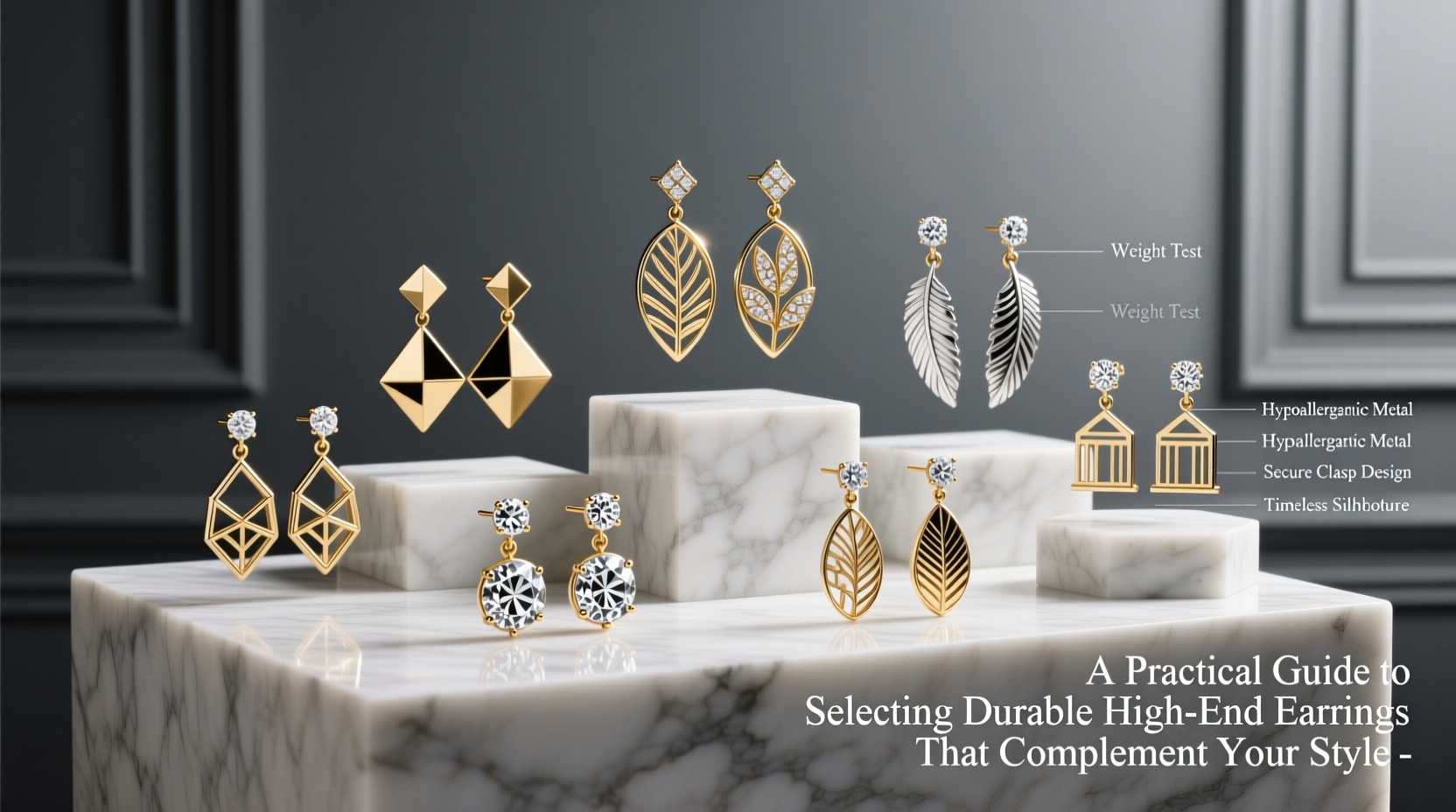
Before evaluating craftsmanship or materials, clarify your personal style. High-end earrings should enhance, not override, your identity. Are you drawn to minimalist lines, vintage opulence, or bold contemporary shapes? Recognizing your aesthetic anchors ensures each piece feels intentional, not impulsive.
Consider these style archetypes:
- Classic Elegance: Timeless studs or pearls; ideal for professional settings.
- Modern Minimalist: Geometric forms in platinum or white gold; clean and understated.
- Dramatic Statement: Chandeliers or oversized hoops; perfect for evening events.
- Vintage Revival: Art Deco motifs or Edwardian filigree; rich in historical charm.
A mismatch between earring style and daily wardrobe leads to underuse—no matter how expensive the piece. Ask: Will I wear this at least six times a year? If not, reconsider.
Material Matters: Choosing for Longevity
The foundation of durability lies in materials. Not all precious metals and gemstones perform equally under daily wear. Here’s what to prioritize:
Precious Metals: Beyond the Shine
Gold, platinum, and sterling silver differ significantly in resilience. For earrings, where weight and friction are minimal compared to rings, even delicate designs can endure—with the right metal.
| Metal | Pros | Cons | Best For |
|---|---|---|---|
| Platinum (950 purity) | Hypoallergenic, extremely durable, retains luster | Heavier, more expensive | Sensitive ears, everyday studs |
| 18K Gold | Rich color, luxurious feel | Softer than 14K; may scratch over time | Statement pieces worn occasionally |
| 14K Gold | Balances purity and strength | Slightly less rich hue than 18K | Daily-wear hoops and drops |
| Sterling Silver (925) | Affordable, bright finish | Tarnishes easily; not ideal for sensitive skin | Fashion-forward styles with frequent rotation |
“Platinum is my top recommendation for clients seeking lifelong earrings. It doesn’t wear down—it simply gets a softer patina over time, adding character.” — Lena Moreau, Master Jeweler at Atelier Lumière
Gemstone Selection: Beauty Meets Resilience
While diamonds are famously hard (10 on the Mohs scale), other gems vary widely. Avoid softer stones like opal (5.5) or pearl (2.5–4.5) in high-motion designs unless protected by settings. Instead, opt for sapphires, rubies, or spinels (8–9) for drop earrings subject to swinging and contact.
Always verify stone origin and treatment. Natural, untreated gems hold value better and resist discoloration.
Engineering for Comfort and Security
No amount of beauty compensates for painful backs or lost earrings. Durability includes structural integrity and ergonomic design.
Finding the Right Backing
- Butterfly Clutch: Common but can loosen; best for lightweight studs.
- Screw-Back: Secure and adjustable; ideal for heavy or valuable pieces.
- Lever-Back: Combines security with ease of use; excellent for long drops.
- Silicone Sleeves: Add grip to standard posts; prevent slippage without replacing hardware.
For those with sensitive ears, ensure posts are made from implant-grade titanium or niobium—even if the body is gold-plated. Nickel allergies affect nearly 15% of adults and can ruin an otherwise perfect pair.
Step-by-Step Guide to Selecting Your Ideal Pair
Follow this sequence when shopping to avoid emotional purchases and ensure lasting satisfaction:
- Assess Lifestyle Needs: Do you work in healthcare (requiring covered ears)? Attend galas monthly? Travel often? Prioritize low-profile or secure designs accordingly.
- Define Budget Range: Allocate based on frequency of use. A $2,000 investment makes sense for daily studs; save splurges for occasion-only pieces.
- Research Craftsmanship: Look for hallmarks, hand-engraving, and precise stone setting. Asymmetry or rough edges suggest poor quality control.
- Try Before You Buy: Even online retailers offer virtual try-ons or return windows. Wear them around home for a few hours to test comfort.
- Verify After-Sales Support: Reputable brands offer polishing, re-tipping prongs, and repair services. This extends lifespan dramatically.
Real-World Example: From Regret to Revelation
Sophie, a corporate lawyer in Chicago, once bought a pair of dangling emerald earrings online for a wedding. Though breathtaking in photos, they were too long for her bob haircut, caught on her coat constantly, and developed a loose stone within three weeks. She wore them twice before retiring them to a drawer.
After consulting a stylist, she invested in shorter lever-back earrings featuring tourmaline accents in 14K rose gold—aligned with her warm skin tone and active schedule. Now, she wears them weekly. “They don’t scream ‘look at me,’” she says, “but I get compliments every time. And they’ve survived airport security, gym bags, and toddler hugs.”
Care and Maintenance Checklist
Durability isn’t passive. Protect your investment with routine care:
- ✅ Remove earrings before sleeping, swimming, or applying skincare products.
- ✅ Clean weekly with a soft cloth and mild soapy water; dry thoroughly.
- ✅ Store separately in lined compartments to prevent scratches.
- ✅ Inspect posts and clasps every three months for wear.
- ✅ Schedule professional cleaning and inspection annually.
“Jewelry maintenance is like dental hygiene—small efforts prevent major repairs later.” — Rafael Kim, Jewelry Conservator at The Metropolitan Museum of Art
FAQ
Can high-end earrings be both lightweight and durable?
Yes. Hollow construction, titanium frameworks, and precision casting allow designers to create large-looking pieces with minimal weight. Ask about structural techniques when purchasing oversized styles.
Do lab-grown diamonds compromise durability in earrings?
No. Lab-grown diamonds have identical physical and chemical properties to mined diamonds. They resist scratching and maintain brilliance equally. Their lower cost allows for larger carat sizes without sacrificing longevity.
How do I know if a brand prioritizes durability?
Look for warranties covering manufacturing defects, lifetime repair offers, and transparent sourcing. Brands like Tiffany & Co., Cartier, and smaller artisans like Ana Khouri build reputations on endurance, not just aesthetics.
Final Thoughts: Invest in Earrings That Earn Their Place
Truly exceptional earrings do more than catch light—they catch moments. They’re there during promotions, proposals, quiet mornings, and celebrations. By choosing pieces grounded in quality materials, thoughtful design, and alignment with your life, you ensure they remain relevant and radiant for years.
Durability isn’t just about resisting damage; it’s about sustaining meaning. When your earrings feel like an extension of who you are, their value transcends price. Start curating a collection that lasts—not just in metal, but in memory.




 浙公网安备
33010002000092号
浙公网安备
33010002000092号 浙B2-20120091-4
Comments
No comments yet. Why don't you start the discussion?