
In an age where convenience and intentionality define personal style, the minimalist wallet has emerged as more than a trend—it’s a functional upgrade. Designed to carry only what you need, these wallets reduce bulk, improve comfort, and encourage smarter financial habits. But not all minimalist wallets suit every lifestyle. The ideal choice depends on how you move through your day, what you carry, and even how you interact with technology. Selecting the right one isn’t about following trends; it’s about aligning design with real-world use.
Understanding Minimalist Wallets: Beyond Slim Profiles
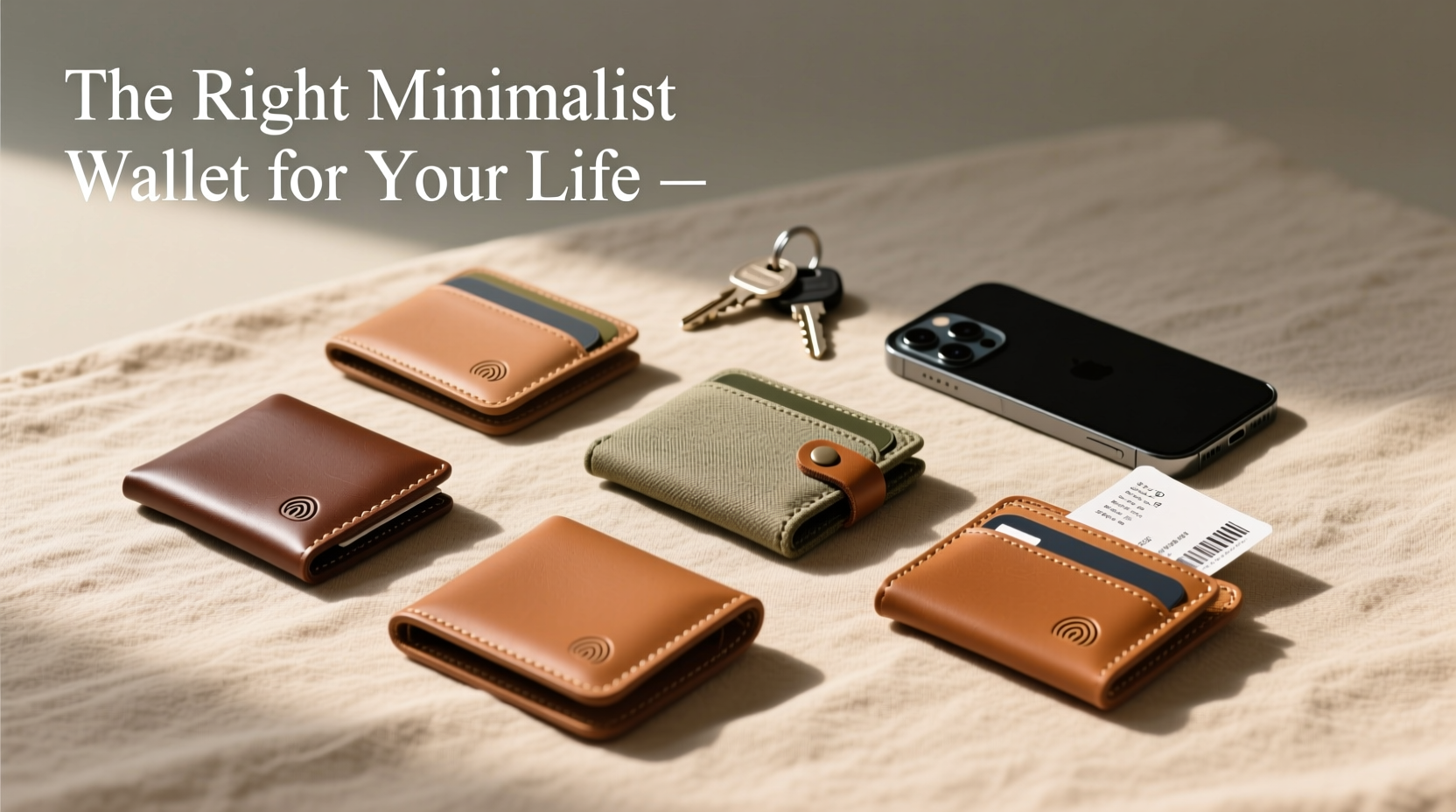
At its core, a minimalist wallet strips away excess. Traditional bi-fold or trifold wallets often expand over time, stuffed with receipts, old cards, and loose change. Minimalist designs counter this by limiting capacity, promoting discipline in what you carry. However, minimalism doesn’t mean one-size-fits-all. There are several types, each serving different priorities:
- Cards-only wallets: Ideal for digital natives who rely on tap-to-pay and rarely use cash.
- Front-pocket slim wallets: Designed to sit comfortably in front pants pockets, reducing back strain and discouraging pickpocketing.
- Hybrid models: Combine card storage with compact cash slots or money clips.
- Smart wallets: Include RFID blocking, GPS tracking, or phone pairing features.
The key is matching the wallet’s capabilities to your behavior—not forcing yourself into a new routine that doesn’t fit.
Step-by-Step: How to Choose Your Ideal Minimalist Wallet
Selecting the right minimalist wallet should be a deliberate process. Follow these steps to ensure your choice supports—not disrupts—your daily life.
- Assess your current carry items. Empty your current wallet and lay everything out. Count your essential cards, note if you carry cash regularly, and identify any frequently used items like IDs or transit passes.
- Determine your primary use case. Are you commuting daily? Traveling often? Working in retail or customer-facing roles? Each scenario places different demands on accessibility and durability.
- Decide on material preferences. Leather ages beautifully but requires care. Aluminum is durable and RFID-shielded but heavier. Polycarbonate and recycled plastics offer lightweight, eco-conscious alternatives.
- Test pocket compatibility. A truly minimalist wallet should disappear in your pocket. Measure your front or back pocket dimensions and compare them to wallet specs.
- Evaluate access speed. Can you retrieve your most-used card without fumbling? Some designs use spring-loaded mechanisms, while others rely on pull-tabs or friction-fit slots.
- Consider security features. RFID-blocking materials protect against digital skimming. Tracking-enabled wallets can help locate lost items via smartphone apps.
This methodical approach prevents buyer’s remorse and ensures long-term satisfaction.
Material Comparison: Durability vs. Comfort
The material of your minimalist wallet affects longevity, feel, and even ethical alignment. Below is a comparison of common options based on real-world performance.
| Material | Pros | Cons | Best For |
|---|---|---|---|
| Full-grain leather | Ages well, molds to shape, natural texture | Requires maintenance, may stretch over time | Those who appreciate craftsmanship and patina development |
| Aluminum | Durable, RFID-proof, sleek finish | Heavier, cold to touch, can scratch | Urban commuters and tech-focused users |
| Titanium | Extremely strong, lightweight, corrosion-resistant | Expensive, limited design variety | Outdoor enthusiasts and frequent travelers |
| Recycled polycarbonate | Eco-friendly, affordable, water-resistant | Less premium feel, may crack under stress | Environmentally conscious buyers on a budget |
| Carbon fiber | Lightweight, ultra-durable, modern look | High cost, static-prone | Professionals seeking high-performance gear |
Your choice here reflects both practical needs and values. A designer who cycles to work might prioritize lightness and weather resistance, while a business consultant may value professional aesthetics and RFID protection.
Real Example: From Bulky Bifold to Purposeful Design
Take Mark, a software engineer in Seattle. He used a worn bi-fold wallet that held 14 cards, three receipts, and crumpled bills. It caused discomfort when sitting and made airport security checks slow. After evaluating his habits, he realized he only used four cards regularly and rarely carried cash. He switched to a titanium front-pocket wallet with a quick-access slot for his work badge and contactless payment card. Within weeks, he reported improved posture from no longer slouching to accommodate a thick back pocket wallet—and faster transactions thanks to intuitive card placement. His new wallet didn’t just reduce clutter; it enhanced efficiency.
“Minimalism isn’t about owning less—it’s about making room for what works.” — Daniel Park, Product Designer & Founder of Nomad Goods
Checklist: Before You Buy a Minimalist Wallet
Use this checklist to avoid common pitfalls and ensure your selection aligns with your lifestyle:
- ✅ I’ve counted how many cards I actually use daily (not just own).
- ✅ I know whether I need space for cash or coins.
- ✅ I’ve measured my pocket size and compared it to product dimensions.
- ✅ I’ve considered whether RFID protection is necessary for my location or travel frequency.
- ✅ I’ve tested retrieval speed in product videos or reviews.
- ✅ I’m comfortable with the weight—especially if carrying in a front pocket.
- ✅ The brand offers a warranty or repair policy for long-term reliability.
This simple list filters out flashy but impractical options and keeps the focus on functionality.
Frequently Asked Questions
Can a minimalist wallet hold ID, credit card, and cash?
Yes—many hybrid models include a discreet cash fold or money clip. Look for “slim bi-fold” or “vertical wallet with cash strap” designs. These maintain a low profile while accommodating small bills.
Are RFID-blocking wallets necessary?
For most people, the risk of digital skimming is low—but not zero. If you travel frequently, work in crowded urban areas, or carry sensitive credentials, RFID protection adds a valuable layer of security. However, avoid overpriced “anti-hacking” claims; verified shielding materials like metal-lined sleeves are sufficient.
Will a minimalist wallet last as long as a traditional one?
Often longer. High-quality minimalist wallets are built with fewer moving parts and superior materials. Without constant folding and overstuffing, they experience less wear. Brands like Bellroy, Secrid, and Ridge offer lifetime warranties, reflecting confidence in durability.
Final Considerations: Aligning Design With Daily Reality
The best minimalist wallet isn’t the thinnest or most expensive—it’s the one you’ll actually use without compromise. It should feel natural during your morning commute, secure during travel, and unobtrusive during meetings or workouts. Resist the urge to downsize too aggressively. Removing friction from your routine is the goal, not creating new inconveniences.
Think long-term. A well-chosen minimalist wallet evolves with you. Leather develops character. Metal resists wear. Smart features adapt to changing tech standards. This isn’t just an accessory; it’s a tool for intentional living.




 浙公网安备
33010002000092号
浙公网安备
33010002000092号 浙B2-20120091-4
Comments
No comments yet. Why don't you start the discussion?