
Florida consistently ranks among the top states for voter turnout, thanks in part to its accessible early voting system. With long lines on Election Day becoming increasingly common, casting your ballot ahead of time is not only convenient—it can also reduce stress and ensure your voice is heard. Whether you're a first-time voter or have participated before, understanding the ins and outs of early voting in Florida is essential. This comprehensive guide walks you through every phase, from checking your registration status to walking into an early voting site with confidence.
Understanding Early Voting in Florida
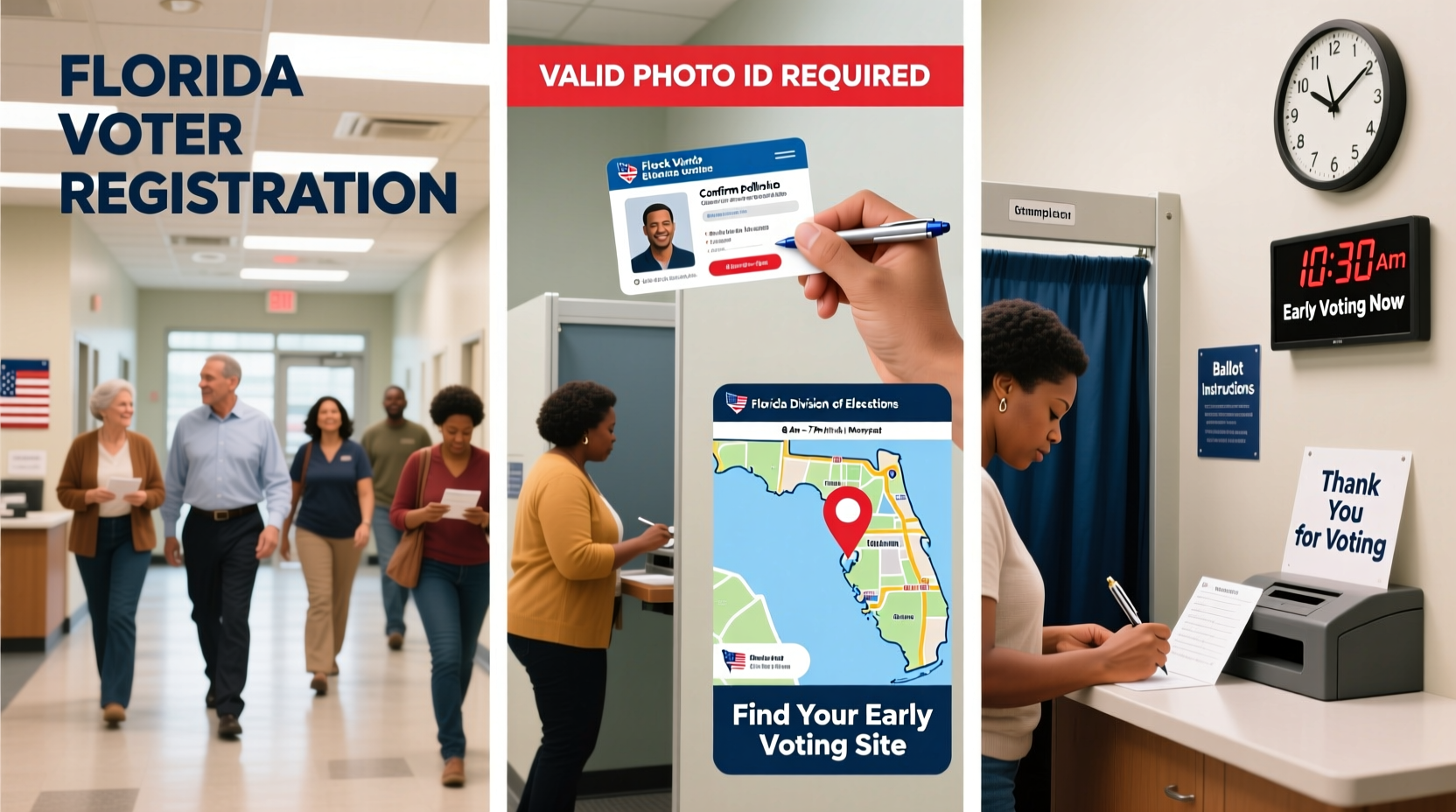
Early voting in Florida allows registered voters to cast their ballots in person during a designated period before Election Day. Unlike mail-in voting, which requires sending your ballot by post, early voting gives you the flexibility to vote at any official location within your county during specified hours. The early voting window typically begins 10 days before Election Day and runs through the third day prior. For example, in a November general election, early voting would generally run from the Saturday two weeks before Election Day through the Monday four days before.
Each county’s Supervisor of Elections office determines exact dates, times, and locations for early voting sites. These are often set up in public buildings such as libraries, community centers, or government offices. Some counties even offer mobile voting units or extended weekend hours to improve access.
“Early voting removes many of the barriers that prevent people from participating—especially those with unpredictable work schedules or caregiving responsibilities.” — Dr. Maria Gonzalez, Civic Engagement Researcher at University of South Florida
Step-by-Step Guide to Early Voting in Florida
Voting early in Florida is straightforward when you follow these key steps. Planning ahead ensures you avoid last-minute surprises and complete the process efficiently.
- Confirm Your Voter Registration Status
Visit the Florida Division of Elections website at registertovoteflorida.gov to verify that you’re registered. You must be registered at least 29 days before the election. If you’ve moved, changed your name, or haven’t voted in several years, double-check your details. - Review Ballot Information
Before heading out, review sample ballots available through your county Supervisor of Elections site. Familiarizing yourself with candidates and measures helps speed up your voting time and reduces confusion at the polling station. - Find Your Nearest Early Voting Location
Use the official Florida Voter Information Portal to locate early voting sites in your county. Sites vary by jurisdiction, so don’t assume your Election Day polling place is the same as your early voting option. - Gather Required Identification
While Florida does not require photo ID to vote if you’re already registered, you must present one of the following forms of identification if you’re asked: Florida driver’s license, Florida ID card, U.S. passport, military ID, or tribal ID. If your ID doesn’t show your current address, bring a secondary document like a utility bill or bank statement. - Visit the Site During Open Hours
Arrive during posted hours. Most locations open between 8:00 AM and 6:00 PM, but some counties offer weekend availability. Avoid peak times—weekday mornings tend to be less crowded than evenings or weekends. - Cast Your Ballot
Once inside, check in with an elections official who will verify your identity and registration. You’ll receive a ballot or access to a touchscreen machine depending on your county’s system. Take your time reviewing each section. After submitting your vote, you’ll receive confirmation that your ballot was recorded.
What to Bring (and What Not to Bring)
Being prepared makes all the difference. Here’s a quick checklist to help you get ready:
- ✅ Valid photo ID (recommended even though not always required)
- ✅ Proof of address (if your ID doesn't reflect your current residence)
- ✅ Sample ballot notes or candidate list (on paper or phone)
- ✅ Mask (optional, but consider bringing one for indoor comfort)
- ✅ Patience—lines may form during peak hours
Avoid bringing anything that could cause delays:
- ❌ Large bags or backpacks (some sites restrict them)
- ❌ Campaign materials (buttons or shirts supporting candidates are allowed, but flyers aren’t)
- ❌ Weapons or prohibited items (all voting locations are secure facilities)
- ❌ Electronic devices near scanning equipment (cameras and recording devices are banned inside)
| Do’s | Don’ts |
|---|---|
| Bring a government-issued ID | Wear political apparel promoting specific candidates |
| Arrive early in the day to avoid crowds | Take photos inside the voting booth |
| Ask for assistance if you need help reading or marking the ballot | Accept unsolicited help from strangers at the entrance |
| Double-check your selections before finalizing | Leave without confirming your ballot was submitted |
Real Example: How Sarah Voted Early in Miami-Dade County
Sarah, a nurse working rotating shifts in Miami, knew she wouldn’t be able to vote on Election Day due to her schedule. She decided to vote early during a Saturday session at a local library branch serving as a temporary voting site.
She checked her registration status online three days prior and printed a sample ballot. On Saturday morning, she brought her Florida driver’s license and a recent water bill just in case. When she arrived at 9:15 AM, there were only two people ahead of her. The entire process took under 15 minutes. “I marked my choices on my phone beforehand,” she said. “That made it fast and stress-free.”
Her advice? “Go mid-morning on a weekend. It’s quiet, the staff is friendly, and you get it done without rushing.”
Frequently Asked Questions
Can I still vote early if I requested a mail-in ballot?
Yes, but only if you haven’t already returned your mail ballot. If you bring your unvoted mail ballot to an early voting site, you can surrender it and vote in person. If you lost it or didn’t bring it, you may still vote using a provisional ballot, which will be verified later.
Is early voting different from vote-by-mail?
Yes. Early voting means casting your ballot in person at an authorized location before Election Day. Vote-by-mail (formerly absentee voting) involves receiving your ballot by mail, completing it at home, and returning it by drop box, mail, or in person. Both are valid options, but they operate differently.
What happens if I go to the wrong early voting location?
You can still vote! Florida uses a statewide voter database, so any early voting site in your county can verify your registration and issue the correct ballot. However, you cannot vote early in a different county—even if it’s adjacent to yours.
Final Checklist Before You Go
To ensure a seamless experience, use this pre-vote checklist:
- ☐ Confirm you’re registered to vote in Florida
- ☐ Check your county’s early voting dates and locations
- ☐ Review the sample ballot and decide on your choices
- ☐ Pack your photo ID and proof of address
- ☐ Choose a low-traffic time to visit (e.g., weekday mornings)
- ☐ Wear comfortable clothing and allow extra travel time
- ☐ Bring a pen or pencil if you prefer marking paper ballots
Conclusion: Make Your Voice Heard—Vote Early
Early voting in Florida offers a reliable, efficient way to participate in democracy without the pressure of Election Day. With flexible hours, multiple locations, and strong safeguards for accuracy, the system is designed to serve all eligible voters—regardless of work schedules, mobility challenges, or family commitments. By planning ahead, knowing what to bring, and understanding the process, you can turn voting from a chore into a meaningful civic moment.




 浙公网安备
33010002000092号
浙公网安备
33010002000092号 浙B2-20120091-4
Comments
No comments yet. Why don't you start the discussion?