
Choosing the right harness for your dog isn’t just about style—it’s about safety, comfort, and control. With so many options on the market, two primary designs stand out: adjustable and fixed harnesses. While adjustable models often come with a higher price tag, they promise a better fit and more customization. But is that extra cost truly justified for every dog owner?
The answer depends on your dog’s size, breed, activity level, and even temperament. Understanding the real differences between these two types of harnesses can help you make an informed decision that supports your dog’s well-being and your peace of mind.
Understanding Adjustable and Fixed Harnesses
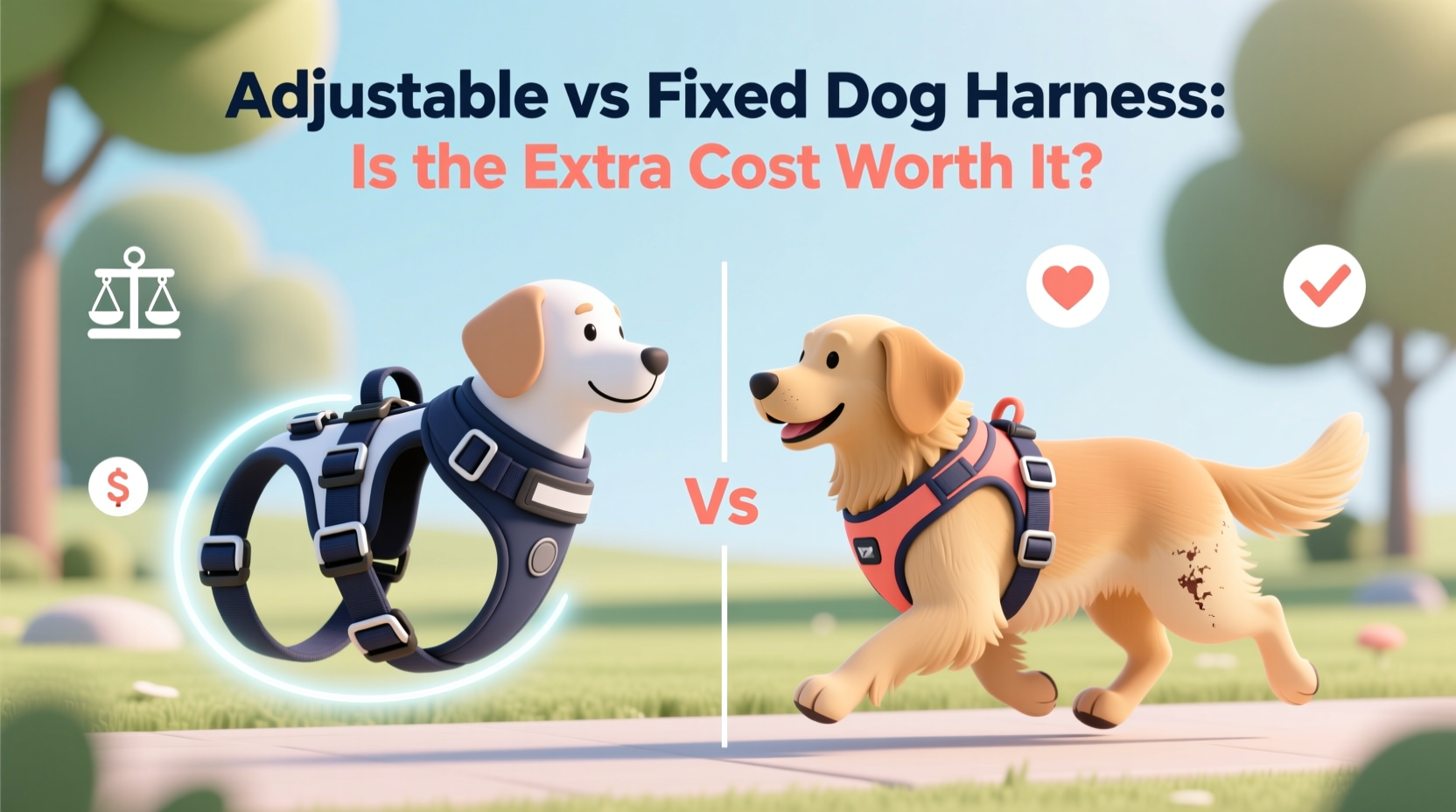
An adjustable dog harness features multiple straps or buckles that allow you to fine-tune the fit around your dog’s chest, neck, and girth. These are typically designed with Velcro, nylon clips, or sliding adjustments to accommodate different body shapes.
In contrast, a fixed harness comes in preset sizes—small, medium, large—with minimal or no adjustment capability. Once sized correctly, the fit remains static. Some fixed harnesses offer slight leeway via stretch panels or elastic inserts, but overall, they’re less customizable.
Adjustable harnesses are often marketed as “one-size-fits-most” or “custom-fit” solutions, while fixed harnesses emphasize simplicity and durability. Both have their place, but the choice hinges on how much precision and adaptability you need.
Key Differences That Impact Comfort and Safety
A poorly fitting harness can lead to chafing, restricted movement, or even escape during walks. Adjustable harnesses excel in minimizing these risks by allowing owners to tailor the fit precisely. This is especially important for dogs with unusual proportions—like deep-chested greyhounds or stocky bulldogs—who may not conform to standard sizing charts.
Fixed harnesses, while reliable for dogs within average proportions, can slip or pinch if slightly off-size. Even a half-inch difference in girth can affect pressure distribution across the shoulders and chest, potentially causing discomfort over time.
When Adjustable Harnesses Are Worth the Investment
The premium price of adjustable harnesses often reflects higher-quality materials, ergonomic design, and added features like reflective stitching, padded straps, or front-clip attachments for leash training. For certain dogs and lifestyles, this investment pays off.
Dogs undergoing growth phases—such as puppies or large breeds maturing past one year—benefit from adjustable harnesses that grow with them. Instead of replacing a fixed harness every few months, you can simply re-adjust the straps.
Likewise, active dogs involved in hiking, agility training, or service work require maximum control and comfort. An adjustable harness ensures even weight distribution, reduces strain on joints, and prevents rubbing during extended use.
“Dogs with respiratory issues, like brachycephalic breeds, need harnesses that don’t compress the trachea. A properly adjusted harness can prevent breathing complications during walks.” — Dr. Lena Torres, Veterinary Behaviorist
Real-Life Example: Max the Labrador Mix
Max, a 10-month-old Labrador mix, was growing rapidly—gaining nearly 5 pounds per month. His owner initially bought a fixed medium harness, which fit snugly at first. Within six weeks, it began to rub under his armpits and slipped forward during pulls. After switching to an adjustable harness, the fit was corrected in minutes. Over the next three months, only minor strap tweaks were needed. The single purchase lasted through Max’s entire adolescent growth spurt, saving money and preventing skin irritation.
Scenarios Where Fixed Harnesses Make Sense
Not every dog needs micro-adjustments. For small to medium dogs with stable weights and predictable builds, a well-sized fixed harness can be perfectly adequate—and often more affordable.
Owners seeking simplicity will appreciate the ease of a fixed harness: no fiddling with multiple straps, no risk of loosening mid-walk, and fewer parts that could wear out. Many fixed harnesses are built with durable, minimalist designs ideal for daily neighborhood walks.
Additionally, some fixed harnesses are engineered for specific purposes. For example, no-pull fixed harnesses with front D-rings are effective for dogs prone to leash pulling, provided the size is accurate. In such cases, adjustability doesn’t necessarily improve performance.
Cost Comparison: Upfront vs. Long-Term Value
| Feature | Adjustable Harness | Fixed Harness |
|---|---|---|
| Average Price | $25–$50 | $12–$25 |
| Lifespan (typical) | 2–4 years (with proper care) | 1–2 years (if dog grows or gains weight) |
| Fitting Flexibility | High – multiple adjustment points | Low – limited to size range |
| Ideal For | Puppies, growing dogs, odd-shaped breeds, active use | Stable-size adults, casual walking, budget-conscious owners |
| Maintenance Needs | Moderate – check straps regularly | Low – simple inspection |
While adjustable harnesses cost more upfront, their longevity and adaptability can result in better long-term value—especially for growing or active dogs.
How to Choose the Right Harness: A Step-by-Step Guide
Selecting the best harness involves more than just measuring your dog. Follow this process to ensure optimal fit and function:
- Measure Accurately: Use a soft tape measure around the widest part of the chest, just behind the front legs. Also measure the neck circumference.
- Assess Your Dog’s Build: Is your dog barrel-chested, narrow, or thick-necked? Breeds like pugs, huskies, and whippets often need custom-like fits.
- Evaluate Activity Level: High-energy dogs benefit from padded, adjustable harnesses with secure attachment points.
- Try Before You Buy (If Possible): Visit a pet store to test fit and observe how the harness sits during movement.
- Check Adjustment Mechanisms: Look for sturdy buckles, non-slip straps, and padding in high-friction areas.
- Monitor Fit Over Time: Reassess monthly for growing dogs; adjust or replace as needed.
Frequently Asked Questions
Can I use an adjustable harness for a puppy?
Yes, and it’s often recommended. Puppies grow quickly, and an adjustable harness can be modified as they gain weight and height, providing consistent comfort and security without frequent replacements.
Do fixed harnesses break more easily?
Not necessarily. Durability depends more on material quality than adjustability. However, fixed harnesses that are too small can experience excess strain on seams, increasing wear. Always ensure correct sizing.
Are adjustable harnesses harder to put on?
Some models require more steps, especially step-in or overhead styles with multiple straps. However, many modern adjustable harnesses feature quick-snap buckles and intuitive designs that make application straightforward with practice.
Final Checklist Before Buying
- ✅ Measured your dog’s chest and neck accurately
- ✅ Considered breed-specific needs (e.g., short-nosed, deep-chested)
- ✅ Determined primary use (casual walks vs. hiking vs. training)
- ✅ Compared customer reviews for fit consistency and durability
- ✅ Checked return policy in case the fit isn’t right
- ✅ Ensured secure leash attachment (top-back or front clip)
Conclusion: Making the Right Choice for Your Dog
The extra cost of an adjustable harness isn’t automatically worth it—but for many dogs and owners, it delivers tangible benefits in comfort, safety, and long-term savings. If your dog is still growing, has an unconventional build, or participates in physically demanding activities, the investment makes clear sense.
On the other hand, if you have a full-grown dog with a standard frame and low-to-moderate activity levels, a well-fitted fixed harness can serve you reliably without breaking the bank.
Ultimately, the best harness is one that fits well, causes no discomfort, and supports your dog’s natural movement. Don’t let price alone dictate your decision—prioritize fit, function, and your dog’s daily experience. Your pup may not thank you in words, but their relaxed posture and eager tail wags will say it all.




 浙公网安备
33010002000092号
浙公网安备
33010002000092号 浙B2-20120091-4
Comments
No comments yet. Why don't you start the discussion?