
For millions of people, seasonal allergies mean sneezing, itchy eyes, congestion, and fatigue—especially during spring and fall. With pollen counts rising and air quality fluctuating, many turn to common strategies like opening windows for fresh air or investing in air purifiers. But which approach truly helps? And can an air purifier outperform the simple act of letting nature in? The answer isn’t as straightforward as it seems, and understanding the science behind indoor air quality is key to making informed choices that support long-term respiratory health.
The Great Debate: Fresh Air vs Filtered Air
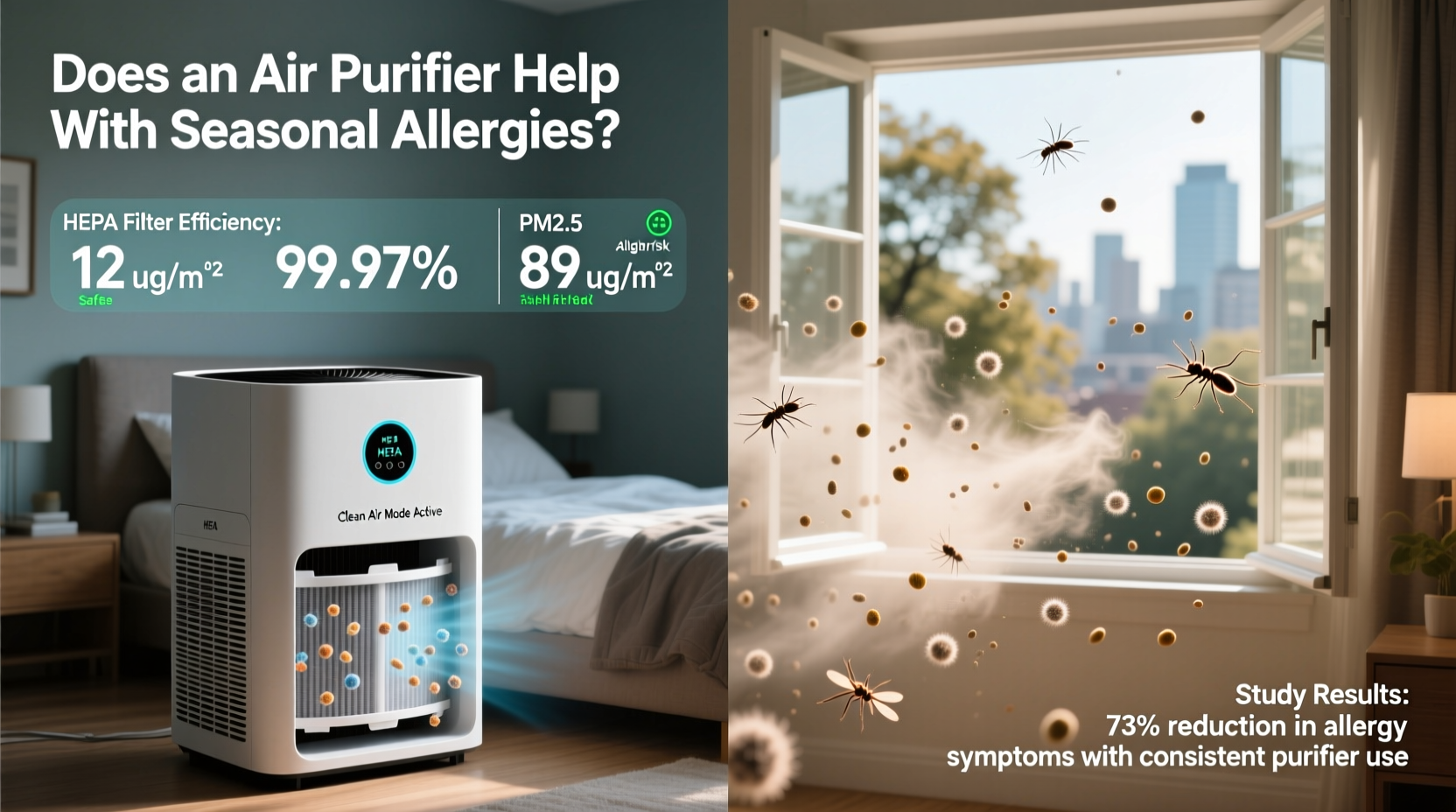
Opening windows feels intuitive. It brings in natural ventilation, disperses stale indoor air, and connects us to the outdoors. However, during high-pollen seasons, “fresh” air may not be as beneficial as it seems. Outdoor air often carries allergens such as tree, grass, and ragweed pollen, mold spores, and even vehicle exhaust—all of which can trigger allergic reactions indoors.
In contrast, air purifiers work by actively filtering airborne particles from indoor environments. High-efficiency particulate air (HEPA) filters, in particular, are designed to capture at least 99.97% of particles as small as 0.3 microns—including most pollen grains, dust mites, pet dander, and mold spores. This targeted filtration offers a controlled alternative to passive ventilation.
But relying solely on either method has trade-offs. Open windows improve airflow but risk introducing allergens. Air purifiers clean the air but don’t replace the need for ventilation. The optimal solution often lies in combining both strategies wisely—using purifiers when outdoor air quality is poor and allowing limited ventilation during low-allergen periods.
How Air Purifiers Work: Science Behind the Filtration
Air purifiers use various technologies to remove contaminants from indoor air. The most effective models for allergy sufferers rely on mechanical filtration, particularly HEPA filters. These dense fiber mats trap microscopic particles as air passes through them. Unlike ionizers or ozone generators—which may produce harmful byproducts—HEPA filters physically capture allergens without releasing anything into the air.
Beyond HEPA, some purifiers include activated carbon filters to absorb odors and volatile organic compounds (VOCs), though these don’t significantly impact pollen reduction. UV-C light systems are sometimes marketed for killing bacteria and mold, but their real-world effectiveness against airborne allergens remains limited unless combined with strong filtration.
It’s important to note that air purifiers only clean the air within their operational range. A unit rated for 500 square feet won’t effectively protect a 1,000-square-foot home unless multiple units are used strategically. Placement also matters: placing a purifier in the bedroom, where people spend hours breathing deeply, maximizes its benefit for allergy relief.
“HEPA-based air purifiers can significantly reduce indoor allergen concentrations, especially when used consistently in high-exposure areas like bedrooms.” — Dr. Linda Chen, Allergist & Clinical Immunologist
When Opening Windows Helps—and When It Hurts
Natural ventilation has undeniable benefits. It dilutes indoor pollutants like carbon dioxide, formaldehyde, and cooking fumes. In regions with consistently clean outdoor air and low pollen counts, opening windows regularly supports healthier indoor environments.
However, timing is crucial. Pollen levels typically peak between 5 a.m. and 10 a.m., especially on dry, windy days. Opening windows during this window increases exposure. Conversely, late afternoon or early evening—after rain showers or when humidity rises—can bring lower pollen concentrations, making brief ventilation safer.
Mold spores also follow seasonal patterns, thriving in damp conditions during summer and fall. Homes near wooded areas or with poor drainage may experience elevated spore counts outdoors, which can enter via open windows and settle indoors, potentially growing in moist areas like bathrooms or basements.
Urban dwellers face additional challenges. While trees and grass contribute to seasonal allergies, city air often contains diesel particulates, nitrogen dioxide, and other irritants that exacerbate respiratory symptoms. In such environments, filtered indoor air may be cleaner than any outdoor breeze.
| Situation | Open Windows? | Use Air Purifier? |
|---|---|---|
| Pollen count: High | No | Yes |
| Pollen count: Low | Limited, short duration | Optional |
| Humid, post-rain day | Possible (low spores) | Recommended if mold-sensitive |
| Urban area with traffic pollution | Rarely | Strongly recommended |
| Nightly sleep period | No | Essential in bedroom |
Real-World Impact: A Case Study in Allergy Management
Sarah, a 34-year-old teacher from central Virginia, struggled with severe springtime allergies for years. She assumed opening her bedroom window each morning would help \"air out\" the room and improve her breathing. Instead, she woke up congested, with itchy eyes and frequent headaches. After tracking local pollen data, she realized her symptoms aligned closely with regional tree pollen spikes.
She decided to test a new routine: keeping windows closed from March through May and running a HEPA air purifier in her bedroom every night. She also changed her clothes after being outside and rinsed her nasal passages daily. Within two weeks, her nighttime congestion decreased dramatically. Her reliance on antihistamines dropped by over 60%, and she reported feeling more rested and focused at work.
This shift didn’t eliminate her allergies—but it gave her greater control over her environment. By treating her home as a sanctuary rather than a passive extension of the outdoors, Sarah reduced her total allergen load, which made her body less reactive overall.
Maximizing Benefits: A Step-by-Step Guide to Smarter Indoor Air
Managing seasonal allergies isn’t about choosing one solution over another—it’s about layering protective strategies. Follow this timeline to optimize your indoor air quality throughout peak allergy months:
- Week 1: Assess Your Environment
Check local air quality and pollen forecasts (via apps like Pollen.com or IQAir). Identify primary allergens (e.g., tree pollen in spring, ragweed in fall). - Week 2: Choose the Right Air Purifier
Select a model with a true HEPA filter and appropriate coverage for your room size. Avoid units with ozone generators. - Week 3: Strategic Placement
Place the purifier in your bedroom, ideally within three feet of your bed but not blocked by furniture. Run it 24/7 on a quiet setting. - Week 4: Control Ventilation
Keep windows closed during high-pollen times. Ventilate briefly in the late afternoon if pollen counts are low, then close and resume purifier use. - Ongoing: Maintain Cleanliness
Vacuum weekly with a HEPA-filter vacuum. Wash bedding in hot water. Wipe surfaces with a damp cloth to avoid stirring up dust.
This layered approach reduces cumulative allergen exposure, which is critical because allergy symptoms often result from the total burden on your immune system—not just one spike in pollen.
Common Myths About Air Purifiers and Allergies
Despite growing popularity, misconceptions persist about what air purifiers can and cannot do:
- Myth: Any air purifier will help with allergies.
Reality: Only units with true HEPA filters reliably capture pollen. Many cheaper models use weak filters or ionization, which may worsen air quality. - Myth: One purifier cleans the whole house.
Reality: Airflow is limited. Multiple units or centralized HVAC filtration may be needed for larger homes. - Myth: Opening windows always improves air quality.
Reality: During allergy season, outdoor air can be more polluted with allergens than indoor air—even if it smells fresh. - Myth: Air purifiers eliminate the need for medication.
Reality: They reduce exposure but don’t cure allergies. They should complement, not replace, medical treatment.
What Experts Recommend: Combining Tools for Best Results
Allergists increasingly advocate for a holistic approach to indoor air management. According to the American College of Allergy, Asthma & Immunology (ACAAI), environmental control is a first-line strategy for managing allergic rhinitis.
“The goal isn’t to live in a sterile bubble, but to create low-allergen zones—especially in sleeping areas—where the body can recover and reset overnight.” — Dr. Michael Foggs, ACAAI Spokesperson
Experts emphasize that air purifiers are most effective when integrated into broader hygiene practices. This includes using allergen-proof mattress and pillow covers, minimizing clutter that collects dust, and avoiding scented candles or aerosols that irritate airways.
Additionally, HVAC systems with MERV 13 or higher filters can provide whole-house protection when maintained properly. For those with central air, upgrading the furnace filter and sealing ducts can amplify the benefits of standalone purifiers.
Frequently Asked Questions
Do air purifiers help with pollen from outside?
Yes, especially when equipped with HEPA filters. They capture airborne pollen that enters your home through doors, clothing, or ventilation. However, they work best when windows are kept closed during high-pollen periods.
Is it safe to sleep with an air purifier on all night?
Absolutely. Most modern HEPA purifiers operate quietly on low settings and are designed for continuous use. Just ensure the unit is placed safely and filters are replaced as recommended.
Can opening windows ever be better than using an air purifier?
Yes—on days with low pollen, low pollution, and moderate humidity, brief ventilation can refresh indoor air. But for allergy sufferers, uncontrolled window use often leads to symptom flare-ups. Controlled, timed ventilation paired with filtration is the smarter choice.
Action Plan Checklist for Allergy Sufferers
- ☑ Monitor daily pollen and air quality reports
- ☑ Invest in a true HEPA air purifier for your bedroom
- ☑ Keep windows closed during peak pollen hours (5–10 a.m.)
- ☑ Run the purifier continuously during allergy season
- ☑ Change air filters every 6–12 months (or as directed)
- ☑ Wash bedding weekly in hot water (>130°F)
- ☑ Use a vacuum with a HEPA filter
- ☑ Shower before bed to remove pollen from hair and skin
- ☑ Consider a MERV 13+ filter for central HVAC systems
- ☑ Consult an allergist for personalized treatment plans
Conclusion: Make Your Home a Sanctuary
When it comes to seasonal allergies, the choice between air purifiers and open windows isn’t binary. The most effective strategy involves knowing when to seal your home against outdoor threats and when to safely invite fresh air in. Air purifiers aren’t magic devices—they’re tools that, when used correctly, reduce your daily allergen load and give your body a chance to breathe easier.
If you’ve been suffering through allergy seasons thinking there’s nothing you can do beyond medication, reconsider your indoor environment. Small changes—like closing the window during a windy morning or running a quiet HEPA unit at night—can lead to significant improvements in comfort and quality of life. Start today. Your lungs will thank you.




 浙公网安备
33010002000092号
浙公网安备
33010002000092号 浙B2-20120091-4
Comments
No comments yet. Why don't you start the discussion?