
Omega-3 fatty acids are essential for brain function, heart health, and inflammation control. For decades, fish oil has dominated the supplement market as the go-to source. But a quiet revolution is underway. Algae-based omega-3s are gaining rapid traction—especially among vegans and environmentally conscious consumers. Why? Because algae isn’t just an alternative; it’s the original source of the omega-3s found in fish. Understanding this shift reveals not only nutritional insights but also ethical and ecological motivations driving modern supplement choices.
The Origin of Omega-3s: It Starts with Algae
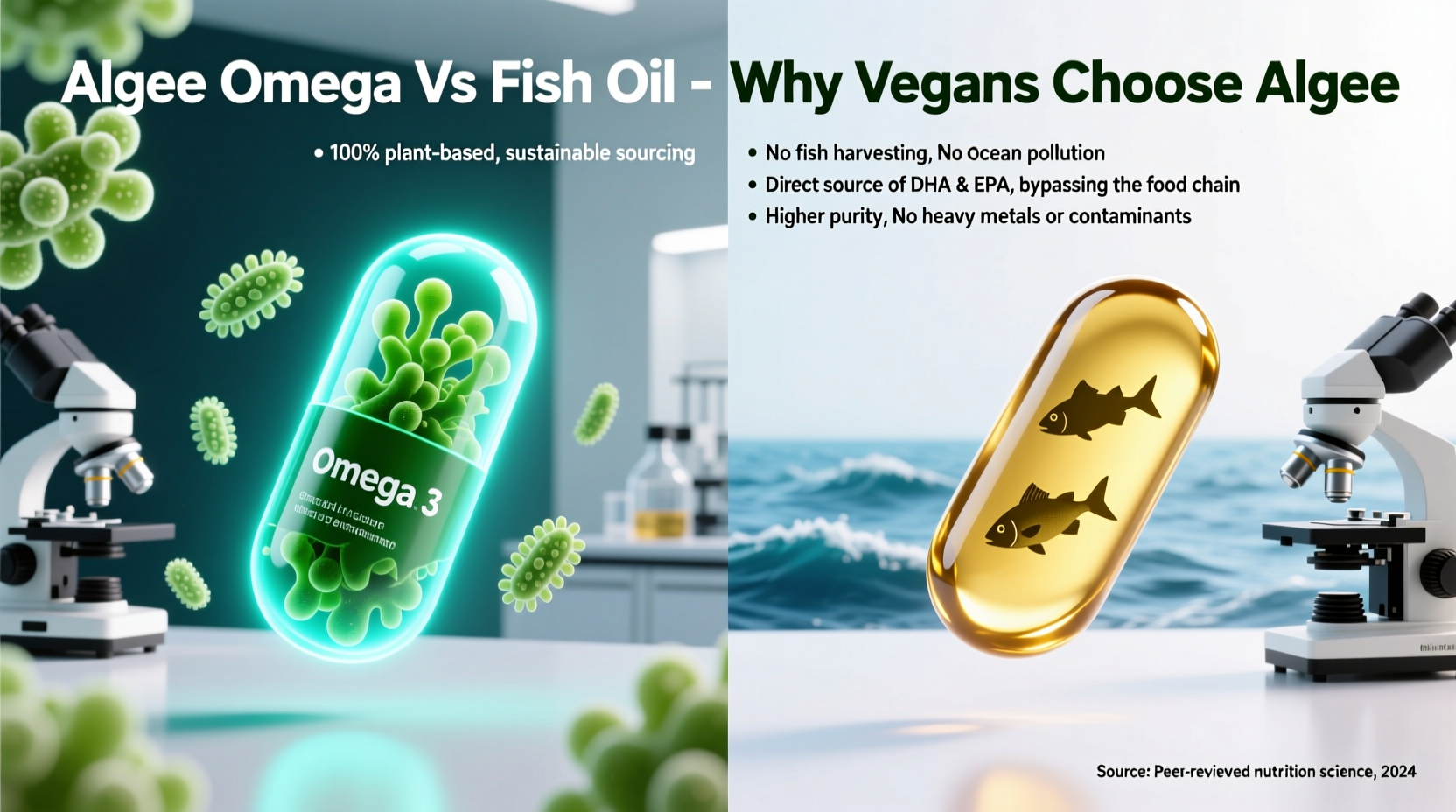
Fish don’t produce EPA and DHA—the two most beneficial omega-3 fatty acids—on their own. They accumulate them by consuming microalgae or smaller fish that have eaten algae. In essence, fish are middlemen in the omega-3 supply chain. Algae, on the other hand, synthesizes these fatty acids directly through photosynthesis and natural metabolic processes.
This biological fact makes algae the primary producer in the marine omega-3 pathway. When you take an algae oil supplement, you're cutting out the intermediary and sourcing DHA and EPA straight from nature’s origin point. This direct line appeals to those seeking purity, transparency, and reduced environmental impact.
“Algae is the root of the marine food web when it comes to omega-3s. If we can harvest it sustainably, we bypass overfishing and ocean contamination.” — Dr. Lena Torres, Marine Biochemist & Nutritional Researcher
Nutritional Comparison: Algae Oil vs Fish Oil
When comparing algae-based omega-3s to fish oil, the key question is whether they deliver equivalent health benefits. Modern research confirms that algal oil provides bioavailable DHA and, increasingly, EPA at levels comparable to fish-derived sources.
| Feature | Algae Oil | Fish Oil |
|---|---|---|
| DHA Content | High (directly synthesized) | High (accumulated via diet) |
| EPA Content | Moderate to high (strain-dependent) | High (varies by species) |
| Bioavailability | Equivalent to fish oil | Well-established absorption |
| Sustainability | High (controlled cultivation) | Low to moderate (overfishing concerns) |
| Contaminant Risk | Very low (grown in closed systems) | Potential (mercury, PCBs) |
| Dietary Suitability | Vegan, allergen-free | Animal-derived, fish allergy risk |
A 2020 meta-analysis published in Advances in Nutrition concluded that algal oil supplementation raised blood levels of DHA just as effectively as fish oil, with no significant difference in bioconversion rates. As biotech advances, certain algal strains now produce both EPA and DHA, closing the gap between plant-based and marine-sourced supplements.
Why Vegans Choose Algae Omega-3s
Vegans avoid animal products for ethical, environmental, and health reasons. Fish oil, despite its benefits, conflicts with vegan principles because it involves killing marine life—even if sourced as a byproduct of fisheries. Moreover, commercial fishing practices contribute to habitat destruction, bycatch, and disruption of marine ecosystems.
Algae offers a cruelty-free solution. Grown in controlled photobioreactors or fermentation tanks, algal oil production doesn’t require harvesting fish or damaging aquatic environments. It’s scalable, land-efficient, and often powered by renewable energy.
Additionally, many vegans report digestive discomfort or aversion to the taste and aftertaste of fish oil. Algae oil typically has a neutral flavor and causes fewer gastrointestinal side effects, making it more palatable for long-term use.
Environmental Impact: A Clear Advantage
The global demand for omega-3s puts immense pressure on wild fish stocks. The World Wildlife Fund estimates that up to 70% of fish oil comes from small pelagic fish like anchovies and sardines—species critical to marine food webs. Overharvesting these fish destabilizes ecosystems and threatens food security for coastal communities.
In contrast, algae farming uses minimal water and space. One hectare of algal cultivation can yield more omega-3s than hundreds of hectares of ocean trawling. Some producers even capture CO₂ during growth, turning carbon into nutrients—a rare example of regenerative biotechnology.
Real-World Example: How One Vegan Athlete Switched Successfully
Jamal Reed, a professional ultra-marathoner and long-time vegan, struggled with joint inflammation and recovery times after switching away from fish oil. His doctor recommended omega-3 supplementation, but Jamal refused to compromise his ethics.
After researching options, he began taking a high-potency algae-based DHA/EPA blend (1,000 mg daily). Within eight weeks, blood tests showed his omega-3 index rose from 4.2% to 7.8%—well within the optimal range for cardiovascular protection. More importantly, he reported improved sleep quality, faster muscle recovery, and sustained mental clarity during races.
“I used to worry that going fully plant-based meant sacrificing performance,” Jamal said. “Now I know I’m fueling my body while respecting the planet.”
How to Choose the Right Algae Omega-3 Supplement
Not all algae oils are created equal. To get the most benefit, follow this checklist when selecting a product:
- Check the DHA and EPA levels: Aim for at least 250–500 mg combined per serving.
- Verify third-party testing: Look for certifications from NSF, USP, or Informed Choice to ensure purity and potency.
- Review the source strain: Schizochytrium sp. and Ulkenia sp. are common high-yield strains.
- Examine the capsule material: Ensure it’s vegan (e.g., pullulan or cellulose), not gelatin.
- Store properly: Algae oil is sensitive to heat and light—keep it refrigerated after opening.
Frequently Asked Questions
Is algae oil as effective as fish oil?
Yes. Numerous clinical studies confirm that algae-derived DHA raises blood omega-3 levels as effectively as fish oil. EPA content is catching up thanks to advances in strain engineering.
Can I get enough omega-3s from flaxseed or chia instead?
Flaxseeds, chia, and walnuts contain ALA, a precursor to DHA and EPA. However, the human body converts ALA inefficiently—often less than 5% becomes DHA. Relying solely on ALA-rich foods may leave you deficient, especially if you’re vegan or have increased needs due to age or stress.
Is algae oil safe during pregnancy?
Yes. Algae oil is considered safe and beneficial during pregnancy, particularly for fetal brain development. Many prenatal vitamins now include algal DHA as a vegan-friendly alternative to fish oil. Always consult your healthcare provider before starting any supplement.
Final Thoughts: The Future of Omega-3 Supplementation
The rise of algae-based omega-3s isn’t just a trend—it’s a necessary evolution. As awareness grows about ocean depletion, food chain toxins, and dietary ethics, more people are recognizing that sustainability and health don’t have to be trade-offs.
Vegans aren’t “obsessed” with algae omega-3s out of ideology alone. They’re responding to science, ecology, and personal wellness in a holistic way. By choosing algae, they access a clean, direct, and future-proof source of essential fats—one that aligns with compassion and planetary stewardship.
Whether you're vegan or simply looking for a cleaner omega-3 option, algae oil stands as a viable, evidence-backed alternative to fish oil. The ocean’s deepest secret was never in the fish—it was in the tiny plants at the base of the food web all along.




 浙公网安备
33010002000092号
浙公网安备
33010002000092号 浙B2-20120091-4
Comments
No comments yet. Why don't you start the discussion?