
When a recipe calls for nutmeg and the spice jar is empty, many home cooks reach for the next best thing—often without understanding the subtle but significant differences between closely related spices. Among the most effective and overlooked substitutes is mace, a spice that shares a botanical origin with nutmeg yet possesses its own distinct profile. Understanding how to replace nutmeg with mace isn’t merely about convenience; it’s about leveraging a deeper knowledge of spice botany and flavor dynamics to maintain balance in both sweet and savory dishes. Unlike generic substitutions that risk altering a dish’s character, mace offers a seamless transition when used correctly, making it one of the most intelligent swaps in a cook’s arsenal.
Definition & Overview
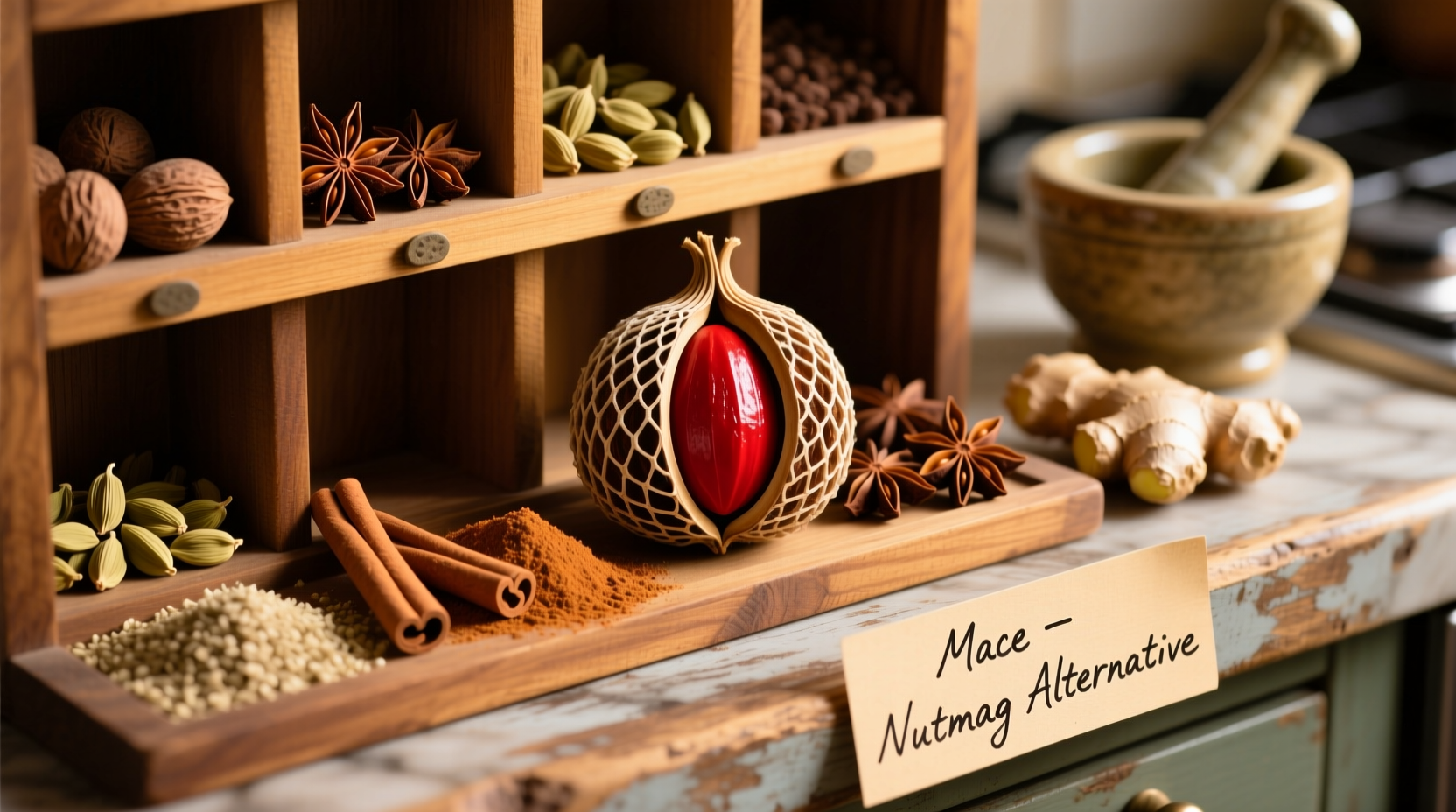
Nutmeg and mace originate from the same tropical evergreen tree, Myristica fragrans, native to the Banda Islands in Indonesia. While nutmeg refers to the seed of the fruit, mace is the lacy, reddish aril—the web-like membrane—that surrounds the seed. Once harvested, this aril is carefully separated, dried, and sold either as whole \"blades\" or ground powder. Despite coming from the same source, the two spices differ in potency, aroma, and application.
Mace is often described as more delicate and slightly more pungent than nutmeg, with citrusy, floral, and warm notes that carry a sharper edge. Its historical value once rivaled that of gold, and during the colonial spice trade, control over mace-producing regions sparked international conflicts. Today, it remains a staple in both regional cuisines—such as Indian, Caribbean, and Dutch—and in refined Western baking and charcuterie. Because of its shared lineage with nutmeg, mace serves as an excellent substitute, but only when applied with precision and awareness of its unique characteristics.
Key Characteristics
| Characteristic | Mace | Nutmeg |
|---|---|---|
| Source | Aril surrounding the nutmeg seed | Seed of the Myristica fragrans fruit |
| Flavor Profile | Bright, warm, slightly citrusy, with sharp floral notes | Sweet, woody, earthy, with creamy warmth |
| Aroma | Pungent, aromatic, with hints of cinnamon and clove | Rich, deep, subtly camphorous when fresh |
| Color (Ground) | Golden-orange to light rust | Warm tan to pale brown |
| Heat Level | None (warming sensation only) | None (warming sensation only) |
| Culinary Function | Enhances complexity, adds brightness to sauces and baked goods | Provides depth and sweetness to custards, meats, and vegetables |
| Shelf Life (Whole) | 3–4 years if stored properly | 3–4 years if stored properly |
| Shelf Life (Ground) | 1–2 years | 1–2 years |
The structural relationship between mace and nutmeg means they are not interchangeable on a blind 1:1 basis. Mace tends to be more potent by volume, especially when used in delicate applications like béchamel or custard. Its brighter top notes can dominate if overused, while underuse may fail to deliver the warmth expected from nutmeg-based recipes.
Practical Usage: How to Replace Nutmeg with Mace
Substituting mace for nutmeg requires attention to form, dosage, and dish type. The goal is not to replicate nutmeg exactly—but to preserve the intended aromatic balance of the recipe.
Substitution Ratios
- Ground mace for ground nutmeg: Use ¾ teaspoon of ground mace for every 1 teaspoon of ground nutmeg. This accounts for mace’s higher volatility and sharper aroma.
- Whole mace blade for whole nutmeg: One mace blade equals approximately half a nutmeg seed in strength. For recipes requiring grated whole nutmeg, use two blades of mace per small seed.
- In liquid-based dishes (soups, stews, poaching liquids): Whole mace blades can be used directly and removed before serving, much like a bay leaf. One blade imparts robust flavor over time.
Best Applications for Mace as a Nutmeg Substitute
Dairy-Based Sauces and Custards: Mace excels in béchamel, cheese sauces, and custards due to its ability to cut through richness without overwhelming sweetness. In a classic mac and cheese, replacing half the nutmeg with mace introduces a subtle lift that prevents heaviness. For crème brûlée or vanilla custard, a pinch of ground mace enhances floral notes in the vanilla rather than masking them.
Meat Dishes and Sausages: Traditional European charcuterie—especially Dutch and German recipes—often prefer mace over nutmeg for its cleaner finish. In meatloaf, veal patties, or pork sausages, mace integrates seamlessly, contributing warmth without the earthy sediment common with aged nutmeg. When substituting, start with a 3:4 ratio (mace:nutmeg) and adjust based on freshness and desired nuance.
Baking and Pastry: In spiced cakes, gingerbread, or apple pie, mace can stand in for nutmeg, particularly when paired with allspice or cloves. It works exceptionally well in lighter desserts such as sponge cakes or rice pudding, where its golden hue and bright tone complement rather than dominate. Avoid using full-strength mace in dense, molasses-heavy recipes unless aiming for a more assertive profile.
Pro Tip: Toasting whole mace blades lightly in a dry pan before grinding enhances their essential oils and mellows any harshness. Cool completely before grinding for maximum aroma retention. A coffee grinder dedicated to spices works best for fine, consistent powder.
Professional Techniques
In restaurant kitchens, chefs often layer mace and nutmeg to create multidimensional spice profiles. A technique used in high-end French cuisine involves infusing cream or milk with a mace blade before making a soufflé base. The infused liquid is strained, removing the blade, then combined with other ingredients. This method extracts mace’s volatile compounds gently, avoiding bitterness from over-extraction.
Another advanced approach: blending ground mace with a touch of finely grated orange zest to mimic nutmeg’s warmth and subtle citrus undertones. This mixture can replace nutmeg entirely in pastry creams or whipped ganache, offering a fresher, more modern interpretation.
Variants & Types of Mace
Mace is available in several forms, each suited to different culinary purposes:
- Whole Mace Blades (or \"Flowers\"): These are the dried arils in their original shape—thin, irregular, and papery. They are ideal for infusions, pickling, and long-simmered dishes. Grenadian and Indonesian mace blades are considered premium, with a more balanced aroma.
- Ground Mace: Convenient for baking and quick sauces. However, ground mace loses potency faster than whole blades. Always check the production date and store in an airtight container away from light.
- Blade Grades (Type I and II): Type I mace consists of larger, brighter blades with superior oil content. Type II is smaller, darker, and often more affordable. For substitution purposes, Type I delivers a cleaner, truer flavor.
- Imitation Mace: Rare but present in low-cost blends, this refers to ground nutmeg dyed to resemble mace. It lacks the authentic top notes and should be avoided. Always purchase from reputable spice merchants who disclose sourcing.
For optimal results in replacing nutmeg, whole blades offer greater control and freshness. Grind only what you need using a microplane or spice grinder. Pre-ground mace may save time but sacrifices aromatic complexity within weeks of opening.
Comparison with Similar Ingredients
While mace is the closest relative to nutmeg, it is frequently confused with other warm spices. Clarifying these distinctions ensures accurate substitution and informed cooking.
| Spice | Relation to Mace/Nutmeg | Key Differences |
|---|---|---|
| Allspice | Unrelated (from Pimenta dioica) | Bolder, combines notes of clove, cinnamon, and nutmeg; sweeter and less floral than mace |
| Cinnamon | Unrelated (inner bark of Cinnamomum trees) | Sweeter, woodier, lacks the citrus-floral lift of mace; better in high-sugar applications |
| Cloves | Unrelated (dried flower buds) | Sharper, more medicinal; overpowering if substituted directly for mace or nutmeg |
| Ginger | Unrelated (rhizome) | Pungent and spicy with heat; provides warmth but no floral or nutty notes |
| Nutmeg | Same plant, different part | More rounded, creamy, and earthy; mace is brighter and slightly more intense |
“Mace is nutmeg’s aromatic shadow—lighter in color but bolder in presence. In my kitchen, we use it when we want warmth without weight.” — Chef Lila Moreau, Executive Pastry Director, Maison Lumière
Practical Tips & FAQs
Can I use mace in place of nutmeg in all recipes?
Mostly yes, but with adjustments. Delicate custards, mashed potatoes, and creamed spinach benefit from reduced quantities (¾:1 ratio). In hearty stews or spice blends, mace can be used at a 1:1 ratio if balanced with a touch of cinnamon or allspice to round out the profile.
Does mace have psychoactive properties like nutmeg?
Both contain myristicin, a compound that can cause hallucinations in very high doses (far beyond culinary use). At normal seasoning levels—typically under 1/4 teaspoon—neither poses a risk. However, avoid consuming raw mace or nutmeg in large amounts.
How should I store mace to preserve freshness?
Store whole mace blades in an airtight glass jar, away from heat and sunlight. Ground mace should be used within six months of opening. For long-term storage, keep in the freezer to slow oxidation.
Is mace safe for pregnant women?
In culinary amounts, yes. However, concentrated extracts or supplements containing myristicin should be avoided during pregnancy. As always, consult a healthcare provider for personalized advice.
What dishes showcase mace best?
Mace shines in:
- Classic Dutch pea soup (snert)
- Indian biryanis and kormas (where it’s called “javitri”)
- German kartoffelpuffer (potato pancakes)
- English mince pies and spiced biscuits
- French velouté sauces
Can I grow my own mace?
Only in tropical climates (USDA zones 10–12). Myristica fragrans requires high humidity, consistent warmth, and takes 7–9 years to bear fruit. Most consumers rely on imported, sustainably harvested mace from Indonesia, Grenada, and India.
Quick Substitution Checklist
- Identify the form of nutmeg required (whole or ground).
- Select the corresponding mace form (blade or powder).
- Adjust quantity: use ¾ the amount of mace compared to nutmeg.
- Taste and adjust—especially in dairy or delicate sauces.
- Store unused mace properly to retain potency.
Summary & Key Takeaways
Mace is not just a backup for nutmeg—it is a sophisticated spice in its own right, capable of elevating dishes with precision and elegance. Derived from the same fruit, mace offers a brighter, more floral alternative that works best when substitution ratios are respected and culinary context is considered.
Key points to remember:
- Mace and nutmeg come from the same plant but are different parts with distinct flavor profiles.
- Use ¾ teaspoon of mace for every 1 teaspoon of nutmeg to avoid overpowering a dish.
- Whole mace blades are superior for infusions and long-cooked recipes.
- Mace excels in dairy sauces, meat preparations, and light pastries where clarity of flavor matters.
- Store mace properly to preserve its volatile oils and extend shelf life.
- Understanding the nuances between related spices transforms substitution from guesswork into an art.
Replacing nutmeg with mace is more than a pantry workaround—it’s an opportunity to refine your palate and deepen your command of spice. By treating mace not as a substitute but as a complementary tool, cooks gain access to a broader spectrum of warmth, aroma, and balance. Whether reviving a family recipe or developing a new sauce, the choice between nutmeg and mace should be intentional, informed, and ultimately, delicious.




 浙公网安备
33010002000092号
浙公网安备
33010002000092号 浙B2-20120091-4
Comments
No comments yet. Why don't you start the discussion?