
Curry powder is a staple in many home kitchens, prized for its warm, earthy depth and convenience. But it’s not a traditional ingredient in most South Asian cuisines—it’s largely a Western invention designed to replicate complex regional spice profiles with a single blend. When you're out of curry powder or seeking more authentic, nuanced flavor, knowing what alternatives exist—and how to use them—can elevate your cooking significantly. Whether you’re aiming for bold heat, floral aroma, or deep umami richness, a range of whole spices, regional blends, and single-origin seasonings can step in seamlessly. Understanding these substitutes empowers cooks to move beyond generic flavor packets and embrace the true diversity of global spice traditions.
Definition & Overview
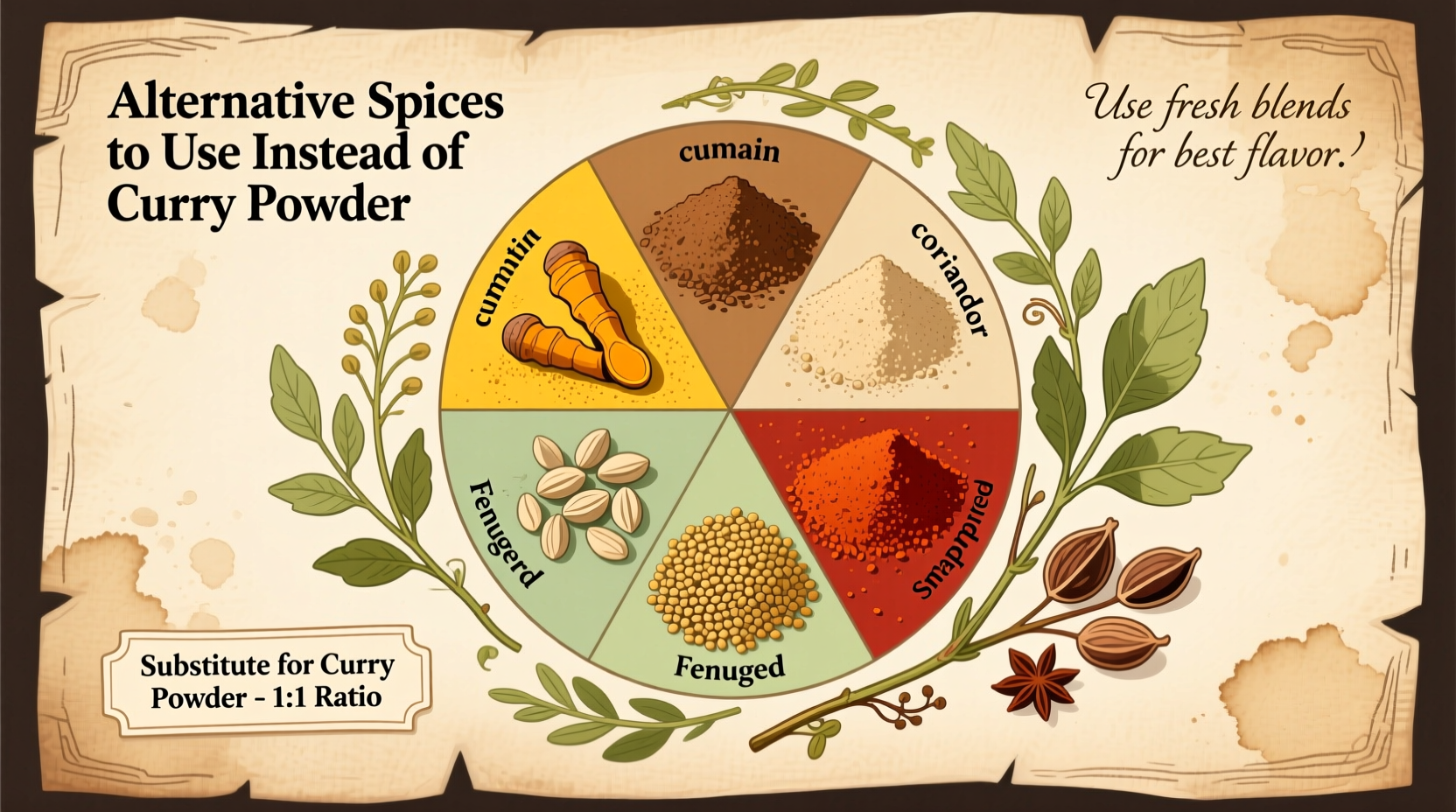
Curry powder, as commonly found on supermarket shelves, is a pre-mixed blend of ground spices typically including turmeric, coriander, cumin, fenugreek, ginger, and sometimes chili or mustard. It originated during the British colonial era in India as an attempt to bottle the essence of Indian cuisine for Western palates. While convenient, commercial curry powders often lack balance and freshness, relying heavily on turmeric for color and offering a one-dimensional “curry” taste.
True Indian, Southeast Asian, and Middle Eastern cooking rarely uses this blend. Instead, dishes rely on customized combinations of whole or freshly ground spices tailored to specific recipes. Substituting curry powder means tapping into this deeper culinary logic—using authentic spice blends or individual components that reflect regional authenticity and layered flavor development.
Key Characteristics of Curry Powder
| Characteristic | Description |
|---|---|
| Flavor Profile | Earthy, warm, slightly bitter; dominated by turmeric and cumin, often with mild sweetness from coriander or fenugreek. |
| Aroma | Dusty, toasted, slightly pungent due to turmeric and dried garlic/onion powders in commercial blends. |
| Color | Bright yellow-orange, primarily from high turmeric content. |
| Heat Level | Mild to moderate; depends on added chili or black pepper. |
| Culinary Function | Base seasoning for stews, soups, rice dishes, roasted vegetables, and proteins. |
| Shelf Life | 6–12 months if stored in a cool, dark place; loses potency over time. |
Why Substitute Curry Powder?
Relying solely on curry powder limits flavor complexity and authenticity. Most blends are formulated for mass appeal, sacrificing nuance for consistency. Freshly assembled spice mixes offer superior aroma, depth, and control. Additionally, dietary preferences, allergies (e.g., gluten fillers), or unavailable ingredients may necessitate substitution. By understanding the role curry powder plays in a dish—color, warmth, bitterness, earthiness—you can recreate its function with greater precision using targeted alternatives.
Best Alternative Spices & Blends
1. Garam Masala
A cornerstone of North Indian cuisine, garam masala is a warming blend usually composed of cinnamon, cardamom, cloves, black pepper, nutmeg, and bay leaf. Unlike curry powder, it contains little to no turmeric, so it won’t provide the same yellow hue. However, it delivers aromatic depth and complexity ideal for finishing dishes like curries, lentils, and braised meats.
- Use: Add ½ to 1 teaspoon at the end of cooking to preserve volatile oils.
- Ratio: Replace 1 tsp curry powder with ¾ tsp garam masala + ¼ tsp turmeric for color.
- Best For: Butter chicken, korma, dal, potato dishes.
2. Ras el Hanout
This North African blend—meaning “top of the shop”—is a luxurious mix of up to 30 spices, including rose petals, cubeb pepper, allspice, and lavender. Commercial versions vary widely, but all share a floral, slightly sweet, and deeply aromatic profile.
- Use: Ideal for tagines, roasted vegetables, lamb, and couscous.
- Ratio: Substitute 1:1 for mild curry powder, but reduce if the blend includes hot chilies.
- Note: Does not contain turmeric; add separately for color.
Pro Tip: Blend ras el hanout with a pinch of saffron and turmeric to mimic both the fragrance and golden hue of curry powder in rice dishes.
3. Madras Curry Powder (Authentic Style)
Ironically, one of the best substitutes is a higher-quality version of what you’re replacing. Authentic Madras curry powder—distinct from generic blends—is spicier, brighter, and more balanced, featuring tamarind, mustard seeds, and extra chilies.
- Use: In coconut-based curries, seafood stews, and vegetable stir-fries.
- Ratio: Use 1:1, but taste as you go—authentic versions are more potent.
4. Panch Phoron (Five-Spice Blend)
A Bengali whole-spice blend consisting of equal parts fenugreek seeds, nigella seeds, cumin seeds, black mustard seeds, and fennel seeds. It’s used in tempering (tadka) rather than grinding, offering a sharp, nutty, slightly bitter foundation.
- Use: Heat oil, crack the spices, then add onions or vegetables.
- Best For: Lentil soups (dal), stir-fried greens, eggplant dishes.
- Limitation: Not a direct substitute for ground curry powder but excellent for building flavor from the start.
5. Chinese Five-Spice Powder
Though rooted in Chinese cuisine, this blend—star anise, cloves, cinnamon, Sichuan pepper, and fennel seed—can work in fusion applications where curry powder adds warmth and sweetness.
- Use: In marinades for tofu, duck, or roasted squash.
- Caution: Lacks earthiness; pair with smoked paprika or cumin to compensate.
Variants & Types of Regional Spice Blends
Instead of a single universal replacement, consider the regional context of your dish. Different cuisines employ distinct blends that fulfill similar roles to curry powder but with unique character.
| Blend | Origin | Key Ingredients | When to Use |
|---|---|---|---|
| Tandoori Masala | North India | Paprika, cumin, coriander, garlic, fenugreek, amchur (mango powder) | Marinating chicken, fish, or paneer; grilling or baking |
| Berberé | Ethiopia | Chili peppers, garlic, ginger, fenugreek, korarima, ajwain | Doro wat (stewed chicken), lentil dishes |
| Thai Red Curry Paste | Thailand | Shallots, garlic, lemongrass, galangal, chilies, shrimp paste | Coconut milk-based curries, noodle soups |
| Chaat Masala | India | Amchur, cumin, black salt, coriander, ginger, asafoetida | Fruit salads, snacks, yogurt raita (adds tang, not heat) |
Single Spices That Replicate Curry Powder Components
If blends aren't available, reconstruct curry powder from individual spices. This approach offers maximum control and freshness.
- Turmeric: Provides color and earthy bitterness. Use ¼ tsp per serving as base.
- Coriander Seed (ground): Sweet, citrusy, foundational. Use ½ tsp.
- Cumin (ground or whole): Smoky, warm. Toast whole seeds before grinding for intensity.
- Fenugreek (use sparingly): Bitter-sweet, maple-like. Too much becomes medicinal.
- Ginger & Garlic Powder: Add pungency and body; rehydrate with oil or liquid.
- Mustard Seeds: For heat and sharpness, especially in Southern Indian styles.
“The magic of Indian cooking isn’t in a jar—it’s in the order and method of heating spices. Start with oil, bloom whole spices, then layer in ground ones. That sequence builds flavor no premade blend can match.” — Priya Krishnan, Chef & Culinary Instructor, Mumbai to London
Comparison with Similar Ingredients
Many spices and blends are mistaken for curry powder or used interchangeably, but key differences affect outcomes.
| Ingredient | Difference from Curry Powder | Substitution Advice |
|---|---|---|
| Curry Leaves | Fragrant herb, not a spice blend; citrusy, nutty when fried in oil. | Add 5–6 fresh leaves to tempering oil; cannot replace curry powder alone. |
| Ground Turmeric | One component of curry powder; lacks complexity. | Use only with other spices; never as sole substitute. |
| Colombo Powder | Caribbean variant, heavier on allspice and cinnamon. | Good 1:1 swap in stews, but expect sweeter, spiced notes. |
| Harissa | North African chili paste, not dry; very hot and smoky. | Use ½ tsp harissa + ¼ tsp cumin + turmeric to simulate heat and depth. |
Practical Tips & FAQs
Can I make my own curry powder substitute?
Yes—and you should. Combine 2 tbsp coriander seeds, 1 tbsp cumin seeds, 1 tsp turmeric, 1 tsp mustard seeds, ½ tsp fenugreek seeds, 1-inch cinnamon stick, and 2 green cardamom pods. Dry roast until fragrant, cool, then grind. Store in an airtight jar for up to 3 months.
How much should I use when substituting?
Start with ¾ the amount of the original curry powder measurement. Taste and adjust. Potency varies widely between blends and homemade mixes.
Does the substitute change cooking technique?
Yes. Whole-spice blends like panch phoron require tempering in hot oil first. Ground blends like garam masala burn easily and are best added mid-to-late in cooking. Always respect the form of the spice.
What dishes work best with substitutes?
- Garam Masala: Creamy curries, rice pilafs, roasted squash.
- Ras el Hanout: Lamb tagine, chickpea stews, grilled eggplant.
- Madras Curry Powder: Coconut-based seafood curries, dhal tadka.
- Chinese Five-Spice: Stir-fried tofu, glazed carrots, noodle bowls.
How do I store homemade blends?
Keep in dark glass jars away from heat and sunlight. Grind in small batches for peak flavor. Whole spices last up to a year; ground blends lose potency within 3–6 months.
Storage Hack: Label jars with purchase or grind date. Place a whole clove inside the container—its strong aroma helps deter moisture and pests.
Are there allergen concerns with substitutes?
Some commercial blends contain gluten (as anti-caking agent) or sulfites (in dried garlic). Always check labels. Homemade versions are safest for sensitive diets.
Can I use fresh spices instead of dried?
Fresh aromatics like ginger, garlic, and green chilies enhance dishes but don’t replace dried ground spices. Use them alongside—e.g., fresh ginger with ground coriander—to build layered flavor.
Case Study: Transforming a Basic Chickpea Stew
A standard recipe calls for 1 tbsp curry powder in a chickpea and spinach stew. Using a substitute blend dramatically improves depth:
- Heat 2 tbsp coconut oil in a pot.
- Add 1 tsp cumin seeds and ½ tsp mustard seeds; sizzle 30 seconds.
- Add chopped onion, garlic, and ginger; sauté until golden.
- Stir in 1 tsp ground coriander, ½ tsp turmeric, and ¼ tsp cayenne.
- Add tomatoes, chickpeas, and vegetable stock; simmer 20 minutes.
- Finish with ½ tsp garam masala and lemon juice.
The result? A richer, more aromatic stew with evolving flavor—earthy, warm, and subtly sweet—far surpassing the flatness of store-bought curry powder.
Summary & Key Takeaways
Curry powder is a starting point, not a destination. Replacing it with thoughtful alternatives unlocks deeper, more authentic flavors. The best substitutes depend on the dish’s origin, desired heat level, and color requirements. Garam masala, ras el hanout, and homemade blends offer superior complexity, while single spices allow customization.
Remember: the goal isn’t just to swap one powder for another, but to understand the role each spice plays—color from turmeric, warmth from cumin, aroma from cardamom, heat from chilies. When you build flavor intentionally, your cooking transcends imitation and enters the realm of true culinary expression.
Final Advice: Keep a small collection of core spices—cumin, coriander, turmeric, cinnamon, cardamom—and combine them freely. Over time, you’ll develop intuition for balancing flavors without relying on pre-made blends.




 浙公网安备
33010002000092号
浙公网安备
33010002000092号 浙B2-20120091-4
Comments
No comments yet. Why don't you start the discussion?