
The human body is designed to respond to threats with speed and intensity. When danger appears, the nervous system triggers a survival mechanism known as the \"fight or flight\" response. This physiological reaction prepares the body to either confront or escape a threat by releasing stress hormones like adrenaline and cortisol. While essential for survival in acute situations—like avoiding an oncoming car—this system becomes problematic when it stays activated long after the danger has passed. Many people today live in a near-constant state of hyperarousal, feeling anxious, irritable, or overwhelmed without a clear cause. Understanding why this happens and learning how to regulate your nervous system can transform your mental and physical well-being.
The Science Behind Fight or Flight
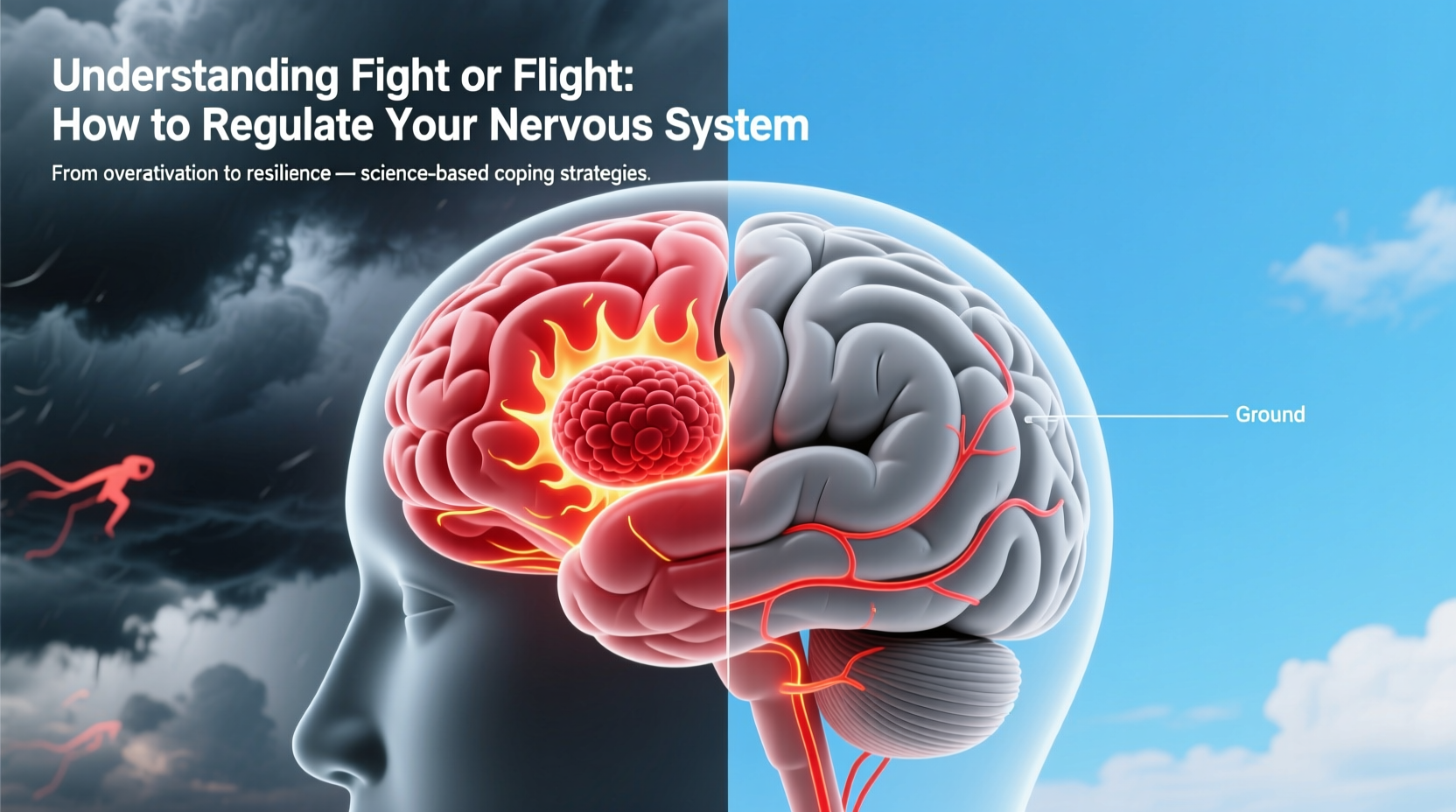
The fight or flight response is orchestrated by the autonomic nervous system (ANS), which operates automatically to manage heart rate, breathing, digestion, and other vital functions. Within the ANS, two branches play opposing roles: the sympathetic nervous system (SNS) and the parasympathetic nervous system (PNS).
When a perceived threat arises, the SNS activates, increasing heart rate, sharpening focus, redirecting blood flow to muscles, and suspending non-essential processes like digestion. This surge of energy is meant to be short-lived. Once the threat passes, the PNS—the “rest and digest” system—should take over, returning the body to baseline.
However, modern life presents a different kind of threat—one that doesn’t require physical action but still triggers the same biological alarm. Deadlines, financial worries, social conflicts, and even constant digital notifications can signal danger to the brain. Over time, repeated activation without adequate recovery leads to a condition known as chronic sympathetic dominance, where the body remains stuck in high alert.
“Chronic stress keeps the body in survival mode, impairing immune function, memory, and emotional regulation.” — Dr. Sarah Thompson, Neurobiologist and Stress Researcher
Why You Might Be Stuck in Survival Mode
Several factors contribute to prolonged activation of the fight or flight response:
- Early life trauma or adverse childhood experiences (ACEs): The nervous system may become sensitized early in life, leading to heightened reactivity to stress later on.
- Chronic stress at work or home: Unrelenting demands without sufficient downtime prevent the nervous system from resetting.
- Poor sleep habits: Sleep is critical for nervous system recovery. Insufficient or disrupted sleep perpetuates stress cycles.
- Lack of physical movement or excessive exercise: Sedentary lifestyles reduce the body’s ability to metabolize stress hormones, while overtraining can further tax the system.
- Diet and substance use: High sugar intake, caffeine, alcohol, and nicotine can all amplify sympathetic activity.
In some cases, individuals develop what is known as a \"hypervigilant nervous system,\" where even neutral stimuli—like a coworker's tone of voice or a sudden noise—are interpreted as threats. This isn't a sign of weakness; it's a biological adaptation gone awry due to prolonged exposure to stressors.
Recognizing the Signs of Chronic Activation
You may be living in fight or flight mode if you regularly experience any of the following:
| Symptom Category | Physical Signs | Emotional & Cognitive Signs |
|---|---|---|
| Common Indicators | Rapid heartbeat, muscle tension, headaches, digestive issues, fatigue | Anxiety, irritability, difficulty concentrating, racing thoughts, sense of impending doom |
| Long-Term Effects | Weakened immunity, high blood pressure, insomnia, hormonal imbalances | Depression, emotional numbness, burnout, relationship strain |
How to Regulate Your Nervous System: A Step-by-Step Guide
Rebalancing your nervous system isn’t about eliminating stress entirely—it’s about restoring resilience and flexibility. Here’s a practical sequence to help shift out of survival mode:
- Pause and Name the State: When you feel agitated, pause and acknowledge, “I’m in fight or flight right now.” Labeling the state reduces its power and activates the prefrontal cortex, the brain’s rational center.
- Engage the Vagus Nerve: The vagus nerve is the main component of the parasympathetic system. Activate it through slow, deep breathing (e.g., inhale for 4 counts, exhale for 6), humming, gargling, or cold exposure (like splashing your face with cold water).
- Ground Through the Senses: Use the 5-4-3-2-1 technique: Identify 5 things you see, 4 you can touch, 3 you hear, 2 you smell, and 1 you taste. This brings awareness back to the present.
- Move Gently: Instead of intense workouts, try walking, stretching, or yoga. Gentle movement helps discharge stored tension without further stressing the body.
- Establish Daily Reset Routines: Schedule short breaks throughout the day to breathe, hydrate, or step outside. Consistency matters more than duration.
Real-Life Example: Recovering from Burnout
Mark, a 38-year-old project manager, began experiencing panic attacks despite no major crises at work. He was sleeping poorly, snapping at his family, and constantly checking emails late into the night. After consulting a therapist, he learned that years of overwork had conditioned his nervous system to stay on high alert—even during weekends and vacations.
He started small: five minutes of diaphragmatic breathing each morning, a daily 20-minute walk without his phone, and a strict bedtime routine. Within six weeks, his resting heart rate decreased, and he reported feeling “lighter.” By prioritizing nervous system regulation over productivity, Mark regained emotional stability and improved his relationships.
Action Checklist: Reclaiming Calm
To begin shifting out of chronic fight or flight, implement these steps consistently:
- Practice box breathing (4-in, 4-hold, 4-out, 4-hold) for 3 minutes daily
- Limit caffeine to one serving before noon
- Set a digital curfew 60 minutes before bed
- Schedule one “nervous system reset” break every 90 minutes during work
- Try one grounding technique when feeling overwhelmed
- Seek support from a trauma-informed therapist if past experiences are affecting your present state
Frequently Asked Questions
Can being in fight or flight mode cause long-term health problems?
Yes. Chronic activation of the stress response is linked to hypertension, weakened immunity, digestive disorders, anxiety, depression, and increased risk of cardiovascular disease. The body isn’t designed to operate under sustained stress.
Is it possible to reverse years of nervous system dysregulation?
Absolutely. The nervous system is plastic, meaning it can adapt and heal with consistent practice. Techniques like mindfulness, somatic therapy, breathwork, and safe social connection have been shown to restore balance over time.
What’s the difference between anxiety and fight or flight mode?
Anxiety is a psychological experience often rooted in future-oriented worry. Fight or flight is the underlying physiological process that can drive anxiety. You can have one without the other, but they frequently coexist. Addressing the biology can significantly reduce anxious feelings.
Conclusion: Take Back Control of Your Nervous System
Living in a perpetual state of fight or flight isn’t inevitable. It’s a sign that your body is trying to protect you—but it needs your help to stand down. By understanding the mechanisms behind stress and applying simple, science-backed tools, you can retrain your nervous system to respond rather than react. Start with one small habit: a breathing exercise, a mindful pause, or a tech-free evening. These moments of regulation accumulate into lasting change. Your body isn’t broken; it’s been overworked. With patience and consistency, you can return to a state of safety, clarity, and resilience.




 浙公网安备
33010002000092号
浙公网安备
33010002000092号 浙B2-20120091-4
Comments
No comments yet. Why don't you start the discussion?