
Anime figure collecting has grown from a niche hobby into a global passion, with fans investing time and money into curating displays of their favorite characters. For beginners, the excitement can quickly lead to overspending—especially when buying from third-party resellers. Limited editions, high demand, and scalping practices often inflate prices far beyond retail. Without proper knowledge, new collectors risk paying double—or even triple—the original cost for figures that may not be worth it.
The key to building a sustainable, satisfying collection lies in awareness, patience, and strategy. This guide breaks down practical methods to help you make informed purchases, avoid common pitfalls, and protect your budget while still enjoying the thrill of the hunt.
Understand the Market Before You Buy
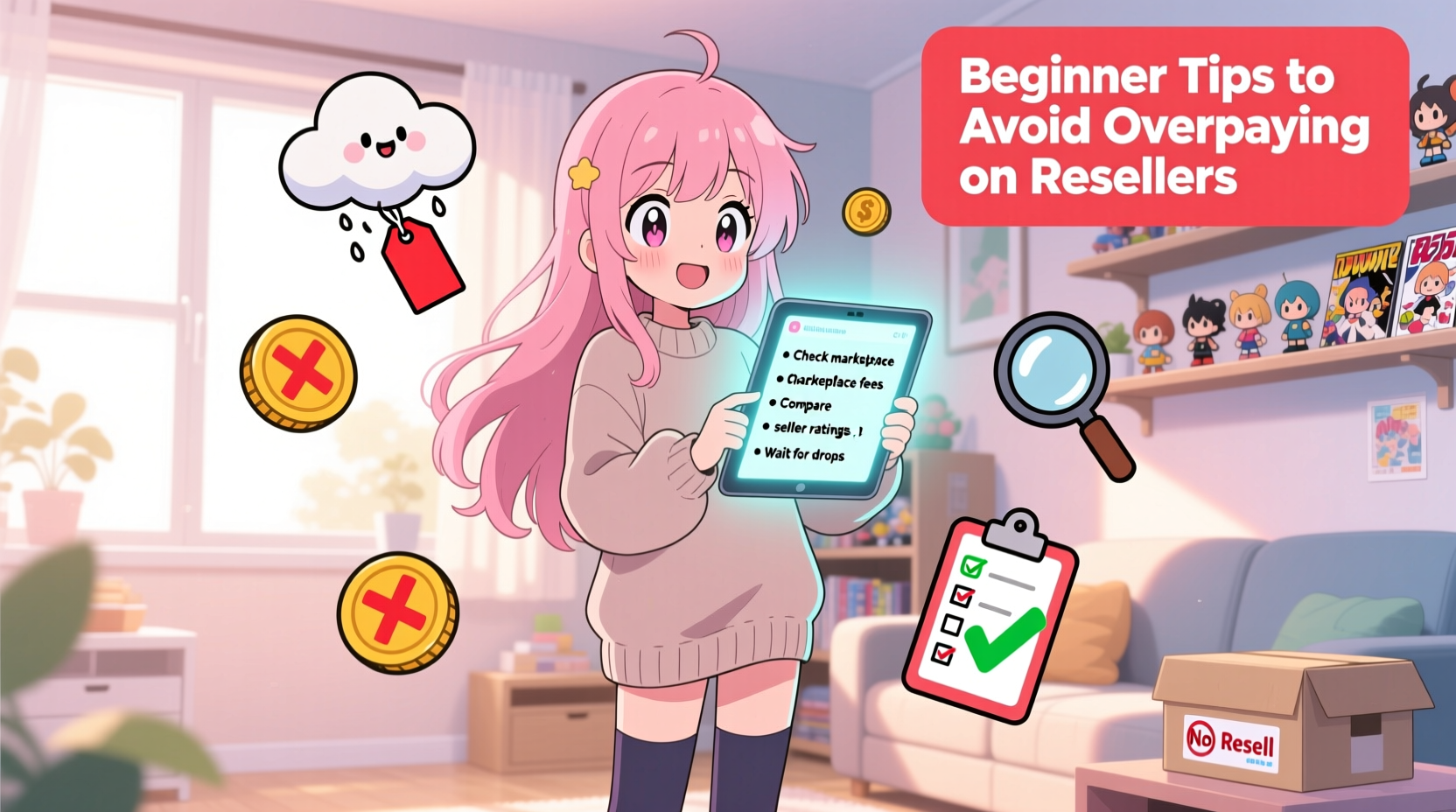
The anime figure market operates on supply and demand dynamics, but unlike traditional collectibles, many items are mass-produced with staggered releases. However, certain manufacturers like Good Smile Company, Alter, or Kotobukiya sometimes release limited runs or exclusive versions through events like Comiket or Animate stores, creating artificial scarcity.
Beginners often assume rarity equals value, but this isn’t always true. A figure labeled “limited edition” might only have a slightly smaller production run than standard versions—and its resale markup may not reflect long-term appreciation. In fact, most anime figures do not increase in value over time unless they’re discontinued, highly sought after, or part of a legacy series.
Before making any purchase, spend time learning about:
- Manufacturers and their reputation for quality
- Differences between scale figures, Nendoroids, Figma, and garage kits
- Typical retail price ranges (usually $50–$150 for standard 1/8 scale)
- Release cycles—many figures are re-released or get reprints
Set a Budget and Stick to It
One of the fastest ways to overspend is impulse buying. The allure of a beautifully sculpted character from your favorite series can override rational decision-making. To prevent regret later, define a clear spending limit before browsing online marketplaces.
A healthy rule is to allocate no more than 10–15% of your monthly disposable income toward hobbies, including figures, shipping, taxes, and display accessories. For example, if you have $300 in discretionary funds per month, cap your figure spending at $45.
Also consider secondary costs:
- Import fees: Figures shipped from Japan may incur customs duties.
- Shipping insurance: High-value items should be insured, adding 5–10% to the total.
- Display cases: UV protection and dust prevention require investment.
“New collectors often fall for emotional pricing—they pay what the figure means to them, not what it’s worth. That’s how resellers profit.” — Hiro Tanaka, vintage anime collector and moderator of r/Figures on Reddit
Compare Retail vs. Resale: Know What’s Fair
Most new figures debut at a fixed MSRP (Manufacturer's Suggested Retail Price). When bought directly from authorized retailers like AmiAmi, HobbyLink Japan, or Right Stuf Anime, prices are typically within $5–$15 of MSRP, including international shipping.
Resellers, however, often charge premiums based on perceived urgency or exclusivity. A $120 figure might appear for $250+ on eBay or Yahoo Auctions Japan via proxy services. While some markups are justified (e.g., out-of-production items), many are not.
| Situation | Fair Markup | Red Flag |
|---|---|---|
| Newly released, widely available | 0–10% | Any seller charging over MSRP + shipping |
| Out of stock temporarily (backorder open) | 10–20% | Prices doubling without justification |
| Discontinued, no reprint announced | 30–50% | $400+ for a standard scale figure under 3 years old |
| Rare garage kit or convention exclusive | 50–100%+ | No proof of authenticity or event origin |
If a listing exceeds these thresholds, ask why. Is there verified scarcity? Has the manufacturer confirmed no reissue? Or is someone capitalizing on hype?
Step-by-Step Guide to Buying Smartly
Follow this timeline-based approach to ensure you never overpay:
- Week 1: Identify Your Target Figure
Choose one figure to start with. Use sites like MyFigureCollection.net to confirm release date, manufacturer, and average market price. - Week 2: Monitor Official Retailers
Check AmiAmi, CDJapan, Solaris Japan, and Crunchyroll Store weekly. Set up email alerts for restocks. - Week 3: Evaluate Reseller Listings Critically
If unavailable at retail, search completed/sold listings on eBay to see actual sale prices—not asking prices. - Week 4: Decide Whether to Wait or Pay Premium
If current resale prices are above 1.5x MSRP, consider waiting. Many figures drop in price after initial hype fades (often within 6–12 months). - Ongoing: Join Collector Communities
Discord servers, Reddit threads, and Facebook groups often share discount codes, group buy opportunities, and warnings about scam sellers.
Avoid Scams and Overhyped Listings
Not all expensive figures are authentic or well-made. Some resellers exploit beginners by selling:
- Bootlegs disguised as genuine products
- Used or damaged figures as “new”
- Figures with missing parts or poor paint apps
- Photoshopped images with fake lighting or angles
To protect yourself:
- Only buy from sellers with at least 98% positive feedback and 100+ reviews.
- Ask for unedited photos showing packaging, serial numbers, and base details.
- Verify the box has official logos, barcodes, and language matching the region.
- Search the figure’s name + “bootleg” to see comparison guides.
“I once paid $300 for a ‘mint condition’ Fate/stay night Saber, only to realize the face sculpt was off and the paint cracked after two weeks. It was a replica.” — Daniel R., first-time collector from Texas
This experience, shared in a popular anime forum, highlights how crucial due diligence is. Reputable manufacturers use consistent molds and high-grade PVC. If something looks too shiny, too soft, or too perfect in photos, it could be digitally enhanced.
Checklist: Before You Hit 'Buy' on a Reseller Listing
Use this quick checklist to evaluate every potential purchase:
- ✅ Confirmed MSRP and release date via official site
- ✅ Checked multiple retailers for current stock
- ✅ Reviewed recent sold prices on auction platforms
- ✅ Verified seller reputation and return policy
- ✅ Requested additional real-life photos if needed
- ✅ Compared weight and dimensions to detect possible bootlegs
- ✅ Factored in shipping, insurance, and import fees
- ✅ Waited 48 hours after first seeing the listing to avoid impulse buys
Mini Case Study: How Sarah Saved $180 on a Demon Slayer Figure
Sarah, a college student and fan of *Demon Slayer*, wanted a high-quality Nezuko figure. She found a 1/7 scale version priced at $260 on a third-party marketplace. Excited, she almost purchased it—until she remembered reading about price tracking.
She looked up the model number and discovered it was originally sold for $110 by Good Smile Company. It had been reprinted twice in the past year. Checking eBay’s “Sold Items” filter, she saw most transactions were around $130–$150 during sales.
Instead of buying immediately, Sarah set a price alert on several import shops. Six weeks later, AmiAmi restocked it for $124 with free shipping. She got the exact same figure—brand new, sealed, with warranty—for less than half the original reseller price.
Her patience saved her $136, enough to cover two future figures or a premium display case.
Frequently Asked Questions
Are all resellers overcharging?
No—not all resellers are problematic. Some specialize in rare or retired figures and offer authentication services, secure packaging, and buyer protection. The issue arises when common, readily available figures are marked up excessively during launch windows. Always compare against baseline retail value.
Is it ever okay to pay above MSRP?
Yes, but only under specific conditions: the figure is discontinued with no reprint announcement, it’s a true limited edition (e.g., bundled with a manga volume at an event), or it’s part of a retiring series. Even then, avoid paying more than 50–70% above MSRP unless you're certain of long-term value.
How do I know if a figure will go up in value?
Very few anime figures appreciate significantly. Those that do usually meet several criteria: produced by a top-tier studio (e.g., Prime 1 Studio), tied to a culturally iconic series (*Sailor Moon*, *Neon Genesis Evangelion*), made in extremely limited quantities (<1,000 units), and professionally packaged. Most standard mass-market figures depreciate over time.
Build a Collection, Not a Financial Burden
Collecting anime figures should bring joy, not stress. With rising prices and aggressive reselling tactics, beginners must arm themselves with knowledge and discipline. By understanding manufacturer patterns, monitoring fair market values, and resisting impulse decisions, you can build an impressive display without draining your wallet.
Remember: the best collections grow thoughtfully. One well-researched figure per quarter beats five rushed buys that lose value overnight. Prioritize authenticity, condition, and personal connection over trends or social validation.




 浙公网安备
33010002000092号
浙公网安备
33010002000092号 浙B2-20120091-4
Comments
No comments yet. Why don't you start the discussion?