
In the world of anime memorabilia, two categories dominate collector shelves: meticulously crafted anime figures and soft, huggable plush toys. Both evoke nostalgia and fandom pride, but when it comes to long-term value retention and appreciation, they diverge significantly. While plushes offer emotional comfort and accessibility, figures often command higher prices at auctions and resale markets. Understanding the dynamics behind their valuation requires examining production quality, scarcity, demand cycles, and preservation challenges.
The Nature of Value in Collectibles
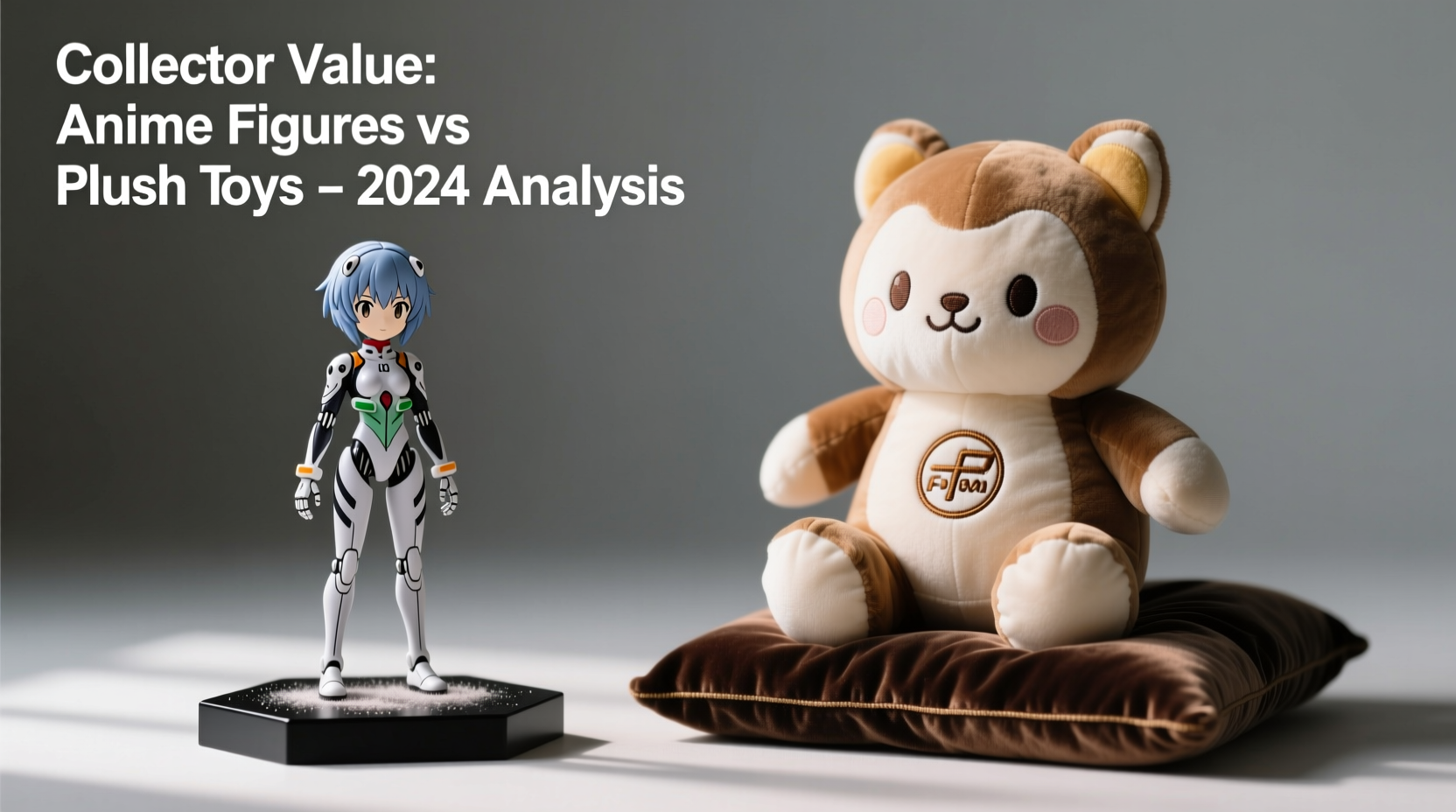
Value in collectibles isn’t solely about price tags—it’s a blend of rarity, condition, cultural relevance, and market sentiment. For anime fans, collecting goes beyond ownership; it's an expression of identity. However, not all items age equally well in terms of monetary worth. The distinction between sentimental and financial value is crucial. A beloved childhood plush may be irreplaceable emotionally, but its resale potential pales in comparison to a limited-edition PVC figure produced in small batches.
Market forces such as licensing changes, studio closures, and shifts in fan demographics also influence longevity. For instance, when a series gains cult status years after release—like *Neon Genesis Evangelion* or *Cowboy Bebop*—demand spikes for related merchandise. But which category benefits most from such surges?
Production Quality and Materials Matter
Anime figures are typically made from polyvinyl chloride (PVC), polystone, or ABS plastic, with intricate paintwork and dynamic poses. High-end manufacturers like Good Smile Company, Kotobukiya, and Alter invest heavily in sculpting accuracy, color fidelity, and articulation. These figures often come in numbered editions, sealed packaging, and include certificates of authenticity—all markers that enhance collectibility.
Plush toys, by contrast, are primarily fabric-based, filled with polyester fiberfill. While some premium plush lines feature embroidered details and high-quality stitching, mass production dilutes exclusivity. Limited-run plushes exist—especially those tied to exclusive events like Comiket or store promotions—but they're rarer than their figure counterparts.
Material Longevity Comparison
| Item Type | Typical Material | Lifespan (Proper Storage) | Susceptibility to Damage |
|---|---|---|---|
| Anime Figures | PVC, ABS, Polystone | 20+ years | Moderate (sunlight fading, chipping) |
| Plush Toys | Polyester fabric, fiberfill | 5–15 years | High (staining, shedding, mold) |
Figures resist environmental wear better than plushes. UV exposure can fade paint, and temperature fluctuations may cause stress cracks, but these issues are manageable with proper display cases. Plushes, however, degrade faster due to fabric breakdown, dust mite accumulation, and irreversible staining—even from clean hands over time.
Rarity and Exclusivity: What Drives Demand?
Scarcity is one of the strongest predictors of long-term value. Items released in limited quantities, especially those sold only at conventions or bundled with first-print Blu-rays, become highly sought after once supply dries up.
Figures frequently leverage this model. For example, the *Fate/stay night [Unlimited Blade Works]* Saber Lily statue by Alter had a production run under 500 units. Originally priced around $300, it now sells for over $2,000 in mint condition. Similarly, the *Sailor Moon* 25th Anniversary Swarovski Crystal Edition figure was restricted to 1,000 pieces worldwide, making it a trophy item among collectors.
While rare plushes do exist—such as the Bandai-exclusive *Lain* wired bear from 1998—they’re less systematically tracked and authenticated. Without serial numbers or official registries, proving provenance becomes difficult, weakening investor confidence.
“Limited editions create urgency. When only 300 exist globally, every owner knows they’re part of a shrinking circle.” — Hiroshi Tanaka, Curator at Tokyo Pop Culture Archive
Case Study: The Rise of the Nendoroid Market
In 2006, Good Smile Company launched the Nendoroid line—chibi-style articulated figures designed for poseability and customization. Initially seen as casual toys, certain early models like the prototype *Hatsune Miku* (No. 001) became legendary. Though originally retailing for ¥3,000 (~$27), unopened versions now fetch over $1,500.
This transformation illustrates how perception evolves. What began as affordable merch evolved into investment-grade collectibles due to consistent branding, incremental rarity (exclusive face plates, bonus accessories), and community-driven documentation. In contrast, no plush line has achieved comparable secondary market consistency.
Preservation Challenges Over Time
Long-term value hinges on condition. A pristine figure in factory-sealed box will always outvalue a used or damaged one. This creates a paradox: enjoying your collection diminishes its financial worth.
Plush toys face greater preservation hurdles. Fabric yellows with age, especially if exposed to light or smoke. Stitches loosen, eyes fall off, and stuffing compacts unevenly. Even stored properly, natural oils from handling accelerate deterioration. Museums preserving textile artifacts use climate-controlled environments—a luxury most collectors lack.
Figures suffer from “soft vinyl syndrome” (SVS), where plasticizers break down, causing stickiness or warping. However, this affects only poorly stabilized resins and can be mitigated with silica gel packs and dark storage. Surface scratches and paint rubs are cosmetic concerns but don’t necessarily destroy value if documented accurately.
Step-by-Step Guide: Preserving Your Collection for Maximum Long-Term Value
- Store sealed items upright in low-humidity areas away from direct sunlight to prevent box degradation.
- Use UV-filtering display cases if showcasing open figures—this protects paint from fading.
- Handle plushes with cotton gloves to minimize oil transfer; rotate them periodically to avoid permanent creasing.
- Document purchases with receipts, packaging photos, and edition numbers—critical for future resale.
- Avoid modifications like repainting or re-wiring; originality trumps personalization in valuation.
Market Trends and Investment Potential
Over the past decade, online marketplaces like Mandarake, AmiAmi, and Yahoo Japan Auctions have democratized access to Japanese collectibles. Data shows a clear trend: high-end figures consistently appreciate, while plush values remain flat or decline unless exceptionally rare.
A 2023 analysis by Collectors Insight Japan found that:
- Top-tier anime figures gained an average of 12% annual value increase over five years.
- Only 7% of plush listings saw any price growth, mostly limited to pre-2000 releases.
- Reissue risk is higher for plushes—companies reprint popular designs decades later, flooding the market.
Moreover, figures benefit from cross-market appeal. They attract not just anime fans but art collectors, pop culture historians, and even interior designers. Limited-run statues sometimes sell at Sotheby’s or Christie’s alongside contemporary art, further legitimizing their status as assets.
Do’s and Don’ts: Collector’s Checklist
| Do’s | Don’ts |
|---|---|
| Buy factory-sealed figures from reputable sellers | Ignore yellowing or cloudiness in plastic |
| Join collector forums to track upcoming releases | Expose plushes to pet hair or cigarette smoke |
| Invest in humidity-controlled storage solutions | Assume all \"rare\" items will appreciate |
| Keep original boxes, manuals, and extras | Display near windows or heating vents |
Emotional vs. Financial Returns
It’s important to acknowledge that not every collector seeks profit. Many prioritize joy, comfort, and connection. A well-loved plush of Gudetama or Jigglypuff brings daily delight, something a fragile figure locked in a case cannot replicate.
However, if long-term value is the goal, figures present a stronger case. Their durability, authentication mechanisms, and established resale ecosystems make them more reliable as appreciating assets. That said, exceptions exist. Vintage Studio Ghibli plushes from the 1990s, particularly those with original tags and distributor labels, have seen growing interest. But these are outliers rather than indicators of a broader trend.
“People collect what moves them. But if you're thinking about legacy or inheritance, figures simply document better and last longer.” — Lena Park, Asian Pop Memorabilia Appraiser
Frequently Asked Questions
Are older plush toys ever valuable?
Yes, but only under specific conditions: they must be from a defunct brand, associated with a discontinued series, or released in extremely limited runs. Examples include early Sanrio Puroland exclusives or promotional plushes from closed anime cafes. Most mass-market plushes, even from the 1990s, retain minimal value unless iconic (e.g., Pikachu from the original Pokémon launch).
Can I increase a figure’s value by customizing it?
Almost never. Custom paint jobs, LED mods, or base upgrades typically reduce resale value because they compromise originality. There are niche markets for artist-modified pieces, but mainstream collectors prefer factory-fresh condition. If you want to customize, duplicate the figure first using a resin cast.
What should I look for when buying secondhand figures?
Check for “play marks”—tiny scratches near joints or hands indicating handling. Inspect paint apps for smudges or bubbles. Verify the edition number matches known production totals. For sealed boxes, examine seam integrity and corner wear. Use magnification tools if possible. Reputable resellers provide 360-degree photos and detailed descriptions.
Final Thoughts: Choosing for the Future
When weighing anime figures against plush toys for long-term value, the evidence favors figures. Superior materials, controlled production, and robust secondary markets position them as the preferred choice for collectors focused on appreciation. They withstand time better, attract broader buyer pools, and benefit from transparent tracking systems.
That doesn’t diminish the role of plushes. As companions, conversation starters, or gifts, they excel. But for those building a legacy collection—one that might be passed down or liquidated for meaningful returns—figures offer a more predictable path.
Ultimately, the best collection balances heart and strategy. Keep the plush your niece hugged for years. But if you're investing in the future, let limited-edition figures form the core of your curated archive.




 浙公网安备
33010002000092号
浙公网安备
33010002000092号 浙B2-20120091-4
Comments
No comments yet. Why don't you start the discussion?