
For anime fans with limited shelf space, every inch counts. Whether you're decorating a dorm room, a studio apartment, or a dedicated corner of your home, choosing between anime figures and plushies isn’t just about preference—it’s about maximizing visual impact within spatial constraints. Both have passionate followings, but they serve different purposes in display aesthetics, maintenance, and emotional value. Understanding their strengths and limitations helps collectors make informed decisions that align with both practicality and passion.
Space Efficiency: How Each Option Uses Shelf Real Estate
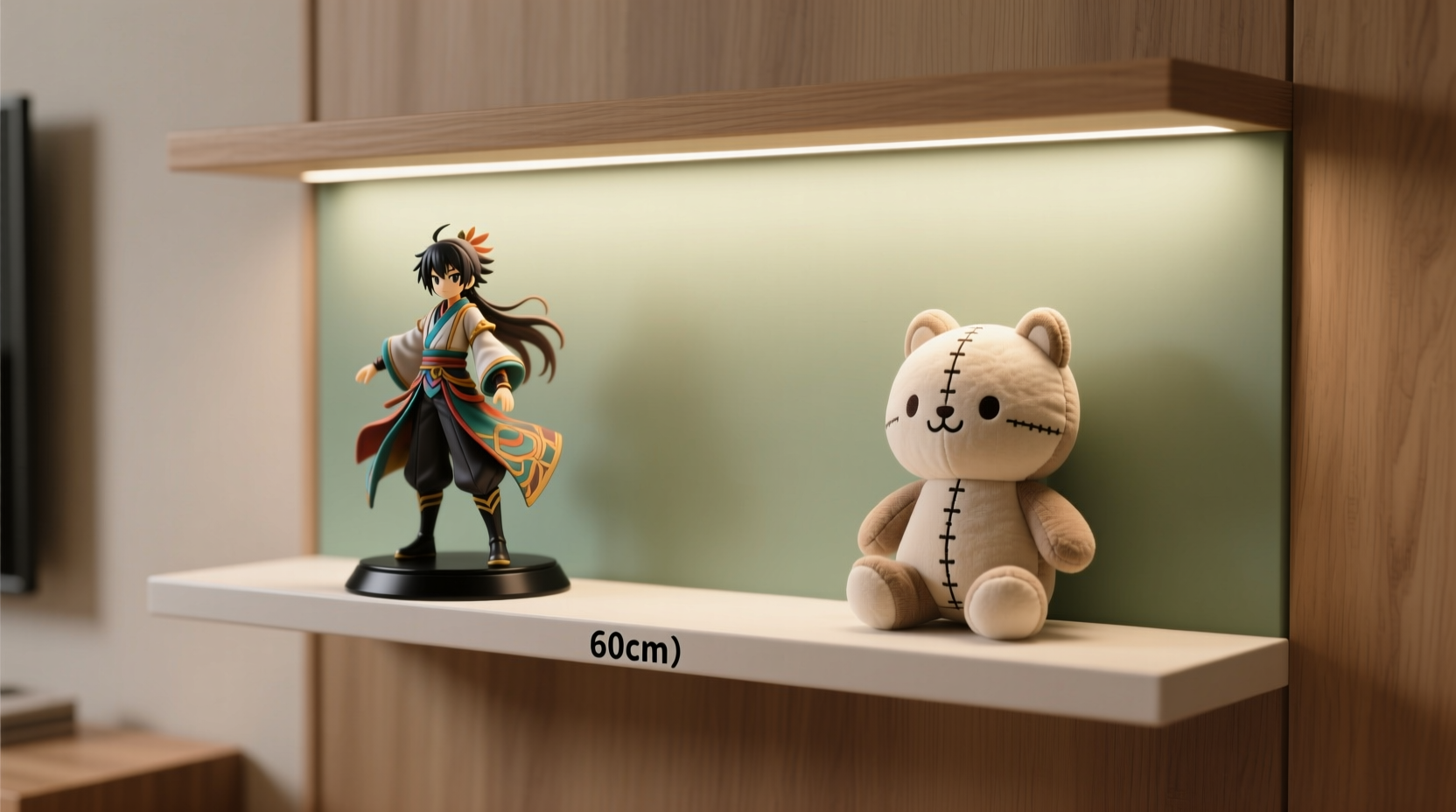
When shelf space is tight, how an item occupies physical volume becomes critical. Anime figures and plushies differ significantly in footprint, height, and depth.
Figures are typically compact and designed to stand upright on small bases. A standard 1/8 scale figure might measure 7–9 inches tall but only occupy 3–4 inches of surface area. Their vertical orientation means they take up minimal floor space while still commanding attention. Many are also stackable in display cases with multiple shelves, allowing layered arrangements without crowding.
Plushies, on the other hand, tend to sprawl. Even smaller plush toys (around 10–12 inches) require enough width to sit or lie comfortably. Larger ones—especially jumbo-sized collectibles—can consume half a shelf by themselves. They lack structural rigidity, so they often need to be propped or arranged carefully to avoid slumping, which can reduce usable space further.
Visual Impact and Aesthetic Flexibility
Display value isn’t just about size—it’s about presence. Figures excel in detail and precision. High-end statues feature intricate paintwork, dynamic poses, and LED lighting, making them focal points even in minimalist setups. The realism and craftsmanship draw the eye immediately, especially under proper lighting.
Plushies offer charm over realism. Their soft textures and huggable forms add warmth and whimsy to a space. While less detailed than figures, their expressive designs and vibrant colors contribute to a cozy, inviting atmosphere. They’re particularly effective in personal spaces like bedrooms or reading nooks where comfort matters as much as aesthetics.
However, when it comes to variety, figures allow for more nuanced storytelling. You can arrange them into scenes—characters facing off, grouped by series, or posed mid-action. Plushies rarely support such narrative staging due to their static nature. That said, creative placement—like clustering themed plushies together—can still evoke a sense of world-building.
“Collectors often underestimate how much mood influences display satisfaction. A well-placed figure commands respect; a beloved plush radiates comfort.” — Lena Park, Collector Lifestyle Consultant
Comparison Table: Figures vs Plushies at a Glance
| Feature | Anime Figures | Plushies |
|---|---|---|
| Average Size (Standard) | 7–12 inches tall, narrow base | 10–24 inches wide, bulkier profile |
| Durability | Fragile (PVC/resin); sensitive to dust, sunlight | Durable fabric; resists minor bumps |
| Maintenance Needs | Regular dusting, UV protection | Occasional fluffing, spot cleaning |
| Emotional Appeal | Artistic admiration, fandom pride | Nostalgia, comfort, tactile joy |
| Display Versatility | High—poseable, light-enhanced, thematic grouping | Moderate—best for sitting or leaning arrangements |
| Price Range (Entry-Level) | $30–$80 | $15–$50 |
Real-World Example: A Tokyo Apartment Display Dilemma
Takashi, a software engineer living in a 300-square-foot Tokyo apartment, faced a common challenge: his growing collection was outgrowing his single 36-inch display shelf. He loved both figures and plushies but needed to prioritize. After photographing his current setup, he analyzed usage patterns. He noticed that guests consistently complimented his Nendoroid collection, especially when backlit. Meanwhile, his large Demon Slayer plush, though cherished, obscured two smaller figures behind it.
He decided to rotate plushies seasonally—keeping one on display while storing others in vacuum-sealed bags—and reserved permanent shelf spots for figures representing his top three favorite series. He added a small acrylic cabinet above the main shelf to house additional figures, effectively doubling his visible space. The result? A curated, high-impact display that balanced personality with practicality.
This approach reflects a broader trend among urban collectors: treating display space like gallery real estate, where each piece must earn its place through aesthetic contribution or sentimental significance.
Maintenance and Longevity Considerations
Long-term upkeep plays a major role in display sustainability. Figures, particularly those made from PVC or polystone, degrade under prolonged UV exposure. Sunlight can cause yellowing, warping, and paint fading. Dust accumulation is another issue—microfibers settle in crevices and are difficult to remove without damaging delicate parts. Regular cleaning with soft brushes and compressed air is essential.
Plushies are more forgiving. Fabric resists light damage better than plastic, and minor spills or stains can often be spot-cleaned. However, they attract lint and pet hair, and stuffing may flatten over time if not fluffed periodically. Exposure to moisture risks mildew, especially in humid climates.
Storage during rotation also differs. Figures benefit from enclosed cases with anti-UV glass and desiccant packs to control humidity. Plushies should be stored in breathable cotton bags, away from moths and dampness. Vacuum sealing works for long-term storage but should be limited to prevent fiber compression.
Step-by-Step Guide: Optimizing Your Limited Shelf Display
Follow this process to maximize impact within constrained space:
- Assess Available Space: Measure shelf dimensions (width, depth, height). Note any obstructions like walls, lights, or furniture.
- Categorize Your Collection: Group items by type, size, and sentimental value. Identify duplicates or lower-priority pieces.
- Define Display Goals: Decide whether you want a museum-style showcase (prioritizing figures) or a cozy character zone (favoring plushies).
- Create Zones: Divide the shelf into sections—e.g., “Main Focal Point,” “Rotating Spotlight,” “Background Depth.” Assign item types accordingly.
- Test Layouts: Arrange items temporarily without adhesives. Take photos from multiple angles to evaluate balance and visibility.
- Implement Lighting: Use LED strip lights or small spotlights to highlight key pieces. Avoid heat-emitting bulbs near plush fabrics.
- Finalize and Rotate: Secure figures with adhesive putty if needed. Schedule plushie rotations every 2–3 months to refresh the look.
Checklist: Choosing the Right Display Type for Your Space
- ☐ Measure total shelf area before purchasing new items
- ☐ Prioritize items with personal or artistic significance
- ☐ Check material care requirements for long-term maintenance
- ☐ Plan for future additions—leave 10–15% of space empty
- ☐ Use risers or multi-tier displays to add depth
- ☐ Ensure adequate lighting without overheating
- ☐ Establish a rotation system for plushies to extend display variety
Frequently Asked Questions
Can I mix anime figures and plushies on the same shelf?
Yes, but strategic placement is key. Position figures at eye level or slightly higher to emphasize detail, and place plushies below or to the sides as supportive elements. Use clear acrylic dividers or staggered depths to prevent visual clutter.
Which holds value better over time—figures or plushies?
Limited-edition figures, especially from reputable manufacturers like Good Smile Company or Kotobukiya, tend to appreciate if kept in mint condition. Most mass-produced plushies do not increase in value, though rare promotional or event-exclusive plushes can become collectible. For investment purposes, figures generally offer stronger returns.
How do I protect my display from dust and sunlight?
Enclose shelves with glass or acrylic doors to minimize dust. Keep displays away from direct sunlight or use UV-filtering window film. For open shelves, cover with breathable cloths when not viewed regularly. Clean figures weekly with a microfiber cloth and use a soft brush for crevices.
Conclusion: Making the Most of Every Inch
The choice between anime figures and plushies for limited shelf space ultimately depends on what you value most—precision artistry or emotional comfort. Figures deliver high visual ROI in small footprints, offering durability, customization, and long-term collectibility. Plushies bring softness and nostalgia, ideal for personal sanctuaries where touch and warmth matter.
The smartest displays don’t choose one over the other entirely—they integrate both thoughtfully. By applying principles of spatial planning, maintenance awareness, and intentional curation, even the smallest shelf can become a powerful expression of fandom. Whether you lean toward the sculpted perfection of a premium figure or the cuddly charm of a well-loved plush, your display should reflect not just what you own, but who you are as a fan.




 浙公网安备
33010002000092号
浙公网安备
33010002000092号 浙B2-20120091-4
Comments
No comments yet. Why don't you start the discussion?