
For collectors and fans alike, anime memorabilia is more than just decoration—it’s a personal archive of fandom, nostalgia, and sometimes, a financial investment. As the global popularity of anime continues to surge, so does the market for its merchandise. Among the most beloved items are anime figurines and plush collectibles. But when it comes to preserving or growing value over time, one question stands out: which holds value better in the long term?
The answer isn’t always straightforward. While both categories have passionate followings and can command high prices at auction, their longevity as investments depends on materials, rarity, cultural relevance, and how they’re preserved. This article breaks down the key differences between anime figurines and plush collectibles, evaluates their performance as long-term assets, and offers practical guidance for collectors aiming to maximize returns.
Material Matters: Durability and Degradation Over Time
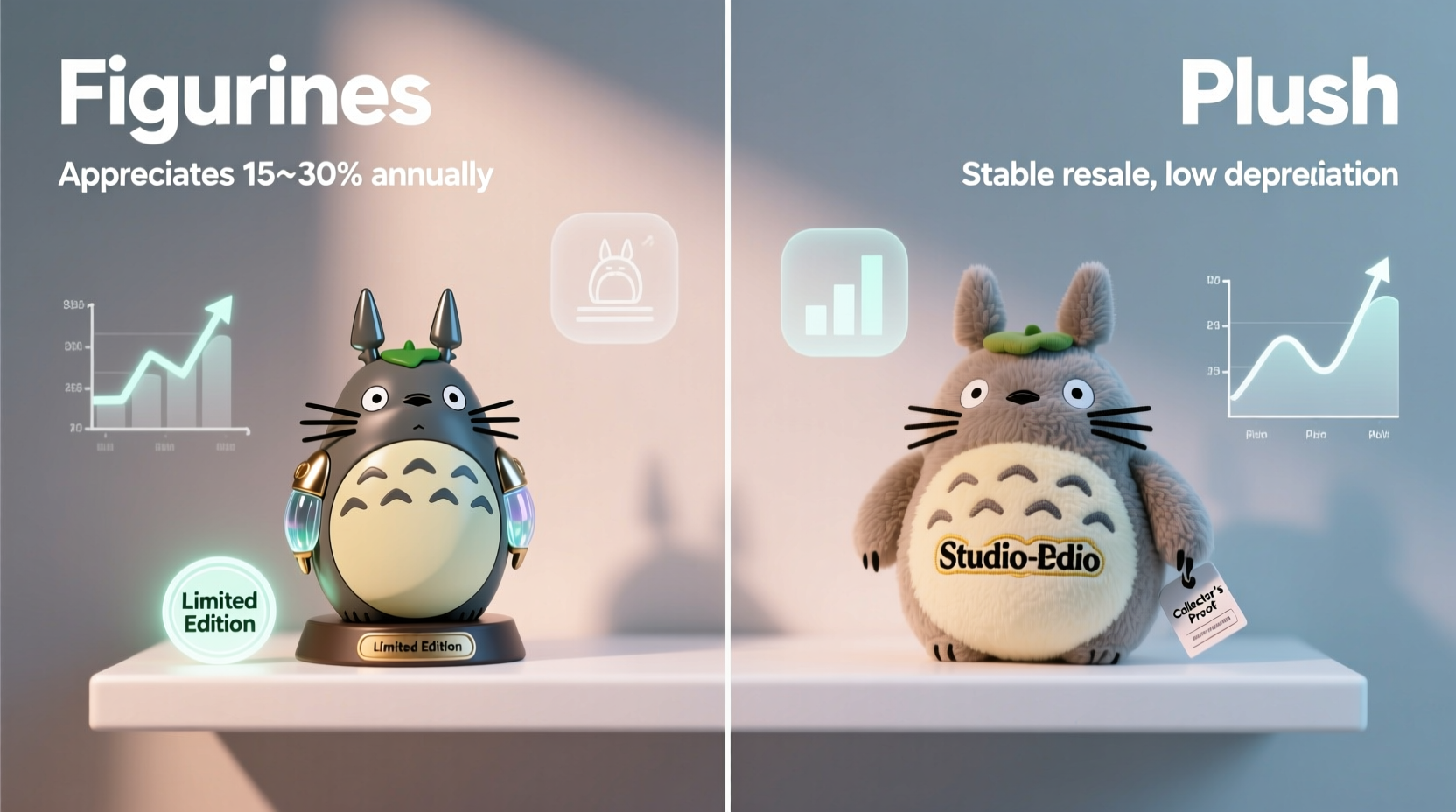
The physical composition of collectibles plays a crucial role in determining their lifespan and, by extension, their ability to retain or increase value. Figurines and plushes differ significantly in this regard.
Anime figurines are typically made from polyvinyl chloride (PVC), polystone, or resin—materials known for durability when properly maintained. These substances resist environmental wear better than fabric, especially if kept away from direct sunlight, humidity, and temperature fluctuations. However, even high-quality plastics can suffer from yellowing, paint chipping, or joint cracking over decades, particularly with mass-produced budget lines.
Plush collectibles, on the other hand, are primarily composed of synthetic fabrics like polyester, cotton blends, and stuffing such as polyfill. While soft and appealing to touch, these materials degrade more readily. Exposure to light causes fading; moisture invites mildew; and frequent handling leads to pilling, seam splits, or flattened shapes. Once damaged, restoration is difficult and often diminishes authenticity—a key factor in valuation.
Market Trends: Resale Value and Collector Demand
To assess long-term value retention, it’s essential to examine real-world resale data and collector behavior. Platforms like Mandarake, Yahoo! Japan Auctions, eBay, and specialized forums offer insight into pricing patterns over time.
High-end anime figurines—especially limited editions, prototype versions, or those produced by renowned manufacturers like Good Smile Company, Alter, or Kotobukiya—often appreciate significantly. For example, a 2010 Nendoroid release of Evangelion’s Rei Ayanami in mint condition sold for under ¥8,000 new but now trades for over ¥30,000 ($200+) in sealed form. Similarly, rare polystone statues of characters like Sailor Moon or Guts from Berserk have doubled or tripled in value within a decade.
Plush collectibles show less consistent appreciation. While certain vintage pieces—such as 1990s Studio Ghibli promotional toys or early Pokémon center exclusives—command high prices, most modern plushes stabilize or depreciate after initial hype fades. Exceptions exist: Sanrio x Anime collaborations (e.g., Kuromi dressed as characters from Jujutsu Kaisen) or event-only releases may spike in value, but these are outliers rather than norms.
“Figurines have a structural advantage—they're designed for display, not use. That makes them inherently more likely to remain in pristine condition, which drives secondary market premiums.” — Kenji Sato, Vintage Anime Market Analyst
Comparison Table: Key Factors Influencing Long-Term Value
| Factor | Anime Figurines | Plush Collectibles |
|---|---|---|
| Average Lifespan | 20–50 years (with care) | 10–20 years (prone to wear) |
| Rarity Impact | High – limited runs sell out fast | Moderate – many re-releases |
| Condition Sensitivity | Very high – scratches devalue drastically | High – stains, flattening reduce worth |
| Storage Requirements | Display case, dust-free | Cool, dry, compression-free |
| Appreciation Potential | Strong – proven track record | Low to moderate – niche spikes |
| Ease of Authentication | High – packaging, serial numbers | Variable – counterfeits common |
Real Example: The Fate/stay Night Saber Figurine vs. Pikachu Plush
Consider two iconic items released around the same time: the 2006 Max Factory 1/7 scale Saber from Fate/stay night, and a 2006 Pokémon Center Tokyo-exclusive Pikachu plush.
The Saber figurine had an original retail price of approximately $80. Due to its status as one of the first high-end figures based on the visual novel, combined with limited production and critical acclaim, sealed, unopened units have sold at auction for over $1,200 in recent years. Even opened but well-maintained versions fetch $400–$600.
The Pikachu plush, while charming and originally priced similarly, tells a different story. Though sought after due to its exclusivity, its current resale value hovers between $150 and $250—impressive, but far below the figurine’s growth rate. Moreover, finding one in “like-new” condition is harder due to fabric aging, whereas the PVC figure remains visually stable if stored correctly.
This case illustrates a broader trend: while emotional appeal drives initial purchases, structural durability and scarcity amplify long-term gains—areas where figurines generally outperform plushes.
Preservation Strategies: Maximizing Value Retention
No collectible appreciates without proper care. How you store, handle, and document your items directly affects their future worth. Here’s a step-by-step guide to protecting your investment, regardless of type.
Step-by-Step Preservation Timeline
- Upon Purchase: Inspect immediately for factory defects. Take photos and keep receipts. If sealed, verify tamper-proof packaging.
- First 24 Hours: Remove from shipping box but avoid opening unless necessary. Dust gently with microfiber cloth.
- Ongoing Storage: Place in enclosed display cabinet with UV-filtered glass. Maintain room temperature between 18–22°C (64–72°F) and humidity below 50%.
- Monthly Check: Look for signs of yellowing (figurines) or musty odor (plushes). Rotate display position to prevent uneven light exposure.
- Every 6 Months: Reassess market value via auction archives. Consider professional appraisal for items valued above $300.
- Long Term: Avoid frequent handling. Never clean with household chemicals. For plushes, place acid-free tissue inside to maintain shape.
Checklist: What to Evaluate Before Buying a Collectible
- ✅ Is it part of a limited edition or exclusive release?
- ✅ Who is the manufacturer? Are they reputable (e.g., Good Smile, Animate, Banpresto)?
- ✅ Does it come in original packaging? Is the packaging intact?
- ✅ Has it been restocked recently? Frequent re-releases hurt scarcity.
- ✅ Is there an active resale community tracking this item?
- ✅ Can it be easily authenticated (e.g., holograms, serial codes)?
- ✅ What are the known degradation risks based on material?
Expert Insight: Why Figurines Dominate Investment Circles
According to Ayumi Tanaka, curator at the Osaka Pop Culture Archive, \"Figurines occupy a unique space between art and merchandise. Many are sculpted by artists whose names alone add value. Over time, these become cultural artifacts—not just toys.\"
“Collectors don’t just buy a figure—they buy craftsmanship, licensing legitimacy, and narrative significance. That depth supports long-term valuation.” — Ayumi Tanaka, Curator, Osaka Pop Culture Archive
She notes that major auctions increasingly feature high-end anime figures alongside traditional art, signaling institutional recognition. In contrast, plushes remain largely categorized as novelties, limiting their inclusion in formal collections or appraisals.
When Plush Collectibles Can Outperform
While figurines generally hold stronger investment potential, plushes can surpass expectations under specific conditions:
- Vintage Status: Pre-2000s Japanese imports, especially from defunct chains like Tower Records Japan or early anime conventions.
- Promotional Exclusives: Items given at film premieres, fan events, or as retailer bonuses (e.g., Animate bonus dolls).
- Cultural Milestones: Plushes tied to historic moments, such as the 20th anniversary of Sailor Moon or the debut of Demon Slayer.
- Character Surge: Unexpected popularity spikes (e.g., Nezuko post-movie success) can temporarily inflate plush values.
Still, these surges are often short-lived. Once supply catches up through reissues, prices normalize. Figurines, due to higher production costs and longer lead times, are less prone to oversaturation.
FAQ: Common Questions About Anime Collectible Value
Do sealed items always increase in value?
Not necessarily. Sealing preserves condition, which helps, but only if demand exists. Mass-produced, widely available items—even sealed—may not appreciate. Scarcity and desirability are bigger drivers than packaging alone.
Should I open my figurine or keep it boxed?
If investing, keep it sealed. If displaying, opening allows appreciation of craftsmanship but reduces resale value by 30–60%. Some collectors use dual displays: one sealed, one open.
Can plushes ever match figurine returns?
Rarely, and only in exceptional cases—such as a discontinued Studio Ghibli My Neighbor Totoro plush from the 1980s. For modern plushes, treat them as sentimental keepsakes rather than financial assets.
Conclusion: Making Informed Choices for Long-Term Growth
When comparing anime figurines and plush collectibles for long-term value, the evidence leans decisively toward figurines. Their superior durability, stronger track record of appreciation, and alignment with art-market standards make them more reliable as investments. Plushes, while emotionally resonant and often more affordable to start with, face inherent limitations due to material fragility and market perception.
That doesn’t mean plushes lack merit. For fans building a personal shrine to their favorite series, plushes offer warmth and accessibility. But for those eyeing appreciation, seeking scarcity, or planning future liquidation, prioritizing high-quality, limited-run figurines is the smarter path.
Regardless of your preference, informed collecting is the key. Research manufacturers, monitor re-release schedules, invest in proper storage, and document your collection. Whether you're drawn to the delicate pose of a hand-painted figure or the cuddly charm of a limited-edition mascot, understanding value dynamics ensures your passion pays off—emotionally and financially.




 浙公网安备
33010002000092号
浙公网安备
33010002000092号 浙B2-20120091-4
Comments
No comments yet. Why don't you start the discussion?