
As the crisp air of fall gives way to the biting chill of winter, one of the most visible shifts in your wardrobe should be in your footwear. The boot transition—choosing between ankle boots and knee-high boots—is more than a matter of fashion; it's about function, layering, and adapting to changing weather while maintaining personal style. Both styles have their strengths, but knowing when and how to use each can elevate your seasonal dressing strategy.
Ankle boots offer versatility and ease during the shoulder months, while knee-highs provide insulation, coverage, and a bold aesthetic statement when temperatures drop. The key lies not in favoring one over the other permanently, but in understanding how to integrate both into a cohesive, seasonally appropriate rotation.
The Functional Differences: Coverage, Warmth, and Weather Resistance
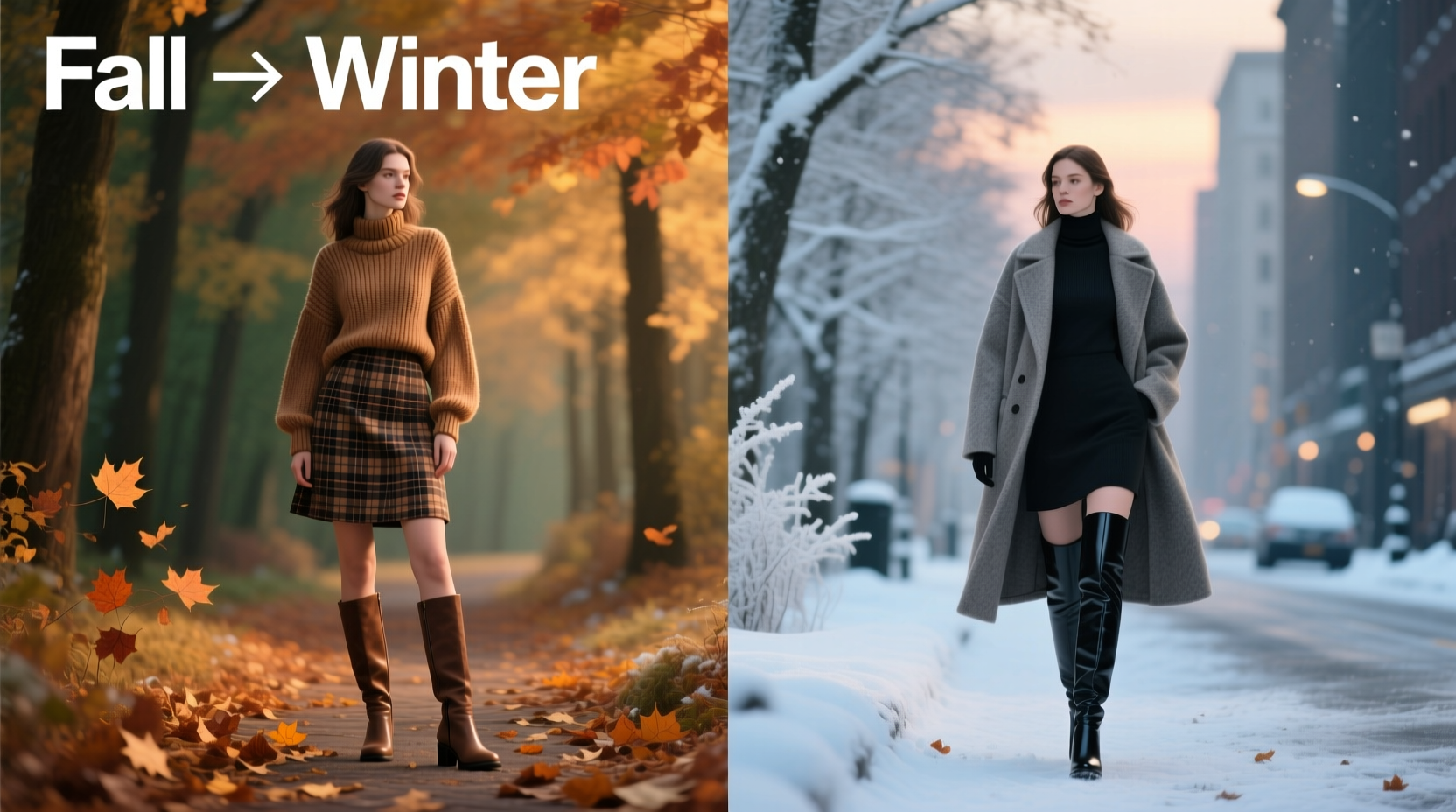
The most immediate distinction between ankle boots and knee-high boots is coverage. Ankle boots typically end just above or at the ankle bone, offering minimal leg exposure. Knee-high boots extend past the calf, usually ending 2–3 inches below or right at the knee. This difference directly impacts warmth, moisture protection, and compatibility with various garments.
In early fall, when mornings are cool but afternoons remain mild, ankle boots excel. They pair effortlessly with cropped jeans, midi skirts, and lightweight tights. However, once frost appears on the ground and wind cuts through thin fabrics, knee-high boots become indispensable. Their extended shaft traps heat around the lower leg and prevents cold air from creeping up under pant cuffs or skirt hems.
Material also plays a role. Fall-weight ankle boots often come in suede or lighter leathers suited for dry conditions. Winter-ready knee-highs, on the other hand, are frequently lined with shearling, wool, or synthetic insulators and feature waterproof treatments. A well-constructed knee-high boot designed for snow-prone climates will outperform even the warmest ankle boot in sub-zero environments.
Styling Strategies Across the Seasonal Shift
Transitioning your wardrobe isn’t about discarding pieces but recontextualizing them. The same coat or dress can look entirely different depending on whether it’s paired with ankle or knee-high boots.
During mid-fall—roughly September to early November—ankle boots dominate. They work beautifully with:
- Skinny jeans tucked in or cuffed just above the boot
- Midi-length wool skirts over opaque tights
- Dresses worn with leggings and a long cardigan
At this stage, knee-high boots can feel excessive unless you're in a region where winter arrives early. But as daylight shortens and precipitation increases, knee-highs gain prominence. Pair them with:
- Wool trousers that break cleanly at the top of the boot
- Tights under slip dresses for indoor warmth and outdoor polish
- Over-the-knee sock liners beneath unlined boots for added comfort
A common mistake is wearing knee-high boots with pants that bunch awkwardly at the ankle. To avoid this, opt for slimmer silhouettes like cigarette pants or leggings rather than wide-leg trousers unless they’re specifically tailored to be worn with tall boots.
Comparative Overview: When to Choose Which Boot
| Factor | Ankle Boots | Knee-High Boots |
|---|---|---|
| Best For | Fall, indoor-heavy days, transitional weather | Winter, snowy conditions, prolonged outdoor exposure |
| Warmth Level | Moderate (especially with lined soles) | High (particularly with insulated shafts) |
| Style Flexibility | High—works with almost any bottom | Moderate—requires coordination with hemlines |
| Maintenance Needs | Regular conditioning for suede/leather | Waterproofing, interior drying after wet use |
| Lifespan (with care) | 3–5 years | 5+ years if properly stored off-season |
This comparison underscores that neither style is universally superior. Instead, each serves a purpose within the broader seasonal arc. Smart wardrobing means owning both and deploying them strategically.
Real-World Transition: A Month-by-Month Guide
Consider Sarah, a marketing professional living in Chicago. Her office is downtown, requiring a 15-minute walk each way. She uses a phased approach to boot rotation based on real weather patterns, not calendar dates.
In October, she wears ankle boots nearly every day. Her go-to combo is dark wash jeans, a camel trench, and a silk scarf. Temperatures hover between 50–60°F, and rain is more common than snow. Her suede Chelsea boots are water-resistant enough for drizzle and easy to wipe clean.
By mid-November, after the first snowfall, she switches to knee-high leather boots with rubber lug soles. These are fully waterproof and reach just below her knee. She pairs them with wool-blend tights and knee-length coats. The added height provides confidence on icy sidewalks, and the shaft blocks wind from chilling her calves during morning commutes.
In January and February, ankle boots appear only indoors—worn briefly in heated buildings or during lunch meetings at upscale restaurants where presentation matters. Outdoors, knee-highs remain the default.
March brings unpredictability. One week may see melting ice and mud; the next could bring a late-season blizzard. Sarah keeps both styles accessible. On milder days, she’ll wear ankle boots with thermal insoles and full-length coats. When slush returns, she reverts to knee-highs.
“Footwear transitions should mirror microclimates, not just seasons. A boot that works in Denver won’t serve the same function in Portland.” — Lena Torres, Sustainable Style Consultant
Action Plan: How to Transition Smoothly
Successfully navigating the shift from fall to winter footwear requires preparation and intentionality. Follow this step-by-step guide to ensure your boot rotation supports both comfort and style.
- Assess Your Climate Zone: Determine average first frost date, snow frequency, and humidity levels. Urban dwellers may prioritize style; rural or suburban residents need greater durability.
- Inventory Current Footwear: Check condition, lining, sole integrity, and waterproofing. Repair or replace damaged pairs before winter hits.
- Invest in One Winter-Ready Pair: Even if you love ankle boots, own at least one pair of knee-highs rated for cold and wet conditions. Look for features like sealed seams, non-slip soles, and removable liners.
- Rotate Based on Forecast: Don’t wait for extreme cold. Begin introducing knee-highs once overnight lows consistently dip below 35°F.
- Store Off-Season Pairs Properly: Clean all boots before storing. Use cedar shoe trees for leather, stuff suede with tissue paper, and keep in breathable cotton bags away from direct heat.
Common Pitfalls and How to Avoid Them
Many people make the mistake of clinging too long to fall favorites or jumping prematurely into heavy winter gear. Here are frequent missteps and their solutions:
- Wearing ankle boots in snow: Leads to soaked socks and discomfort. Solution: Reserve ankle boots for dry, above-freezing days only.
- Ignoring heel height in icy conditions: High-heeled knee-highs can be unstable on slick surfaces. Opt for block heels or flat riding-style boots when traction is poor.
- Overlooking sock thickness: Thin dress socks won’t cut it in December. Invest in merino wool or thermal blends that wick moisture and retain heat.
- Poor fit due to layering: Boots that fit perfectly in September may pinch in January when worn over thick tights. Consider half-size larger winter boots if you plan to layer extensively.
Another issue is neglecting maintenance. Salt stains, moisture damage, and creasing accumulate quickly in winter. Wipe down boots after each wear, apply protective sprays monthly, and condition leather every six weeks.
Frequently Asked Questions
Can I wear ankle boots in winter at all?
Yes, but selectively. Ankle boots work indoors, during brief outdoor exposures, or in mild-winter climates. For maximum utility, choose insulated versions with rubber soles and pair them with thermal socks and long coats that cover the gap between pant and boot.
How do I style knee-high boots without looking bulky?
Focus on proportion. Wear them with straight-leg or slim-fit pants that slide cleanly into the shaft. Avoid overly loose knits or oversized coats that overwhelm your frame. Monochromatic looks—like black boots with black tights and a black skirt—create vertical continuity and elongate the leg.
Are knee-high boots suitable for petite women?
Absolutely. The myth that tall boots shorten legs is outdated. Petite individuals should choose boots with a moderate heel (1–2 inches) and a shaft that ends just below the knee to preserve balance. Avoid extremely wide calves or slouchy designs that visually cut the leg.
Final Thoughts: Build a Boot Wardrobe, Not a Single Choice
The debate between ankle boots and knee-high boots isn’t about declaring a winner—it’s about building a responsive, intelligent wardrobe. Each style fills a niche. Ankle boots offer agility and sartorial flexibility during the gentler months; knee-high boots deliver protection and presence when winter demands resilience.
Think of your footwear collection as an ecosystem. Just as you wouldn’t wear a parka in October or sandals in January, your boots should evolve with the environment. By planning ahead, understanding your local climate, and respecting the functional strengths of each style, you create a seamless transition that supports both comfort and confidence.




 浙公网安备
33010002000092号
浙公网安备
33010002000092号 浙B2-20120091-4
Comments
No comments yet. Why don't you start the discussion?