
Ants are among the most common household pests, appearing suddenly in kitchens, bathrooms, and along baseboards. While they don’t typically pose a direct health threat like rodents or cockroaches, their presence is unsanitary, persistent, and often indicates underlying issues with food storage, moisture, or structural gaps. Understanding why ants enter your home—and how to eliminate them effectively—is essential for long-term peace of mind.
Why Ants Invade Homes: The Science Behind the Search
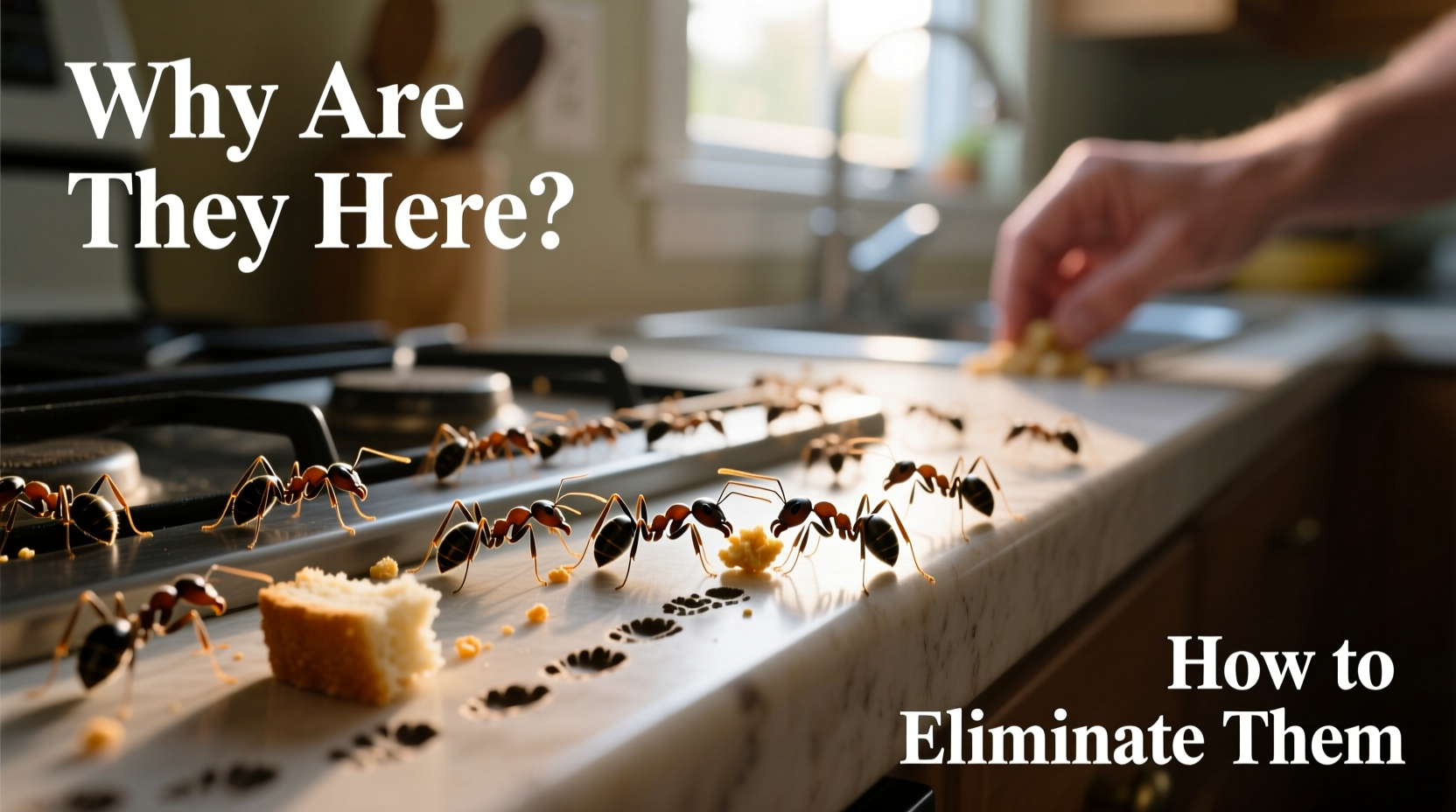
Ants are social insects that operate as a colony, relying on scouts to locate food sources and lay down pheromone trails for others to follow. When an ant finds crumbs, sugar, grease, or even pet food, it signals the colony, leading to a rapid influx into your space. Homes provide three things ants seek: food, water, and shelter.
Kitchens are prime targets because of accessible sugars, starches, and spills. Bathrooms attract ants due to moisture from leaks or damp surfaces. Even clean homes aren’t immune—traces invisible to humans can still draw scouts. Species like odorous house ants, carpenter ants, and pavement ants each have different preferences, but all exploit small entry points such as cracks in foundations, gaps around windows, or utility lines.
“Ants aren’t just looking for a meal—they’re assessing whether your home can support a satellite colony.” — Dr. Lena Torres, Urban Entomologist, University of Illinois
Common Indoor Ant Species and Their Habits
Not all ants behave the same way. Identifying the type you're dealing with determines the best course of action. Here’s a breakdown of the most frequent indoor invaders:
| Species | Size & Color | Behavior | Risks |
|---|---|---|---|
| Odorous House Ant | 2–3 mm, dark brown to black | Follow strong scent trails; emit rotten-coconut smell when crushed | Nuisance only; contaminates food |
| Carpenter Ant | 6–12 mm, black, red, or mixed | Nocturnal; nests in moist or decaying wood (not dirt) | Structural damage over time |
| Pavement Ant | 2.5–4 mm, dark brown to black | Enters via cracks in floors/walls; builds soil mounds near foundations | Minimal risk; aggressive foragers |
| Pharaoh Ant | 1.5–2 mm, light yellow to reddish | Forms multiple queens per colony; avoids repellents | Spreads bacteria; hard to eradicate |
Misidentification leads to ineffective treatment. For example, using sugar-based baits on protein-seeking carpenter ants may do nothing. Observe where ants travel, what they eat, and the time of day they appear to narrow down the species.
Step-by-Step Guide to Eliminate Ants Permanently
Getting rid of ants isn’t just about killing visible ones—it’s about disrupting the entire colony. Follow this sequence for maximum impact:
- Trace the trail. Use a flashlight at night to follow ants back to entry points. Mark these spots with tape.
- Clean thoroughly. Vacuum floors, wipe counters with vinegar solution, and clean under appliances. Remove all food sources.
- Seal entry points. Apply silicone caulk to cracks in walls, baseboards, windows, and around pipes.
- Deploy targeted bait. Place gel or station bait near trails (not sprays). Baits are carried back to the nest, killing the queen and larvae.
- Monitor and repeat. Check bait stations weekly. Replace if dried out or ignored.
Baits work slowly but are far more effective than sprays, which only kill workers and can cause colonies to split—a process called budding—making infestations worse.
Prevention Checklist: Stop Ants Before They Enter
- Store all dry goods (flour, cereal, sugar) in airtight glass or plastic containers
- Fix leaky faucets and pipe joints to reduce moisture
- Sweep and mop floors daily, especially after meals
- Take out trash nightly and use bins with tight-fitting lids
- Trim tree branches and shrubs touching the house exterior
- Inspect grocery bags and outdoor furniture before bringing inside
- Use weather stripping on doors and windows
Real Example: How One Family Broke a Persistent Infestation
The Reynolds family in Columbus, Ohio, noticed small black ants appearing every summer near their kitchen sink. Store-bought sprays provided brief relief, but within days, the ants returned. After consulting a pest control specialist, they discovered the issue wasn’t sanitation—it was a hidden moisture problem behind the dishwasher causing wood decay.
The technician identified carpenter ants nesting in the damp sill plate. The solution involved replacing the damaged wood, sealing gaps, and placing non-repellent bait stations. Within three weeks, activity ceased. The family now inspects plumbing annually and keeps dehumidifiers running in humid months. Two years later, no reinfestation has occurred.
This case underscores a key truth: surface-level treatments fail when the root cause—moisture, structural flaws, or unsecured food—is ignored.
Do’s and Don’ts of Ant Control
| Do’s | Don’ts |
|---|---|
| Use slow-acting baits to reach the colony | Spray ants directly with repellents (causes colony fragmentation) |
| Keep baits away from children and pets | Place baits in areas cleaned with strong detergents (removes scent trails) |
| Combine baits with exclusion tactics (sealing cracks) | Rely solely on natural remedies like cinnamon or chalk (ineffective long-term) |
| Hire a professional for carpenter ants or large colonies | Ignore recurring ants—this means the colony is still active |
Frequently Asked Questions
How long does it take to get rid of ants completely?
With proper baiting, most common infestations resolve within 2–4 weeks. Carpenter ant colonies may take longer due to nesting depth and size. Consistent monitoring is crucial—early signs of return mean re-treatment is needed.
Are natural remedies like diatomaceous earth effective?
Food-grade diatomaceous earth (DE) can kill ants by damaging their exoskeletons, but it only works when dry and in undisturbed areas. It doesn’t eliminate the colony and should be used as a supplemental barrier, not a primary solution.
Can ants come back after treatment?
Yes, especially if entry points remain open or new colonies establish nearby. Regular inspection, sanitation, and seasonal preventative baiting reduce recurrence. If ants return quickly after bait use, the species may require professional-grade insecticides.
Final Steps Toward an Ant-Free Home
Dealing with ants isn’t just a one-time cleanup—it’s an ongoing practice of vigilance and smart home maintenance. The most successful households don’t just react to invasions; they create environments that ants find uninviting. From eliminating moisture to securing food and sealing entryways, each step reduces the likelihood of future problems.
If you’re facing a recurring or large-scale infestation, especially with carpenter or Pharaoh ants, professional help is not an admission of failure—it’s a strategic move. Pest management experts have access to advanced baits, inspection tools, and treatment protocols that ensure complete eradication.




 浙公网安备
33010002000092号
浙公网安备
33010002000092号 浙B2-20120091-4
Comments
No comments yet. Why don't you start the discussion?