
It starts subtly—a tightness in the chest, a racing heartbeat, or a sense of dread with no clear cause. You’re not in danger. Nothing has gone wrong. Yet anxiety grips you like an invisible hand. This experience is more common than many realize. Millions report feeling anxious “for no reason,” but that doesn’t mean there’s no explanation. Often, the roots are deeper than immediate circumstances: biological rhythms, subconscious triggers, lifestyle habits, or accumulated stress. Understanding these hidden drivers is the first step toward reclaiming mental balance.
The Myth of “No Reason” Anxiety
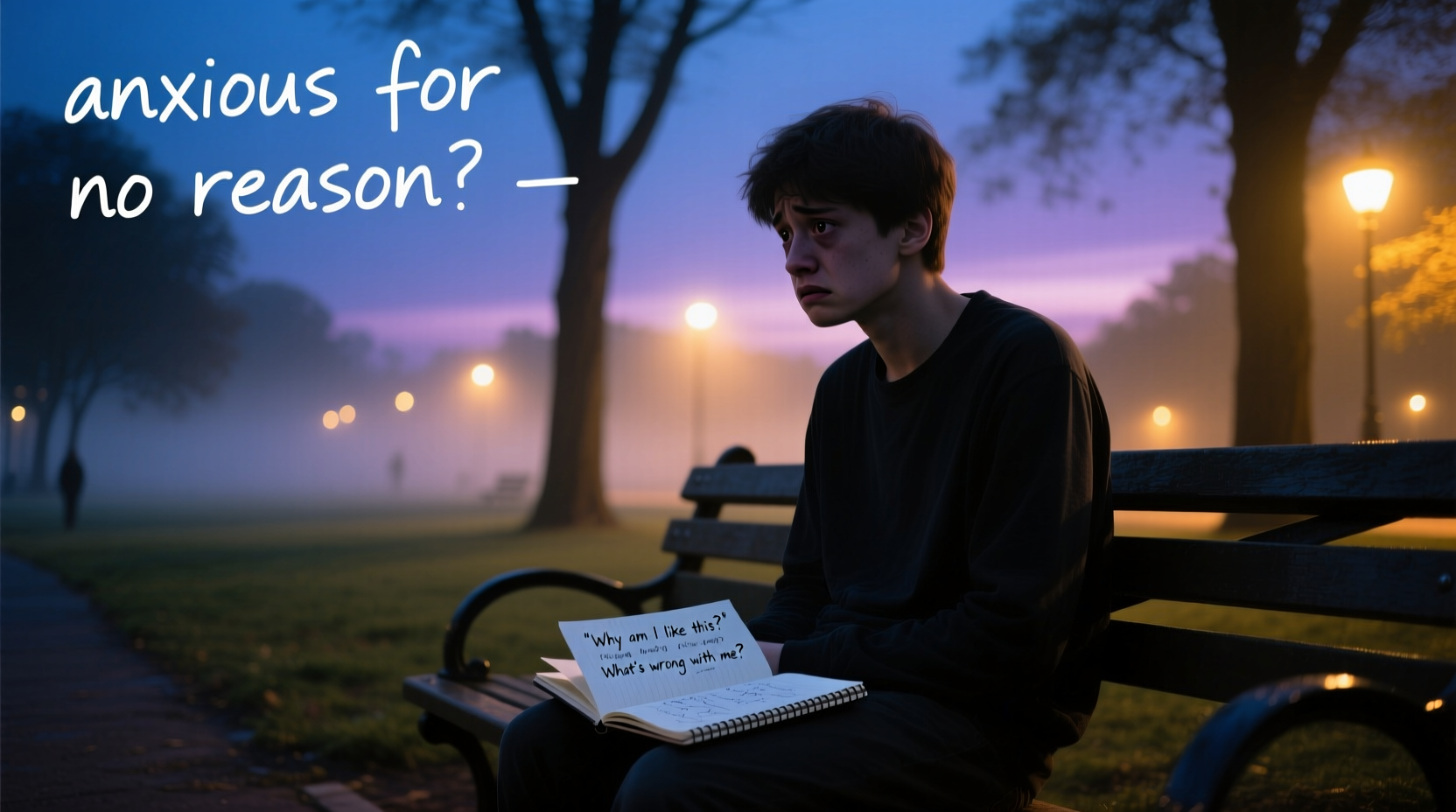
Anxiety rarely appears without cause—even when the trigger isn’t obvious. The brain operates on both conscious and subconscious levels. While you may not be facing an active threat, your nervous system could still be responding to past experiences, internal imbalances, or environmental cues below your awareness.
For example, a person might feel sudden unease while sitting at their desk. No work crisis is unfolding, yet cortisol levels rise. In such cases, the anxiety may stem from:
- Chronic low-grade stress from overwork
- Sleep deprivation affecting emotional regulation
- Unresolved emotional memories resurfacing
- Dietary factors like caffeine or blood sugar fluctuations
Labeling it “anxiety for no reason” can lead to frustration or self-doubt. A more empowering approach is to treat it as a signal—an alert from your body that something needs attention, even if it’s not immediately visible.
“Anxiety is not a flaw in your character. It’s often your physiology trying to protect you, sometimes long after the threat has passed.” — Dr. Lena Torres, Clinical Psychologist and Neurobiology Researcher
Hidden Triggers Behind Unexplained Anxiety
Many people overlook subtle contributors to anxiety because they don’t fit the traditional idea of a “stressor.” Consider these often-missed sources:
1. Circadian Rhythm Disruption
Your body’s internal clock regulates hormones like cortisol and melatonin. When sleep schedules are irregular or screen exposure extends late into the night, this rhythm falters. The result? Increased nighttime anxiety or morning panic-like symptoms without an apparent cause.
2. Gut-Brain Axis Imbalance
Up to 90% of serotonin, a key mood-regulating neurotransmitter, is produced in the gut. Poor digestion, microbiome imbalance, or food sensitivities (even mild ones) can send distress signals to the brain, manifesting as anxiety.
3. Subconscious Memory Activation
A certain smell, tone of voice, or environment can unconsciously remind your brain of a past stressful event. Even if you don’t recall the memory, your amygdala—the brain’s fear center—may react as though danger is present.
4. Caffeine and Stimulant Overload
Coffee, energy drinks, or even dark chocolate can amplify anxiety in sensitive individuals. Effects may be delayed or cumulative, making it hard to connect intake with emotional spikes hours later.
What to Do: A Practical Action Plan
When anxiety arises without an obvious trigger, reactive calming techniques help in the moment—but sustainable relief comes from consistent, proactive practices. Here’s a step-by-step guide to address both symptoms and root causes.
Step 1: Pause and Map the Sensation
When anxiety hits, resist the urge to distract or suppress it. Instead, pause for 90 seconds and observe:
- Where do you feel it in your body?
- Is your breathing shallow? Heart racing?
- Are there any thoughts repeating?
This builds interoceptive awareness—your ability to read bodily signals accurately.
Step 2: Regulate Your Breath
Controlled breathing resets the autonomic nervous system. Try this pattern:
- Inhale slowly for 4 seconds
- Hold for 2 seconds
- Exhale steadily for 6 seconds
Repeat for 3–5 minutes. Extending the exhale activates the parasympathetic nervous system, signaling safety.
Step 3: Check Your Baseline Habits
Anxiety often reflects lifestyle deficits. Use this checklist to identify potential contributors:
Checklist: Lifestyle Factors That Fuel Anxiety
- Sleep less than 7 hours regularly?
- Consume more than 200mg caffeine daily?
- Eat processed foods frequently?
- Sit for more than 8 hours a day?
- Lack regular physical movement?
- Have limited social connection?
Step 4: Reconnect with Your Body
Chronic anxiety often correlates with disconnection from physical sensations. Grounding exercises help re-establish presence:
- Walk barefoot on grass or tile
- Press your palms firmly together
- Hold a cold glass of water and focus on the sensation
These micro-practices interrupt rumination and anchor you in the present.
Real Example: Sarah’s Morning Anxiety Spiral
Sarah, a 34-year-old graphic designer, began waking up each day with a surge of anxiety. No deadlines loomed. Her life was stable. She assumed she was “just stressed,” but the feeling persisted. After tracking her habits, she noticed a pattern: she drank coffee immediately upon waking and worked from bed, scrolling emails before getting up.
With guidance from a therapist, Sarah adjusted her routine:
- She delayed caffeine by 90 minutes after waking
- Started her day with five minutes of stretching and deep breathing
- Moved her workspace off the mattress
Within two weeks, her morning anxiety decreased significantly. The “cause” wasn’t emotional trauma—it was a physiological cascade triggered by abrupt stimulation and poor circadian alignment.
Do’s and Don’ts: Managing Unexplained Anxiety
| Do | Don't |
|---|---|
| Track anxiety episodes in a journal (time, symptoms, activity) | Dismiss your feelings as “overreacting” |
| Practice diaphragmatic breathing daily, even when calm | Rely solely on distraction (TV, scrolling) to cope |
| Consult a doctor to rule out thyroid or hormonal issues | Assume medication is the only solution |
| Build small moments of mindfulness into your routine | Wait until anxiety peaks to take action |
Frequently Asked Questions
Why do I feel anxious when everything in my life is fine?
Your body may be responding to internal factors like hormone fluctuations, nutrient deficiencies, or subconscious stress patterns. Emotional well-being isn’t only about external circumstances—it’s deeply tied to biology and nervous system regulation.
Can anxiety happen without any warning?
Yes. Panic attacks or sudden anxiety surges can occur without obvious triggers. These are often linked to accumulated stress, sleep disruption, or heightened sensitivity in the nervous system. Regular grounding practices reduce their frequency.
Should I see a therapist if my anxiety has no clear cause?
Absolutely. Therapists specialize in uncovering unconscious patterns, teaching regulation skills, and helping you interpret your body’s signals. You don’t need a diagnosed disorder to benefit from professional support.
Conclusion: Reclaiming Calm Starts with Curiosity
Feeling anxious for no reason isn’t a sign of weakness—it’s a call to deepen your self-awareness. The most effective solutions don’t always come from fighting anxiety, but from listening to it. By examining lifestyle habits, tuning into bodily signals, and responding with compassion, you shift from being controlled by anxiety to understanding it.
You don’t have to wait for a crisis to make changes. Small, consistent actions—like adjusting your morning routine, improving sleep hygiene, or practicing mindful breathing—build resilience over time. Start today. Track one habit. Try one breathing cycle. Notice what shifts. Your nervous system is adaptable, and with the right tools, calm is not just possible—it’s within reach.




 浙公网安备
33010002000092号
浙公网安备
33010002000092号 浙B2-20120091-4
Comments
No comments yet. Why don't you start the discussion?