
For millions of people who struggle with night sweats, hot flashes, or simply sleeping too warm, the promise of a cool, comfortable bed is more than a luxury—it’s a necessity. Enter cooling mattress pads: a growing category of sleep technology marketed as a solution to overheating during the night. But with prices ranging from $50 to over $300, are these devices truly effective, or are they just another overpriced upgrade in an already saturated bedding market?
The answer isn’t simple. While some users report life-changing improvements in sleep quality, others find little difference beyond a mild initial chill. To cut through the marketing hype, it's essential to understand how these pads work, what types exist, and who actually benefits from them.
How Cooling Mattress Pads Work
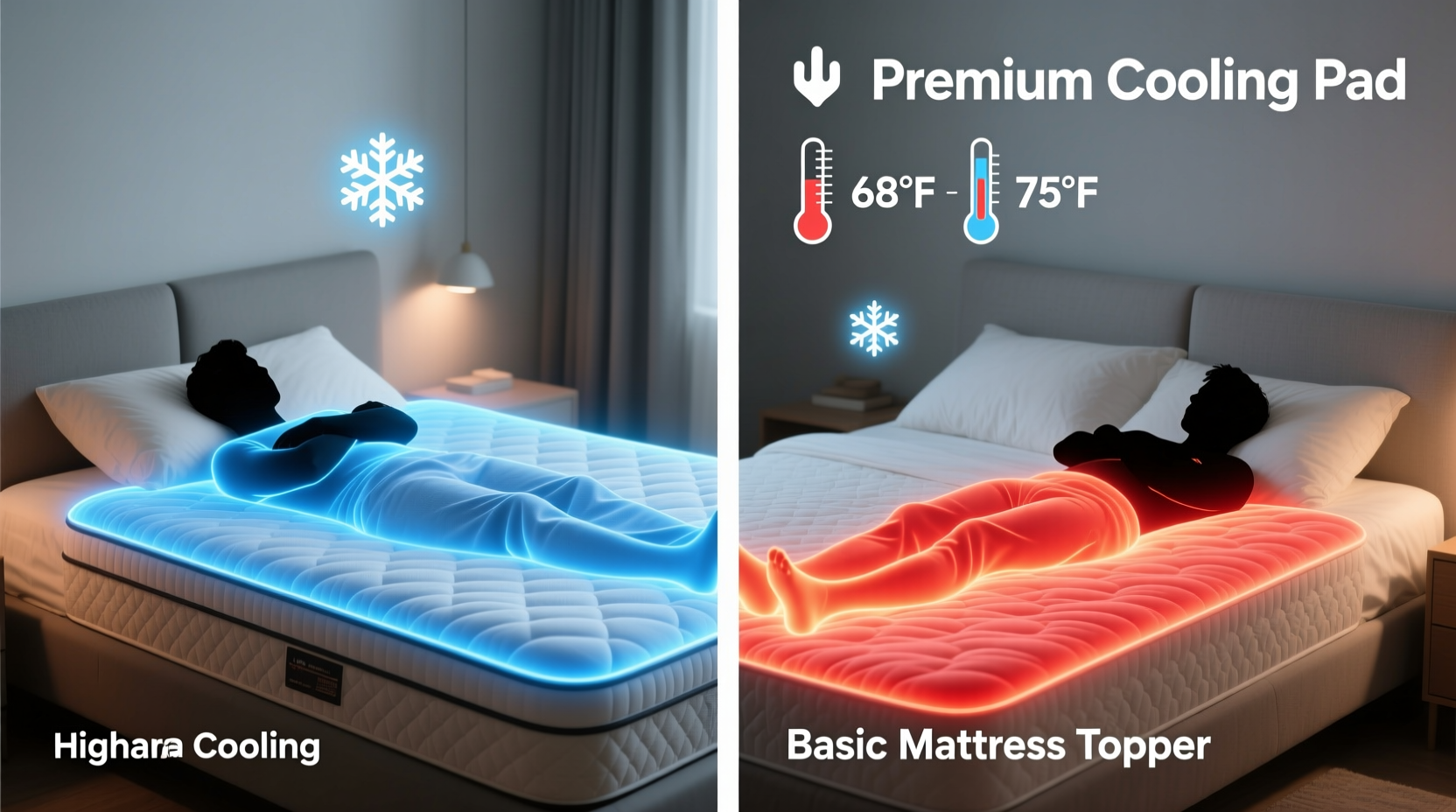
Cooling mattress pads operate on one of two principles: passive cooling or active (hydronic) cooling. The distinction is critical when evaluating their effectiveness.
Passive cooling pads use breathable, moisture-wicking materials such as gel-infused foams, phase-change materials (PCMs), or advanced fabrics like TENCEL™ and Outlast®. These materials absorb body heat temporarily or enhance airflow to reduce surface temperature. They require no electricity and function similarly to cooling sheets or pillows.
Active cooling pads, on the other hand, connect to a control unit that circulates water through embedded tubes within the pad. This system allows for precise temperature control—some models offer both cooling and heating settings. Brands like ChiliPad, Ooler, and BedJet dominate this space, offering full-bed climate control.
The fundamental difference lies in performance consistency. Passive pads may feel cooler at first but often lose effectiveness as they absorb heat. Active systems maintain a steady temperature throughout the night, making them far more reliable for chronic overheaters.
Effectiveness: What Science and Studies Say
Body temperature plays a pivotal role in sleep regulation. Core body temperature naturally drops by about 1–2°F during sleep onset. Disruptions to this process—such as overheating—can delay sleep, reduce REM cycles, and lead to frequent awakenings.
A 2012 study published in *Sleep Medicine Reviews* found that even minor thermal disturbances significantly impair sleep continuity and depth. Another clinical trial involving patients with insomnia showed that controlled cooling improved sleep efficiency by up to 25% in participants with elevated nighttime body temperatures.
While most research focuses on ambient room temperature and bedding materials, emerging data supports targeted cooling. A 2020 pilot study conducted by UC San Diego tested a hydronic mattress pad on menopausal women experiencing night sweats. After four weeks, 78% reported fewer episodes and improved subjective sleep quality.
“Thermal comfort is one of the most underappreciated factors in sleep hygiene. For individuals prone to overheating, especially due to medical conditions, active cooling can be a game-changer.” — Dr. Laura Chen, Sleep Neurologist, Stanford Sleep Center
That said, results vary widely depending on individual physiology, room ventilation, and mattress type. Memory foam, known for trapping heat, amplifies the need for cooling solutions. In contrast, latex or coil-based mattresses naturally breathe better, reducing the perceived benefit of added cooling layers.
Comparing Types: Passive vs. Active Cooling Systems
To determine whether a cooling mattress pad is worth the investment, it helps to compare features, costs, and real-world performance across categories.
| Feature | Passive Cooling Pads | Active Cooling Pads |
|---|---|---|
| Technology | Gel infusions, phase-change materials, breathable fabrics | Water circulation via control unit |
| Temperature Control | None – relies on material properties | Precise, adjustable (e.g., 55°F–110°F) |
| Energy Use | None | Requires power (60–100W) |
| Lifespan | 1–3 years (material degrades over time) | 5+ years with proper maintenance |
| Price Range | $50–$150 | $300–$800+ |
| Noise Level | Silent | Low hum from pump/fan |
| Best For | Mild overheaters, budget-conscious buyers | Chronic night sweats, hot flashes, memory foam users |
The table illustrates a clear trade-off: passive pads are affordable and silent but offer limited and temporary relief. Active systems deliver consistent, customizable cooling at a higher cost and complexity.
Real-World Performance: Who Actually Benefits?
Not everyone needs a cooling mattress pad. The real value emerges in specific scenarios where thermal regulation is compromised.
Consider Sarah, a 48-year-old teacher going through perimenopause. She began waking up drenched in sweat nearly every night, disrupting her sleep cycle and affecting her mood and focus during the day. Over-the-counter remedies offered little relief. After researching options, she invested in a dual-zone active cooling pad. Within a week, her nightly awakenings dropped from 4–5 times to just once. “It’s not magic,” she says, “but it’s the closest thing to normal sleep I’ve had in two years.”
Likewise, athletes and individuals living in humid climates often report significant improvements. Bodybuilders recovering from intense workouts, for example, generate more metabolic heat and benefit from faster cooldown periods during sleep. Similarly, those in regions without air conditioning see marked differences in comfort levels.
However, for light sleepers in cool environments or those using breathable natural mattresses, the return on investment diminishes. One Reddit user noted, “I bought a $120 gel pad expecting miracles. It felt cool for the first 20 minutes, then it was just… there. My old cotton sheet does about the same.”
What to Look for When Buying a Cooling Pad
If you're considering a purchase, follow this checklist to ensure you’re getting a product that suits your needs:
- Identify your primary issue: Occasional warmth? Night sweats? Partner imbalance?
- Assess your mattress type: Memory foam sleepers typically benefit more than innerspring users.
- Determine your budget: Passive pads are cheaper but less effective long-term.
- Check noise tolerance: Active systems have pumps; if you’re sensitive to sound, look for quiet models.
- Look for dual-zone options: Ideal for couples with different temperature preferences.
- Review warranty and customer service: Higher-end brands often offer 5–10 year warranties.
- Read verified user reviews: Focus on long-term feedback (6+ months).
Common Misconceptions About Cooling Pads
Despite growing popularity, several myths persist:
Myth 1: All cooling pads lower your core body temperature.
Reality: Only active systems can influence deep tissue temperature. Passive pads affect surface skin sensation only.
Myth 2: Gel-infused pads stay cool all night.
Reality: Gel absorbs heat until equilibrium is reached. Once saturated, it no longer cools.
Myth 3: Cooling pads replace air conditioning.
Reality: They complement room cooling but can’t compensate for high ambient temperatures alone.
Myth 4: More layers equal better cooling.
Reality: Excessive padding can trap heat. Simplicity and breathability matter more than thickness.
Frequently Asked Questions
Do cooling mattress pads really work for night sweats?
Yes, particularly active cooling systems. Clinical evidence and user reports show significant reduction in night sweat frequency and severity, especially for menopausal women or those on certain medications.
Can I use a cooling pad with any mattress?
Virtually all modern cooling pads are designed to fit standard mattress sizes and types. However, ensure compatibility with deep-pocket sheets if using a thick pad. Avoid placing electric or water-based systems under excessive weight or sharp objects.
Are cooling pads safe to use every night?
Yes. Active systems are engineered for continuous use. Just follow manufacturer guidelines for cleaning and water maintenance (for hydronic models). Passive pads are inherently safe but should be cleaned regularly to prevent odor buildup.
Step-by-Step Guide to Evaluating Your Need
- Track your sleep environment: Note room temperature, humidity, and bedding used for one week.
- Monitor symptoms: Record instances of waking up hot, sweating, or feeling sticky.
- Assess your mattress: Is it memory foam or another heat-retaining material?
- Try low-cost solutions first: Breathable sheets, fans, or adjusting thermostat.
- Determine severity: If mild, a passive pad may suffice. If disruptive, consider active cooling.
- Research models: Compare features, read long-term reviews, check return policies.
- Test during peak heat: Use sleep trials in summer months for accurate assessment.
This methodical approach prevents impulsive spending and ensures the solution matches the problem.
Conclusion: Are They Worth It?
Cooling mattress pads are neither universally essential nor universally wasteful. Their value depends entirely on context. For someone who sleeps hot due to medical conditions, lifestyle, or an unsuitable mattress, an active cooling system can dramatically improve sleep quality and overall well-being. The investment—while steep—is justified by measurable benefits.
For others, particularly those in cool rooms or using naturally breathable bedding, a high-end pad may offer minimal gains over simpler, cheaper alternatives like cotton sheets or a fan.
The key is honest self-assessment. Don’t buy a $600 cooling system because it’s trending. Buy it because your body needs it. And if you do—take advantage of sleep trials, understand the technology, and integrate it into a broader sleep hygiene routine.




 浙公网安备
33010002000092号
浙公网安备
33010002000092号 浙B2-20120091-4
Comments
No comments yet. Why don't you start the discussion?