
It’s a question that keeps popping up in tech forums, lifestyle blogs, and even dinner conversations: Is spending hundreds of dollars on a designer iPhone case actually smarter than using a practical, all-in-one phone wallet case? At first glance, it seems like a simple choice between luxury and utility. But dig deeper, and you’ll find the answer depends on your lifestyle, priorities, and how you use your phone every day.
Designer cases from brands like Gucci, Louis Vuitton, or Casetify x Off-White make bold fashion statements. Wallet cases promise convenience by merging your phone and essentials into one compact device. So which one deserves a permanent spot in your hand—or pocket?
Understanding the Core Differences
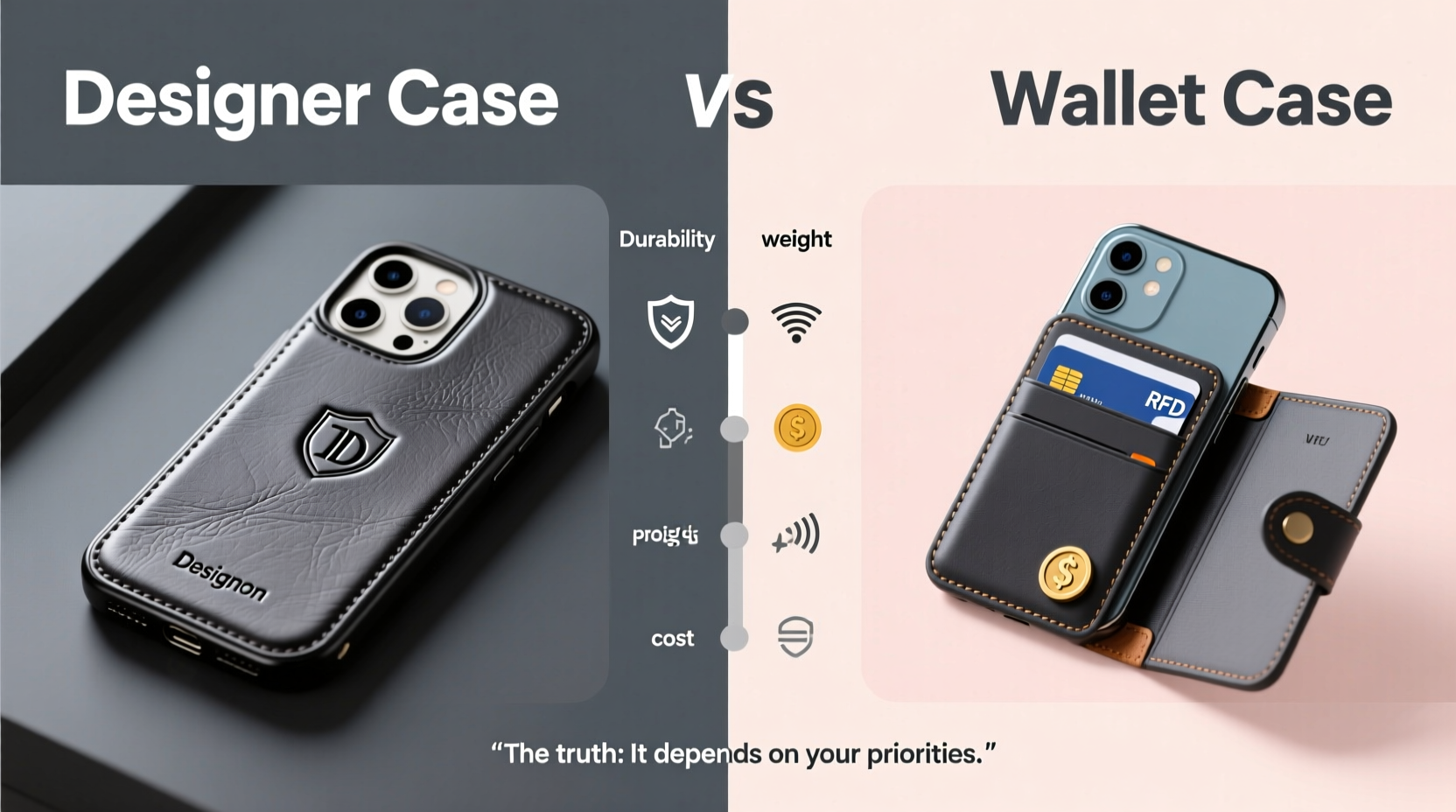
The fundamental distinction lies in purpose. Designer cases are crafted primarily for aesthetics, brand identity, and exclusivity. They’re often made with premium materials—genuine leather, metal accents, or signature prints—and are designed to complement high-end lifestyles. Meanwhile, wallet cases focus on function: holding cards, cash, and IDs while protecting your phone. They prioritize space-saving design and everyday usability.
This doesn’t mean one is inherently better. It means they serve different needs. A fashion influencer might value the Instagram-worthy look of a Balenciaga case, while a busy parent might appreciate not needing to carry a separate wallet.
Cost vs. Value: What Are You Really Paying For?
Let’s talk numbers. A genuine designer iPhone case typically ranges from $80 to over $500. In contrast, a high-quality wallet case costs between $20 and $60. That’s a massive gap. But price alone doesn’t determine value.
With a designer case, you're paying for branding, craftsmanship, limited editions, and sometimes resale potential. However, most offer minimal additional protection compared to mid-tier silicone or rugged cases. Apple’s own leather cases, priced around $139, are praised for fit and finish but criticized for scratch retention and lack of card storage.
Wallet cases, especially those from brands like Spigen, Ringke, or Mujjo, deliver more tangible benefits per dollar: drop protection, RFID blocking, and multi-card slots. They’re engineered for durability and daily wear, not just looks.
“Luxury accessories signal status, but utility determines longevity in real-world use.” — Daniel Kim, Tech Lifestyle Analyst at GadgetTrend
Protection & Practicality Compared
When it comes to safeguarding your iPhone, both options have trade-offs.
| Feature | Designer Case | Wallet Case |
|---|---|---|
| Drop Protection | Limited (slim design, rigid materials) | Moderate to High (raised edges, shock-absorbing corners) |
| Card Storage | Rare (some have minimal slots) | Yes (typically 2–4 cards + cash) |
| RFID Protection | No | Often included |
| Slimness | Very slim (fashion-focused) | Bulkier due to wallet function |
| Pocket Fit | Excellent | Possible with front pockets; may feel thick |
| Dust/Moisture Resistance | Low | Moderate (depending on closure type) |
Wallet cases win hands-down in functionality. They reduce the number of items you carry, minimize pocket clutter, and can prevent fumbling for cards at checkout. However, their bulk can be a downside for those who prefer minimalist carry or tight jeans.
Designer cases, while sleek, often sacrifice grip and edge protection. Many are made of glossy finishes that attract fingerprints and scratches. Over time, their aesthetic appeal diminishes unless meticulously maintained.
Real-Life Scenario: Two Users, Two Choices
Case Study: Maya, 29 – Fashion Editor
Maya owns a $450 Gucci Ophidia iPhone 15 Pro case. She changes outfits three times a day and considers her phone an extension of her personal brand. “I don’t need a wallet,” she says. “I use Apple Pay everywhere, and my bag holds everything else. The case gets compliments constantly—it’s part of my image.” For Maya, the designer case isn’t about utility. It’s about alignment with her identity.
Case Study: James, 37 – Delivery Driver
James uses a $35 Spigen Tough Armor wallet case. He’s on his feet all day, jumps in and out of his van, and needs quick access to his license and payment cards. “I’ve dropped my phone a dozen times. This case saved it every time. And I don’t have to worry about losing my wallet.” For James, the wallet case is a necessity, not a luxury.
Their experiences highlight a crucial truth: value is subjective. If your phone is a fashion accessory, a designer case makes sense. If it’s a workhorse, a wallet case delivers real-world advantages.
When a Designer Case Might Be Worth It
- You frequently attend events where appearance matters (e.g., fashion, media, entertainment).
- You already carry a separate wallet and don’t need integrated storage.
- You value exclusivity and are willing to pay for brand prestige.
- You replace your phone infrequently and want a case that lasts multiple cycles.
- You resell accessories and see potential in limited-edition drops.
Step-by-Step: How to Choose the Right Option for You
- Assess your daily routine. Do you walk through crowded streets, commute via subway, or drive? High-movement lifestyles benefit from wallet integration.
- Evaluate your carrying habits. Do you always have a bag, or do you rely on pockets? If pockets only, slimness matters.
- Check your payment methods. Heavy Apple Pay/Google Pay users may not need physical cards, reducing the need for a wallet case.
- Consider your risk tolerance. If you’ve cracked screens before, prioritize rugged protection over style.
- Set a realistic budget. Spending $400 on a case only makes sense if it aligns with your overall spending patterns and values.
Frequently Asked Questions
Can I use a designer case with a wallet attachment?
Some third-party magnetic wallets (like PopSockets or MagSafe-compatible sleeves) can attach to designer cases with MagSafe support. However, this often ruins the clean look and adds bulk. Most luxury cases aren’t designed for add-ons.
Do wallet cases damage iPhones over time?
Poorly made wallet cases with stiff closures or abrasive inner linings can scratch your screen when inserting the phone. Always choose models with soft microfiber interiors and precise cutouts. Well-designed ones pose no long-term risk.
Are designer cases more durable than regular ones?
Not necessarily. While materials may be premium, many designer cases lack reinforced corners, shock absorption, or water resistance. Durability often takes a backseat to aesthetics.
Final Verdict: Truth Over Hype
Here’s the unfiltered truth: Designer iPhone cases are rarely “worth it” in terms of function, protection, or cost-efficiency. You’re paying for branding, not performance. Wallet cases, by comparison, solve real problems—carrying less, accessing essentials faster, and shielding your phone better.
That said, if style, status, or self-expression is a priority, a designer case has intangible value. There’s nothing wrong with treating your phone like a fashion item—just don’t expect it to perform like a tool.
The smartest approach? Own both. Use a rugged wallet case Monday through Friday, then switch to your designer piece for weekends, dates, or nights out. This way, you get the best of both worlds without compromising protection or personality.




 浙公网安备
33010002000092号
浙公网安备
33010002000092号 浙B2-20120091-4
Comments
No comments yet. Why don't you start the discussion?