
Essential oil diffusers have become a staple in modern homes, praised for their ability to freshen the air, reduce stress, and support wellness. With a simple mist, they transform a space into a calming sanctuary. But for pet owners, this convenience comes with a critical question: Are these devices truly safe when animals share the same environment?
Cats, dogs, birds, and even small mammals like rabbits and guinea pigs have respiratory systems that differ significantly from humans. What smells soothing to us can be overwhelming—or even toxic—to them. As diffuser use rises, so do concerns about accidental exposure, respiratory distress, and long-term health effects in pets.
The answer isn’t a blanket “yes” or “no.” Instead, it hinges on responsible usage, species-specific sensitivities, and careful oil selection. Understanding the risks allows pet owners to enjoy aromatherapy benefits while keeping their furry (or feathered) companions safe.
How Essential Oil Diffusers Work—and Why That Matters for Pets
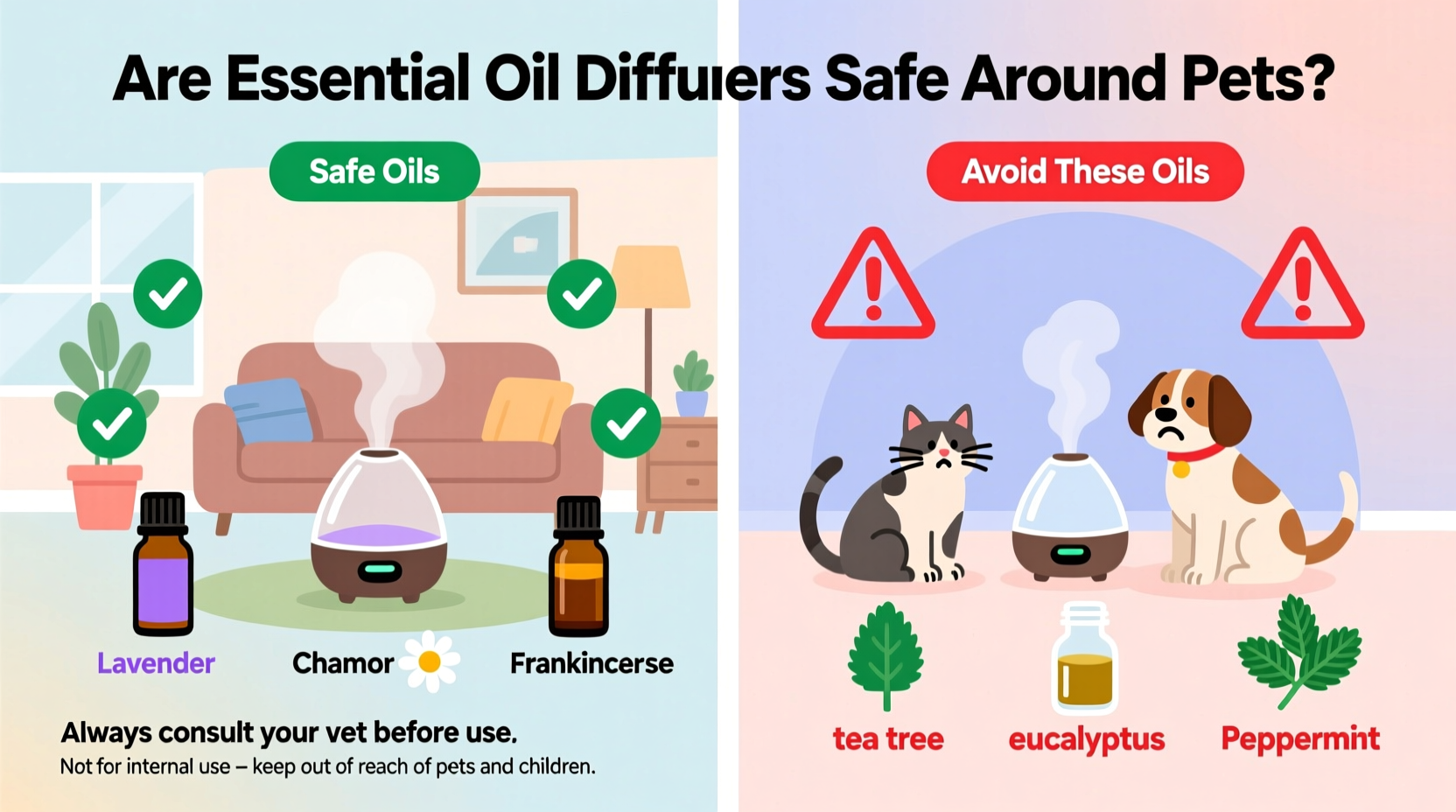
Most essential oil diffusers operate by breaking down concentrated plant extracts into microscopic particles suspended in water vapor. These fine mists disperse into the air, where they’re inhaled or absorbed through the skin. While this method is non-invasive for humans, it poses unique challenges for animals.
Pets often spend more time at floor level, where heavier oil droplets settle. Their grooming habits—especially in cats—can lead to ingestion of oils clinging to fur. Birds, with highly efficient respiratory systems designed for flight, are especially vulnerable to airborne irritants. Even short-term exposure to certain essential oils can trigger severe reactions.
Unlike humans, many animals lack specific liver enzymes needed to metabolize compounds found in common essential oils. For example, cats cannot properly process phenols and monoterpene hydrocarbons, which are abundant in oils like eucalyptus, tea tree, and citrus. This metabolic limitation increases their risk of toxicity.
Species-Specific Risks of Essential Oil Exposure
Different animals react differently to essential oils. Recognizing these variations is key to making informed decisions.
Cats: The Most Vulnerable
Cats are particularly sensitive due to their limited glucuronidation pathway—the liver function responsible for detoxifying certain chemicals. Oils such as peppermint, wintergreen, citrus, pine, and cinnamon contain compounds that can cause liver damage, respiratory distress, or neurological symptoms like tremors and seizures.
A case reported by the ASPCA Animal Poison Control Center involved a cat developing lethargy, vomiting, and ataxia after prolonged exposure to a diffuser using citrus oil. Despite no direct contact, inhalation alone led to clinical signs requiring veterinary intervention.
Dogs: Moderately Sensitive
Dogs generally tolerate essential oils better than cats but are still at risk, especially with high concentrations or continuous exposure. Breeds with flat faces (brachycephalic), like Bulldogs or Pugs, may experience worsened breathing difficulties. Symptoms of overexposure include drooling, coughing, wobbling, and fatigue.
Oils like tea tree (melaleuca), clove, and ylang-ylang are known to be problematic. Ingestion—through licking oily fur or surfaces—is far more dangerous than inhalation, but both routes matter.
Birds: Extremely High Risk
Birds possess one of the most efficient respiratory systems in the animal kingdom. Their air sacs allow for rapid gas exchange, but this also means airborne toxins enter their bloodstream quickly. Even low levels of volatile organic compounds (VOCs) from diffused oils can lead to respiratory failure.
Avian veterinarians consistently advise against using any type of aerosolized product around birds. Eucalyptus, tea tree, and pine oils have been linked to acute respiratory distress and sudden death in parakeets and cockatiels.
Small Mammals: Delicate Respiratory Tracts
Animals like hamsters, gerbils, and rabbits have small lungs and rapid breathing rates. Their enclosures, often located indoors, make them passive recipients of diffused oils. Irritation can lead to labored breathing, reduced appetite, and stress-induced illness.
“Essential oils aren’t inherently bad, but their delivery method matters. Inhalation bypasses many natural defenses, making pets vulnerable even at low doses.” — Dr. Jennifer Graham, DVM, Exotic Animal Specialist, Tufts University
Essential Oils: Safe vs. Unsafe for Pets
Not all essential oils are equally hazardous. Some are relatively benign when used cautiously; others should be avoided entirely. The table below summarizes common oils and their safety profiles.
| Essential Oil | Safety for Cats | Safety for Dogs | Safety for Birds |
|---|---|---|---|
| Lavender (diluted, occasional) | Caution – only in low concentration | Generally safe if well-diluted | Unsafe – avoid completely |
| Chamomile | Low risk with extreme caution | Safe in moderation | Unsafe |
| Peppermint | Highly toxic | Use with caution; avoid near face | Highly toxic |
| Tea Tree (Melaleuca) | Extremely toxic | Highly toxic, even diluted | Extremely toxic |
| Eucalyptus | Toxic | Not recommended | Fatal risk |
| Lemon/Citrus | Toxic (liver damage risk) | Caution – may cause GI upset | Unsafe |
| Rosemary | May cause seizures | Generally safe in trace amounts | Unsafe |
This table underscores a vital point: there is no universal “pet-safe” oil. Even those considered mild can become harmful depending on concentration, duration of exposure, and individual animal sensitivity.
Practical Guidelines for Using Diffusers Around Pets
You don’t necessarily need to eliminate diffusers from your home. With thoughtful precautions, you can balance wellness goals with pet safety. Follow this step-by-step guide to minimize risk.
- Choose the right location. Place diffusers in rooms pets don’t access regularly, such as home offices or guest bedrooms. Never use them in enclosed spaces where animals sleep or eat.
- Limit diffusion time. Run the diffuser for no more than 15–30 minutes at a time, followed by several hours of ventilation. Continuous diffusion dramatically increases exposure risk.
- Ensure proper ventilation. Open windows or use fans to disperse mist quickly. Stagnant air concentrates oil particles, increasing inhalation potential.
- Observe your pet closely. Watch for signs of discomfort: sneezing, coughing, watery eyes, lethargy, or excessive grooming. If observed, turn off the diffuser immediately and move the animal to fresh air.
- Avoid topical products simultaneously. Do not apply essential oils to your skin or your pet’s fur while diffusing. Combined exposure amplifies absorption and risk.
- Store oils securely. Keep bottles locked away. Spills or curious paws can lead to direct ingestion—a medical emergency.
Real-Life Scenario: A Close Call with a Kitten
Sarah, a pet owner from Portland, began using a lavender diffuser nightly to help her sleep. Within days, her 10-week-old kitten, Milo, became unusually quiet, refused food, and started drooling. She initially attributed it to teething but grew concerned when he developed difficulty walking.
After an urgent vet visit, the diagnosis was essential oil toxicity. Though Sarah never applied oil directly to Milo, the constant nighttime diffusion allowed enough inhalation and secondary ingestion (via grooming) to overwhelm his immature liver. Milo required hospitalization for supportive care but eventually recovered.
Her veterinarian advised discontinuing all diffusers in the home. Sarah now uses a plain humidifier and keeps windows open for natural air circulation. “I didn’t realize something meant to relax me could harm him,” she said. “It was a terrifying wake-up call.”
Checklist: Pet-Safe Diffuser Use
- ✅ Confirm the room is pet-free during and after diffusion
- ✅ Limit sessions to under 30 minutes
- ✅ Use only pet-safe oils (if any) at minimal concentration
- ✅ Ensure strong airflow post-diffusion
- ✅ Monitor pets for adverse reactions
- ✅ Avoid diffusing around birds or reptiles entirely
- ✅ Keep oils locked in a cabinet out of reach
- ✅ Consult your vet before introducing new scents
Frequently Asked Questions
Can I ever use essential oils safely around my cat?
Extreme caution is required. Most veterinarians recommend avoiding diffusers entirely for cat owners. If used, ensure the cat has a separate, well-ventilated room to retreat to, and never diffuse continuously. Topical or collar-based oil products are strongly discouraged.
Are “pet-safe” labeled diffuser blends actually safe?
Marketing terms like “pet-safe” are largely unregulated. Many such blends still contain diluted forms of risky oils. Independent testing is rare, and safety claims often lack scientific backing. When in doubt, assume caution and consult a veterinary professional.
What should I do if my pet shows signs of oil exposure?
Turn off the diffuser immediately and move your pet to fresh air. Do not induce vomiting unless instructed by a vet. Contact your veterinarian or the ASPCA Animal Poison Control Center (888-426-4435) right away. Have the oil bottle ready for ingredient review.
Conclusion: Balance Wellness with Responsibility
Essential oil diffusers aren’t inherently off-limits for pet owners—but they demand respect, awareness, and restraint. The line between ambiance and hazard can be thin, especially for animals whose biology makes them more susceptible to environmental toxins.
Instead of skipping diffusers entirely, consider modifying how and when you use them. Opt for shorter bursts in unoccupied spaces, choose gentler alternatives, or explore non-oil methods of air freshening. Your well-being matters, but so does your pet’s.
Every choice in a shared home carries responsibility. By staying informed and vigilant, you can create a space that nurtures both human and animal health—without compromise.




 浙公网安备
33010002000092号
浙公网安备
33010002000092号 浙B2-20120091-4
Comments
No comments yet. Why don't you start the discussion?