
Fabric and plastic tablecloths have long served as functional and decorative elements in homes, restaurants, and event spaces. While trends shift and materials evolve, the debate over which is better—or even relevant—persists. Are fabric tablecloths a relic of past decades, replaced by modern convenience? Or do they still hold value in today’s fast-paced, eco-conscious world? And where does plastic fit in—merely as a disposable compromise or a practical solution under certain conditions?
The answer isn’t binary. Each material has strengths and limitations shaped by context: the type of event, audience, budget, environmental concerns, and desired aesthetic. Understanding when and why to choose one over the other leads to smarter decisions—whether you're hosting a backyard barbecue or planning a formal wedding reception.
The Enduring Appeal of Fabric Tablecloths
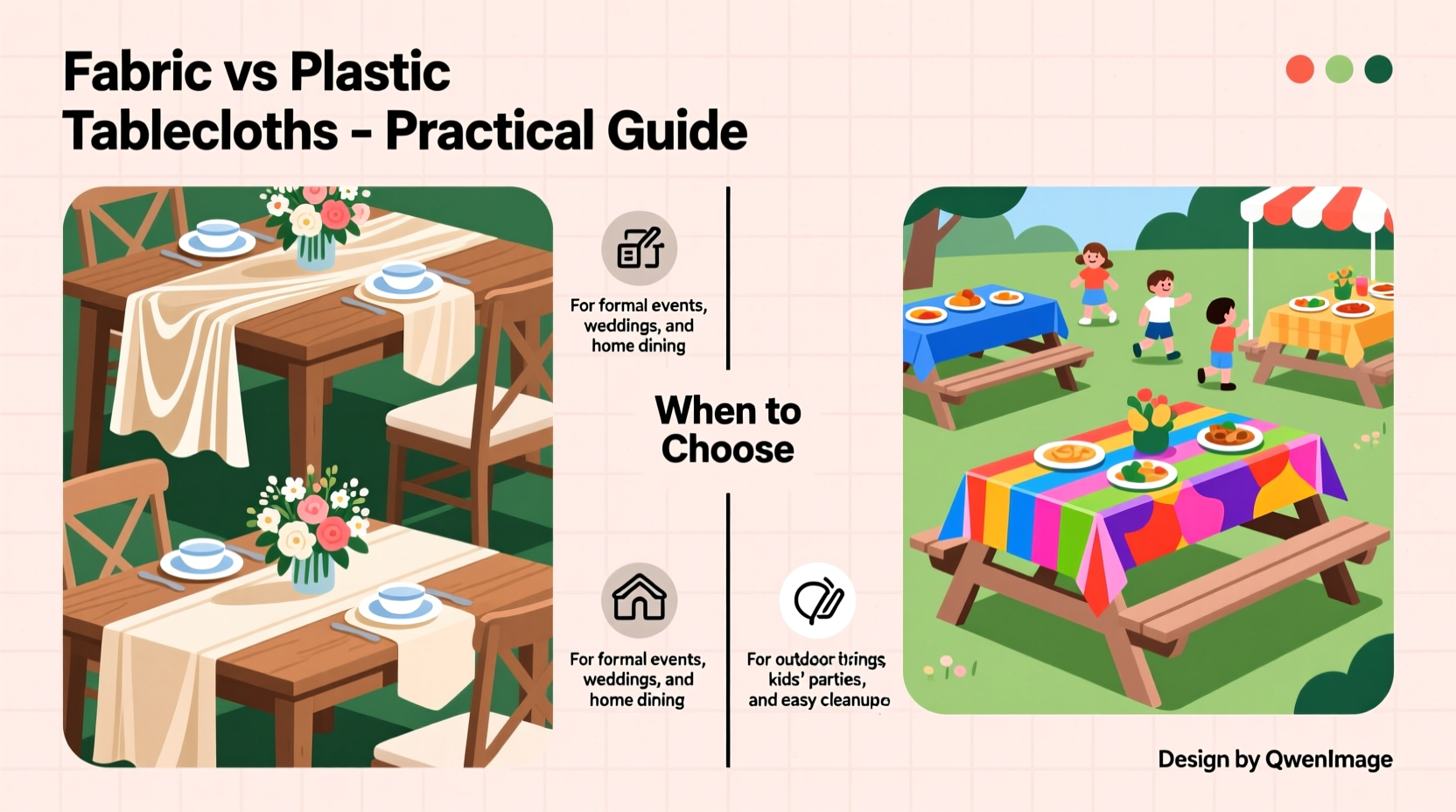
Fabric tablecloths remain a staple in fine dining, weddings, and upscale events. Their texture, drape, and range of colors and patterns elevate the ambiance of any gathering. Materials like cotton, linen, polyester blends, and damask offer durability and elegance that plastic simply can't replicate.
Well-maintained fabric tablecloths contribute to a polished, intentional atmosphere. They absorb light softly, reducing glare, and their weight gives them stability in breezy outdoor settings. Additionally, high-quality linens can be reused hundreds of times with proper care, making them cost-effective and sustainable in the long run.
“Linen tablecloths are not just about appearance—they signal respect for guests and occasion. There’s a tactile warmth that plastic will never provide.” — Clara Mendez, Event Stylist & Hospitality Consultant
When Plastic Tablecloths Make Sense
Despite their reputation for being “cheap” or temporary, plastic tablecloths serve vital roles in specific scenarios. Their primary advantage lies in functionality: they’re waterproof, easy to wipe clean, and require no laundering. This makes them ideal for environments where spills, messes, and quick turnover are expected.
Consider family picnics, children’s birthday parties, craft events, or outdoor festivals—settings where food, paint, or weather pose risks. In such cases, plastic acts as a protective layer, preserving underlying surfaces and minimizing cleanup time. For caregivers, teachers, or large-scale organizers, this efficiency is invaluable.
Moreover, in regions with limited access to laundry facilities or during emergencies (e.g., disaster relief), disposable plastic covers ensure hygiene without burdening resources.
Real-World Example: A Community Fundraiser
A local nonprofit organizing a pancake breakfast for 200 people faced a logistical challenge: volunteers had only two hours to set up and clean afterward. They opted for vinyl-backed fabric cloths on donor tables (to maintain dignity and presentation) and clear plastic over standard tables in the serving area. The result? Minimal cleanup, preserved aesthetics where it mattered, and zero damage to folding tables from syrup and butter spills.
Comparing Fabric vs. Plastic: A Practical Breakdown
| Feature | Fabric Tablecloths | Plastic Tablecloths |
|---|---|---|
| Lifespan | Years with proper care (50+ uses) | Single-use to moderate reuse (3–5 uses if stored well) |
| Cleanability | Machine washable; may require ironing | Wipe clean; no washing needed |
| Eco-Impact | Lower long-term waste; higher water/energy use in washing | High waste; often non-recyclable |
| Cost Over Time | Higher upfront, lower per-use cost | Low upfront, higher recurring cost |
| Aesthetic Quality | Warm, elegant, customizable | Functional, utilitarian, can look cheap |
| Weather Resistance | Poor (absorbs moisture, stains easily) | Excellent (waterproof, wind-resistant) |
Common Misconceptions About Fabric Linens
One reason fabric tablecloths are sometimes labeled “outdated” stems from outdated practices—not the material itself. People recall stiff, yellowed cloths from decades ago, poorly stored and infrequently replaced. But modern textile technology offers stain-resistant finishes, wrinkle-free weaves, and eco-friendly dyes that enhance performance without sacrificing beauty.
Additionally, the rise of rental services has made high-end linens accessible without ownership. Many event planners now rent designer tableware, including premium fabrics, eliminating storage and cleaning burdens while maintaining sophistication.
Checklist: Choosing the Right Tablecloth for Your Event
- ✅ Define the formality level: Is this a black-tie dinner or a taco truck pop-up?
- ✅ Assess likely mess factors: Will there be wine, paint, or toddlers?
- ✅ Consider duration: Is it a one-hour lunch or an all-day festival?
- ✅ Evaluate cleanup capacity: Do you have staff, volunteers, or time to launder?
- ✅ Review environmental priorities: Are you aiming for zero-waste or minimal impact?
- ✅ Budget for total cost: Include purchase, maintenance, and replacement.
Smart Hybrid Strategies
In many cases, the best approach isn’t choosing one material exclusively but combining both strategically. A growing trend among event designers involves using fabric as the base layer and topping it with a clear plastic overlay or runner. This preserves the visual richness of fabric while adding spill protection where needed—especially useful on buffet tables or near drink stations.
Another hybrid method: using fabric on guest tables and plastic on service or utility tables. This balances aesthetics with practicality, ensuring guests feel welcomed while staff benefit from low-maintenance surfaces.
Environmental Considerations and Sustainability
As sustainability becomes central to consumer choices, the lifecycle of table coverings matters more than ever. Single-use plastics contribute significantly to landfill waste and microplastic pollution. However, reusable vinyl or PVC cloths—while durable—can off-gas harmful chemicals and are rarely recyclable.
In contrast, organic cotton or hemp tablecloths, though requiring water and energy for washing, can last years and biodegrade at end-of-life. For eco-conscious users, investing in quality fabric and adopting green laundry practices (cold washes, line drying, eco-detergents) reduces environmental footprint over time.
FAQ
Are fabric tablecloths still used in restaurants?
Yes, especially in mid-to-high-end establishments. Fine dining restaurants often use white linen to convey tradition, cleanliness, and attention to detail. Casual eateries may opt for wipeable synthetics or skip tablecloths altogether.
Can plastic tablecloths be recycled?
Most cannot. Standard plastic tablecloths are made from polyethylene or PVC, which are difficult to recycle due to contamination and thin gauge. Some specialty recyclers accept clean vinyl, but curbside programs typically do not.
How can I make plastic tablecloths look less cheap?
Choose solid colors over prints, pair with nice centerpieces or cloth napkins, and secure edges neatly. Clear vinyl with fabric runners or layered placemats also improves perceived quality.
Conclusion: Context Is Everything
Fabric tablecloths are not outdated—they’ve evolved. Their role has shifted from universal default to intentional choice, reserved for moments when atmosphere, dignity, and sensory experience matter. Plastic, meanwhile, fills critical niches where protection, speed, and simplicity outweigh presentation.
The key is thoughtful selection. Ask not which material is “better,” but which is better suited to your specific needs. By matching function with form, you create experiences that are both beautiful and practical—without unnecessary waste or wasted effort.




 浙公网安备
33010002000092号
浙公网安备
33010002000092号 浙B2-20120091-4
Comments
No comments yet. Why don't you start the discussion?