
Facial rollers have surged in popularity as a staple of at-home skincare routines. Crafted from materials like jade, rose quartz, or stainless steel, these tools promise to depuff, sculpt, and enhance product absorption. But one question consistently surfaces: should you chill your facial roller before use? While many swear by the refreshing tingle of a cold roller gliding across their skin, others argue that room-temperature use is just as effective. The truth lies in understanding how temperature interacts with skin physiology and the mechanics of facial massage.
The practice of cooling skincare tools isn’t new. Dermatologists have long recommended cold compresses for inflammation, and spas frequently use chilled metal instruments during facials. When applied correctly, cold temperatures can constrict blood vessels, reduce swelling, and temporarily tighten the skin. But does this translate into measurable benefits when using a facial roller? And are there risks to over-chilling or misusing cooled tools?
How Temperature Affects Skin Physiology
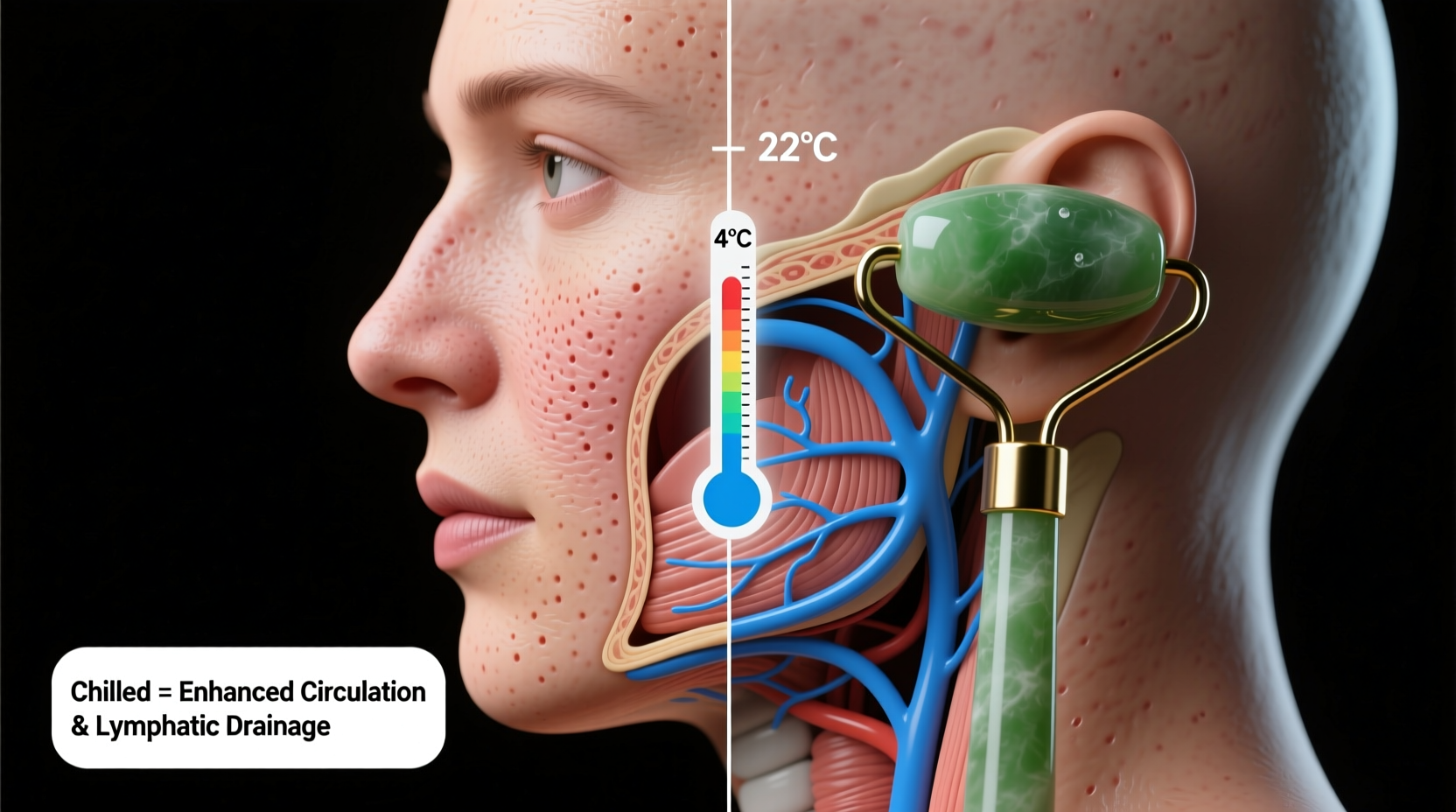
Skin responds dynamically to temperature changes. Warmth increases blood flow, which can help with product penetration and relaxation of facial muscles. Cold, on the other hand, causes vasoconstriction—narrowing of blood vessels—which reduces circulation temporarily. This may sound counterintuitive, but in cases of puffiness or inflammation, reduced blood flow can actually be beneficial.
When you wake up with puffy eyes or a bloated face after a salty meal or poor sleep, chilled facial rollers can provide immediate visual improvement. The cold temperature helps minimize fluid accumulation under the skin by slowing down lymphatic drainage and reducing capillary leakage. It’s similar to placing a cold spoon over swollen eyelids—a time-tested trick with real physiological backing.
“Cold therapy is a well-documented method for reducing acute inflammation and edema. When applied properly, it can offer both cosmetic and therapeutic benefits.” — Dr. Lena Patel, Board-Certified Dermatologist
Beyond depuffing, cold can also create a temporary firming effect. As collagen fibers contract slightly in cooler conditions, the skin may appear tighter and more lifted immediately after use. However, these effects are short-lived and do not replace long-term anti-aging treatments.
The Science Behind Chilled Facial Rolling
A 2021 study published in *Clinical, Cosmetic and Investigational Dermatology* examined the effects of cryo-facials (cold facial treatments) on skin elasticity and hydration. Participants who used cooled tools for five minutes daily reported improved contour definition and reduced morning puffiness within two weeks. While the study didn’t isolate facial rollers specifically, its findings support the broader principle: controlled cold application enhances certain aesthetic outcomes.
The mechanism is twofold:
- Lymphatic stimulation: Gentle rolling motions encourage lymph fluid movement. When combined with cold, this can prevent stagnation and reduce under-eye bags or cheek swelling.
- Vasoconstriction and rebound circulation: Initial narrowing of blood vessels is followed by mild dilation once the skin warms again, creating a “flush” effect that brings fresh oxygen and nutrients to the surface.
However, overuse of cold can impair microcirculation if done excessively. Skin needs balanced blood flow for repair and regeneration. Therefore, moderation is key—especially for those with sensitive or rosacea-prone skin.
Chilled vs. Room-Temperature Rollers: A Practical Comparison
Not all facial rolling sessions require cold. The ideal temperature depends on your goals, skin type, and time of day. Below is a breakdown of when each approach excels.
| Use Case | Chilled Roller Benefits | Room-Temp Roller Benefits |
|---|---|---|
| Morning routine | Reduces puffiness, wakes up complexion | Mild lifting, no shock to sensitive skin |
| Evening recovery | Calms redness, soothes irritation | Promotes deeper product absorption |
| Dry or mature skin | Risk of tightening too much; may feel uncomfortable | Warmer touch improves serum penetration |
| Oily/acne-prone skin | Helps control sebum, shrinks appearance of pores | Less risk of clogging if used with oils |
| Sensitive skin | May trigger flushing or discomfort | Gentler, less likely to cause reactivity |
As shown, chilled rollers shine in de-puffing and toning roles, particularly in the morning. Room-temperature tools are better suited for evening routines where the goal is nourishment and deep treatment rather than quick visual correction.
Step-by-Step Guide to Using a Chilled Facial Roller Effectively
To maximize benefits while minimizing risks, follow this evidence-based routine:
- Prep the roller: Place your facial roller in the refrigerator (not freezer) for 10–15 minutes. Avoid freezing—it can make the stone brittle and too harsh on delicate facial skin.
- Cleanse first: Start with a clean face to prevent pushing dirt or oil into pores.
- Apply a serum or oil: Use a lightweight, non-comedogenic product to reduce friction. Hyaluronic acid serums work well with cold tools as they lock in hydration.
- Begin at the center: Start rolling from the nose outward along the cheeks, moving toward the ears. Use upward strokes along the jawline to lift and drain lymph.
- Under-eye care: Gently roll from the inner corner of the eye outward. Do not press hard—this area has thin skin.
- Finish with neck: Extend movements downward to encourage lymphatic drainage into the collarbone.
- Wipe and store: Clean the roller with a soft cloth and mild soap after use. Return it to a dry space—avoid moisture buildup.
This sequence ensures optimal lymphatic flow and avoids tugging or irritation. For best results, perform chilled rolling no more than once daily, preferably in the morning.
Common Misconceptions About Cold Facial Tools
Despite growing popularity, several myths persist about chilled rollers:
- Myth: Colder is always better. Extremely cold tools can damage capillaries or trigger reactive hyperemia (excessive redness). Stick to refrigeration, not ice baths.
- Myth: They replace professional treatments. While helpful, rollers don’t match the results of radiofrequency, microneedling, or injectables.
- Myth: All stones hold cold equally. Jade retains coolness moderately; rose quartz longer due to density; stainless steel stays coldest the longest.
Understanding these nuances prevents misuse and sets realistic expectations.
Mini Case Study: Reducing Morning Puffiness with Consistent Chilled Rolling
Sarah, a 34-year-old graphic designer, struggled with persistent facial puffiness upon waking. She attributed it to stress, late nights, and high sodium intake. After reading about chilled facial rollers, she incorporated a 5-minute morning routine using a refrigerated rose quartz tool.
For three weeks, she rolled her face gently after applying a hydrating serum, focusing on her under-eyes and jawline. By week two, she noticed her eyes looked less swollen and makeup applied more smoothly. Her dermatologist confirmed mild improvement in periorbital edema during a check-up, noting that consistent lymphatic massage likely contributed to the change.
While not a cure-all, Sarah found the ritual calming and effective enough to continue indefinitely. She now keeps her roller in the fridge and uses it six mornings a week.
Expert Tips for Maximizing Results
Checklist: Safe & Effective Chilled Facial Rolling
- ✅ Refrigerate roller for 10–15 minutes (max)
- ✅ Clean face before rolling
- ✅ Use a glide-friendly product (serum or oil)
- ✅ Apply light pressure—let the tool do the work
- ✅ Roll in upward and outward motions
- ✅ Focus on lymphatic exit points (behind ears, collarbone)
- ✅ Clean roller after each use
- ❌ Avoid pressing over active acne or broken skin
- ❌ Don’t freeze the roller
- ❌ Don’t use on sunburned or irritated skin
Frequently Asked Questions
Can I leave my facial roller in the fridge all the time?
Yes, storing your roller in the refrigerator between uses is safe and convenient. Just ensure it’s wrapped in a clean cloth or stored in a sealed pouch to avoid contamination. Avoid leaving it exposed to food odors or spills.
Do I need to chill my roller to get results?
No. While chilling enhances depuffing and toning effects, room-temperature rolling still supports lymphatic drainage and product absorption. If you have sensitive skin or dislike the cold sensation, warming the roller slightly in your hands is perfectly acceptable.
Is there a difference between jade and rose quartz when chilled?
Yes. Rose quartz is denser and retains cold longer than jade, making it slightly more effective for sustained cooling. Jade is lighter and may warm up faster during use. Both are effective, but rose quartz offers a longer-lasting chill.
Conclusion: Should You Chill Your Facial Roller?
The answer depends on your goals. If you’re aiming to reduce morning puffiness, tighten the appearance of pores, or calm inflammation, then yes—chilling your facial roller provides measurable, visible benefits. The cold enhances vasoconstriction and lymphatic drainage, offering an instant refresh that room-temperature tools can’t replicate.
However, chilling isn’t mandatory. For hydration-focused routines or sensitive skin types, a gentle roll at ambient temperature remains highly effective. The key is consistency, proper technique, and pairing the tool with quality skincare products.
Ultimately, temperature is a tool enhancer—not a magic fix. Used wisely, a chilled facial roller can elevate your routine, offering both sensory pleasure and subtle aesthetic improvements. But remember: glowing skin comes from a holistic approach that includes sleep, diet, sun protection, and medical-grade ingredients when needed.




 浙公网安备
33010002000092号
浙公网安备
33010002000092号 浙B2-20120091-4
Comments
No comments yet. Why don't you start the discussion?