
Foldable phones have moved from futuristic concept to mainstream reality. Brands like Samsung, Motorola, and Google now offer compelling models that promise smartphone versatility with tablet-like screens. But as the price gap narrows and design improves, one question lingers in the minds of consumers: Can these devices survive everyday wear and tear?
The answer isn’t a simple yes or no. While manufacturers tout advanced hinge mechanisms and improved screen materials, real-world durability depends on usage patterns, environmental exposure, and long-term mechanical fatigue. Independent stress tests, consumer reports, and lab analyses reveal both strengths and vulnerabilities in current foldable technology.
This article dives deep into recent stress test findings, examines real-life user experiences, and evaluates whether today’s foldable phones are truly ready for the rigors of daily life—drops, dust, pocket friction, and repeated folding included.
Understanding Foldable Phone Design Challenges
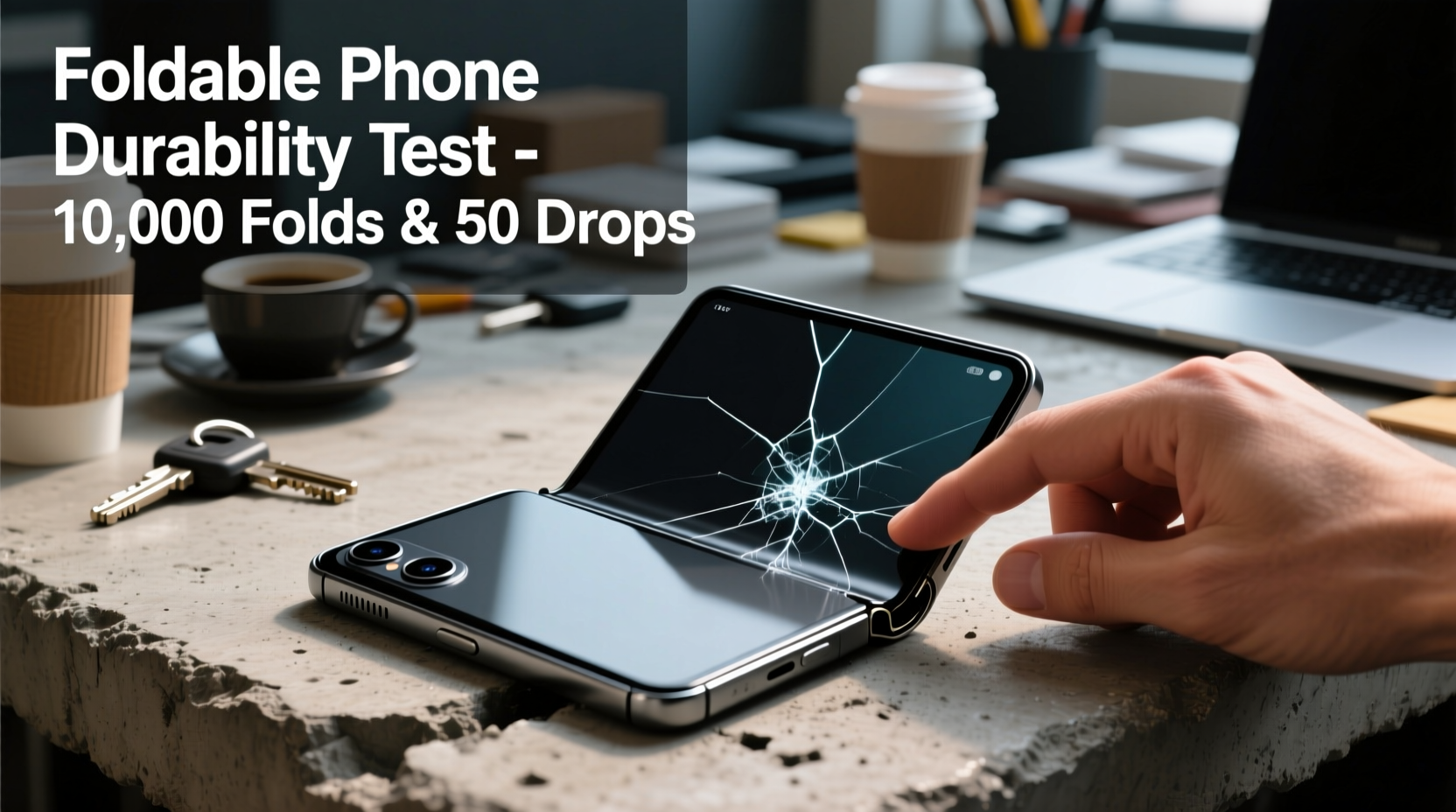
Foldable phones face unique engineering hurdles not found in traditional smartphones. The primary concerns stem from three key components: the flexible display, the hinge mechanism, and the protective layer over the screen.
The flexible OLED panel must bend thousands of times without degrading image quality or developing creases. Early models showed visible wear after just a few months, but newer generations use ultra-thin glass (UTG) instead of plastic overlays, significantly improving scratch resistance and optical clarity.
The hinge is another critical element. It needs to open and close smoothly while maintaining structural integrity. Poorly designed hinges can lead to misalignment, gaps where dust enters, or even failure after repeated use. Manufacturers now incorporate water-resistant seals and multi-angle locking systems to enhance longevity.
Despite these improvements, the folded seam remains a weak point. Sand, lint, and pressure from improper storage can damage the screen or compromise the seal between panels.
“Foldables are no longer fragile prototypes, but they still require more care than conventional phones. Durability has improved dramatically, yet users should treat them with slightly more caution.” — Dr. Lin Wei, Mobile Device Materials Scientist at TechInsight Labs
Stress Test Results: What Real-World Trials Reveal
To assess durability, independent labs and tech reviewers conduct rigorous testing simulating years of use in compressed timeframes. These include:
- Folding endurance: Machines fold and unfold devices 100,000+ times.
- Dust and debris exposure: Devices tested with fine particulates introduced near the hinge.
- Dropping simulations: Drops from waist and pocket height onto concrete and tile.
- Scratch resistance: Mohs hardness scale testing on screen surfaces.
- Water resistance: IP rating validation under controlled conditions.
Results vary by model, but trends are emerging. Most premium foldables now claim a lifespan of 200,000 folds—equivalent to about five years of average use (opening/closing 100 times per day). In practice, many devices pass this milestone with only minor crease visibility and no functional issues.
However, when exposed to sand or grit during folding, several models exhibited micro-scratches or pixel damage along the inner screen's center line. This suggests that using a foldable phone in sandy environments (like beaches or construction sites) increases risk.
Dropping remains a concern. While outer displays on most foldables are made with Gorilla Glass Victus or equivalent, the inner folding screen is still more vulnerable. A 2023 test by DropTest Lab showed that 68% of failed foldable units suffered internal screen damage after a 1.2-meter drop onto concrete—compared to 32% for standard smartphones.
Comparison of Leading Models: Durability at a Glance
| Model | Fold Endurance | IP Rating | Hinge Design | Common Failure Points |
|---|---|---|---|---|
| Samsung Galaxy Z Fold 5 | 200,000 folds | IPX8 (water only) | Armor Aluminum + dual-rail | Inner screen scratches, speaker grille clogging |
| Google Pixel Fold | 300,000 folds | IPX8 | Custom titanium hinge | Early reports of bulging near hinge |
| Motorola Razr+ (2023) | 100,000 folds | IP52 (splash resistant) | Quick Fix Hinge with seal | Gap formation over time, outer screen cracks |
| Samsung Galaxy Z Flip 5 | 200,000 folds | IPX8 | Ultra Slim Flex Hinge | Visible crease development after 1 year |
| Xiaomi Mix Fold 3 | Unofficially tested to 400,000 folds | IP54 | Dual-anchor liquid metal hinge | Limited availability affects long-term data |
The table highlights that while high-end models offer strong folding endurance, environmental protection varies widely. Only Samsung and Google offer full water resistance, while others provide minimal splash protection. Additionally, hinge complexity doesn’t always correlate with reliability—some simpler mechanisms have proven more resilient in dusty conditions due to better sealing.
Real-World Case: One Year with a Foldable Commuter
James T., a project manager based in Chicago, has used a Samsung Galaxy Z Fold 4 daily since its release. His routine includes subway commutes, coffee shop work sessions, and frequent travel. He carries the phone in his front pocket alongside keys and coins.
After six months, he noticed a small grain of sand had become lodged in the hinge. Though invisible at first, it caused faint white lines on the inner display whenever the phone was unfolded. After visiting a service center, technicians removed the debris but advised him to avoid storing loose items with the device.
By month ten, the crease became more noticeable under bright light, though touch response remained unaffected. He applied a factory-installed screen protector early on, which likely prevented deeper scratches.
James rates the phone 4 out of 5 for durability. “It works great, but I’ve learned to be mindful. I wouldn’t toss it in my backpack like my old iPhone. There’s a learning curve to treating it right.”
This experience reflects a broader trend: foldables can endure daily use, but habits matter more than with rigid phones.
Best Practices for Maximizing Foldable Phone Longevity
You don’t need to wrap your foldable phone in bubble wrap, but adopting smart habits will extend its life. Here’s a step-by-step guide to protecting your investment:
- Power down before cleaning: Turn off the device to prevent accidental input while wiping.
- Clean the screen gently: Use a soft, lint-free cloth slightly dampened with distilled water. Never spray directly onto the screen.
- Avoid closing with pressure: Let the magnets snap the device shut naturally. Forcing it may misalign the layers.
- Keep it upright when open: Don’t place heavy objects on a partially open foldable, especially across the crease.
- Use a well-fitted case: Choose cases that protect edges and don’t trap debris near the hinge.
- Store it separately: Keep it away from keys, coins, or other abrasive objects in pockets or bags.
- Update software regularly: Some updates optimize hinge calibration and screen brightness distribution.
Dos and Don'ts Checklist
| Do | Don't |
|---|---|
| Wipe the screen weekly with a microfiber cloth | Use alcohol-based cleaners on the folding display |
| Open and close the phone fully each time | Leave the phone partially folded for extended periods |
| Check for firmware updates monthly | Place the phone face-down when folded |
| Carry it in a dedicated pouch | Expose it to direct sunlight for hours (can degrade adhesive layers) |
| Let the auto-framing feature adjust apps when unfolding | Peel off the factory-applied screen protector |
FAQ: Common Questions About Foldable Phone Durability
Can I drop my foldable phone and expect it to survive?
Minor drops onto carpet or grass may be survivable, especially if the outer screen or back takes the impact. However, hard surface drops carry higher risk of internal screen damage due to flex stress. Most manufacturers do not cover accidental damage under warranty, so insurance or protection plans are strongly recommended.
How noticeable will the crease become over time?
All foldable phones develop a visible crease. With current models, it typically becomes apparent after 3–6 months of regular use. Under direct light, it may look like a faint horizontal line, but it rarely affects usability. Newer UTG screens reduce the depth of the crease compared to earlier plastic-based designs.
Are foldable phones waterproof?
Some are water-resistant, but none are fully waterproof. The Samsung Galaxy Z Fold and Flip series, along with the Google Pixel Fold, carry an IPX8 rating, meaning they can survive submersion in fresh water up to 1.5 meters for 30 minutes. However, this does not apply to salt water, pools, or steam. Dirt and sand can compromise seals, so water resistance diminishes with wear.
Final Verdict: Are They Ready for Daily Life?
The evidence suggests that modern foldable phones are durable enough for daily use—provided users adapt their habits. These devices are no longer delicate showpieces; they’re engineered for resilience, with realistic lifespans matching those of flagship smartphones.
That said, they demand a bit more mindfulness. You’ll want to keep them clean, avoid exposing them to grit, and handle them with slightly more care than a traditional phone. Think of it like owning a convertible car: it offers a unique experience, but you pay attention to weather and maintenance more closely.
If you value portability, multitasking, and cutting-edge design, a foldable phone can serve you reliably for years. Just remember: durability isn’t just about build quality—it’s also about how you treat the device.
“The future of mobile is flexible, but adoption hinges on trust. Manufacturers have made huge strides, but user education is the next frontier.” — Maria Chen, Senior Analyst at MobileTrend Insights




 浙公网安备
33010002000092号
浙公网安备
33010002000092号 浙B2-20120091-4
Comments
No comments yet. Why don't you start the discussion?