
LED face masks have surged in popularity as a non-invasive tool for improving skin health at home. Marketed for reducing acne, fading scars, and promoting collagen production, these devices promise dermatologist-grade results without needles or downtime. But with growing enthusiasm comes important questions: Are they truly safe for daily use? And can they genuinely help diminish acne scars over time?
The answers lie in understanding how light therapy works, what clinical evidence supports its claims, and how to use these devices responsibly. While LED technology is rooted in medical research, misuse or overuse can lead to unintended consequences. This article examines safety protocols, effectiveness for scar reduction, expert insights, and practical guidance for integrating LED masks into your skincare routine.
How LED Light Therapy Works on Skin
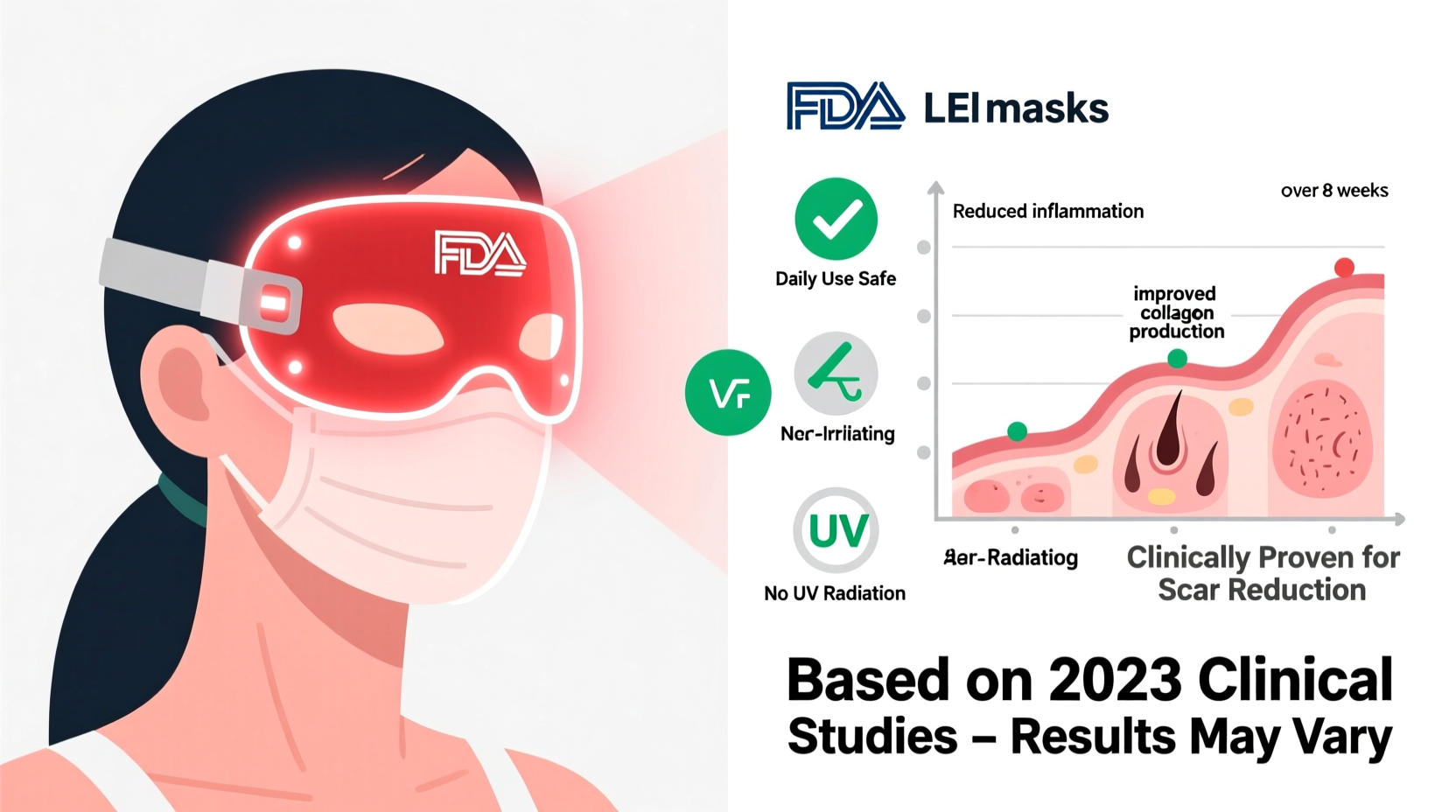
LED (light-emitting diode) therapy uses specific wavelengths of light to penetrate the skin at varying depths, triggering biological responses in cells. Unlike UV light, which damages DNA and accelerates aging, LED light is non-thermal and does not emit harmful radiation. Instead, it delivers targeted energy that stimulates cellular activity.
Different colors of light serve distinct purposes:
- Blue light (400–470 nm): Targets acne-causing bacteria (*Propionibacterium acnes*) by activating porphyrins within the microbes, leading to their destruction.
- Red light (630–700 nm): Penetrates deeper into the dermis, stimulating fibroblasts to produce collagen and elastin—key proteins for skin firmness and repair.
- Near-infrared (800–900 nm): Reaches even deeper tissue layers, reducing inflammation and accelerating wound healing, which may support scar remodeling.
When applied consistently, this photobiomodulation process enhances circulation, reduces oxidative stress, and encourages tissue regeneration. It’s no wonder dermatologists have used professional-grade LED panels for decades in post-procedure recovery and inflammatory skin conditions.
“Phototherapy with red and blue light has measurable effects on skin physiology. The key is consistency and correct dosing.” — Dr. Nina Patel, Board-Certified Dermatologist
Safety of Daily Use: What the Research Says
One of the most common concerns among users is whether daily exposure to LED light poses long-term risks. The short answer: for most people, yes—when used as directed. However, “daily” doesn’t always mean “for hours every day.”
Studies indicate that LED therapy is well-tolerated across skin types, with minimal side effects such as temporary dryness or mild irritation in sensitive individuals. Because it lacks ultraviolet radiation, there's no risk of sunburn or DNA damage. Still, safety hinges on proper usage parameters: duration, frequency, intensity, and device quality.
A 2021 review published in *Dermatologic Surgery* analyzed 15 clinical trials involving at-home LED devices. It concluded that treatments lasting 10–20 minutes per session, 3–5 times weekly, produced significant improvements in acne and skin texture without adverse events. Notably, no study reported harm from appropriate use—even over several months.
However, excessive use (e.g., multiple long sessions per day) may overwhelm skin cells, potentially disrupting natural repair cycles. Some experts caution against using high-powered masks more than once daily unless under medical supervision.
Can LED Masks Reduce Acne Scars?
Acne scars form when inflamed lesions damage collagen during breakouts. There are two main types: atrophic (depressed) scars and hypertrophic (raised) scars. Most over-the-counter LED masks aim to improve atrophic scarring through enhanced collagen synthesis and reduced inflammation.
While LED therapy won’t erase deep icepick or boxcar scars completely, consistent use can lead to visible softening of scar edges, improved skin tone, and increased surface smoothness. Red and near-infrared light are particularly effective here, as they stimulate fibroblast activity and promote angiogenesis—the formation of new blood vessels essential for healing.
In a randomized controlled trial conducted by Harvard-affiliated researchers, participants using red LED therapy five times a week for 12 weeks showed a 36% improvement in scar appearance compared to a placebo group. Results were gradual but cumulative, with maximal benefits seen after three months.
It’s important to note that LED masks work best as part of a comprehensive regimen. They do not exfoliate or resurface like chemical peels or lasers, so pairing them with topical retinoids, vitamin C serums, or microneedling (under professional care) amplifies outcomes.
Realistic Expectations Matter
Many brands suggest dramatic results in just a few weeks, but real-world progress is subtle. Think of LED therapy like fitness for your skin: regular effort yields slow but sustainable gains. Immediate glow? Yes. Scar disappearance in two weeks? Unlikely.
“I’ve had patients who expected miracles after one week. When I explain that collagen rebuilding takes months, they become more patient—and ultimately see better results.” — Dr. Alicia Monroe, Clinical Dermatologist
Step-by-Step Guide to Using LED Masks Safely and Effectively
To get the most out of your LED mask while minimizing risks, follow this structured approach:
- Cleanse thoroughly: Remove all makeup, oils, and residue. Clean skin allows maximum light penetration.
- Remove contact lenses and protect eyes: Close your eyes or use the provided eye shields. Never look directly into active LEDs.
- Select the right setting: For acne scars, choose red or red + infrared mode. Blue light is best reserved for active breakouts.
- Set the timer: Stick to 10–15 minutes unless otherwise advised. Overexposure offers diminishing returns.
- Stay still during treatment: Movement reduces uniform exposure. Relax, breathe, and avoid checking your phone.
- Follow with active skincare: Apply a hyaluronic acid serum or growth factor cream immediately after to boost absorption.
- Use consistently: Aim for 3–5 sessions per week for at least 8–12 weeks before evaluating results.
After each use, wipe the mask’s surface with a gentle disinfectant wipe to prevent bacterial buildup—especially if shared between users.
Do’s and Don’ts of At-Home LED Therapy
| Do’s | Don’ts |
|---|---|
| Use on clean, dry skin | Apply over dirty or oily skin |
| Pair with antioxidant-rich serums | Mix with photosensitizing medications (e.g., isotretinoin) without consulting a doctor |
| Store in a cool, dry place | Expose the device to moisture or extreme temperatures |
| Combine with other anti-aging routines | Expect overnight transformation |
| Consult a dermatologist if pregnant or managing autoimmune conditions | Use daily for extended periods without breaks |
Mini Case Study: Sarah’s Experience with Post-Acne Scarring
Sarah, a 28-year-old graphic designer, struggled with persistent red marks and shallow scars from teenage cystic acne. Frustrated by expensive laser treatments with limited insurance coverage, she invested in a FDA-cleared red-light LED mask after reading peer-reviewed studies.
She began using it four times a week for 12 minutes, always following up with a niacinamide serum. After six weeks, she noticed her skin felt smoother and looked more even-toned. By week ten, close friends commented that her complexion appeared “clearer” and less shadowed around the cheeks.
At three months, Sarah took comparison photos under consistent lighting. Though deep scars remained, the overall texture was visibly improved. Her dermatologist confirmed mild collagen remodeling and recommended continuing the routine alongside quarterly chemical peels for enhanced results.
Sarah’s case illustrates that realistic goals and consistency matter more than peak intensity. She didn’t overuse the device and avoided stacking multiple aggressive treatments simultaneously—a common pitfall.
Expert-Backed Checklist for Safe Integration
Before adding an LED mask to your routine, ensure you meet these criteria:
- ✅ Choose a device cleared by regulatory bodies (FDA, CE, or Health Canada)
- ✅ Confirm wavelength specifications (red: ~630–660nm; blue: ~415–470nm)
- ✅ Patch test for sensitivity, especially if prone to rosacea or migraines
- ✅ Avoid use if taking photosensitizing drugs (e.g., tetracyclines, certain antidepressants)
- ✅ Schedule periodic evaluations (every 6–8 weeks) to assess progress
- ✅ Keep a simple journal noting frequency, skin reaction, and perceived changes
Frequently Asked Questions
Can I use an LED mask every day?
Yes, many modern devices are designed for daily use, typically for 10–20 minutes. However, starting with 3–4 sessions per week allows you to monitor how your skin responds. If no irritation occurs, gradually increase frequency. Always adhere to the manufacturer’s recommendations.
Will LED light make my acne scars disappear completely?
Complete removal of acne scars usually requires clinical procedures like fractional lasers or subcision. LED therapy can significantly improve the appearance of mild to moderate scarring by boosting collagen and reducing pigmentation, but it should be viewed as a supportive, not curative, treatment.
Is it safe to use LED masks during pregnancy?
There is no direct evidence that LED light harms fetal development, as it doesn’t enter the bloodstream or affect internal organs. However, hormonal fluctuations during pregnancy can increase skin sensitivity. Consult your OB-GYN or dermatologist before beginning any new skincare regimen.
Final Thoughts: Balancing Innovation with Caution
LED face masks represent a promising advancement in accessible skincare technology. Their ability to reduce inflammation, support healing, and encourage collagen production makes them a valuable ally against acne scars—especially when used thoughtfully. Safety for daily use is well-supported by current research, provided users respect dosage limits and device instructions.
Yet, no gadget replaces foundational skincare principles: sun protection, hydration, and early intervention. An LED mask works best as part of a holistic strategy, not a standalone miracle cure. Patience, consistency, and informed use separate meaningful progress from fleeting trends.




 浙公网安备
33010002000092号
浙公网安备
33010002000092号 浙B2-20120091-4
Comments
No comments yet. Why don't you start the discussion?