
In an increasingly noisy world, noise canceling headphones have become a sanctuary for millions. From commuters battling train rumbles to remote workers silencing household chaos, these devices offer a powerful escape. But as their use becomes more frequent—and often daily—concerns emerge: Can prolonged exposure to noise canceling technology harm your hearing? Are we trading short-term peace for long-term auditory damage?
The truth is nuanced. Noise canceling headphones themselves don’t inherently damage hearing. In fact, they can reduce harmful noise exposure. However, how you use them—volume levels, duration, fit, and personal habits—can significantly influence ear health. Understanding the technology, the physiology of hearing, and real-world usage patterns is essential to making informed decisions.
How Noise Canceling Technology Works
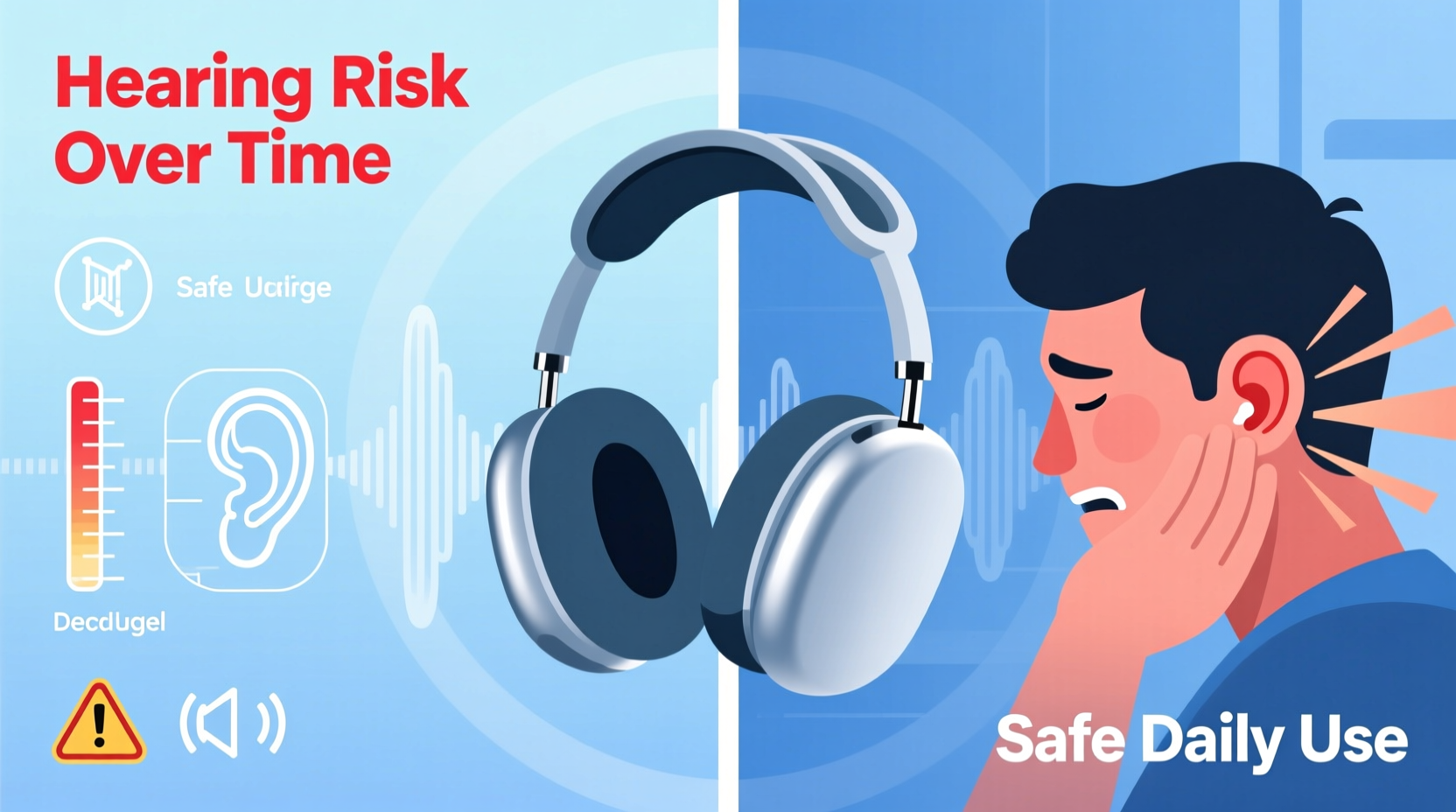
Noise canceling headphones rely on active noise control (ANC), a sophisticated process that uses microphones, speakers, and digital signal processing to counteract external sound waves. Here’s a simplified breakdown:
- Detection: Microphones on the outside of the ear cups pick up ambient noise like engine hums or office chatter.
- Inversion: The headphone’s processor generates a “anti-noise” sound wave—identical in frequency but opposite in phase—to the incoming noise.
- Cancellation: When the anti-noise wave meets the original sound wave, they interfere destructively, effectively reducing or eliminating the perceived noise.
This process is most effective against low-frequency, continuous sounds such as airplane engines, HVAC systems, or traffic drones. It’s less effective with sudden, high-pitched noises like alarms or human voices.
There are two main types:
- Active Noise Canceling (ANC): Uses electronic components to generate anti-noise.
- Passive Noise Isolation: Relies on physical barriers (ear cup design, padding) to block sound—common in well-sealed over-ear or in-ear models.
Most modern ANC headphones combine both methods for optimal performance.
The Science of Hearing and Sound Exposure
Hearing damage typically stems from exposure to loud sounds over time, not silence. The inner ear contains delicate hair cells in the cochlea that convert sound vibrations into electrical signals for the brain. These cells do not regenerate. Once damaged by excessive noise, the result is permanent sensorineural hearing loss.
The World Health Organization (WHO) recommends keeping sound exposure below 85 decibels (dB) for no more than 8 hours per day. For context:
| Sound Source | Decibel Level (dB) | Risk Threshold |
|---|---|---|
| Normal conversation | 60–70 dB | Safe |
| City traffic (inside car) | 80–85 dB | Up to 8 hours |
| Blender or lawnmower | 90 dB | Limited to 2 hours |
| MP3 player at max volume | 100–110 dB | 15 minutes or less |
| Rock concert | 110–120 dB | Near-immediate risk |
Many people assume that because ANC reduces background noise, they’re automatically safer. But if users respond to the quieter environment by increasing audio volume to unsafe levels, the benefit is lost—and the danger grows.
“Even with noise cancellation, listeners often fall into the trap of turning up the volume to feel immersed. That’s where the real risk lies.” — Dr. Lena Patel, Audiologist and Hearing Researcher, Johns Hopkins School of Medicine
Do Noise Canceling Headphones Damage Hearing? Separating Myth from Fact
The short answer: No, not directly. ANC technology does not emit harmful radiation or produce damaging frequencies. The system works by reducing unwanted sound, which can actually lower overall auditory stress.
However, indirect risks exist:
- Volume creep: With ambient noise suppressed, users may unconsciously increase volume to levels that exceed safe thresholds.
- Prolonged wear: Extended use—even at moderate volumes—can cause ear fatigue, pressure discomfort, or contribute to listening fatigue, especially with poorly fitted models.
- Situational awareness: Over-reliance on ANC in public spaces (e.g., walking near traffic) increases accident risk, though this doesn’t affect hearing directly.
- Ear infections: In-ear ANC models, if shared or not cleaned regularly, can harbor bacteria and lead to otitis externa (“swimmer’s ear”).
A 2021 study published in the Journal of the Acoustical Society of America found that participants using ANC headphones listened at average volumes 6–8 dB lower than those using standard headphones in noisy environments. This suggests that, when used correctly, ANC can promote safer listening habits.
The real issue isn’t the technology—it’s user behavior.
Mini Case Study: The Remote Worker’s Dilemma
James, a software developer working from home, began using his premium ANC headphones for 6–8 hours daily to block out construction noise from a neighboring renovation. Initially, he felt relief. But after three months, he noticed a persistent ringing in his ears after removing the headphones and occasional muffled hearing.
Upon visiting an audiologist, James learned he was experiencing early signs of noise-induced hearing loss—not from external noise, but from consistently playing focus music at 85–90 dB to “stay in the zone.” The ANC made it easier to ignore how loud he was listening.
With guidance, James adjusted his habits: limiting daily headphone use to 4 hours, using the 60/60 rule (60% volume for 60 minutes, then a break), and enabling built-in volume limiters. His symptoms improved within weeks.
His story underscores a critical point: convenience should never override caution.
Best Practices for Safe Daily Use
To enjoy the benefits of noise canceling headphones without compromising hearing, follow these evidence-based guidelines:
- Adhere to the 60/60 Rule: Listen at no more than 60% of maximum volume for no longer than 60 minutes at a time. Take a 5–10 minute break to let your ears recover.
- Use Volume Limiters: Most smartphones and music apps allow you to set maximum volume caps. Enable this feature, especially for children or teens.
- Choose Well-Fitting Models: Poorly sealed headphones force you to turn up volume to compensate. Over-ear designs often provide better passive isolation than in-ear buds.
- Monitor Your Environment: Avoid using ANC in situations where hearing alerts (like car horns or sirens) is crucial. Use transparency mode when needed.
- Keep Devices Clean: Wipe ear pads weekly with alcohol-free wipes. Replace foam cushions if cracked or worn.
- Get Regular Hearing Checkups: Especially if you use headphones daily. Early detection of hearing changes allows for timely intervention.
Checklist: Safe Headphone Habits
- ✅ Set volume limit on device
- ✅ Follow 60/60 rule during extended use
- ✅ Take hourly breaks to rest ears
- ✅ Clean ear pads and drivers weekly
- ✅ Use transparency mode in outdoor settings
- ✅ Schedule annual hearing screening
- ✅ Avoid sleeping with ANC headphones on (risk of prolonged exposure)
Comparing Risks: ANC vs. Standard Headphones
It’s worth comparing noise canceling headphones to traditional models to assess relative safety.
| Factor | ANC Headphones | Standard Headphones |
|---|---|---|
| Background noise reduction | High (active + passive) | Low to moderate (passive only) |
| Tendency to increase volume | Moderate (due to quiet environment) | High (to overcome ambient noise) |
| Battery/power dependency | Required for ANC | Not required |
| Pressure sensation | Some users report mild “ear suck” | Rare |
| Overall hearing safety potential | Higher—if used responsibly | Lower—often leads to louder listening |
Interestingly, research suggests that in high-noise environments (e.g., flights, open offices), ANC users tend to listen at lower volumes than those using regular headphones, making them potentially safer in practice.
Frequently Asked Questions
Can noise canceling headphones cause tinnitus?
No direct link exists between ANC technology and tinnitus. However, listening at high volumes through any headphones can contribute to tinnitus over time. The silence created by ANC doesn’t cause ringing—it’s the loud audio played within that silence that poses a risk.
Is it safe to wear noise canceling headphones all day?
Wearing them for extended periods isn’t inherently dangerous, but doing so increases the likelihood of prolonged sound exposure and ear fatigue. Dermatological issues like contact dermatitis or ear canal irritation can also occur from constant pressure. It’s best to take regular breaks and limit continuous use to 4–6 hours maximum.
Do kids need special protection with ANC headphones?
Yes. Children’s ears are more sensitive, and their ability to self-regulate volume is underdeveloped. Use kid-specific ANC models with built-in volume caps (usually 85 dB max). Supervise usage and encourage breaks. The American Academy of Pediatrics recommends limiting headphone use to 1–2 hours per day for children.
Conclusion: Balancing Comfort and Long-Term Hearing Health
Noise canceling headphones are not a threat to hearing when used wisely. In fact, they can be a protective tool—reducing the need to compete with loud environments and lowering overall sound exposure. The danger lies not in the technology, but in how we interact with it.
Daily use is acceptable, even beneficial, provided you maintain safe listening habits. Monitor volume, respect listening durations, keep your devices clean, and stay aware of your body’s signals. Hearing damage is cumulative and irreversible, but entirely preventable with mindful choices.
As audio technology evolves, so must our responsibility. Enjoy the quiet—but protect your ears while you do.




 浙公网安备
33010002000092号
浙公网安备
33010002000092号 浙B2-20120091-4
Comments
No comments yet. Why don't you start the discussion?