
As remote work, travel, and digital entertainment become more immersive, noise canceling headphones have surged in popularity. From commuters seeking peace on crowded trains to professionals focusing in open offices, these devices offer a sanctuary from ambient sound. But with increased usage comes an important question: are they safe for long-term use? While widely considered safe when used responsibly, prolonged or improper use can introduce subtle but significant risks to hearing, ear health, and even cognitive function. This article examines the science behind active and passive noise cancellation, evaluates potential health concerns, and provides actionable guidance for safe, sustainable listening.
How Noise Canceling Headphones Work
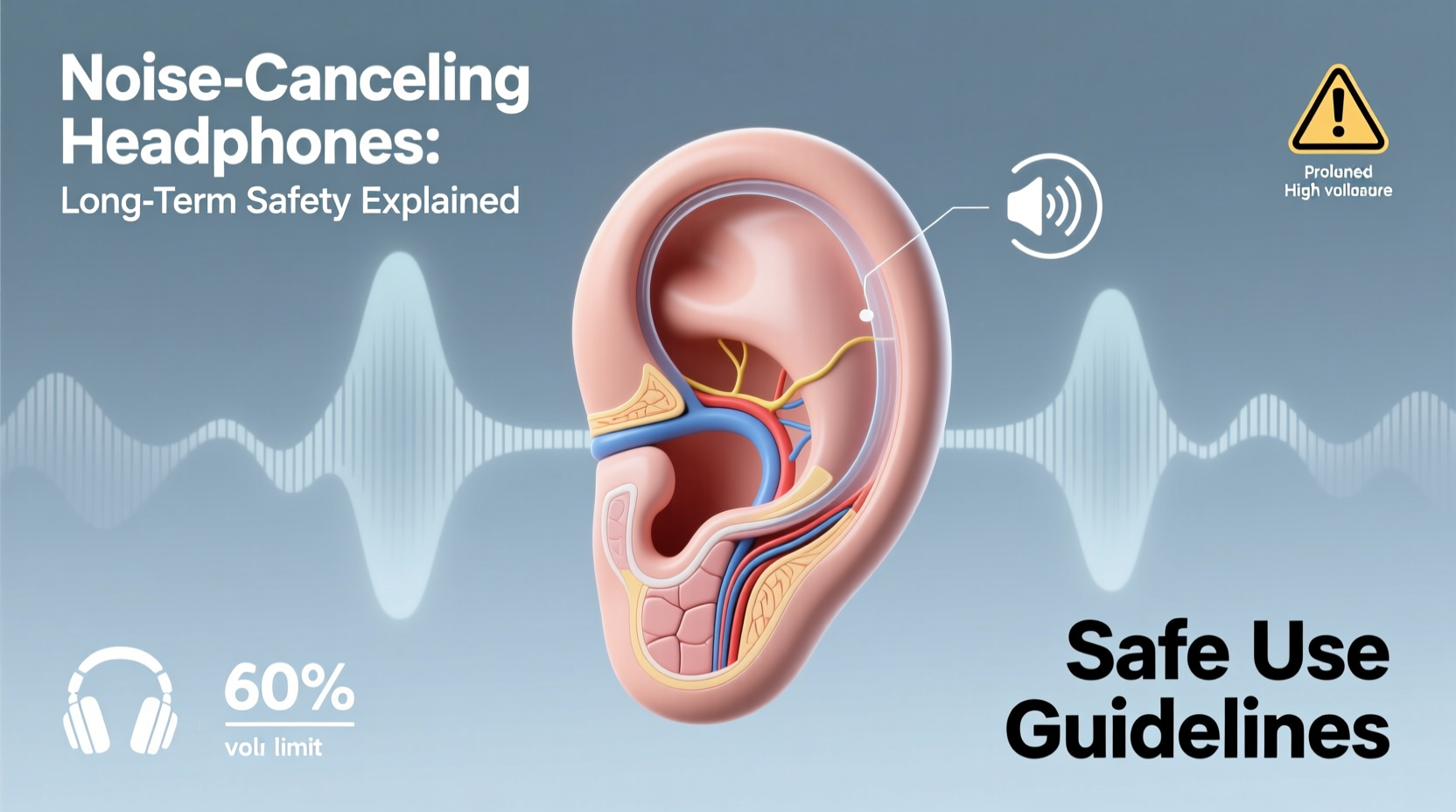
Noise canceling headphones fall into two main categories: passive and active. Passive noise isolation relies on physical barriers—such as padded ear cups or in-ear seals—to block external sounds. Active noise cancellation (ANC), on the other hand, uses microphones and electronic processing to detect incoming ambient noise and generate “anti-noise” sound waves that cancel it out in real time.
ANC is particularly effective against low-frequency, continuous sounds like airplane engines, HVAC systems, or traffic rumble. However, it's less efficient at blocking sudden or high-pitched noises such as voices or alarms. Because ANC manipulates audio signals electronically, users may experience a slight pressure sensation in the ears—a phenomenon often described as “eardrum suck.” This is typically harmless but can be uncomfortable for some.
Potential Health Risks of Long-Term Use
While noise canceling headphones do not emit radiation or cause direct tissue damage, their long-term use introduces several indirect risks, primarily related to auditory exposure, ear hygiene, and situational awareness.
Hearing Damage from Excessive Volume
The most significant risk associated with any headphone use—noise canceling or otherwise—is listening at unsafe volume levels over extended periods. The World Health Organization (WHO) recommends keeping sound exposure below 85 decibels (dB) for no more than eight hours daily. Many personal audio devices can reach up to 100–110 dB, which can cause permanent hearing loss in under two hours.
Paradoxically, ANC headphones may increase the risk of overexposure. By eliminating background noise, users might be tempted to raise the volume without realizing how loud the audio has become. In quiet environments, this isn’t necessary—but in noisy settings, the temptation to “drown out” residual sounds persists.
Ear Fatigue and Pressure Discomfort
Extended use of over-ear ANC headphones can lead to ear fatigue, especially if the seal around the ear creates a vacuum-like effect. Some users report feelings of fullness, dizziness, or mild disorientation after prolonged sessions. This is due to the brain receiving conflicting sensory input: the ears sense silence while the body feels enclosed.
“Prolonged use of noise-canceling devices can alter auditory perception and contribute to listening fatigue, especially in individuals prone to motion sensitivity.” — Dr. Lena Patel, Audiologist and Hearing Researcher, Johns Hopkins Medicine
Increased Risk of Ear Infections
In-ear models, including ANC earbuds, trap moisture and create a warm environment ideal for bacterial and fungal growth. When worn for hours daily without proper cleaning, they can contribute to outer ear infections (otitis externa), commonly known as “swimmer’s ear.” Symptoms include itching, redness, swelling, and discomfort.
Reduced Environmental Awareness
A major safety concern is the diminished ability to hear environmental cues. Pedestrians using ANC headphones may fail to hear approaching vehicles, sirens, or verbal warnings. A 2023 study published in *Injury Prevention* found that pedestrians wearing noise-canceling devices were 3.5 times more likely to experience near-miss incidents in urban areas.
Do’s and Don’ts of Safe Usage
| Do’s | Don’ts |
|---|---|
| Use ANC in consistently noisy environments (e.g., flights, offices) | Wear ANC headphones while cycling, driving, or walking in traffic |
| Limit continuous use to 90 minutes with 15-minute breaks | Sleep in ANC earbuds or over-ear headphones regularly |
| Clean ear cushions and ear tips weekly with alcohol-free wipes | Share earbuds without disinfecting them first |
| Enable transparency mode when situational awareness is needed | Listen above 80% volume for extended periods |
| Choose well-fitting models to reduce the need for high volume | Ignore signs of ear pain, dizziness, or muffled hearing |
Real-World Example: The Remote Worker’s Dilemma
Consider Mark, a software developer working remotely from a bustling shared apartment. To focus during coding sprints, he wears his premium ANC headphones for 6–8 hours daily. Over six months, he begins noticing mild tinnitus and occasional dizziness. He also finds himself turning up music louder to stay engaged. After visiting an audiologist, he learns that while his hearing remains within normal range, he’s experiencing early signs of auditory fatigue and minor eardrum stress from constant pressure changes.
With professional guidance, Mark adjusts his routine: he sets a timer for 75-minute focus blocks followed by 20-minute breaks without headphones, uses the transparency mode during collaborative calls, and switches to open-back headphones for lower-intensity tasks. Within weeks, his symptoms subside, and his concentration improves—even with reduced headphone use.
Best Practices for Long-Term Safety
Maintaining ear health while enjoying the benefits of noise cancellation requires discipline and awareness. The following step-by-step guide helps users minimize risks and maximize benefits.
Step-by-Step Guide to Safer ANC Headphone Use
- Assess Your Daily Usage: Track how many hours per day you wear ANC headphones. Aim to keep continuous use under 90 minutes at a time.
- Set Volume Limits: Use built-in device settings (e.g., iOS Sound Level or Android Digital Wellbeing) to cap maximum playback volume at 75–80%.
- Use Transparency Mode Strategically: Enable ambient sound pass-through when moving through public spaces or needing to interact with others.
- Practice Ear Hygiene: Clean ear pads and ear tips weekly. For in-ear models, replace foam tips every 1–2 months.
- Alternate Devices: Rotate between over-ear, on-ear, and non-ANC headphones to reduce pressure and dependency.
- Monitor for Warning Signs: Stop use immediately if you experience pain, ringing, vertigo, or muffled hearing. Consult an audiologist if symptoms persist.
- Take Regular Audio Breaks: Follow the 60/60 rule—listen at 60% volume for no more than 60 minutes before taking a break.
Expert Recommendations and Industry Standards
Leading audiology organizations emphasize that technology should serve hearing health, not compromise it. The American Speech-Language-Hearing Association (ASHA) advises that personal audio devices should comply with international safety standards such as IEC 62368-1, which governs sound output limits in consumer electronics.
Manufacturers like Sony, Bose, and Apple have integrated hearing wellness features into their apps, including weekly listening reports and personalized sound profiles. These tools empower users to make informed decisions about their habits.
“The future of headphone safety lies in intelligent design—devices that adapt to user behavior and environment to prevent harm before it occurs.” — Dr. Rajiv Mehta, Director of the Center for Auditory Research, University of Michigan
Frequently Asked Questions
Can noise canceling headphones cause permanent hearing loss?
No, the noise cancellation technology itself does not damage hearing. However, listening at high volumes for prolonged periods—regardless of ANC—can lead to noise-induced hearing loss over time. The key is managing volume and duration, not avoiding ANC altogether.
Is it safe to sleep with noise canceling headphones?
Occasional use may be acceptable, but regular sleeping with in-ear or over-ear models poses risks. Pressure on the ears can cause discomfort or skin irritation, and trapped moisture increases infection risk. Additionally, missing alarms or emergency sounds can be dangerous. Specialized sleep headphones (flat, fabric-based) are safer alternatives.
Do children need special precautions with ANC headphones?
Yes. Children’s ears are more sensitive, and their ability to self-regulate volume is less developed. Experts recommend limiting ANC use in children under 12 and using volume-limited models designed for kids. Supervision and time restrictions are essential.
Conclusion: Balancing Benefits and Safety
Noise canceling headphones are a powerful tool for focus, relaxation, and auditory comfort—but like any technology, they require mindful use. The risks of long-term use are not inherent to the devices themselves, but rather stem from how we use them. By respecting volume limits, taking regular breaks, maintaining hygiene, and staying aware of surroundings, users can enjoy the benefits of silence without sacrificing health.
Technology should enhance life, not isolate us from it. As noise pollution continues to rise in urban environments, the demand for acoustic refuge will only grow. The challenge lies in using these tools wisely—protecting both our hearing and our connection to the world around us.




 浙公网安备
33010002000092号
浙公网安备
33010002000092号 浙B2-20120091-4
Comments
No comments yet. Why don't you start the discussion?