
Smartphones have become essential tools for communication, navigation, photography, and work. With that dependence comes a growing concern: how do we keep our devices safe from drops, slips, and sudden falls? Most people rely on protective iPhone cases, but a rising trend—phone lanyards—is gaining traction. At first glance, it might seem like an unnecessary accessory. But for many users, especially those on the move, a lanyard adds a layer of security that even the most rugged case can’t provide. So, are phone lanyards actually better than just using an iPhone case? And more importantly, what’s the point?
Understanding the Role of iPhone Cases
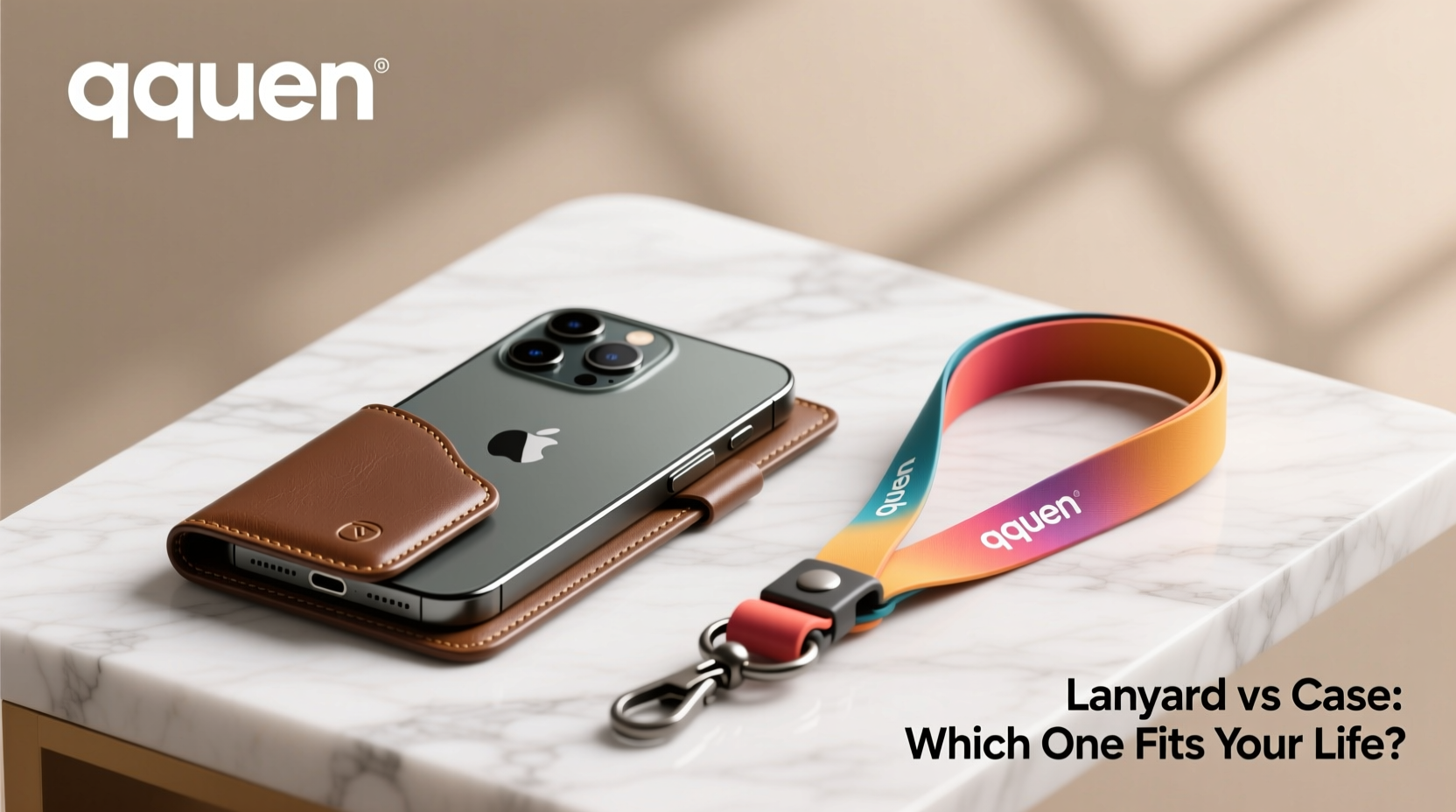
iPhone cases serve as the first line of defense against everyday wear and tear. They absorb shock from drops, protect against scratches, and in some cases, improve grip. Premium cases offer military-grade drop protection, water resistance, or built-in stands. However, no matter how advanced the case, it doesn’t prevent the phone from slipping out of your hand—especially when reaching into pockets, bags, or during active movement.
Cases also have limitations in high-mobility environments. Joggers, parents with strollers, retail workers, and travelers often find themselves juggling multiple items. A phone in hand is one slip away from hitting pavement. That’s where lanyards come in—not as replacements for cases, but as complementary safety tools.
The Real Purpose of Phone Lanyards
The core function of a phone lanyard isn’t protection from impact—it’s prevention of loss. While a case cushions a fall, a lanyard stops the fall from happening in the first place. Think of it like wearing a seatbelt in a car already equipped with airbags. Both serve different but critical roles in safety.
Lanyards work by tethering your phone to your body or clothing. Whether worn around the neck, wrist, or shoulder, they keep your device within reach and significantly reduce the risk of accidental drops. This is especially valuable in dynamic situations:
- Walking while texting or checking maps
- Carrying coffee, groceries, or children
- Using your phone at crowded events or concerts
- Working hands-free in retail, hospitality, or delivery jobs
In these scenarios, a lanyard acts as a physical reminder and restraint, keeping your phone secure even when your attention is divided.
Comparing Protection: Case vs. Lanyard
To understand their respective value, it helps to compare what each accessory does—and doesn’t do. The table below outlines key differences:
| Feature | iPhone Case | Phone Lanyard |
|---|---|---|
| Drop Impact Protection | High (depends on case type) | None |
| Prevents Accidental Drops | Low (may improve grip slightly) | High (when properly attached) |
| Dust & Scratch Resistance | Yes | No |
| Mobility & Hands-Free Use | None | Yes (especially with cross-body styles) |
| Style & Customization | High | Moderate to High |
| Risk of Tangling or Theft | None | Moderate (in crowded areas) |
As the table shows, neither option is universally “better.” Instead, they serve different purposes. For maximum protection, the ideal setup combines both: a durable case for impact resistance and a lanyard for retention.
“People underestimate how often phones slip from their hands during routine tasks. A lanyard isn’t about looking trendy—it’s about minimizing preventable accidents.” — Dr. Lena Torres, Ergonomics Researcher at Mobile Safety Institute
When a Lanyard Makes Sense: Real-World Scenarios
Consider Sarah, a freelance photographer who shoots events across the city. She uses a premium OtterBox case on her iPhone 15 Pro, which has saved her device from multiple drops. But during a wedding last summer, she was moving quickly between rooms, adjusting settings, and handing off gear. In a moment of distraction, she set her phone on a chair, turned to adjust a light, and forgot it. Minutes later, a guest knocked it to the floor—screen shattered.
After that incident, Sarah added a slim, adjustable lanyard that attaches via a MagSafe-compatible ring. Now, even when setting her phone down temporarily, it stays within arm’s reach. “It’s not just about drops,” she says. “It’s about peace of mind when I’m focused on my work.”
This scenario highlights a key insight: lanyards aren’t only for preventing falls—they also reduce misplacement. In fast-paced or multitasking environments, having your phone physically connected to you eliminates the mental load of constantly checking its location.
Choosing the Right Lanyard: What to Look For
Not all lanyards are created equal. To get real value, consider the following factors:
- Attachment Method: Choose lanyards compatible with your iPhone model. MagSafe adapters, screw-in tripod mounts, or cases with integrated loops (like those from Peak Design or Nite Ize) offer secure connections.
- Material Strength: Nylon, polyester, or paracord are durable and resistant to fraying. Avoid thin elastic or decorative cords that may snap under pressure.
- Adjustability: A lanyard should be easy to shorten or lengthen depending on use—neck length for walking, wrist length for typing.
- Comfort: Padded or braided designs reduce neck strain during extended wear.
- Quick-Release Clasps: These allow you to detach the phone instantly if needed, reducing risk in emergencies.
Common Misconceptions About Phone Lanyards
Some dismiss lanyards as gimmicks or fashion accessories. Others worry they look unprofessional or attract theft. Let’s address these concerns:
- “Lanyards are only for teens or festival-goers.” While popular in casual settings, professionals—from tour guides to warehouse managers—use them for practicality.
- “They make my phone easier to steal.” In reality, a visible phone is already a target. A well-designed lanyard makes snatching harder because it’s anchored. Thieves prefer loose, handheld devices.
- “I’ll never drop my phone anyway.” Overconfidence is common. Studies show the average person drops their phone 7–10 times per year. A lanyard reduces that risk dramatically.
Frequently Asked Questions
Can a lanyard damage my iPhone?
Only if poorly designed or improperly attached. Using a lanyard with a weak connector (like a flimsy pop socket) can stress ports or frames. Always use a dedicated, tested attachment system such as a MagSafe adapter or rugged case with a loop.
Do lanyards interfere with wireless charging?
Most do not. If using a MagSafe-compatible lanyard ring, it typically sits flush and doesn’t block charging. Removable clips also allow quick detachment for charging.
Are lanyards worth it for indoor use?
For home or office use, the benefit is lower—but still present. If you frequently carry your phone between rooms while cooking, cleaning, or working, a lanyard can prevent countertop or staircase drops.
Final Verdict: Should You Use a Lanyard?
An iPhone case protects your phone after a fall. A lanyard prevents the fall altogether. The two are not mutually exclusive—they’re complementary. For anyone who values both device longevity and convenience, combining a high-quality case with a reliable lanyard is a smart investment.
The point of a phone lanyard isn’t to replace your case, but to add a crucial layer of security that cases alone cannot provide. It’s about reducing risk in unpredictable moments—when you’re distracted, carrying items, or moving quickly. In a world where replacing a cracked screen can cost hundreds, a $15 lanyard might be the most cost-effective insurance you own.




 浙公网安备
33010002000092号
浙公网安备
33010002000092号 浙B2-20120091-4
Comments
No comments yet. Why don't you start the discussion?