
Platform shoes have always occupied a unique space in fashion history—bold, expressive, and often polarizing. From the disco floors of the 1970s to the grunge runways of the 1990s, they’ve cycled in and out of favor with dramatic flair. Today, they’re not just back—they’re redefined. Seen on major runways from Balenciaga to Miu Miu and embraced by street-style icons and celebrities alike, platforms are once again a dominant footwear trend. But their resurgence raises an important question: how do you wear them now without appearing like a time capsule from decades past?
The answer lies in intentionality. It’s no longer enough to simply slip on a pair of chunky soles and call it fashion. The modern approach to platforms is about balance, proportion, and context. Done right, they can elevate your silhouette, add drama to minimal looks, and express individuality. Done poorly, they risk overwhelming your frame or clashing with current aesthetics. This guide breaks down the state of platform shoes today and offers practical strategies to wear them with confidence and contemporary relevance.
The Comeback: Why Platforms Are Back in Style
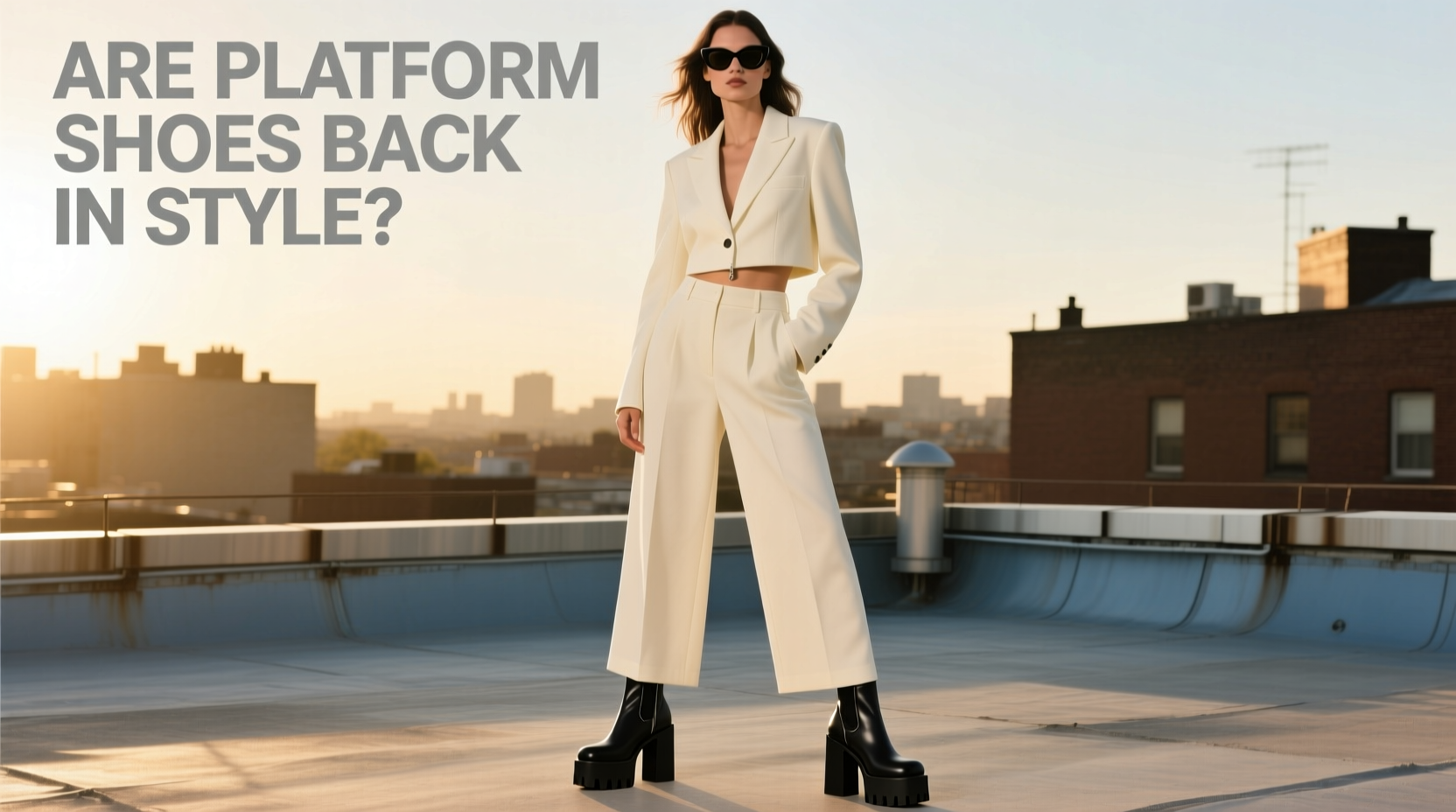
Fashion is cyclical, but revivals are rarely exact replicas. Platform shoes have returned not as nostalgic throwbacks but as evolved statements. Designers have reimagined them with sleeker silhouettes, refined materials, and architectural details that align with current tastes for maximalist minimalism and gender-fluid design.
In recent seasons, brands like Prada, Gucci, and JW Anderson have sent elevated platforms down the runway—some with transparent soles, others in neutral tones or unexpected textures like patent leather or woven raffia. These versions feel fresh because they prioritize form and function over pure spectacle.
Celebrity influence has also played a crucial role. Artists like Dua Lipa, Bella Hadid, and Harry Styles regularly step out in platform boots, sandals, and even loafers, blending retro inspiration with modern edge. Their styling choices signal that platforms aren’t costumes—they’re wearable, versatile, and adaptable to different aesthetics.
“Platforms today are less about height and more about attitude. They’re a statement of confidence, not just a fashion gimmick.” — Lena Torres, Senior Fashion Editor at *Style Weekly*
How to Wear Platform Shoes Without Looking Dated
The key to avoiding a dated look is understanding what made older interpretations feel outdated. Excessive bulk, mismatched proportions, or overly flashy designs can instantly age a look. Modern styling focuses on cohesion, subtlety, and intentional contrast.
1. Prioritize Proportion and Balance
Platforms add volume, especially under the foot. To prevent your outfit from feeling top-heavy or unbalanced, consider your overall silhouette. If your shoes are bold, keep the rest of your look streamlined.
- For tall individuals: You can carry higher platforms more easily, but avoid stacking volume on volume (e.g., wide-leg pants + ultra-thick soles).
- For shorter frames: Platforms can be incredibly flattering, but opt for styles with a wedge or continuous sole rather than exaggerated block heels, which may shorten the leg visually.
2. Match the Vibe of Your Outfit
A platform sandal with rhinestones might look out of place with a minimalist linen suit. Conversely, sleek black platform boots can ground an oversized blazer and tailored trousers. Always ask: does my shoe enhance or clash with the mood of the outfit?
Modern styling favors cohesion. A monochrome ensemble paired with neutral-toned platforms feels current. So does pairing a vintage-inspired platform with one modern twist—like wearing 70s-style clogs with cropped, straight-leg jeans and a structured tank.
3. Limit Flashy Details
While glitter, logos, and neon colors had their moment, today’s most stylish platforms lean into texture and cut rather than overt decoration. Think matte leather, ribbed soles, or architectural cutouts instead of bedazzled uppers.
If you do choose a detailed shoe, let it be the focal point. Pair it with simple clothing—no competing patterns or accessories.
Styling Do’s and Don’ts: A Quick Reference
| Do | Don't |
|---|---|
| Pair platform sneakers with cropped jeans or bike shorts for a sporty-chic look | Wear bulky platform boots with floor-length skirts or wide-leg pants that cover the shoe entirely |
| Opt for nude or tonal platforms to elongate legs with dresses or skirts | Mix multiple chunky elements (e.g., platform boots + oversized coat + wide-leg cargo pants) |
| Use slim-fitting or cropped pants to showcase the shoe’s design | Wear excessively thick soles with formal office attire unless the workplace culture allows |
| Choose platform loafers or mules for smart-casual settings | Go for head-to-toe retro styling unless intentionally going for a themed look |
| Break in new platforms gradually to avoid discomfort during long wear | Assume all platforms are walkable—some runway styles are designed more for impact than practicality |
Step-by-Step Guide to Styling Modern Platforms
Follow this five-step process to integrate platform shoes into your wardrobe with confidence and current appeal.
- Assess your existing wardrobe. Identify your dominant styles—minimalist, edgy, classic, bohemian. This helps determine which type of platform will complement, not compete with, your aesthetic.
- Start with a neutral, wearable pair. A black or beige platform ankle boot or a low-profile platform sneaker is easier to style and more versatile than a dramatic, brightly colored version.
- Test proportions. Try the shoes with three different outfits: slim-fit, oversized, and balanced. Observe how they affect your silhouette. Does the outfit look grounded or awkward?
- Edit the rest of the look. Remove any item that competes with the shoe. If the platform has a strong shape, avoid busy patterns or excessive layering above the waist.
- Refine based on feedback and comfort. Ask trusted friends for honest input. Also, note how the shoes feel after 30 minutes of walking—style should never override wearability.
Real-World Example: From Dated to Dynamic
Sophie, a 32-year-old graphic designer, inherited a pair of vintage 1970s-inspired wooden-platform sandals from her mother. At first, she avoided wearing them, fearing they looked “too retro” or costumey. When she finally tried them, she paired them with flared denim and a crochet top—the classic boho combo. The result felt stuck in the past.
She revisited the look with a modern twist: swapping the flares for high-waisted, straight-leg black trousers and the crochet top for a fitted white turtleneck. She added a structured tote and minimal gold jewelry. Suddenly, the sandals became a statement accent rather than the centerpiece of a theme. The updated outfit felt intentional, fashion-forward, and respectful of the shoe’s heritage without mimicking it.
This shift illustrates a broader principle: context determines perception. The same shoe can look outdated or cutting-edge depending on how it’s styled.
Checklist: How to Keep Your Platform Look Modern
- ✅ Choose clean lines and minimal branding
- ✅ Ensure the shoe complements—not dominates—your outfit
- ✅ Show some ankle to maintain leg length
- ✅ Pair with contemporary cuts (e.g., straight-leg jeans, boxy blazers)
- ✅ Avoid mixing too many retro elements at once
- ✅ Prioritize comfort and wearability for daily use
- ✅ Stick to one statement piece per outfit when wearing bold platforms
Frequently Asked Questions
Can I wear platform shoes to work?
Yes, but select wisely. Opt for lower platforms (1.5–2 inches) in professional styles like loafers, oxfords, or closed-toe wedges. Neutral colors like black, tan, or navy work best. Avoid overly chunky or flashy designs in conservative environments.
Are platform shoes suitable for all body types?
Absolutely. Platforms can be particularly flattering for petite individuals, adding height without the instability of stilettos. Taller people can wear them too, but should avoid extreme heights that may overpower their frame. Focus on proportion and personal comfort.
How do I walk comfortably in high platforms?
Start with lower platforms and gradually increase height. Look for models with a secure fit, cushioned insoles, and a heel strap or ankle support if needed. Practice walking on carpet first, then transition to pavement. Breaking them in slowly prevents blisters and improves confidence.
Expert Insight: The Designer Perspective
When asked about the resurgence of platforms, footwear designer Marcus Lin explained: “Today’s platforms are engineered differently. We’re using lightweight EVA foams, ergonomic footbeds, and asymmetrical shapes that distribute weight better. It’s not just about nostalgia—it’s about innovation.”
“The best platform shoes today don’t scream for attention. They whisper sophistication with a hint of rebellion.” — Marcus Lin, Founder of Altura Footwear
This blend of function and form is what separates contemporary platforms from their predecessors. They’re designed not just to impress but to be lived in.
Final Thoughts: Embrace the Trend with Intention
Platforms are undeniably back—but on their own terms. They’re no longer confined to dance floors or theatrical wardrobes. Today, they’re part of a broader movement toward expressive yet wearable fashion. The difference between looking stylish and looking dated often comes down to one factor: intentionality.
You don’t need to adopt every platform trend to participate. Start small—a subtle lift in a loafer, a sleek sandal for summer evenings. Pay attention to how the shoe interacts with your body and your clothes. Let it enhance your presence, not define it.
Fashion isn’t about blindly following cycles. It’s about curating what works for you, reinterpreting the past, and making it relevant today. Platform shoes offer a chance to do exactly that—add height, attitude, and a touch of drama, all while staying firmly in step with the present.




 浙公网安备
33010002000092号
浙公网安备
33010002000092号 浙B2-20120091-4
Comments
No comments yet. Why don't you start the discussion?