
For decades, Playmobil has stood as a symbol of imaginative, accessible toy play—its chunky 7.5cm figures with smiling faces and interchangeable accessories becoming staples in homes across Europe and beyond. But in recent years, a shift has become increasingly visible: the rise of highly detailed, adult-targeted collectible action figures from brands like McFarlane, NECA, and Hasbro’s Black Series. These modern figures cater to nostalgia-driven collectors, often priced far above traditional children's toys. So, is Playmobil fading into irrelevance? Or is it simply evolving in a different direction? The answer isn’t binary—it’s layered, shaped by generational change, shifting consumer behavior, and the very definition of what a “collectible” means today.
The Evolution of Collectibility in Toys
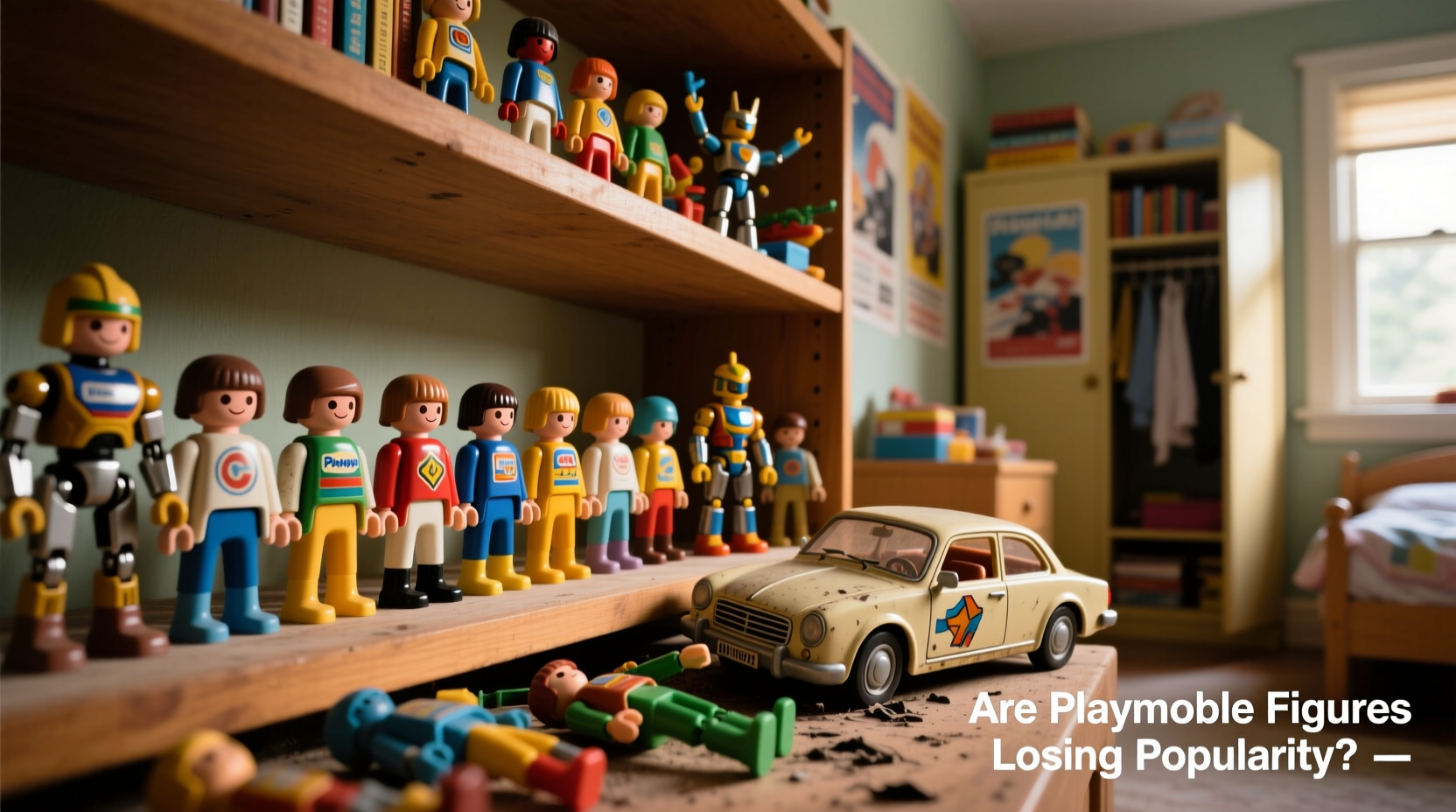
Collecting toys was once primarily a child’s hobby. Action figures from the '80s and '90s were bought for play, not preservation. Today, that dynamic has flipped. The global action figure market is projected to surpass $4 billion by 2027, driven largely by adult collectors willing to spend $30–$100+ per figure. This shift reflects broader cultural changes: pop culture nostalgia, limited-edition releases, and social media showcasing display collections have transformed action figures into lifestyle artifacts.
In contrast, Playmobil remains rooted in playability. Its figures are designed to be handled, mixed, and used in storytelling scenarios. While they do release special editions—such as historical figures or licensed themes like Ghostbusters—the core design language stays consistent: simple articulation, durable plastic, and universal connectors. This approach prioritizes longevity and accessibility over hyper-realism or exclusivity.
“Playmobil isn’t competing in the same arena as premium collectibles. It’s not trying to be ultra-detailed or poseable. It’s about imagination, not presentation.” — Daniel Richter, Toy Industry Analyst at PlayMarket Insights
Market Trends: Who’s Buying What?
Data suggests Playmobil hasn’t declined in absolute sales, but its relative visibility has diminished in certain markets, especially North America. In Germany and Austria, Playmobil remains a top-three preschool toy brand. However, in the U.S., shelf space has shrunk in favor of franchises like Marvel Legends, Star Wars Black Series, and Funko Pop! figures.
This disparity reflects differing consumer expectations. American collectors often seek high detail, screen-accurate likenesses, and dynamic posing. Playmobil’s stylized faces and fixed poses don’t satisfy that demand. Meanwhile, European parents continue to value Playmobil’s durability, open-ended play model, and educational potential—especially in early childhood development.
Comparative Analysis: Playmobil vs. Modern Collectible Action Figures
| Feature | Playmobil Figures | Modern Collectible Action Figures |
|---|---|---|
| Average Price | $5–$15 | $20–$100+ |
| Target Audience | Children (3–10), nostalgic adults | Adult collectors (18–45) |
| Articulation | Minimal (swivel heads, arms) | High (20+ points of articulation) |
| Detail Level | Stylized, simplified | Photorealistic, screen-accurate |
| Primary Use Case | Interactive play, storytelling | Display, collection, investment |
| Licensing Partnerships | Ghostbusters, Smurfs, Formula 1 | Marvel, Star Wars, DC, Anime |
The table highlights a fundamental divergence: Playmobil excels in functional play, while modern collectibles thrive on aesthetic precision and fandom appeal. They serve different purposes, which explains why Playmobil hasn’t disappeared—it’s just not part of the \"collector boom\" dominating headlines.
Real-World Example: A Collector’s Dilemma
Take Mark, a 38-year-old graphic designer and lifelong toy enthusiast. He grew up with Playmobil’s pirate and castle sets, cherishing their simplicity and versatility. Recently, he returned to collecting—but his focus shifted. He now spends hundreds on McFarlane’s DC Multiverse figures, displaying them under glass with LED lighting. When asked why he doesn’t revisit Playmobil, he said: “I love the nostalgia, but I want something that looks like the character. Playmobil feels more like a toy for my kids than a piece for my shelf.”
Mark’s story reflects a common trajectory: emotional attachment to Playmobil during childhood, followed by migration to hyper-detailed figures as an adult collector. Yet, when his daughter turned four, he bought her a Playmobil dinosaur set. “She takes them apart, mixes the pieces, makes up stories. That’s what they’re for,” he noted. This dual role—childhood plaything and adult collectible—is where Playmobil finds its enduring niche.
Strategies for Sustaining Relevance
Playmobil hasn’t remained static. The brand has made strategic moves to stay relevant:
- Expanding licensing partnerships (e.g., Ghostbusters, Formula 1, Smurfs reboot).
- Introducing augmented reality features via companion apps.
- Releasing “Collector Edition” sets with enhanced packaging and limited availability.
- Partnering with museums and educators to promote STEM learning through themed kits.
Still, challenges remain. Unlike Hasbro or Mattel, Playmobil lacks a major cinematic franchise of its own. It doesn’t benefit from billion-dollar marketing campaigns or streaming tie-ins. Its identity is strong but narrow: safe, durable, imaginative play for younger audiences.
Action Plan: How Playmobil Can Bridge the Gap
- Launch a Premium Sub-Line: Introduce a higher-end series with improved sculpts, fabric outfits, and display bases—targeted at adult fans without alienating core users.
- Embrace Nostalgia Marketing: Re-release classic ’80s sets with updated materials and exclusive numbering, similar to LEGO’s Ideas line.
- Enhance Digital Integration: Develop interactive AR experiences that blend physical play with digital storytelling.
- Collaborate with Indie Artists: Partner with popular toy customizers to create limited-run designs, boosting visibility in collector communities.
- Expand Direct-to-Consumer Sales: Strengthen online storefronts with regional customization and subscription models.
Frequently Asked Questions
Are Playmobil figures still being produced?
Yes, Playmobil continues to produce new sets annually. The company, part of the Brandstätter Group, maintains active production in Germany and distributes globally, with strong presence in Europe and growing efforts in Asia and North America.
Why do some people consider Playmobil outdated?
Criticism often stems from the figures’ simplistic design and limited articulation compared to modern standards. For adult collectors focused on realism and display, Playmobil may seem less sophisticated. However, this simplicity is intentional—designed for durability and ease of use by young children.
Can Playmobil compete with brands like LEGO in terms of collectibility?
LEGO has successfully bridged the gap between children’s toys and adult collectibles through its LEGO Creator Expert and LEGO Art lines. Playmobil could follow a similar path, but it would require a bolder design shift and deeper investment in fan engagement. Currently, LEGO holds a stronger position in the adult collector market.
Final Thoughts: Coexistence, Not Replacement
The idea that Playmobil is “losing” to collectible action figures assumes they’re in direct competition. They’re not. One nurtures creativity in children; the other satisfies aesthetic and emotional cravings in adults. Playmobil’s strength lies in its timelessness, safety, and educational value—not in photorealistic paint apps or 28-point articulation.
That said, there’s room for growth. By acknowledging the collector market without abandoning its roots, Playmobil can evolve. It doesn’t need to become another McFarlane or Hot Toys product. But offering a bridge—a premium tier for fans who grew up with knights and pirates—could secure its place in both nurseries and curated display shelves.
The future of Playmobil isn’t about beating modern action figures. It’s about reminding the world that not every toy needs to look perfect on a shelf. Some are meant to be held, imagined, and loved into worn-out smiles—and that’s exactly why they endure.




 浙公网安备
33010002000092号
浙公网安备
33010002000092号 浙B2-20120091-4
Comments
No comments yet. Why don't you start the discussion?