
In recent years, probiotics have moved beyond yogurt and supplements and into the beauty aisle. Probiotic skincare—formulas infused with live bacteria or their byproducts—has been touted as a revolutionary way to balance skin, reduce inflammation, and even transform complexions. But is there real science behind the claims, or is it just clever marketing capitalizing on the wellness wave?
The answer isn’t a simple yes or no. While probiotics aren’t magic elixirs that erase acne overnight, growing research suggests they play a meaningful role in supporting skin health from the outside in. The key lies not in expecting miracles, but in understanding how these ingredients interact with the skin’s microbiome—the invisible ecosystem of bacteria, fungi, and viruses living on your face.
The Skin Microbiome: Your Complexion’s First Line of Defense
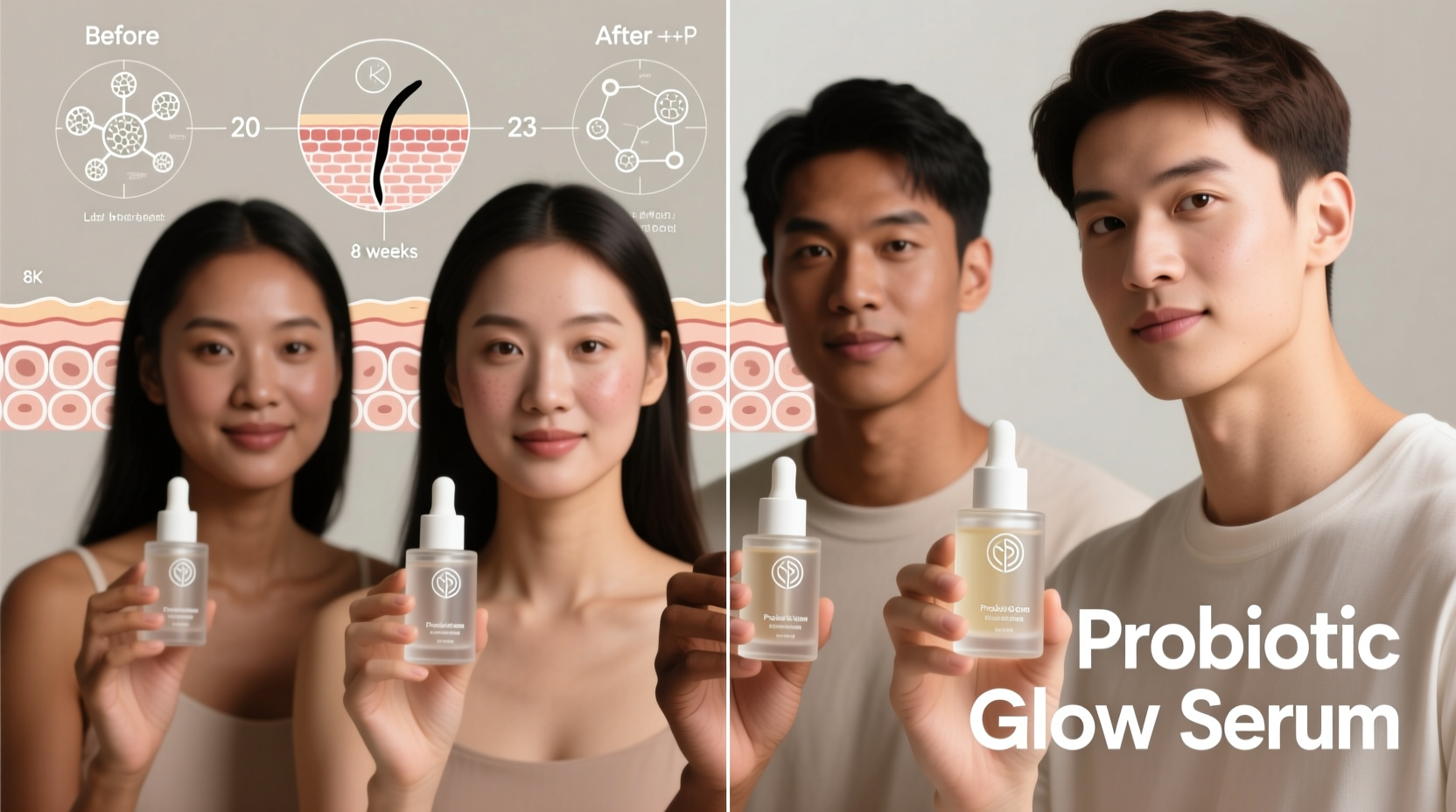
Your skin is home to trillions of microorganisms. This community, known as the skin microbiome, acts like a living shield. Beneficial microbes help maintain pH balance, prevent harmful pathogens from taking hold, and support the skin barrier—a critical function for preventing moisture loss, sensitivity, and irritation.
When the microbiome becomes unbalanced—due to pollution, over-cleansing, stress, or harsh skincare—trouble can follow. Acne, rosacea, eczema, and increased sensitivity are often linked to microbial dysbiosis, where bad bacteria outnumber the good. This is where topical probiotics enter the conversation.
Unlike ingested probiotics, which travel through the digestive system, topical probiotics work directly on the skin’s surface. They don’t necessarily colonize the skin permanently (most strains in skincare aren’t designed to survive long-term), but they can influence the environment by releasing beneficial compounds such as antimicrobial peptides and postbiotics—metabolites that calm inflammation and strengthen the skin barrier.
“Topical probiotics won’t replace your retinol or vitamin C serum, but they’re emerging as powerful supporting players in maintaining resilient, balanced skin.” — Dr. Lena Torres, Dermatologist & Clinical Researcher
How Probiotic Skincare Works: Mechanisms Behind the Claims
Probiotic skincare doesn’t rely on live bacteria alone. Many effective products use lysates (broken-down bacterial cells), ferment filtrates, or prebiotics (food for good bacteria) to achieve similar benefits without stability issues. Here’s how they may be changing your complexion:
- Barrier reinforcement: Certain probiotic strains stimulate ceramide production, helping skin retain moisture and resist irritants.
- Anti-inflammatory effects: Strains like Lactobacillus and Bifidobacterium reduce redness and calm flare-ups associated with conditions like rosacea and sensitive skin.
- Pathogen inhibition: Beneficial bacteria produce natural antibiotics that suppress acne-causing Cutibacterium acnes.
- pH stabilization: A healthy microbiome maintains a slightly acidic pH (around 4.5–5.5), which discourages harmful microbes and supports enzyme activity.
One study published in the Journal of Cosmetic Dermatology found that participants using a Lactobacillus ferment-infused cream for eight weeks saw significant improvements in hydration, elasticity, and reduction in trans-epidermal water loss—key markers of a strong skin barrier.
Do They Actually Change Your Complexion? Realistic Expectations
Let’s be clear: probiotic skincare won’t give you poreless, airbrushed skin in a week. What it can do is create the foundation for clearer, calmer, and more radiant skin over time—especially if your concerns stem from imbalance rather than genetics or hormonal factors.
For example, someone struggling with recurring redness and sensitivity might notice fewer flare-ups after incorporating a probiotic toner. A person with mild acne might see fewer breakouts as their skin’s defense system strengthens. These changes are subtle but cumulative.
A mini case study illustrates this well:
Mini Case Study: Emma, 28, Office Worker with Reactive Skin
Emma had struggled for years with persistent flushing and occasional breakouts along her jawline. Traditional acne treatments made her skin drier and more reactive. After consulting a dermatologist, she was advised to focus on barrier repair rather than aggressive clearing.
She introduced a routine featuring a probiotic-rich moisturizer (Bifidobacterium longum lysate), a prebiotic facial mist, and a gentle cleanser. Within six weeks, she noticed her morning redness had decreased. By week ten, her skin felt less tight after cleansing and breakouts became less frequent.
Her complexion didn’t “transform” overnight—but her baseline improved. She described her skin as “more forgiving,” able to handle seasonal changes and minor lifestyle stressors without reacting.
This is the kind of change probiotics are best suited for: incremental, resilience-building improvement—not dramatic correction.
Choosing the Right Probiotic Products: A Practical Checklist
With so many products claiming “probiotic power,” it’s easy to get misled. Not all formulas deliver what they promise. Use this checklist when evaluating options:
- Check the ingredient list: Look for terms like “lysate,” “ferment,” “filtrate,” or specific bacterial names (e.g., Lactobacillus rhamnosus). Avoid vague claims like “microbiome-friendly” without supporting ingredients.
- Prioritize stability: Live bacteria are fragile. Most effective probiotic skincare uses inactivated forms or postbiotics, which are more stable and still bioactive.
- Avoid harsh co-ingredients: If a probiotic serum is paired with high concentrations of alcohol, fragrance, or exfoliants, it may negate the calming benefits.
- Support with prebiotics: Consider pairing probiotic products with prebiotic toners or serums (containing inulin or fructooligosaccharides) to feed existing good bacteria.
- Introduce gradually: Even gentle products can cause temporary adjustment. Patch test and introduce one new product at a time.
What the Research Says: A Comparative Overview
While clinical trials on topical probiotics are still evolving, several studies point to measurable benefits. The table below summarizes findings from peer-reviewed research:
| Study Focus | Strain Used | Duration | Reported Benefits |
|---|---|---|---|
| Acne Reduction | Lactobacillus plantarum extract | 12 weeks | 37% decrease in inflammatory lesions; reduced sebum oxidation |
| Skin Barrier Function | Bifidobacterium longum lysate | 8 weeks | Improved hydration, reduced stinging from irritants |
| Rosacea Management | Streptococcus thermophilus cream | 4 weeks | Lower erythema scores, improved tolerance to temperature changes |
| Anti-Aging Support | Fermented yeast filtrate (Galactomyces) | 6 weeks | Increased luminosity, reduced appearance of fine lines |
While none of these studies suggest probiotics replace medical treatments, they consistently show supportive roles in improving skin tolerance, clarity, and resilience.
Common Misconceptions About Probiotic Skincare
Despite growing popularity, several myths persist:
- Myth: Probiotic products contain live bacteria that will “repopulate” your skin.
Reality: Most topical products use lysates or metabolites. True colonization is unlikely and not necessary for benefit. - Myth: More strains = better results.
Reality: Specificity matters more than quantity. A single well-researched strain can be more effective than a multi-strain blend with no proven delivery. - Myth: Probiotic skincare is only for sensitive or acne-prone skin.
Reality: Anyone can benefit from a stronger skin barrier. Even those with normal skin may notice improved texture and glow.
Step-by-Step Guide to Incorporating Probiotics Into Your Routine
If you're curious about trying probiotic skincare, follow this timeline for safe integration:
- Week 1–2: Assess your current skin state. Note any redness, reactivity, or frequent breakouts. Stop using overly stripping products.
- Week 3: Introduce a probiotic toner or essence. Apply after cleansing, before serums. Choose alcohol-free formulas with ferment filtrates.
- Week 4: Add a probiotic moisturizer or serum. Layer over treatment products. Monitor for changes in comfort and hydration.
- Week 5–6: Evaluate results. Look for reduced irritation, fewer unexpected breakouts, or improved product tolerance.
- Week 7+: Optimize and maintain. Consider adding prebiotic mists or adjusting based on seasonal needs.
Consistency is key. Unlike fast-acting actives like salicylic acid, probiotics work subtly over time. Give them at least six to eight weeks before deciding if they’re effective for you.
Frequently Asked Questions
Can probiotic skincare cause breakouts?
It’s rare, but possible—especially if the product contains comedogenic ingredients or if your skin is adjusting. True reactions to probiotics themselves are uncommon. If breakouts occur, check other ingredients first (like oils or silicones) before blaming the probiotic component.
Should I use probiotic skincare if I’m on antibiotics?
Yes—and it may be especially helpful. Oral antibiotics can disrupt both gut and skin microbiomes. While topical probiotics won’t fully counteract internal disruption, they can help maintain skin balance during treatment.
Are probiotic products safe for all skin types?
Generally, yes. Inactivated probiotics (lysates, ferments) are well-tolerated across skin types, including sensitive and acne-prone. However, always patch test, especially if you have a history of allergic reactions to fermented foods.
Conclusion: Rethinking Results in Skincare
Probiotic skincare isn’t about instant transformations. It’s about cultivating a healthier environment for your skin to thrive. The changes it brings—fewer flare-ups, better hydration, increased resilience—are quiet but profound. Over time, this foundational care can lead to a visibly improved complexion, not because of dramatic intervention, but because the skin is finally functioning as it should.
As science continues to uncover the intricate relationship between microbes and skin health, probiotics are likely to become standard in preventive and corrective routines alike. They won’t replace your actives, but they may just make them work better by creating a more receptive canvas.




 浙公网安备
33010002000092号
浙公网安备
33010002000092号 浙B2-20120091-4
Comments
No comments yet. Why don't you start the discussion?