
Cats scratch. It’s not a behavioral flaw—it’s a natural instinct. From marking territory to stretching muscles and shedding claw sheaths, scratching is essential to feline well-being. Unfortunately, when that instinct targets your sofa or armchair, it can lead to frustration for pet owners. The key isn’t to stop the behavior entirely, but to redirect it effectively—without causing stress or anxiety for your cat. By understanding your cat’s needs and using thoughtful, science-backed strategies, you can protect your furniture while supporting your cat’s emotional and physical health.
Understanding Why Cats Scratch
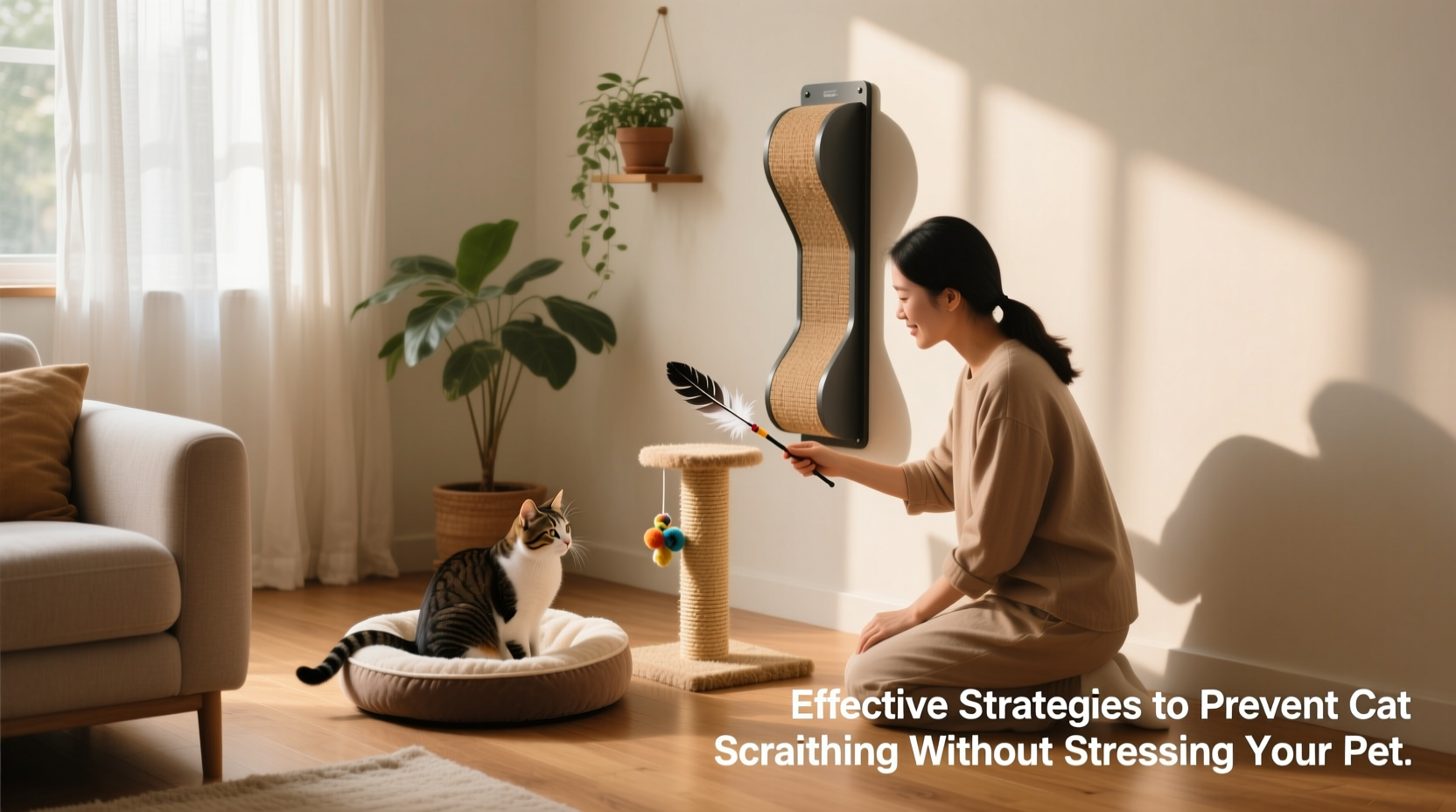
Before implementing solutions, it's crucial to understand the motivations behind scratching. Cats don't scratch out of spite or malice; they do so for several biologically driven reasons:
- Claw Maintenance: Scratching helps cats shed the outer layers of their claws, keeping them sharp and healthy.
- Muscle Stretching: The full-body stretch during scratching supports joint flexibility and muscle tone.
- Scent Marking: Cats have scent glands in their paws. Scratching deposits pheromones, marking territory in a way that feels secure to them.
- Emotional Regulation: Scratching can be a response to excitement, stress, or even boredom.
Suppressing this behavior through punishment leads to fear and mistrust. Instead, focus on providing acceptable alternatives and modifying the environment to support both your cat and your furnishings.
Provide Appealing Alternatives
The most effective way to prevent furniture damage is to offer better options. Cats are more likely to use a scratching post if it meets their physical and sensory preferences. Consider these factors when selecting and placing scratching surfaces:
- Material: Most cats prefer coarse textures like sisal rope, cardboard, or natural wood. Avoid plush-covered posts unless your cat already shows interest in soft materials.
- Height: The post should allow your cat to stretch fully. A minimum height of 30 inches is recommended for adult cats.
- Stability: Wobbly posts discourage use. Ensure the base is heavy or anchored securely.
- Orientation: Some cats prefer vertical scratching, others horizontal. Offer both types to see what your cat favors.
“Cats are creatures of preference. If the scratching post doesn’t meet their standards, they’ll find something that does—even if it’s your favorite chair.” — Dr. Lena Reyes, Feline Behavior Specialist
Place scratching posts near areas where your cat currently scratches. Gradually move them only after consistent use, no more than a few inches per day.
Strategic Furniture Protection and Deterrence
While introducing alternatives, protect your furniture to prevent further damage. Use temporary, non-harmful deterrents that make undesirable surfaces less appealing:
- Double-sided tape: Cats dislike sticky textures. Apply adhesive strips (like Sticky Paws) on armrests or corners.
- Aluminum foil or plastic sheeting: Temporarily cover problem areas. The sound and texture deter most cats.
- Scent deterrents: Use citrus-scented sprays (diluted and pet-safe) or commercial cat repellents. Avoid direct spraying on fabric; apply to nearby surfaces instead.
- Furniture covers: Invest in washable, scratch-resistant slipcovers made from tightly woven fabrics like denim or microfiber.
| Deterrent Method | Effectiveness | Notes |
|---|---|---|
| Double-sided tape | High | Invisible once covered by fur; safe and removable |
| Sisal scratching post | Very High | Most cats prefer over carpet or plush |
| Citrus spray | Moderate | Test on fabric first; reapply regularly |
| Aluminum foil | High (short-term) | Best used temporarily during training phase |
| Nail caps (e.g., Soft Paws) | Very High | Harmless vinyl caps applied every 4–6 weeks |
Step-by-Step Guide to Redirect Scratching Behavior
Changing your cat’s habits takes time and consistency. Follow this timeline to guide the transition smoothly:
- Week 1: Assess & Position – Identify the furniture being targeted and place a suitable scratching post directly beside it.
- Week 2: Encourage Use – Sprinkle catnip on the post or use a wand toy to guide your cat to scratch it. Reward with treats immediately after.
- Week 3: Protect & Deter – Apply double-sided tape or foil to the furniture. Continue rewarding use of the post.
- Week 4: Transition & Monitor – Slowly move the post away from the furniture if needed. Observe for any regression.
- Ongoing: Reinforce & Maintain – Replace worn scratching surfaces and continue positive reinforcement.
Mini Case Study: From Sofa Shredder to Post Pro
Sophie, a 3-year-old tabby, had shredded the corner of her owner’s leather loveseat within months of moving into a new apartment. Her owner, frustrated but unwilling to declaw or confine Sophie, consulted a certified cat behaviorist. The solution began with placing a tall sisal post right next to the damaged area. The post was rubbed with silver vine and paired with daily play sessions ending at the post. Double-sided tape was applied to the loveseat. Within two weeks, Sophie was consistently using the post. After a month, the tape was removed, and the loveseat remained untouched. The key? Consistency, patience, and respecting Sophie’s instincts rather than fighting them.
Essential Checklist for Cat-Friendly Home Management
Use this checklist to ensure your strategy covers all bases:
- ✅ Identify all current scratching zones
- ✅ Purchase at least one sturdy, tall scratching post
- ✅ Place posts near preferred scratching furniture
- ✅ Use catnip or toys to encourage post use
- ✅ Apply non-toxic deterrents to off-limit areas
- ✅ Trim claws every 2–3 weeks to minimize damage
- ✅ Consider nail caps for high-risk periods (e.g., holidays with guests)
- ✅ Monitor progress weekly and adjust as needed
Frequently Asked Questions
Can I train an older cat to stop scratching furniture?
Yes. While kittens are easier to shape, adult cats can learn new habits with patience and consistency. The principles remain the same: provide better alternatives and avoid punishment.
Are nail trims enough to prevent damage?
Trimming helps reduce claw sharpness and potential harm, but it doesn’t eliminate the need to scratch. Combine trims with environmental enrichment and proper scratching outlets for best results.
Is declawing ever a good option?
No. Declawing is a painful surgical procedure involving amputation of the last bone in each toe. Banned in many countries and condemned by veterinary associations, it can lead to chronic pain, aggression, and litter box avoidance. Humane alternatives always exist.
Final Thoughts: Harmony Over Control
Preventing furniture scratching isn’t about dominance or convenience—it’s about coexistence. When you align your home with your cat’s natural behaviors, you foster a healthier, happier relationship. The goal isn’t a scratch-free house, but a home where both you and your cat feel secure and respected. With the right tools, timing, and empathy, you can preserve your furniture without compromising your pet’s well-being.




 浙公网安备
33010002000092号
浙公网安备
33010002000092号 浙B2-20120091-4
Comments
No comments yet. Why don't you start the discussion?