
Walk into any high-end boutique or scroll through a celebrity red carpet gallery, and one detail stands out: the flash of a crimson sole beneath a stiletto. Christian Louboutin’s red-lacquered bottoms have become synonymous with luxury footwear—so much so that the color itself is legally protected in many countries. But beyond the bold aesthetic, the real question remains: Are red bottom heels actually worth their premium price and enduring reputation, or do other designer heels deliver the same quality, comfort, and prestige at a better value?
The answer isn’t simple. It depends on what you value most—brand symbolism, craftsmanship, wearability, or investment potential. Let’s break down the facts, compare alternatives, and explore whether the red sole truly elevates the shoe—or if it’s mostly smoke and mirrors.
The Allure of the Red Sole: More Than Just Color
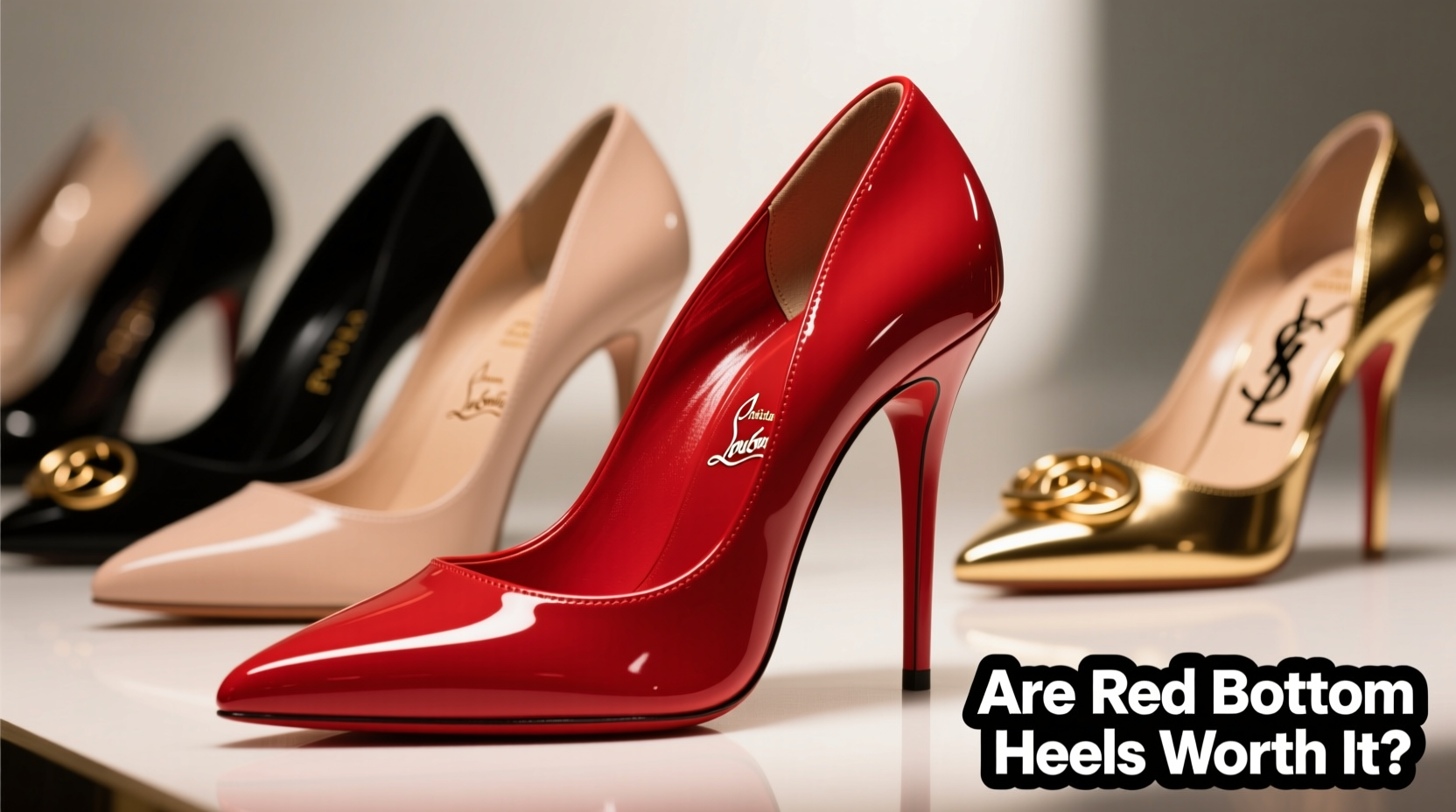
Christian Louboutin didn’t invent the stiletto, but he redefined its cultural weight. Since launching his label in the early 1990s, Louboutin has built an empire around a single visual signature: the glossy red lacquer on the underside of each heel. That pop of color—reportedly inspired by nail polish applied to a prototype sole—has since become one of fashion’s most recognizable trademarks.
But branding alone doesn’t justify $800+ price tags. Louboutin’s appeal also lies in meticulous handcrafting, exotic materials, and a distinct silhouette designed to elongate the leg. The brand uses Italian and French manufacturing, premium leathers, and custom hardware, contributing to a luxurious feel that many find unmatched.
“The red sole isn’t just a design—it’s a status code. In fashion, it signals arrival, confidence, and a willingness to invest in self-expression.” — Nadia Patel, Luxury Footwear Editor at *StyleScope*
Yet, while the psychological impact of wearing Louboutins is undeniable, practical concerns like comfort, durability, and versatility often tell a different story—one where other designers may outperform.
Performance Comparison: Louboutin vs. Other Top Designers
To assess whether red bottom heels live up to their reputation, we need to evaluate them across key criteria: comfort, construction, versatility, and resale value. Below is a side-by-side comparison of Louboutin against three other elite brands—Jimmy Choo, Manolo Blahnik, and Aquazzura.
| Brand | Avg. Price (Heels) | Comfort Level | Construction Quality | Versatility | Resale Value |
|---|---|---|---|---|---|
| Christian Louboutin | $850 | Low-Medium (narrow fit, high arch) | High (hand-stitched, premium leather) | Medium (statement pieces dominate) | High (iconic styles hold value) |
| Jimmy Choo | $750 | High (ergonomic lasts, cushioned insoles) | High | High (day-to-night designs) | Medium-High |
| Manolo Blahnik | $800 | Medium (classic fit, moderate arch) | Very High (made in Italy/Spain with artisan techniques) | High (timeless silhouettes) | High (especially Hangisi pumps) |
| Aquazzura | $700 | High (modern lasts, flexible soles) | High (innovative detailing) | High (trend-forward yet wearable) | Medium |
The data shows that while Louboutin excels in brand recognition and resale for select models, competitors often offer superior comfort and broader styling options. For example, Jimmy Choo’s cloud-like insoles make them a favorite among celebrities who stand for hours, while Manolo Blahnik’s balanced proportions suit more foot types without sacrificing elegance.
Real-World Test: A Stylist’s Experience
Sophie Tran, a New York-based personal stylist with over a decade of experience dressing clients for galas, weddings, and fashion weeks, shares her take after fitting hundreds of luxury heels.
“I used to push Louboutins hard—they’re what clients asked for. But I’ve had too many come back complaining about pain after two hours. One client wore custom-made Pigalle 100s to her wedding and needed crutches by midnight. Meanwhile, when I suggested Manolo Blahnik BB pumps for a charity ball, she danced until 2 a.m. and said they felt ‘like slippers.’”
She continues: “Now I recommend Louboutins for photo moments or short appearances. For events involving walking or standing, I default to Jimmy Choo or even Saint Laurent’s Tribute sandals. The red sole is stunning, but no one remembers your shoes if you’re limping.”
This reflects a growing sentiment: brand prestige matters less than performance when the stakes are high.
Is the Investment Justified?
Louboutin heels depreciate quickly unless they’re limited editions or archival styles. Unlike handbags from Chanel or Hermès, which often appreciate, most Louboutins lose 30–50% of their value immediately after purchase. However, certain models—like the So Kate or classic Daffodile—maintain strong resale demand due to consistent popularity.
From a financial standpoint, buying Louboutins purely as an investment doesn’t make sense. But as a form of personal expression? That’s another matter. For many, the emotional return—the confidence boost from seeing that red flash in the mirror—is priceless.
- Best for statement moments: Red bottoms shine at events where appearance trumps practicality.
- Worst for daily wear: Narrow toe boxes and stiff soles aren’t designed for commuting or long outings.
- Best alternatives for comfort: Jimmy Choo Romy, Manolo Blahnik Hangisi, or Aquazzura Sexy Thing.
How to Decide: A Buyer’s Checklist
Before dropping nearly a thousand dollars on any designer heels, ask yourself the following. Check off what applies:
- ✅ Will I wear these more than 3–4 times a year?
- ✅ Do they match multiple outfits in my wardrobe?
- ✅ Can I walk in them for at least 90 minutes comfortably?
- ✅ Am I buying this for the brand, the design, or actual utility?
- ✅ Have I compared prices and tried on equivalents from other brands?
- ✅ Is there a pre-owned option in excellent condition that saves me 30%+
If you answered “no” to more than two, reconsider. Luxury should enhance your life—not burden it.
Frequently Asked Questions
Can you resole red bottom heels?
Yes—and you should. Louboutin soles wear down quickly due to the soft lacquer. Many cobblers specialize in restoring the red finish using official kits or compatible paint. Expect to pay $75–$120 per pair. Regular resoling extends the life of the shoe significantly.
Do other brands copy the red sole?
Many try, but Louboutin has trademarked the red sole in numerous markets. Competitors use red accents, but not the full-outsole coverage. Brands like Gucci and Saint Laurent use red details on heels or linings, but not as boldly or consistently.
Are Louboutins worth it for wide feet?
Generally, no. Most Louboutin styles run narrow, especially in the toe box. Some collections (like the Laurent platform) offer slightly more room, but those with wide or high-volume feet typically find better fit with Blahnik or Bruno Premi. Always size up or consult fit guides before purchasing.
Final Verdict: Hype vs. Value
Red bottom heels are worth the hype—if your definition of value includes cultural capital, visual drama, and owning a piece of fashion history. They are masterfully made, instantly recognizable, and undeniably glamorous. But if you're seeking comfort, versatility, or long-term wearability, equally luxurious alternatives exist at comparable or lower prices.
The truth is, designer heels have evolved. Today’s best options blend artistry with ergonomics, proving that luxury doesn’t have to hurt. While Louboutin reigns as the icon, it no longer holds a monopoly on excellence.




 浙公网安备
33010002000092号
浙公网安备
33010002000092号 浙B2-20120091-4
Comments
No comments yet. Why don't you start the discussion?