
For years, scalp massagers have hovered on the edge of mainstream hair care—praised by influencers for their spa-like appeal, yet questioned by skeptics who see them as little more than silicone toys with no tangible benefits. With countless designs flooding beauty aisles and online marketplaces, from handheld brushes to electric vibrating devices, it's time to separate fact from marketing fluff. Do these tools actually improve scalp health and support hair growth, or are they merely stress-relief accessories masquerading as wellness essentials?
The answer isn’t a simple yes or no. While many users report improved relaxation and cleaner-feeling scalps, scientific research and dermatological insights suggest that certain types of scalp massage—and consistent use—can indeed influence circulation, sebum distribution, and even hair follicle stimulation. However, not all massagers deliver equal results, and expectations must be grounded in reality.
How Scalp Massagers Work: The Science Behind the Sensation
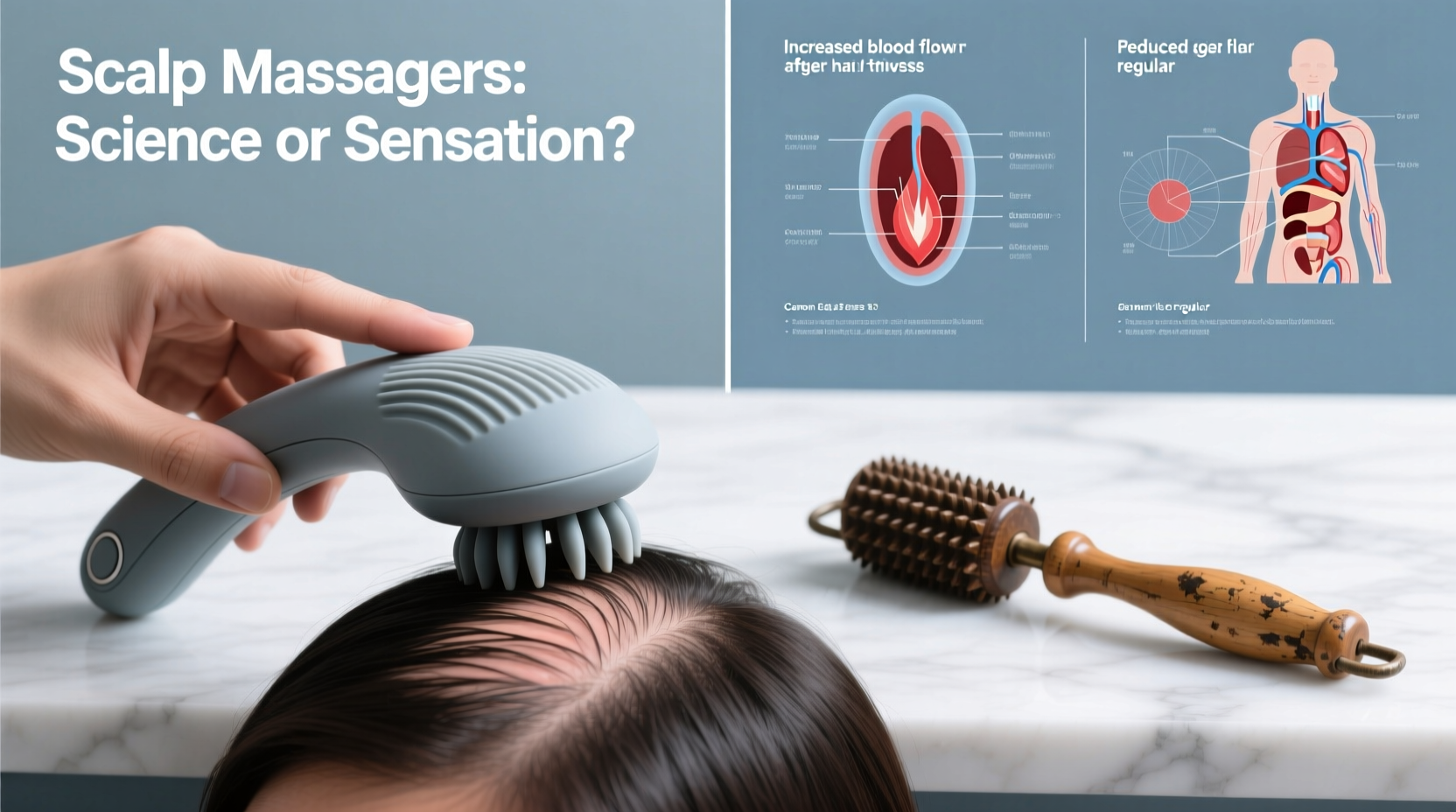
At their core, scalp massagers are designed to mimic manual massage techniques used in traditional therapies like Ayurveda and Japanese head spa treatments. Most models feature flexible silicone or plastic nodes that gently press into the scalp when moved in circular motions. This mechanical stimulation triggers several physiological responses:
- Increased blood flow: Gentle pressure encourages microcirculation in the dermal layer beneath the scalp, potentially delivering more oxygen and nutrients to hair follicles.
- Sebum redistribution: Natural oils produced by the scalp (sebum) can be evenly spread across hair strands, improving moisture balance without overloading the roots.
- Reduced tension: The scalp contains numerous muscles and nerve endings; relieving built-up tension may alleviate headaches and reduce stress-related shedding.
- Enhanced product penetration: When used during shampooing or oil application, massagers can help lift dead skin cells and debris, allowing treatments to reach deeper layers.
A 2016 study published in *Eplasty* found that men who performed daily 4-minute scalp massages over 24 weeks experienced measurable increases in hair thickness. Though small in scale, the trial suggested a potential link between mechanical stimulation and follicular activity. Researchers hypothesized that stretching forces on dermal papilla cells might trigger gene expression related to hair growth.
“While not a cure for genetic hair loss, regular scalp massage can create a healthier environment for hair to grow. It’s about optimizing conditions—not reversing pathology.” — Dr. Nina Patel, Trichologist and Hair Health Researcher
Benefits Beyond Relaxation: What Real Users Experience
Many dismiss scalp massagers as indulgent novelties, but long-term users often describe subtle yet meaningful improvements. These aren’t overnight miracles, but gradual shifts that accumulate with consistency.
Improved Scalp Cleanliness and Dandruff Management
One of the most immediate benefits is enhanced exfoliation. The bristles or nodules on a massager help loosen flakes, product buildup, and excess oil trapped at the base of hair follicles. For individuals prone to dandruff or seborrheic dermatitis, this can complement medicated shampoos by ensuring active ingredients make proper contact with the scalp.
Stress Reduction and Sleep Support
The scalp is densely packed with sensory nerves connected to the parasympathetic nervous system. Stimulating these areas—even mildly—can prompt a calming response similar to acupressure. Many users incorporate scalp massage into evening routines to wind down before bed, reporting fewer tension headaches and improved sleep quality.
Potential Support for Thinning Hair
While no device can regrow hair lost due to androgenetic alopecia alone, combining scalp massage with proven treatments like minoxidil may enhance outcomes. Improved circulation could theoretically increase delivery of topical medications to target sites. Additionally, reducing scalp stiffness—a common issue in people experiencing early thinning—may preserve follicle flexibility.
Do’s and Don’ts: Using Scalp Massagers Safely and Effectively
Not all usage habits yield positive results. In fact, improper technique or overuse can lead to irritation, breakage, or even traction alopecia in extreme cases. Below is a quick-reference table outlining best practices.
| Do’s | Don’ts |
|---|---|
| Use gentle pressure—let the tool do the work | Press too hard or dig into sensitive areas |
| Clean your massager weekly with warm soapy water | Share your device without sanitizing (risk of fungal spread) |
| Limits sessions to 3–5 minutes per day | Use multiple times daily for extended periods |
| Pair with nourishing oils or conditioners for added glide | Use on open wounds, sunburns, or active infections |
| Incorporate into your shampoo routine for deep cleansing | Scrub aggressively in one spot for prolonged durations |
Real Example: A Six-Week Experiment with Consistent Use
Samantha, a 34-year-old graphic designer from Portland, began using a silicone scalp massager after noticing increased hair shedding and an itchy, flaky scalp. She had recently transitioned to a sulfate-free shampoo, which left residue she couldn’t fully remove with her fingers.
She committed to a six-week trial: using the massager three times a week during showers, applying light pressure in slow circles across her entire scalp. She also started pairing it with a lightweight argan oil treatment once a week.
By week four, she noticed less itching and fewer white flakes in her hair. Her stylist commented that her scalp looked “healthier” during a trim. While new hair growth wasn’t visible, Samantha reported stronger strands and reduced tangling—likely due to better oil distribution and minimized friction during washing.
“I didn’t expect miracles,” she said. “But I do feel like my hair breathes easier now. And honestly, those three minutes in the shower have become my favorite part of the day.”
Choosing the Right Scalp Massager: Features That Matter
With hundreds of options available, selecting an effective model requires attention to design, material, and intended purpose. Here’s what to look for:
- Flexible, soft-tipped nodes: Avoid rigid or sharp protrusions that could scratch or irritate. Silicone remains the safest choice for sensitive skin.
- Ergonomic handle: Ensures comfortable grip and control, especially when reaching the back of the head.
- Dual-sided designs: Some models offer varying node densities—one side for gentle massage, another for deeper stimulation.
- Battery-powered vs. manual: Electric versions provide rhythmic pulsations that may enhance relaxation, but manual tools are quieter, travel-friendly, and require no charging.
No single type works universally. Those seeking therapeutic benefits should prioritize comfort and consistency over high-tech features. Simplicity often wins when it comes to forming lasting habits.
Step-by-Step Guide to Maximizing Results
To get the most out of your scalp massager, follow this practical routine:
- Wet your hair thoroughly. Begin in the shower after soaking your scalp for at least 30 seconds to soften oils and debris.
- Apply shampoo or pre-wash oil. This creates slip and prevents tugging. Focus product directly onto the scalp rather than mid-lengths.
- Start at the temples and move backward. Use slow, overlapping circular motions, spending about 30 seconds in each quadrant (front, sides, crown, back).
- Adjust pressure based on sensitivity. You should feel stimulation, not pain. If your scalp tingles mildly, you’re on track.
- Rinse completely. Ensure no soap residue remains trapped under lifted skin flakes.
- Repeat 2–3 times weekly. Daily use isn’t necessary and may lead to overstimulation.
Frequently Asked Questions
Can scalp massagers cause hair loss?
No, when used correctly, scalp massagers do not cause hair loss. However, excessive force, aggressive scrubbing, or using a poorly designed tool with sharp edges may contribute to breakage or traction damage. Stick to gentle motions and discontinue use if you notice increased shedding or discomfort.
How long does it take to see results?
Visible changes vary by individual. Most users report improved scalp comfort and cleanliness within 2–4 weeks. Changes in hair texture or density may take 8–12 weeks of consistent use, particularly if combined with other supportive habits like balanced nutrition and proper haircare.
Are electric massagers better than manual ones?
Not necessarily. Electric models offer convenience and consistent vibration patterns, which some find more relaxing. However, manual massagers allow greater control over pressure and movement, making them safer for beginners. Choose based on preference, not assumed superiority.
Final Verdict: Worthwhile Tool or Overhyped Gimmick?
Scalp massagers are neither miracle cures nor pointless trinkets. Their value lies in consistent, mindful use as part of a broader hair and scalp wellness strategy. They won’t reverse baldness or replace medical treatments for conditions like alopecia areata. But for those dealing with dryness, tension, mild flaking, or simply wanting to enhance their self-care ritual, a quality massager delivers measurable benefits.
The key differentiator is intention. Treating the device as a fleeting trend will yield minimal returns. But integrating it into a deliberate routine—with attention to hygiene, pressure, and frequency—can foster a healthier scalp environment conducive to stronger, shinier hair.
Ultimately, calling scalp massagers “just relaxing” undersells their potential. Yes, they feel good. But feeling good shouldn’t disqualify something from being functional. In a world where chronic stress and poor circulation silently undermine hair health, a few minutes of targeted stimulation might be one of the simplest proactive steps you can take.




 浙公网安备
33010002000092号
浙公网安备
33010002000092号 浙B2-20120091-4
Comments
No comments yet. Why don't you start the discussion?