
Burning scented candles can transform a room—adding warmth, ambiance, and a pleasant aroma. For many pet owners, these small luxuries are part of daily life. But behind the flickering flame and soothing lavender scent lies a question few consider until it's too late: Are scented candles safe to burn around pets?
The answer isn't a simple yes or no. While occasional use of high-quality candles in well-ventilated spaces may pose minimal risk, many commonly available scented candles contain ingredients that can be harmful—or even toxic—to cats, dogs, birds, and other household animals. Understanding the risks, recognizing dangerous components, and knowing how to minimize exposure is essential for responsible pet ownership.
How Scented Candles Affect Pets
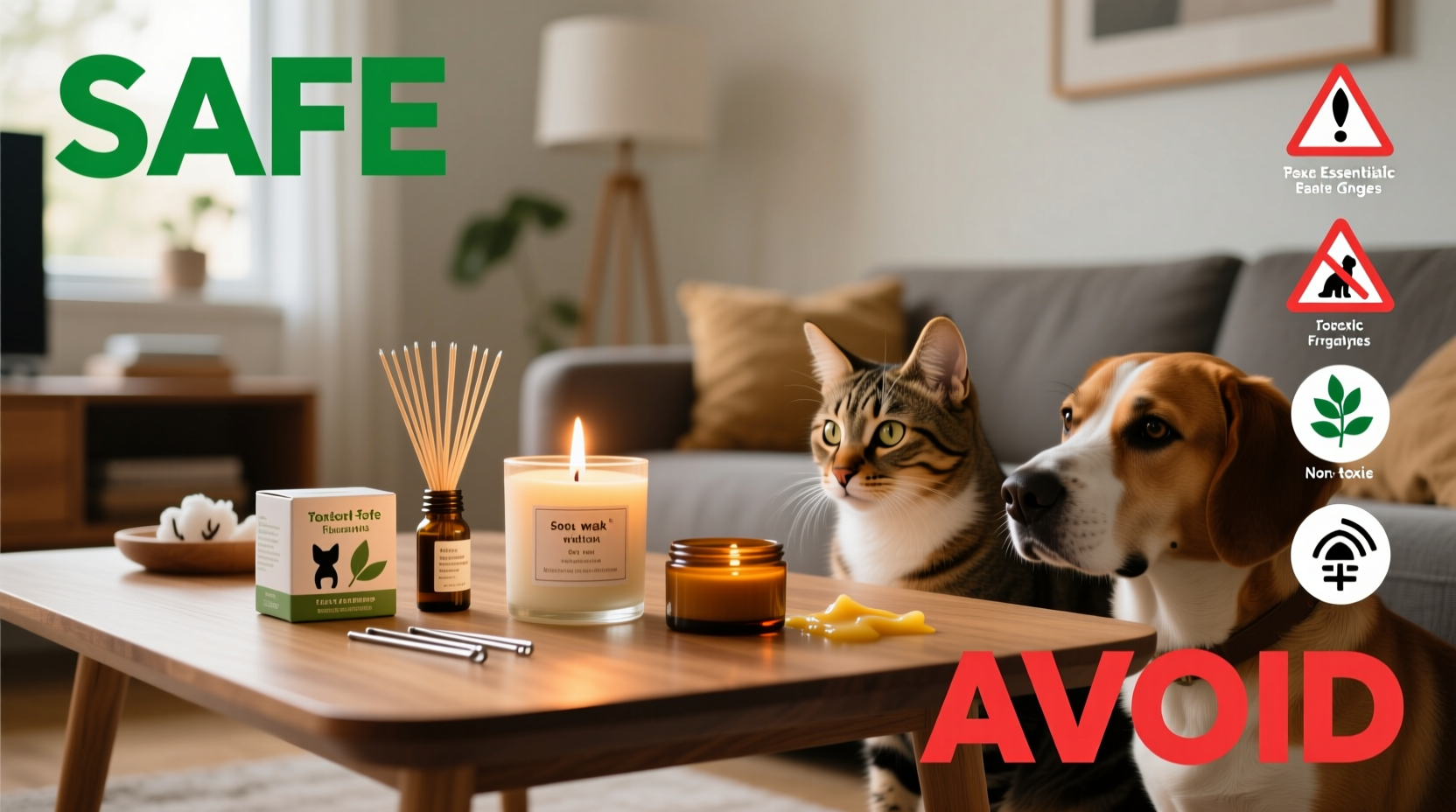
Pets, especially cats and birds, have far more sensitive respiratory systems than humans. Their smaller body size and faster breathing rates mean they inhale airborne particles more rapidly and process toxins less efficiently. When a scented candle burns, it releases not only fragrance but also volatile organic compounds (VOCs), soot, and fine particulate matter into the air.
Inhalation of these byproducts can lead to respiratory irritation, coughing, sneezing, watery eyes, and in severe cases, long-term lung damage. Birds, in particular, are extremely vulnerable due to their highly efficient respiratory systems designed for flight. Even low levels of airborne pollutants can trigger distress or fatal reactions in avian species.
Cats are also at high risk because they groom themselves frequently. If they lick soot or fragrance residue from their fur after being near a burning candle, they ingest potentially harmful chemicals. Dogs, while generally more resilient, can still suffer from allergies, asthma-like symptoms, or gastrointestinal upset if exposed to toxic fumes or candle wax.
“Many pet owners don’t realize that something as common as a vanilla-scented candle can release compounds that irritate a cat’s lungs or trigger an immune response in birds.” — Dr. Lena Patel, DVM, Veterinary Toxicologist
Ingredients to Avoid in Scented Candles
Not all candles are created equal. The safety of a scented candle depends largely on its ingredients. Below are some of the most concerning components found in commercial candles and why they should be avoided around pets.
1. Paraffin Wax
Derived from petroleum, paraffin wax is the most widely used base in mass-produced candles. When burned, it releases benzene and toluene—known carcinogens. These chemicals contribute to indoor air pollution and can aggravate respiratory conditions in pets.
2. Synthetic Fragrances
Fragrance oils often contain phthalates, which are used to make scents last longer. Phthalates are endocrine disruptors linked to hormonal imbalances and reproductive issues in animals. They are rarely listed on labels, hidden under the generic term “fragrance.”
3. Essential Oils (Even Natural Ones)
While marketed as “natural,” many essential oils are highly toxic to pets. Common culprits include:
- Tea tree oil – causes tremors, weakness, and liver damage in cats and dogs.
- Lavender – contains linalool and linalyl acetate, which pets metabolize poorly.
- Citrus oils (lemon, orange, bergamot) – phototoxic and irritating; can cause vomiting and depression.
- Pine, cinnamon, clove, eucalyptus – highly irritating to mucous membranes and respiratory tracts.
4. Metal-Core Wicks
Some older or cheaper candles use wicks with metal cores (often lead or zinc) to keep them upright. Burning these releases toxic heavy metals into the air. Although banned in the U.S. since 2003, imported candles may still contain them.
Safer Alternatives for Pet-Friendly Homes
You don’t have to give up ambiance or fresh scents to protect your pets. Safer alternatives exist that provide similar benefits without the risks.
Choose Clean-Burning Candle Bases
Opt for candles made from natural, renewable waxes such as:
- Beeswax – naturally purifies the air by releasing negative ions that bind to pollutants.
- Soy wax – biodegradable, burns cleaner than paraffin, and holds fragrance well.
- Coconut wax – sustainable and produces minimal soot.
Select Pet-Safe Fragrances
If you must use scented candles, look for those labeled “phthalate-free” and “non-toxic.” Better yet, choose unscented versions or use candles with mild, non-essential oil fragrances derived from food-grade sources (e.g., vanilla bean, cocoa).
Consider Flameless Options
LED flameless candles offer flickering light and optional scent diffusion without open flames or emissions. Some models come with remote controls and timers, making them ideal for households with curious pets.
| Candle Type | Pet Safety | Air Quality Impact | Best For |
|---|---|---|---|
| Paraffin + Synthetic Fragrance | Poor | Releases VOCs and soot | Avoid entirely |
| Soy + Essential Oils | Variable (depends on oils) | Moderate (if oils are toxic) | Use with caution |
| Beeswax (Unscented) | Excellent | Improves air quality | All pets, especially birds |
| Flameless LED (Scented Diffuser) | Excellent | No emissions | Homes with anxious or curious pets |
Real-Life Scenario: When a Calming Candle Turned Dangerous
Sarah, a cat owner from Portland, lit a popular lavender-scented soy candle to relax after work. Within hours, her two cats began sneezing and pawing at their faces. One, a 3-year-old Siamese named Milo, became lethargic and refused to eat. She rushed him to the vet, where he was diagnosed with mild respiratory irritation and chemical exposure from the essential oils in the candle.
Though Milo recovered after supportive care, the incident changed how Sarah approached home fragrances. She now uses only unscented beeswax candles and relies on ventilation instead of aromatherapy. “I thought ‘natural’ meant safe,” she said. “But I learned the hard way that even plant-based ingredients can be dangerous for cats.”
“Cats lack certain liver enzymes needed to break down terpenes found in essential oils. What smells calming to us can be overwhelming or toxic to them.” — Dr. Alicia Nguyen, Feline Health Specialist
Step-by-Step Guide to Safe Candle Use Around Pets
If you choose to burn candles despite having pets, follow this practical sequence to reduce risk:
- Read Labels Carefully: Check for paraffin, synthetic fragrances, and undisclosed “fragrance.” Avoid any product containing essential oils unless explicitly labeled pet-safe.
- Choose the Right Location: Burn candles in rooms your pets don’t access, or when they’re safely confined elsewhere. Never leave a burning candle unattended.
- Ensure Proper Ventilation: Open a window or use an exhaust fan to prevent pollutant buildup. Air purifiers with HEPA and activated carbon filters can help remove airborne particles.
- Limited Burn Time: Keep candle burning sessions short—no more than 1–2 hours at a time. This reduces cumulative exposure.
- Monitor Your Pet’s Behavior: Watch for signs of discomfort: coughing, sneezing, excessive blinking, hiding, or pacing. If observed, extinguish the candle immediately and ventilate the area.
- Clean Surfaces Regularly: Wipe down nearby furniture and floors to remove soot and wax residue that pets might come into contact with.
- Switch to Safer Options: Gradually replace risky candles with beeswax, soy (unscented), or flameless alternatives.
Pet-Specific Risks: Know Your Animal’s Vulnerabilities
Different pets face different threats from scented candles. Understanding species-specific sensitivities helps you make informed choices.
Cats
Highly susceptible to essential oil toxicity due to deficient glucuronosyltransferase enzymes. Even diffused oils can accumulate on their fur and be ingested during grooming. Symptoms include drooling, vomiting, tremors, and difficulty walking.
Dogs
More tolerant than cats, but prone to curiosity. They may chew on or ingest candle wax, leading to intestinal blockage or poisoning if the wax contains additives. Brachycephalic breeds (e.g., Bulldogs, Pugs) are more vulnerable to respiratory irritation.
Birds
Extremely sensitive to airborne toxins. Their air sac system allows pollutants to circulate quickly through the body. Exposure to candle soot or fragrances can cause labored breathing, feather plucking, or sudden death.
Small Mammals (Rabbits, Guinea Pigs, Hamsters)
Have delicate respiratory tracts. Strong scents and smoke can trigger chronic respiratory infections. Avoid using any scented products in rooms where they live.
Checklist: Pet-Safe Candle Practices
- ✅ Use only candles made from beeswax, soy, or coconut wax
- ✅ Avoid all essential oils—even “natural” ones—unless proven pet-safe
- ✅ Ensure wicks are 100% cotton or paper (no metal cores)
- ✅ Burn candles only in pet-free zones or when pets are supervised
- ✅ Limit burn time to under 2 hours
- ✅ Keep rooms well-ventilated during and after use
- ✅ Watch for signs of respiratory distress in pets
- ✅ Store candles out of reach to prevent chewing or knocking over
- ✅ Consider switching to flameless LED alternatives
Frequently Asked Questions
Can I burn a lavender candle around my dog?
Lavender contains linalool and linalyl acetate, which are toxic to dogs in concentrated forms. While brief, low-level exposure may not cause immediate harm, repeated use can lead to liver damage or neurological symptoms. It’s safer to avoid lavender-scented candles altogether.
Are soy candles safe for cats?
Soy wax itself is generally safe, but the fragrance added to soy candles is the main concern. Many soy candles use essential oils or synthetic fragrances that are hazardous to cats. Always choose unscented soy or beeswax candles for homes with felines.
What should I do if my pet shows signs of candle fume exposure?
Extinguish the candle immediately and move your pet to fresh air. Monitor for worsening symptoms like difficulty breathing, vomiting, or seizures. Contact your veterinarian or the ASPCA Animal Poison Control Center (888-426-4435) for guidance. Do not induce vomiting unless instructed.
Final Thoughts: Balancing Comfort and Safety
The comfort and atmosphere provided by scented candles are undeniable. But when pets are part of the household, safety must take precedence over ambiance. The invisible pollutants released by many candles can have real, lasting effects on animals who share our living spaces.
By choosing cleaner-burning materials, avoiding toxic fragrances, and adopting smarter usage habits, you can enjoy a cozy home environment without compromising your pet’s health. Remember: what smells pleasant to you might be harmful to them. Prioritizing their well-being isn’t just responsible—it’s an act of love.




 浙公网安备
33010002000092号
浙公网安备
33010002000092号 浙B2-20120091-4
Comments
No comments yet. Why don't you start the discussion?