
Scented drawer liners are a popular choice for adding a fresh aroma to dresser drawers, linen closets, and storage spaces. With a wide array of fragrances—from lavender and citrus to vanilla and sandalwood—they promise a pleasant sensory experience every time you open a drawer. But beneath the appealing scent lies an important question: Are these liners actually effective at eliminating odor, or are they simply masking underlying problems? Understanding the difference between odor elimination and odor masking is crucial for maintaining truly fresh, hygienic storage spaces in your home.
This article examines the science behind scented drawer liners, evaluates their effectiveness, and provides practical guidance on when they work well—and when they might be doing more harm than good.
How Scented Drawer Liners Work
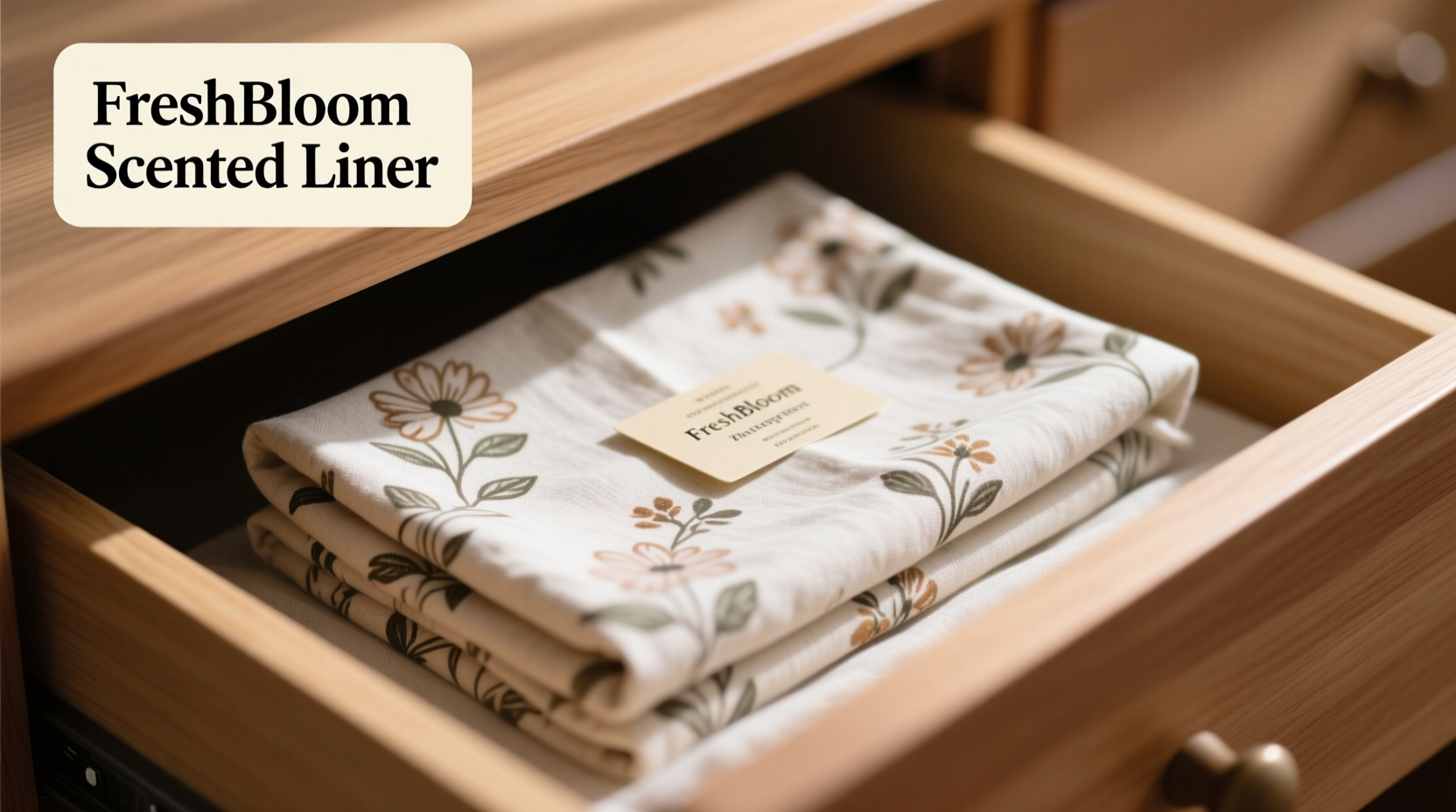
Scented drawer liners typically consist of paper, fabric, or vinyl material infused with fragrance oils. Some are adhesive-backed for easy application, while others are loose sheets placed beneath clothing or linens. The scent is released slowly over time through passive diffusion—meaning it evaporates into the air as volatile compounds from the oils become airborne.
The primary function of most scented liners is olfactory enhancement: they make drawers smell better by introducing a new, desirable scent. However, this does not equate to cleaning or sanitizing. Unlike deodorizers that neutralize odor-causing molecules (such as activated charcoal or baking soda), scented liners generally do not interact chemically with existing smells. Instead, they overpower them—a process known as “masking.”
In environments where mild, temporary odors occur—like newly stored cotton clothes or seasonal linens—this can be sufficient. But in cases involving sweat, mildew, or food residue, masking may only provide a brief illusion of cleanliness.
The Difference Between Masking and Eliminating Odors
To assess whether scented drawer liners are truly effective, it’s essential to distinguish between two concepts: odor masking and odor elimination.
- Odor masking involves covering up bad smells with stronger, more pleasant ones. This is what perfumes, air fresheners, and scented liners do. While the result may feel refreshing, the original odor-causing agents remain present.
- Odor elimination refers to removing or neutralizing the source of the smell. This can involve chemical reactions (e.g., enzymes breaking down organic matter), absorption (e.g., charcoal trapping odor molecules), or physical removal (e.g., washing contaminated fabrics).
Scented drawer liners fall squarely into the first category. They don’t absorb moisture, kill bacteria, or break down organic residues—the root causes of most persistent odors. As such, they’re best viewed as a cosmetic solution rather than a functional one.
“Fragrance can create a perception of cleanliness, but it doesn’t replace hygiene. If there's mold, sweat, or bacterial growth, no amount of lavender will fix the problem.” — Dr. Lena Patel, Indoor Air Quality Specialist
When Scented Liners Are Effective (and When They’re Not)
Scented drawer liners can be genuinely useful under specific conditions. Their effectiveness depends largely on the environment and the type of odor involved.
Situations Where They Work Well
- Freshly laundered clothes: Adding a subtle scent enhances the clean feeling and helps maintain freshness during long-term storage.
- Seasonal storage: Liners in cedar chests or under winter sweaters can deter moths and add a comforting aroma when unpacked months later.
- Aesthetic appeal: Decorative liners with patterns and soft fragrances contribute to a sensory-rich, organized space.
Limitations and Risks
- Mold and mildew: In humid climates or poorly ventilated drawers, moisture buildup leads to musty odors. A floral scent won’t stop fungal growth—it may even trap moisture if the liner is non-porous.
- Sweat and body oils: Clothing worn frequently absorbs skin secretions. Over time, these degrade fabric fibers and produce rancid smells. Scented liners merely cover this up.
- Allergies and sensitivities: Artificial fragrances can trigger headaches, asthma, or skin irritation in sensitive individuals. Natural essential oils aren’t always safer—they too can be allergenic.
- Residue and staining: Some low-quality liners may transfer dye or oily residues onto light-colored fabrics, especially in warm conditions.
Smart Alternatives to Scented Drawer Liners
If your goal is lasting freshness—not just temporary perfume—consider solutions that address the root causes of odor. These alternatives offer both preventive and corrective benefits.
1. Natural Absorbents
Materials like baking soda, activated charcoal, or silica gel packets naturally absorb moisture and neutralize odors. Place small breathable pouches in drawers to maintain dryness and reduce bacterial growth.
2. Cedar Blocks or Chips
Cedar wood emits a natural oil (cedrol) that repels moths and has mild antimicrobial properties. Unlike synthetic fragrances, cedar actively inhibits pest infestations and dampness-related odors.
3. Lavender Sachets (Reusable)
Dried lavender buds in muslin bags provide a gentle scent while offering slight antifungal effects. They can be refreshed by lightly crushing the buds or placing them in sunlight occasionally.
4. Proper Ventilation and Rotation
Allowing air circulation prevents stagnant moisture. Open drawers periodically, especially in basements or guest rooms. Rotate stored items seasonally to prevent forgotten garments from developing deep-set odors.
5. Deep Cleaning Before Storage
Always wash or dry clean items before storing them. Residual sweat, deodorant, or food stains will decompose over time, creating odors no liner can permanently mask.
| Solution | Function | Lifespan | Best For |
|---|---|---|---|
| Scented Drawer Liners | Mask odors with fragrance | 3–6 months | Aesthetic enhancement, short-term freshness |
| Activated Charcoal | Adsorbs moisture and odor molecules | 6–12 months (can be recharged) | Humid environments, long-term storage |
| Cedar Blocks | Repels pests, mild antimicrobial effect | 1–2 years | Woolens, off-season clothing |
| Baking Soda Packets | Neutralizes acidic odors | 1–3 months | Kitchen towels, gym clothes storage |
| Lavender Sachets | Gentle scent, mild antifungal | 6–12 months | Bed linens, lingerie drawers |
Mini Case Study: The Musty Dresser Dilemma
Sarah, a homeowner in Portland, Oregon, noticed a persistent musty smell in her bedroom dresser despite using scented rose-scented liners for months. She assumed the issue was resolved because the drawer smelled floral when opened. However, after pulling out a blouse and detecting a sour odor, she investigated further.
Upon removing all contents, she discovered slight moisture buildup in the back corners of the wooden drawers—common in high-humidity regions. The scented liner had absorbed some dampness and begun to mildew itself, contributing to the problem. Sarah replaced the liners with activated charcoal sachets, wiped the interior with a vinegar-water solution, and allowed the drawers to air out for 48 hours. Within a week, the odor disappeared completely.
This case illustrates a common misconception: that fragrance equals freshness. Without addressing the environmental cause (moisture), the liner only delayed confrontation with the real issue.
Step-by-Step Guide to Fresh, Odor-Free Drawers
Follow this practical sequence to ensure your drawers stay genuinely fresh—not just temporarily scented.
- Empty the drawer completely. Remove all clothing, linens, or stored items.
- Inspect for stains or residue. Look for signs of spills, sweat marks, or insect activity.
- Clean the interior surface. Wipe down with a cloth dampened with equal parts water and white vinegar. Avoid excess moisture.
- Allow thorough drying. Leave the drawer open for several hours or overnight, especially in humid climates.
- Choose a functional liner (optional). Use unbleached parchment paper or breathable fabric instead of plastic-based scented sheets.
- Add odor-neutralizing agents. Place small sachets of activated charcoal, cedar, or baking soda in corners.
- Store only clean, dry items. Never place unwashed or slightly damp clothing in drawers.
- Maintain regularly. Every 3 months, repeat cleaning and refresh absorbent materials.
FAQ
Can scented drawer liners damage clothing?
Some low-quality liners—especially those made with synthetic dyes or adhesives—can transfer color or leave oily residues on delicate fabrics. Always test a liner on a hidden area first and opt for acid-free, non-adhesive versions when possible.
Do natural alternatives really work as well as scented liners?
Yes, often better. While they may lack the intense fragrance of commercial products, natural solutions like cedar and charcoal address the root causes of odor. They don’t just hide problems—they help prevent them.
How can I tell if my drawer has a deeper odor problem?
If the smell returns quickly after cleaning, lingers beneath the surface, or is accompanied by visible mold, discoloration, or insect droppings, you likely have a structural or hygiene issue. Consider professional cleaning or replacing damaged drawer components.
Conclusion
Scented drawer liners are not inherently ineffective—but their role is often misunderstood. They excel at enhancing ambiance and providing a short-term sensory boost, particularly in already clean, dry environments. However, they should never be relied upon to solve actual odor problems. True freshness comes from cleanliness, proper ventilation, and moisture control, not just fragrance.
Rather than treating symptoms with overpowering scents, adopt a proactive approach: clean thoroughly, store wisely, and use functional odor absorbers. By combining aesthetic pleasure with practical protection, you can enjoy drawers that are not only pleasantly scented but genuinely fresh.




 浙公网安备
33010002000092号
浙公网安备
33010002000092号 浙B2-20120091-4
Comments
No comments yet. Why don't you start the discussion?