
Hydration is the cornerstone of healthy, glowing skin. As skincare routines evolve, so do the products promising to deliver moisture deep into the skin. Among the most popular are sheet masks—thin fabric or cellulose sheets soaked in serums that cling to the face like a second skin. But how do they compare to traditional moisturizers, which have long been the backbone of daily skincare? Are sheet masks truly more effective, or are they just a fleeting trend wrapped in convenience and marketing?
To answer this question, we need to look beyond the surface. It’s not just about how your skin feels immediately after use, but also about ingredient delivery, absorption rates, longevity of results, and overall skin health over time. Let’s explore the science, practical benefits, and limitations of both sheet masks and regular moisturizers to determine whether one truly outperforms the other when it comes to hydration.
The Science of Skin Hydration
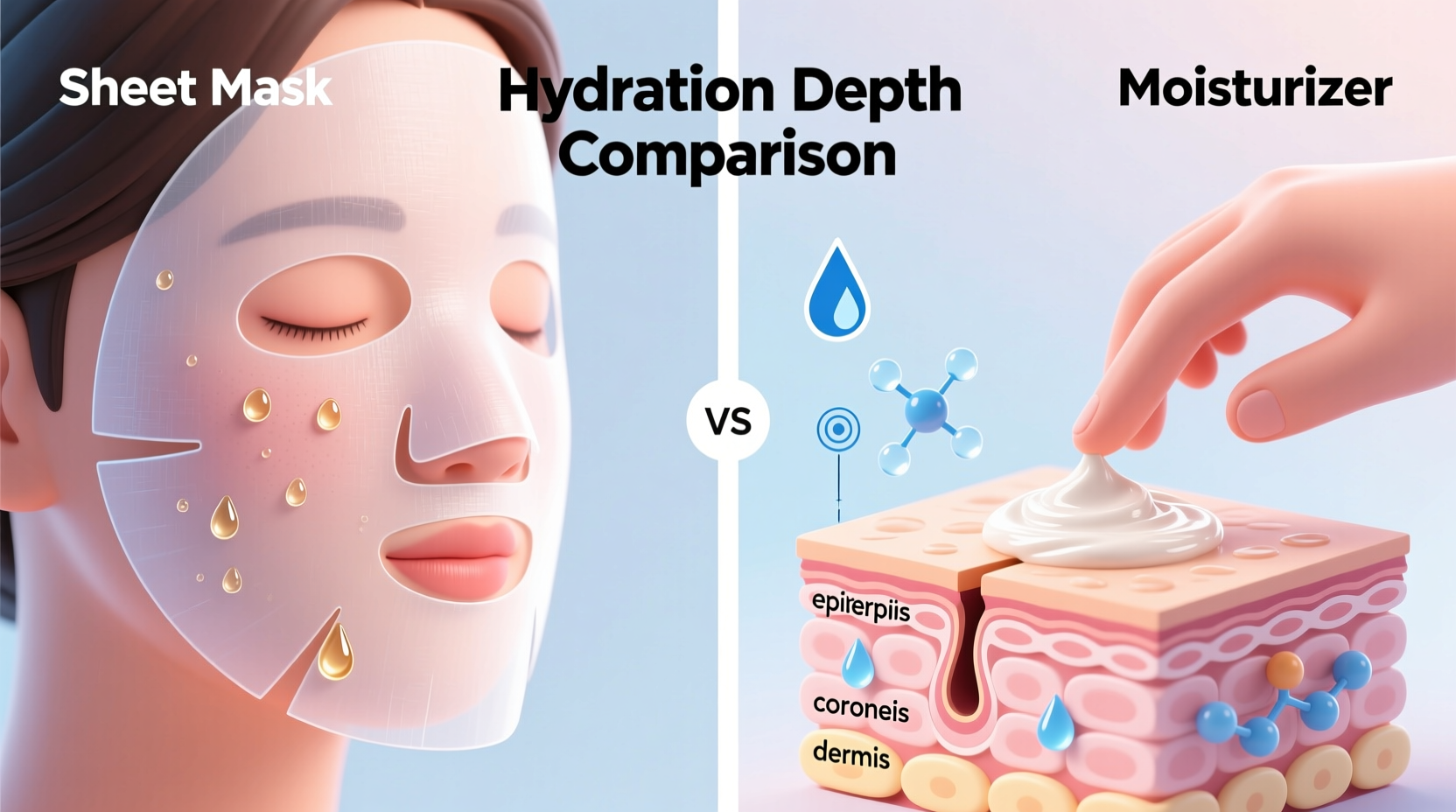
Before comparing products, it’s essential to understand what hydration actually means for the skin. Hydration refers to the water content within the stratum corneum—the outermost layer of the epidermis. When this layer is well-hydrated, the skin appears plump, smooth, and resilient. Dehydrated skin, on the other hand, looks dull, feels tight, and may show increased fine lines.
Maintaining hydration involves two key processes:
- Occlusion: Preventing water loss through the skin barrier using ingredients like petrolatum, squalane, or ceramides.
- Humectancy: Attracting water from the environment or deeper layers of the skin using hygroscopic ingredients such as glycerin, hyaluronic acid, or urea.
Both sheet masks and moisturizers can incorporate humectants and occlusives, but their delivery systems differ significantly. This difference affects how much moisture reaches the skin and how long it stays there.
How Sheet Masks Work: The Occlusive Advantage
Sheet masks function primarily by creating a temporary occlusive barrier. When applied, the mask seals the skin’s surface, preventing the evaporation of moisture and allowing active ingredients to remain in contact with the skin longer than a typical serum or lotion might.
This occlusion effect enhances penetration. A 2017 study published in the *Journal of Cosmetic Dermatology* found that sheet masks improved transepidermal water loss (TEWL) and skin hydration levels more significantly than non-occlusive treatments over a short period. However, these improvements were mostly transient—peaking immediately post-application and declining within hours.
The typical sheet mask contains between 20–30 mL of serum, often formulated with high concentrations of low-molecular-weight hyaluronic acid, panthenol, and botanical extracts. Because the mask holds this liquid against the skin for 15–20 minutes, it creates a “soaking” effect similar to wet-wrap therapy used in dermatology for eczema patients.
Regular Moisturizers: Consistency Over Intensity
Unlike sheet masks, which offer an intensive but short-term boost, regular moisturizers are designed for sustained, daily use. Their formulations vary widely—from lightweight gels to rich creams—but all aim to restore and maintain the skin’s natural moisture balance over time.
A good moisturizer typically combines three types of ingredients:
- Humectants (e.g., glycerin, sodium PCA): Draw water into the skin.
- Occlusives (e.g., dimethicone, shea butter): Seal in moisture.
- Emollients (e.g., fatty acids, ceramides): Smooth and repair the skin barrier.
Because moisturizers are used consistently—morning and night—they contribute to long-term improvements in skin texture, resilience, and hydration capacity. Dermatologists emphasize that consistency trumps intensity when building skin health.
“Daily moisturizing is like compound interest for your skin. Small, regular deposits yield far greater returns than occasional windfalls.” — Dr. Lena Patel, Board-Certified Dermatologist
Direct Comparison: Sheet Mask vs. Regular Moisturizer
To evaluate which product delivers better hydration, let’s compare them across several key criteria.
| Criteria | Sheet Mask | Regular Moisturizer |
|---|---|---|
| Immediate Hydration Boost | High – noticeable plumping and glow right after use | Moderate – subtle improvement over minutes |
| Long-Term Hydration | Low – effects fade within a few hours | High – builds over days/weeks with consistent use |
| Barrier Support | Limited – minimal occlusive protection post-removal | Strong – especially if formulated with ceramides or oils |
| Convenience & Frequency | Low – best used 1–3 times per week due to cost and waste | High – easy to integrate into daily routine |
| Cost Efficiency | Poor – averages $2–$5 per use | Good – lasts weeks or months at lower cost per application |
| Suitability for Sensitive Skin | Riskier – prolonged exposure may cause irritation or sensitization | Safer – gentler formulations available; easier to patch test |
As the table shows, sheet masks win in immediate sensory impact but fall short in sustainability and cost-effectiveness. Moisturizers, while less dramatic, provide steady support crucial for maintaining hydrated, balanced skin.
When Sheet Masks Shine: Strategic Use Cases
That doesn’t mean sheet masks are useless. They excel in specific situations where rapid hydration is needed:
- Pre-event prep: Before a wedding, photoshoot, or important meeting, a sheet mask can give skin a temporary luminous finish.
- Post-procedure recovery: After chemical peels or laser treatments, under dermatological guidance, sheet masks with soothing agents (like centella asiatica) can aid comfort and healing.
- Dry climate exposure: On long flights or in heated indoor environments, a hydrating mask can counteract acute dehydration.
In these cases, the short-term nature of the benefit is acceptable because the goal isn’t lasting change—it’s immediate correction.
Mini Case Study: The Jet-Lagged Executive
Sarah, a 38-year-old marketing director, frequently travels internationally. After a 14-hour flight from New York to Tokyo, her skin felt tight, looked dull, and showed visible flakiness around her nose. She used a hyaluronic acid-based sheet mask upon arrival, followed by her usual moisturizer. Within 20 minutes, her skin appeared smoother and more radiant. Colleagues commented on her “glow” during a presentation later that day.
However, by the next morning, her skin had returned to its pre-flight state. Only after three days of consistent moisturizing with a ceramide-rich cream did she see lasting improvement. The sheet mask provided a valuable cosmetic fix—but not a solution.
Expert Recommendations: Combining Both Strategically
Top dermatologists don’t advocate choosing one over the other. Instead, they recommend integrating both into a cohesive routine based on individual needs.
“I tell my patients: Think of sheet masks as ‘skincare snacks’—nice occasionally, but never a replacement for the full meal of a proper moisturizing regimen.” — Dr. Rajiv Mehta, Clinical Dermatologist, UCLA Medical Center
The optimal approach combines daily moisturizing with periodic sheet masking:
- Morning and night: Apply a moisturizer suited to your skin type and concerns.
- 1–2 times per week: Use a sheet mask after cleansing and toning, before applying moisturizer, to amplify ingredient delivery.
- After exfoliation: Use a hydrating sheet mask to soothe and replenish—never immediately after strong acids unless advised by a professional.
- Cleanse: Wash your face with a gentle cleanser to remove impurities and allow better absorption.
- Tone (optional): Apply a hydrating toner to prep the skin.
- Apply sheet mask: Unfold and position it evenly. Relax for 15–20 minutes—do not exceed recommended time.
- Remove and press in residue: Gently pat remaining serum into skin; avoid rinsing.
- Layer with moisturizer: Apply your regular moisturizer to seal in the hydration.
- Frequency: Repeat once or twice weekly, depending on skin sensitivity and environmental exposure.
- ✅ Assess your skin type and select a moisturizer accordingly (gel for oily, cream for dry).
- ✅ Use a hydrating sheet mask no more than 2–3 times per week.
- ✅ Never sleep with a sheet mask on unless specifically formulated for overnight use.
- ✅ Always apply moisturizer after a sheet mask to seal in hydration.
- ✅ Store sheet masks in a cool place; refrigerating them can enhance soothing effects.
- ✅ Patch test new masks to avoid allergic reactions.
- ✅ Prioritize consistency—daily moisturizing matters more than weekly masking.
Step-by-Step Guide: Maximizing Hydration with Both Products
Follow this sequence to get the most out of both sheet masks and moisturizers:
This method leverages the occlusive power of the mask and the protective qualities of the moisturizer—giving you both instant radiance and lasting defense against dryness.
Frequently Asked Questions
Can I replace my moisturizer with a sheet mask?
No. While a sheet mask provides a surge of hydration, it lacks the occlusive components necessary to prevent moisture loss afterward. Without a moisturizer, much of the absorbed water evaporates quickly. Always follow up with a moisturizer to lock in benefits.
Are sheet masks worth the cost?
For occasional use—such as special events or seasonal dryness—they can be worthwhile. However, relying on them as a primary hydration method is neither cost-effective nor sustainable. A high-quality moisturizer offers better value and long-term results.
Do sheet masks work for oily or acne-prone skin?
Yes, but choose carefully. Look for oil-free, non-comedogenic formulas with ingredients like niacinamide or tea tree extract. Avoid heavy, fragranced masks that may clog pores. Even oily skin needs hydration—just in lighter forms.
Checklist: Optimizing Your Hydration Routine
Use this checklist to ensure you’re getting the most from your skincare:
Conclusion: Hydration Is a Habit, Not a Hack
Sheet masks offer a delightful, spa-like experience and can deliver a quick burst of hydration that makes skin look instantly refreshed. But they are not inherently “better” than regular moisturizers. In fact, when it comes to building resilient, well-hydrated skin over time, nothing replaces the steady, science-backed protection of a good daily moisturizer.
The truth is, skincare isn’t about finding a single miracle product—it’s about crafting a routine that balances immediate needs with long-term health. Sheet masks can play a supportive role, but they should complement, not replace, the fundamentals.




 浙公网安备
33010002000092号
浙公网安备
33010002000092号 浙B2-20120091-4
Comments
No comments yet. Why don't you start the discussion?