
Sheet masks have become a staple in skincare routines around the world, promising hydration, brightness, and instant radiance with minimal effort. Found in drugstores, luxury beauty lines, and even hotel bathrooms, they’re marketed as a quick fix for tired or dull skin. But how often should you actually use them? Can daily or twice-weekly masking lead to better results—or could it do more harm than good?
To answer this, we’ve consulted board-certified dermatologists, reviewed clinical research, and examined ingredient behaviors to determine whether using sheet masks more than once a week is truly beneficial—or just another beauty myth.
The Science Behind Sheet Masks
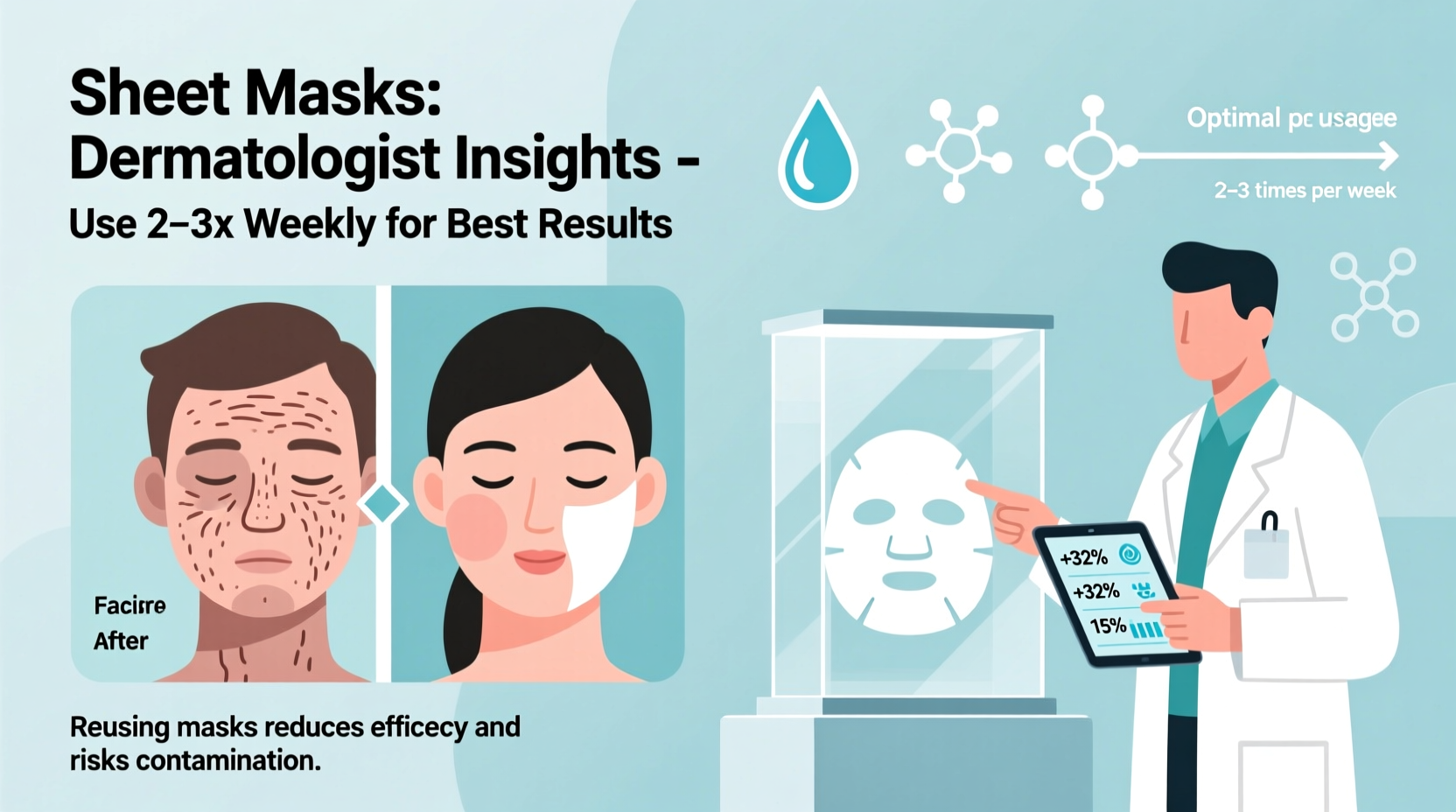
At their core, sheet masks are occlusive delivery systems. They consist of a thin fabric or cellulose sheet soaked in a concentrated serum containing active ingredients like hyaluronic acid, niacinamide, peptides, or botanical extracts. When applied to the face, the mask creates a physical barrier that enhances penetration by preventing evaporation and increasing skin temperature slightly—this process is known as “occlusion.”
Occlusion allows for deeper absorption of water-soluble actives compared to applying serums alone. In fact, studies show that occlusion can increase transdermal delivery by up to 500% for certain compounds. This makes sheet masks effective short-term tools for delivering hydration and calming inflammation.
However, effectiveness doesn’t automatically justify frequent use. Just because something works doesn’t mean it should be used daily—or even twice weekly—for every skin type.
Dermatologist Insights on Frequency
Dr. Laura Kim, a board-certified dermatologist based in Los Angeles, explains:
“Sheet masks can be beneficial when used strategically, but overuse can compromise the skin barrier. I generally recommend no more than two to three times per week—even for dry or mature skin.”
She emphasizes that while hydration from hyaluronic acid-rich masks feels immediately satisfying, repeated exposure without proper recovery time may lead to dependency or rebound dryness. The sensation of plump, dewy skin post-mask is often temporary and largely due to superficial water retention rather than long-term improvement.
Another concern raised by Dr. Rajiv Bose, MD, at the New York Dermatology Group, is the potential for contact dermatitis. “Many sheet masks contain alcohol, fragrances, and essential oils to enhance sensory appeal,” he says.
“Using these formulations frequently increases cumulative exposure to irritants, which can trigger redness, stinging, and even acne flare-ups in sensitive individuals.”
Who Benefits Most From Frequent Use?
Certain skin types and conditions may tolerate—or even benefit from—more frequent sheet masking under medical guidance:
- Extremely dry or eczema-prone skin: Occlusive hydration during flare-ups can support healing.
- Post-procedure recovery: After laser treatments or chemical peels, gentle hydrating masks may aid in soothing.
- High-altitude or low-humidity environments: Temporary moisture boosts help counteract environmental dehydration.
Even in these cases, most dermatologists advise limiting intensive use to short cycles (e.g., three days in a row), followed by a return to maintenance levels of one to two times weekly.
Risks of Overusing Sheet Masks
Despite their soothing appearance and spa-like experience, sheet masks aren't inherently harmless. Overuse introduces several physiological risks:
- Barrier disruption: Constant occlusion prevents the skin from performing natural desquamation (shedding dead cells), potentially leading to clogged pores and uneven texture.
- Overhydration (skin maceration): Excessive moisture softens the stratum corneum, making it more vulnerable to irritation and microbial invasion.
- Preservative buildup: Many single-use masks contain parabens or phenoxyethanol to prevent bacterial growth. Repeated application increases dermal load.
- Product layering conflicts: Applying serums before or after a mask without adjusting formulation pH or concentration can cause pilling or reactivity.
A real-world example illustrates this well: Sarah T., a 32-year-old marketing executive in Chicago, began using sheet masks four times a week to combat winter dryness. Within six weeks, she developed persistent cheek redness and flaking. Upon visiting a dermatologist, she was diagnosed with irritant contact dermatitis linked to fragrance in her nightly masks. After discontinuing frequent use and switching to fragrance-free options twice weekly, her symptoms resolved within three weeks.
When More Than Once a Week Makes Sense
There are specific scenarios where exceeding weekly use is acceptable—but only with careful product selection and monitoring:
| Situation | Recommended Frequency | Key Ingredients to Seek | Ingredients to Avoid |
|---|---|---|---|
| Pre-event glow prep | 2–3 days consecutively | Hyaluronic acid, glycerin, panthenol | Fragrance, alcohol denat, menthol |
| Recovery from sun exposure | Daily for 2–3 days max | Centella asiatica, allantoin, bisabolol | Essential oils, acids (AHA/BHA) |
| Acclimating to dry climates | Every other day for first week | Ceramides, squalane, betaine | Sulfates, synthetic dyes |
Note: These regimens should not extend beyond 7–10 days without reassessment. Long-term reliance on frequent masking often indicates an underlying issue—such as inadequate moisturizer efficacy or undiagnosed sensitivity—that requires targeted treatment rather than cosmetic patching.
How to Use Sheet Masks Effectively (Step-by-Step Guide)
Maximizing benefits while minimizing risks involves more than just frequency—it’s about timing, technique, and integration into your broader routine.
- Cleanse thoroughly: Remove makeup and impurities so actives can penetrate properly. Use a gentle cleanser suited to your skin type.
- Light exfoliation (optional): If using once weekly or less, consider mild chemical exfoliation (e.g., lactic acid) 24 hours prior to enhance absorption. Skip if skin is sensitive or inflamed.
- Apply mask on damp skin: Slightly moist skin improves adherence and boosts humectant performance.
- Limit wear time: Follow package instructions—usually 15–20 minutes. Leaving it on longer does not increase benefits and raises irritation risk.
- Press in remaining serum: After removing the mask, gently press leftover精华 (serum) into the skin. Don’t rinse.
- Follow with moisturizer: Seal in hydration with a nourishing cream or balm, particularly important if using hydrating or brightening masks.
- Track reactions: Keep a simple log noting redness, tightness, breakouts, or improved texture to assess long-term value.
Checklist: Is Your Sheet Mask Routine Sustainable?
Use this checklist to evaluate whether your current usage aligns with dermatological best practices:
- ✅ I use fragrance-free or hypoallergenic formulas
- ✅ My mask sessions are limited to 15–20 minutes
- ✅ I don’t exceed three uses per week unless advised otherwise
- ✅ I follow up with a moisturizer to lock in hydration
- ✅ I avoid using them immediately after retinoids or strong acids
- ✅ I store unused masks in a cool, dark place to preserve ingredient stability
- ✅ I notice visible improvements—not just temporary plumping
If you answered “no” to two or more items, your routine may need adjustment to prevent adverse effects.
FAQ: Common Questions About Sheet Mask Frequency
Can I use a sheet mask every day?
While not dangerous for most people in the short term, daily use is generally unnecessary and may disrupt the skin barrier over time. Healthy skin maintains hydration through consistent cleansing, toning, and moisturizing—not constant occlusion. Reserve daily masking for short-term therapeutic needs (e.g., post-flight recovery), and always choose gentle, non-irritating formulas.
Do sheet masks really make a difference?
Yes—but primarily in the short term. Clinical studies confirm immediate increases in skin hydration and elasticity post-application, lasting up to 24 hours. Long-term improvements in texture, tone, or firmness require consistent use of proven actives (like retinoids or vitamin C) in leave-on products, not intermittent masking. Think of sheet masks as supplements to your regimen, not replacements.
Are cheaper sheet masks less effective?
Not necessarily. Some affordable brands deliver excellent hydration with clean ingredient lists. However, budget options may skimp on material quality (leading to poor fit) or include higher levels of preservatives and fragrances. Read labels carefully regardless of price point. Performance depends more on formulation integrity than cost.
Final Verdict: Are They Worth Using More Than Once a Week?
The consensus among dermatologists is clear: for most people, using a sheet mask more than once a week offers diminishing returns and introduces avoidable risks. One well-formulated mask per week provides sufficient hydration boost for normal to oily skin. Dry or compromised skin may benefit from a second session, provided the formula supports barrier repair and lacks common irritants.
More frequent use should be reserved for temporary situations—seasonal transitions, travel, or recovery periods—and discontinued once the condition stabilizes. Relying on sheet masks for daily radiance often masks deeper issues such as poor moisturization, dehydration, or lifestyle factors like sleep deprivation and diet.
As Dr. Kim summarizes:
“If you’re reaching for a mask more than twice a week, ask yourself: Am I treating a symptom or solving the root cause? Often, the answer lies in your daily routine, not your weekend ritual.”
Conclusion & Call to Action
Sheet masks can be a delightful and functional part of skincare—when used wisely. But turning them into a near-daily habit won’t give you clearer, healthier skin. True skin wellness comes from consistency, balance, and understanding your unique needs.
Instead of chasing instant glow with frequent masking, focus on building a resilient skin barrier through proven methods: daily sunscreen, appropriate moisturization, and evidence-based active ingredients. Use sheet masks selectively—as a treat, a recovery tool, or a pre-event pick-me-up—not as a foundation.




 浙公网安备
33010002000092号
浙公网安备
33010002000092号 浙B2-20120091-4
Comments
No comments yet. Why don't you start the discussion?