
In an era where wearables have evolved from clunky fitness trackers to sleek, multifunctional devices, the smart ring has emerged as one of the most discreet entries in the tech space. Promising continuous health monitoring, contactless payments, sleep tracking, and even unlocking doors—all wrapped around your finger—the smart ring sounds like science fiction made real. But beneath the futuristic appeal lies a critical question: are these tiny wearable gadgets genuinely useful, or are they merely overpriced novelties catering to early adopters and tech enthusiasts?
The answer isn't binary. While some users report life-changing insights into their health and productivity, others find smart rings underpowered compared to smartwatches or lacking essential features. To understand their true value, we need to examine their capabilities, limitations, user experiences, and long-term practicality.
What Can Smart Rings Actually Do?
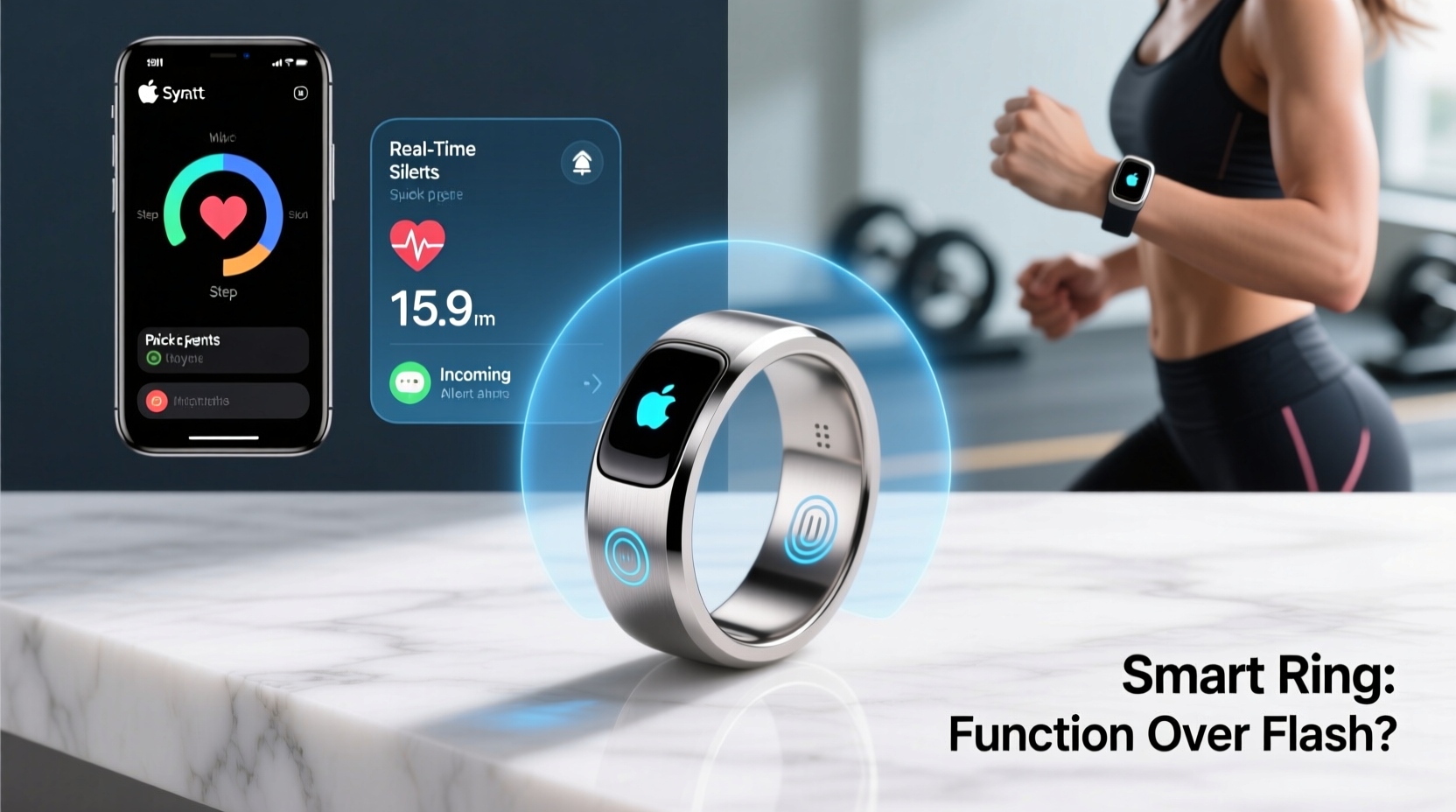
Modern smart rings offer a surprisingly diverse range of functions, though the extent varies significantly by brand and model. Leading devices like the Oura Ring, Ultrahuman Ring Air, and Samsung Galaxy Ring (upcoming) integrate advanced sensors and connectivity to deliver:
- Sleep tracking – Monitoring sleep stages (light, deep, REM), duration, efficiency, and disturbances.
- Heart rate and HRV (Heart Rate Variability) – Continuous monitoring for stress, recovery, and cardiovascular health.
- Body temperature tracking – Detecting subtle changes that may indicate illness, ovulation, or metabolic shifts.
- Activity and step counting – Basic movement tracking similar to fitness bands.
- Stress and recovery scores – Using biometrics to suggest optimal times for rest or exertion.
- Contactless payments – Some models support NFC for tap-to-pay functionality.
- Smartphone notifications – Haptic alerts for calls, messages, or calendar events (on select models).
- Home automation control – Unlocking doors or authenticating devices via Bluetooth or UWB.
Unlike smartwatches, which rely on wrist-based optical sensors, many smart rings use fingertip readings—where blood flow is more consistent—which manufacturers claim improves accuracy for metrics like heart rate and temperature.
Real-World Use Cases: Who Benefits Most?
Not all users gain equal value from smart rings. Their usefulness depends heavily on lifestyle, health goals, and technological expectations. Consider these scenarios:
Athletes and Recovery-Focused Individuals
For endurance athletes or those engaged in high-intensity training, recovery is as important as performance. Devices like the Oura Ring provide daily readiness scores based on HRV, resting heart rate, and sleep quality. These insights help users decide whether to push hard or take a rest day, reducing injury risk and optimizing performance.
“HRV is one of the most reliable non-invasive markers of autonomic nervous system balance. When tracked consistently, it can reveal patterns invisible to subjective assessment.” — Dr. Emily Tran, Sports Physiologist
People Tracking Sleep Disorders
Chronic insomnia, sleep apnea, or irregular sleep cycles often go undiagnosed. A smart ring’s ability to track respiratory rate, body temperature, and sleep fragmentation offers valuable data for both self-monitoring and discussions with healthcare providers. One user reported detecting undiagnosed sleep apnea after noticing repeated nighttime awakenings flagged by her ring’s algorithm.
Frequent Travelers and Minimalists
Business travelers who prefer minimal accessories appreciate the discretion of a smart ring. With NFC payment support and phone notification alerts, they can navigate airports or meetings without pulling out wallets or phones. The compact form factor also avoids the bulkiness of watches, especially during international flights or hotel check-ins.
Limitations That Undermine Practicality
Despite their promise, smart rings face several functional constraints that raise doubts about their broad utility:
- No screen or interface – You can’t view data directly on the ring. All insights require syncing with a smartphone app, making real-time access impossible.
- Limited battery life – Most models last 5–7 days, requiring frequent charging. Unlike watches, rings lack fast-charging options.
- No GPS or standalone connectivity – They depend entirely on your phone for location tracking or call handling.
- Premium pricing – Ranging from $300 to $700, smart rings cost nearly as much as mid-tier smartwatches but offer fewer interactive features.
- Niche feature set – Many functions overlap with what smartphones or cheaper fitness trackers already do.
Moreover, third-party app integration remains limited. While Apple Watch or Wear OS devices support hundreds of apps, smart rings are largely confined to proprietary ecosystems. This restricts customization and long-term adaptability.
Comparison: Smart Ring vs. Smartwatch vs. Fitness Tracker
| Feature | Smart Ring | Fitness Tracker | Smartwatch |
|---|---|---|---|
| Sleep Tracking Accuracy | ★★★★☆ (High due to fingertip sensors) | ★★★☆☆ | ★★★☆☆ |
| Battery Life | ★★★☆☆ (5–7 days) | ★★★★☆ (7–14 days) | ★★☆☆☆ (1–3 days) |
| Notifications & Interaction | ★☆☆☆☆ (Haptics only) | ★★☆☆☆ (Basic alerts) | ★★★★★ (Full interaction) |
| Health Metrics Depth | ★★★★☆ (HRV, temp, recovery) | ★★★☆☆ (Steps, HR, sleep) | ★★★★☆ (Comprehensive, but variable accuracy) |
| Discreetness & Comfort | ★★★★★ (Worn like jewelry) | ★★★☆☆ | ★★☆☆☆ (Bulky for some) |
| Price Range | $300–$700 | $50–$200 | $200–$800+ |
This comparison shows that smart rings excel in passive health monitoring and comfort but fall short in interactivity and versatility. They’re not replacements for smartwatches but rather specialized tools for specific needs.
Mini Case Study: From Skeptic to Advocate
Mark T., a 42-year-old software engineer from Portland, purchased an Oura Ring primarily out of curiosity. He had tried multiple fitness trackers but found them uncomfortable to wear at night. After two weeks of consistent use, he noticed his ring flagged unusually low HRV and elevated resting heart rate—despite feeling fine.
Concerned, he consulted his doctor and discovered a mild thyroid imbalance previously undetected. With treatment, his metrics normalized within a month. “I never thought a tiny ring could catch something my annual physical missed,” Mark said. “Now I wouldn’t travel without it.”
His experience highlights a key strength of smart rings: their ability to detect subtle physiological shifts over time, offering early warnings that traditional medicine might overlook.
When a Smart Ring Makes Sense: A Practical Checklist
Before investing in a smart ring, ask yourself the following. If you answer “yes” to three or more, it may be a worthwhile addition:
- Do you prioritize sleep quality and want detailed, accurate tracking?
- Are you actively managing stress, recovery, or athletic performance?
- Do you dislike wearing bulky watches or fitness bands?
- Are you comfortable relying on a smartphone app for all data access?
- Would contactless payments or door unlocking add meaningful convenience?
- Are you willing to charge the device every few days?
- Have you struggled with inconsistent results from wrist-based trackers?
If your primary goal is receiving notifications, making calls, or using GPS during runs, a smartwatch remains the better choice. But if your focus is holistic health insight with minimal aesthetic compromise, a smart ring could fill a unique niche.
Expert Insight: The Future of Biometric Wearables
“The future of health monitoring isn’t about bigger screens or louder alerts—it’s about seamless, continuous data collection. Rings, earbuds, and even clothing will become invisible health guardians. The challenge isn’t technology; it’s proving clinical relevance and user trust.” — Dr. Lena Patel, Digital Health Researcher at MIT Media Lab
This vision aligns with trends toward preventive healthcare and personalized medicine. As algorithms improve and regulatory bodies begin recognizing certain wearables for medical-grade monitoring, smart rings may transition from lifestyle gadgets to legitimate diagnostic aids.
Frequently Asked Questions
Can a smart ring replace a fitness tracker or smartwatch?
Not entirely. While smart rings offer superior sleep and recovery metrics, they lack screens, GPS, voice assistants, and robust app ecosystems. They complement rather than replace other wearables. Some users wear both—a ring for health insights and a watch for daily interaction.
Are smart rings accurate enough for health decisions?
They provide trend-based insights, not medical diagnoses. Data like HRV and temperature fluctuations are best used for pattern recognition over time. Always consult a healthcare provider before making treatment decisions based on wearable data.
Do all smart rings support contactless payments?
No. Only select models like the McLear NFC Ring or upcoming Samsung Galaxy Ring include NFC functionality. Most health-focused rings like Oura or Ultrahuman do not offer payment features.
Conclusion: Useful Tool or Flashy Gimmick?
The truth lies in intention. For casual users expecting a mini smartwatch on their finger, smart rings will disappoint. They don’t make calls, display maps, or respond to voice commands. Viewed through that lens, they’re undoubtedly limited.
But for individuals focused on long-term health optimization—athletes, biohackers, insomniacs, or those managing chronic conditions—smart rings offer something rare: unobtrusive, 24/7 biometric feedback with high accuracy. Their discreet design encourages consistent wear, which is crucial for meaningful data collection. In this context, they’re not flashy gimmicks but precision instruments for self-awareness.
As sensor technology advances and integration with healthcare systems improves, smart rings may evolve from niche tools to mainstream wellness essentials. Until then, their usefulness depends entirely on how you define value. If deeper health insight outweighs flashy features, a smart ring might be one of the most intelligent gadgets you’ll ever wear.




 浙公网安备
33010002000092号
浙公网安备
33010002000092号 浙B2-20120091-4
Comments
No comments yet. Why don't you start the discussion?