
In the evolving landscape of urban transportation, standing electric scooters have emerged as a popular alternative to cars, buses, and bicycles. With their compact design, ease of use, and low environmental impact, they promise a fast, affordable, and flexible way to navigate city streets. But are they truly practical for daily commuting? For many city dwellers, the answer depends on factors like infrastructure, distance, weather, personal comfort, and local regulations. This article explores the realities of using standing scooters for regular urban travel, offering insights from riders, urban planners, and transport experts.
Advantages of Standing Scooters for Urban Commuting
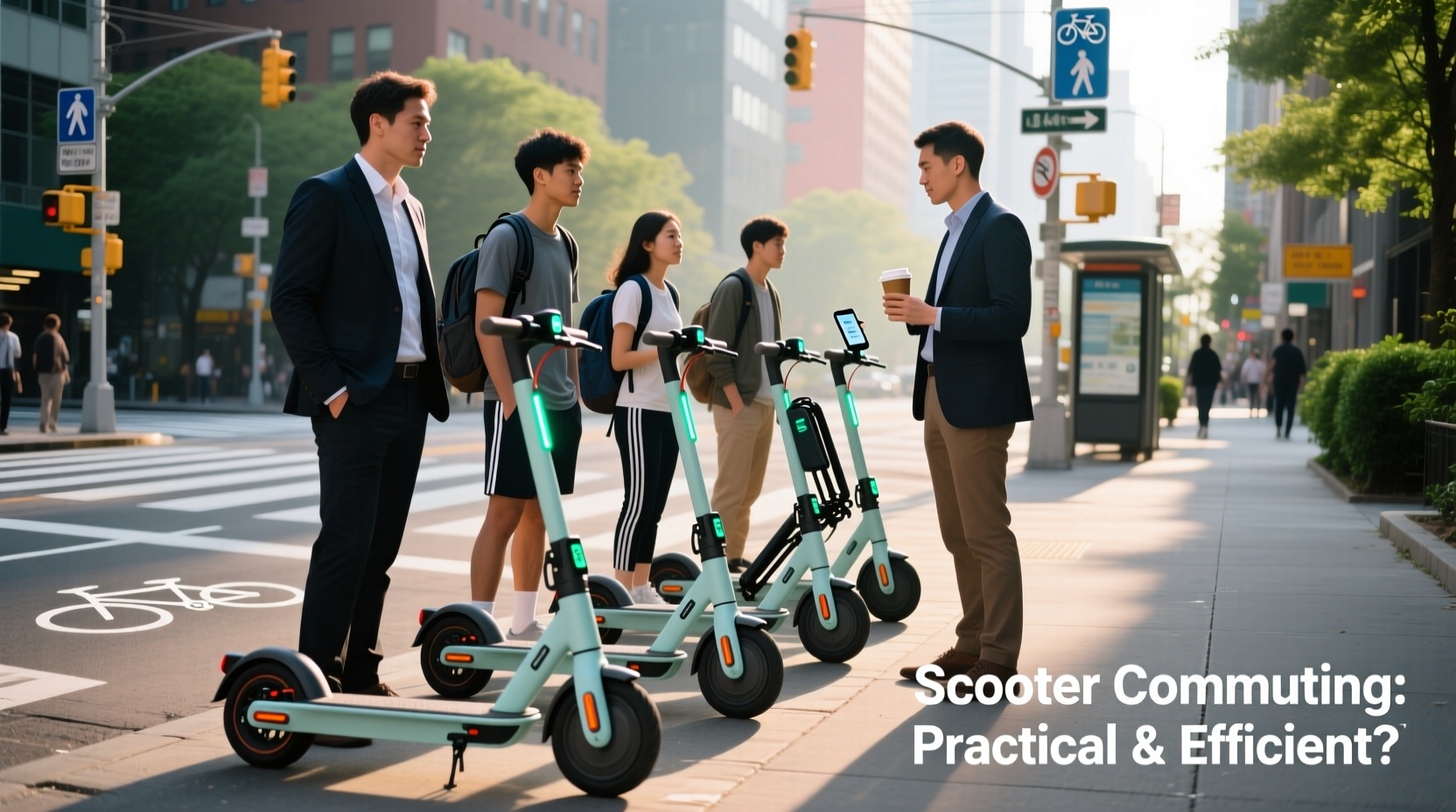
Standing scooters—especially electric models—offer several compelling benefits that make them attractive for short- to medium-distance city trips.
- Speed and Efficiency: In congested areas, scooters can bypass traffic, often reaching destinations faster than cars or buses during peak hours.
- Affordability: Compared to car ownership or ride-sharing services, scooters are significantly cheaper to operate. Most rental options cost $1–$3 per trip, while owning one averages under $500 upfront with minimal maintenance.
- Eco-Friendliness: Electric scooters produce zero emissions during operation, making them a sustainable choice for reducing urban carbon footprints.
- Last-Mile Connectivity: They bridge the gap between public transit stops and final destinations, enhancing the usefulness of metro systems and bus networks.
- Portability: Many models fold easily, allowing users to carry them onto trains or store them at work.
Challenges and Limitations
Despite their advantages, standing scooters come with notable drawbacks that affect their suitability for daily use.
Safety Concerns
Riding a scooter exposes users to traffic without protective enclosures. Uneven pavement, potholes, wet surfaces, and sudden obstacles increase the risk of falls. According to the National Highway Traffic Safety Administration (NHTSA), head injuries are common among e-scooter riders, especially when helmets aren’t worn.
Limited Range and Battery Life
Most consumer-grade scooters offer 15–30 miles per charge. While sufficient for inner-city travel, battery degradation over time and cold weather can reduce this range significantly. Daily commuters may face mid-day power shortages without access to charging stations.
Weather Vulnerability
Rain, snow, or even strong wind can make scooter riding uncomfortable or dangerous. Unlike bikes with fenders or enclosed vehicles, most scooters lack weather protection, discouraging year-round use in temperate climates.
Infrastructure Gaps
Many cities still lack dedicated scooter lanes or safe parking zones. Riders often end up on sidewalks (which is illegal in some areas) or in bike lanes, creating conflicts with pedestrians and cyclists alike.
“Micromobility has potential, but without proper infrastructure, we’re putting vulnerable road users at risk.” — Dr. Lena Torres, Urban Mobility Researcher, MIT Cities Lab
Comparative Analysis: Scooters vs. Other Commute Options
| Mobility Option | Cost (Monthly) | Speed (Urban Avg.) | Safety Level | Weather Resilience | Eco-Impact |
|---|---|---|---|---|---|
| Standing E-Scooter | $50–$100 (own) / $120 (rental avg.) | 12–15 mph | Moderate (high injury risk) | Poor | Low (electric, minimal emissions) |
| Bicycle | $30–$100 (maintenance + gear) | 10–14 mph | Moderate to High (with protected lanes) | Fair (can ride in light rain) | Very Low |
| Public Transit | $70–$150 (monthly pass) | Varies (stops, transfers) | High (controlled environment) | Excellent | Low to Moderate |
| Walking | $0 | 3–4 mph | High (if sidewalks exist) | Fair (depends on conditions) | Zero |
| Car (Urban Use) | $400+ (fuel, insurance, parking) | 8–12 mph (peak congestion) | Moderate (crash risk, but protected) | Excellent | High (emissions, congestion) |
The data shows that scooters excel in cost-efficiency and speed within dense urban cores but fall short in safety and all-weather usability compared to alternatives.
Real-World Example: A Week of Scooter Commuting in Austin
Consider Marcus, a software developer living in downtown Austin, Texas. His office is 3.2 miles from his apartment—too far to walk comfortably, but too close for a car to be efficient. For one week, he replaced his usual bus commute with a rented e-scooter.
On Monday and Tuesday, the ride was smooth. He avoided traffic, arrived energized, and docked the scooter near his building. Wednesday brought heavy rain; the scooter slipped on a wet crosswalk, resulting in a minor wrist sprain. Thursday, he found no available scooters near his home due to high demand. Friday, he was fined $50 for leaving the scooter on a sidewalk obstructing pedestrian flow.
Marcus concluded that while scooters were fun and fast on ideal days, they weren’t reliable enough for consistent daily use. He switched to a hybrid approach: scooters for dry, clear days and the bus otherwise.
Best Practices for Practical Scooter Commuting
To maximize safety, efficiency, and reliability, consider the following checklist before adopting a scooter as your primary commute tool.
- ✅ Is your commute under 5 miles each way?
- ✅ Does your city have bike lanes or scooter-friendly roads?
- ✅ Can you safely store the scooter at work and home?
- ✅ Do you have access to indoor charging if needed?
- ✅ Are you willing to wear a helmet and protective gear daily?
- ✅ Is your route free of steep hills or rough pavement?
- ✅ Does local law permit sidewalk riding or require road use?
Step-by-Step Guide to Starting a Scooter Commute
- Assess Your Route: Use Google Maps or a cycling layer to identify roads with bike lanes or low traffic.
- Test Ride Weekly: Rent a scooter for a few non-commute trips to evaluate comfort and handling.
- Invest in Safety Gear: Purchase a certified helmet, reflective clothing, lights, and gloves.
- Choose Ownership or Rental: If you ride 4+ times per week, buying may save money long-term.
- Plan Charging: Charge after each use; keep a spare battery if possible.
- Check Weather Daily: Have a backup plan (bus, ride-share) for rainy or extreme conditions.
- Follow Local Laws: Know where you’re allowed to ride and park to avoid fines.
Expert Insights on Micromobility Trends
Urban planners increasingly recognize micromobility—including scooters—as a critical component of sustainable cities. However, integration requires policy support.
“The future isn’t about replacing cars entirely, but reducing their dominance. Scooters work best when integrated into a multimodal system with safe lanes, secure parking, and equitable access.” — Carlos Mendez, Senior Planner, Seattle Department of Transportation
Cities like Paris, Barcelona, and Bogotá have implemented scooter regulation frameworks that prioritize rider safety and sidewalk accessibility. These include geofenced slow zones near schools, mandatory helmet laws, and designated parking corrals. Such policies could serve as models for U.S. cities aiming to scale scooter use responsibly.
Frequently Asked Questions
Can I use a standing scooter in the rain?
Most e-scooters are water-resistant but not waterproof. Light drizzle may be manageable, but heavy rain increases the risk of electrical damage and loss of traction. It’s best to avoid riding in wet conditions and always dry the scooter thoroughly afterward.
How long do scooter batteries last?
A typical lithium-ion battery lasts 2–4 years with regular use, depending on charging habits and climate. Frequent deep discharges and exposure to extreme temperatures shorten lifespan. Expect reduced range over time—about 10–20% per year under normal conditions.
Are standing scooters legal everywhere?
No. Regulations vary by city and country. Some ban sidewalk riding, limit speeds to 15 mph, or require registration and insurance. Always check local ordinances before purchasing or riding.
Conclusion: Balancing Convenience and Practicality
Standing scooters are undeniably transformative for urban mobility, offering a nimble, low-cost solution to traffic congestion and pollution. For short, predictable commutes in well-equipped cities, they can be highly practical—especially when combined with public transit. However, their limitations in safety, weather resilience, and infrastructure support mean they’re not a one-size-fits-all solution.
The most successful scooter commuters treat them as part of a broader transportation strategy. They use scooters when conditions allow, switch to alternatives when necessary, and advocate for better urban design that supports safe, inclusive micromobility.




 浙公网安备
33010002000092号
浙公网安备
33010002000092号 浙B2-20120091-4
Comments
No comments yet. Why don't you start the discussion?