
Dry, chapped lips are more than just uncomfortable—they can disrupt your daily routine, affect your confidence, and even lead to cracking or bleeding if left untreated. Lip balms are a go-to solution, but with so many options on the market, choosing the right one can be overwhelming. One popular variation is the tinted lip balm, which combines hydration with a hint of color. But does adding pigment improve its effectiveness for dry lips, or is it just cosmetic flair? The answer depends on formulation, ingredients, and individual needs.
While both regular and tinted lip balms aim to moisturize and protect, subtle differences in composition and purpose can influence their performance. Understanding these nuances helps you decide whether a tinted option is truly beneficial—or potentially less effective—than a traditional balm when dealing with persistent dryness.
How Lip Balms Work: The Basics of Hydration
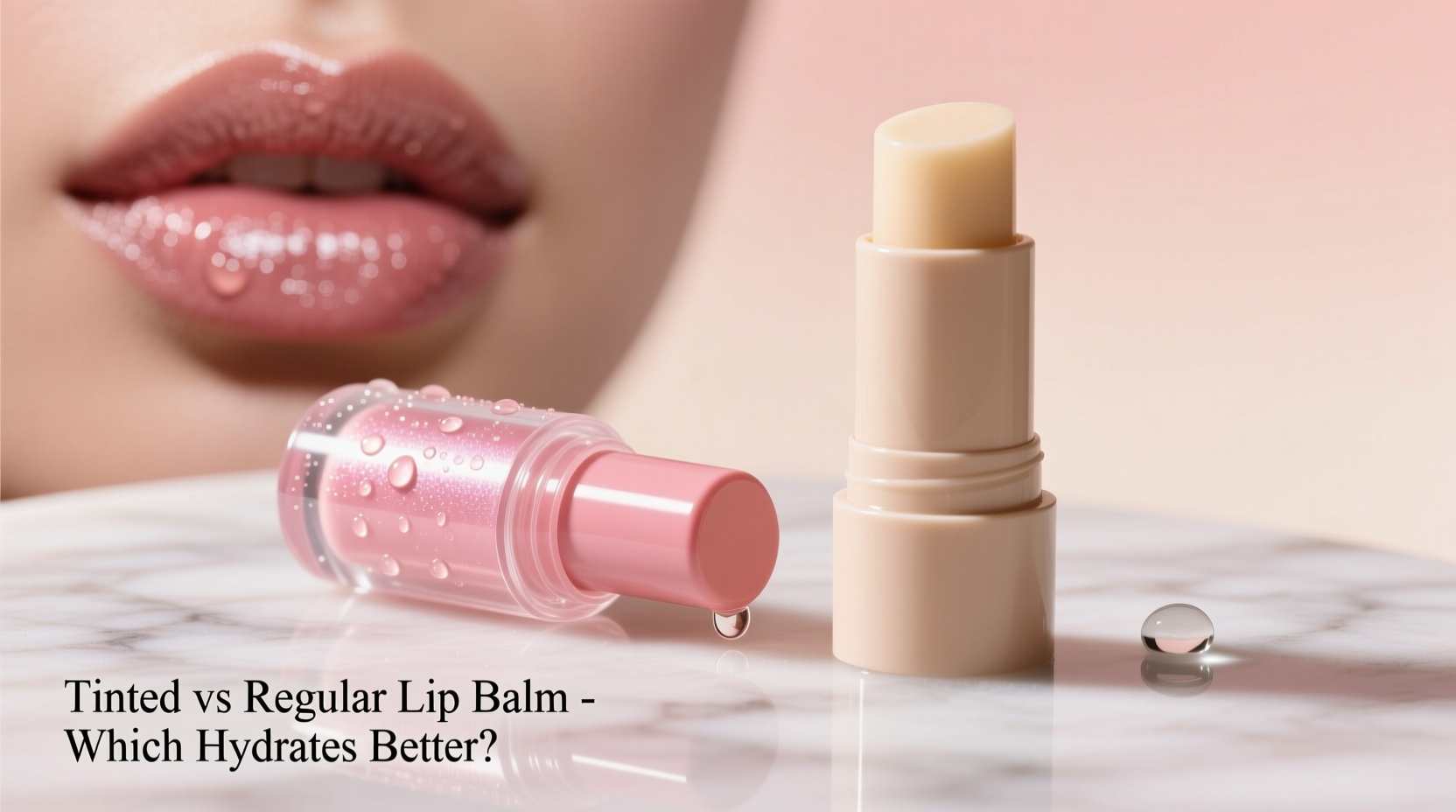
Lip balms function by creating a protective barrier on the lips that locks in moisture and shields against environmental stressors like wind, cold air, and UV exposure. Unlike facial skin, lips lack oil glands, making them particularly vulnerable to dehydration. A good balm replenishes lost moisture and prevents further water loss through occlusion.
The key ingredients in most lip balms fall into three categories:
- Occlusives: Substances like petrolatum, beeswax, shea butter, and lanolin form a physical seal over the lips to prevent moisture evaporation.
- Emollients: Oils such as jojoba, coconut, or almond oil soften and smooth rough patches by filling in microscopic cracks.
- Humectants: Ingredients like hyaluronic acid or glycerin attract water from the deeper layers of skin or the environment to hydrate the surface.
A well-formulated balm balances all three to deliver immediate relief and long-term conditioning. However, not all products achieve this balance equally. Some focus heavily on occlusion at the expense of breathability, while others may include fragrances or irritants that worsen dryness over time.
Tinted vs. Regular Lip Balms: What’s the Difference?
The primary distinction between tinted and regular lip balms lies in added pigments and often, additional aesthetic enhancements. Tinted versions typically contain mineral dyes (like iron oxides) or synthetic colorants to give lips a natural flush, sheer berry tone, or rosy glow. Some also include light-reflecting particles or plumping agents for visual fullness.
But beyond color, there are practical implications:
| Feature | Regular Lip Balm | Tinted Lip Balm |
|---|---|---|
| Purpose | Moisturization and protection | Hydration + subtle color enhancement |
| Key Ingredients | Occlusives, emollients, humectants | Same base + pigments, sometimes SPF |
| Texture | Often thicker, more waxy | Slightly lighter or glossier feel |
| Additives | Minimal | Fragrance, shimmer, flavorings more common |
| Best For | Night use, intense repair | Daytime wear, multitasking routine |
This comparison shows that tinted balms aren’t inherently superior or inferior—they serve slightly different purposes. While some tinted formulas maintain high moisturizing power, others prioritize aesthetics, which can compromise therapeutic value.
“Many tinted balms perform well for mild dryness, but those with severe chapping should prioritize ingredient quality over color payoff.” — Dr. Lena Patel, Dermatologist & Skincare Researcher
Do Tinted Lip Balms Offer Extra Benefits?
Despite concerns about added ingredients, certain tinted lip balms bring advantages that extend beyond appearance. These include:
Added Sun Protection
Many tinted formulations include SPF 15–30, thanks to iron oxides and titanium dioxide, which naturally block UV rays. Since sun exposure contributes significantly to lip dryness and premature aging, this built-in defense is a major benefit. In contrast, only about 30% of regular lip balms contain sunscreen.
Encouragement of Consistent Use
People are more likely to reapply a product they enjoy wearing. A tinted balm offers an instant cosmetic boost, making users more diligent about maintaining hydration throughout the day. This behavioral factor can indirectly improve lip health over time.
Better Coverage of Discoloration
Dry lips often appear pale, flaky, or uneven. A sheer tint evens out tone and masks dead skin while treatment works beneath the surface. This psychological comfort can reduce the urge to lick or pick at lips—a habit that exacerbates dryness.
However, these benefits depend on formulation integrity. Not all tinted balms are created equal. Some rely on alcohol-based carriers or synthetic dyes that can be drying or allergenic. Always check the ingredient list before assuming a tinted product is safe for sensitive lips.
When Regular Lip Balms Might Be Better
For individuals dealing with chronic dryness, irritation, or conditions like cheilitis, simplicity often trumps aesthetics. In such cases, a fragrance-free, uncolored balm with minimal additives may be the safer choice.
Why?
- Fewer irritants: Pigments and dyes, especially synthetic ones, can trigger allergic reactions in prone individuals.
- Higher concentration of actives: Without space taken up by colorants, manufacturers can pack more healing ingredients into the formula.
- Better suitability for overnight use: Thick, unscented balms without color transfer are ideal for intensive repair while sleeping.
If your lips are cracked, bleeding, or inflamed, opt for a medical-grade ointment or plain balm first. Once healed, you can transition to a tinted version for maintenance.
Step-by-Step Guide to Choosing the Right Balm for Dry Lips
Selecting the best lip product shouldn’t be guesswork. Follow this logical sequence to ensure optimal results:
- Assess your lip condition. Are they mildly dry, peeling, or severely cracked? Severe cases require pure healing formulas.
- Check the ingredient list. Prioritize petrolatum, shea butter, ceramides, and squalane. Avoid menthol, phenol, salicylic acid, and artificial fragrances.
- Determine your usage context. Need daytime wear with coverage? A tinted SPF balm makes sense. For nighttime recovery, choose an opaque, non-tinted option.
- Test for sensitivity. Apply a small amount inside your forearm or along the jawline and wait 24 hours to rule out reactions.
- Evaluate performance after 3–5 days. Does it relieve dryness without causing stickiness or buildup? Adjust accordingly.
This methodical approach ensures you're not swayed by packaging or marketing claims alone. Effectiveness matters more than appearance—especially when treating compromised skin.
Real-World Example: Sarah’s Winter Lip Struggle
Sarah, a 32-year-old teacher in Minnesota, struggled every winter with painfully dry lips. She used a popular tinted lip balm because it gave her a \"put-together\" look during school hours. However, her lips continued to crack despite frequent application.
After consulting a dermatologist, she learned the balm contained peppermint oil and alcohol—both known desiccants. Switching to a fragrance-free, petroleum-based balm at night and using a hypoallergenic tinted SPF version only during daylight hours led to noticeable improvement within a week.
Her experience highlights a crucial point: convenience and beauty shouldn’t override function when dealing with persistent dryness.
Expert Checklist: Choosing a Safe & Effective Lip Balm
Use this checklist before purchasing any lip balm—tinted or not—to ensure it supports lip health:
- ✅ Contains occlusive agents (e.g., petrolatum, beeswax)
- ✅ Free from menthol, camphor, and phenol
- ✅ Includes emollients (jojoba oil, shea butter)
- ✅ Has SPF if intended for daytime use
- ✅ No artificial fragrances or flavors
- ✅ Transparent labeling (no vague terms like “fragrance” without clarification)
- ✅ Dermatologist-tested or suitable for sensitive skin
Applying this filter eliminates many trendy but ineffective products from consideration.
Frequently Asked Questions
Can tinted lip balms make dry lips worse?
Yes, if they contain drying alcohols, fragrances, or sensitizing dyes. Always read the label. Some people react to iron oxides or synthetic colorants, leading to irritation that mimics or worsens dryness.
Is SPF in tinted lip balms reliable?
Generally yes—many tinted formulas use mineral blockers like zinc oxide or titanium dioxide, which provide broad-spectrum protection. However, SPF degrades over time, so reapplication every two hours in direct sun is essential.
Should I use a tinted balm every day?
If the formula is gentle and non-irritating, daily use is fine—especially during daytime. Just ensure you’re also doing deep conditioning at night with a richer, untinted product if needed.
Final Thoughts: Function First, Color Second
Tinted lip balms aren't universally better or worse than regular ones—they’re tools designed for different moments in your skincare routine. For mild dryness and daytime wear, a well-formulated tinted balm with SPF offers both protection and polish. But when lips are severely compromised, simplicity wins. A basic, nourishing balm without additives allows the skin to heal without interference.
The key is intentionality. Understand what your lips need today—not what looks good in a mirror—and choose accordingly. With thoughtful selection and consistent care, you can maintain soft, healthy lips year-round, whether you go bare or add a touch of color.




 浙公网安备
33010002000092号
浙公网安备
33010002000092号 浙B2-20120091-4
Comments
No comments yet. Why don't you start the discussion?