
As temperatures rise and humidity climbs, those with oily skin often face a daily battle: how to maintain a fresh, matte finish without clogging pores or triggering breakouts. One of the most debated topics in summer beauty routines is whether tinted moisturizers truly offer a superior alternative to traditional foundations. For individuals prone to shine and congestion, the answer isn’t always straightforward—but understanding formulation, wearability, and skin health can help make an informed choice.
Oily skin doesn't mean compromised beauty; it means selecting products that work *with* your skin’s natural tendencies rather than against them. While full-coverage foundations may promise flawless results, they can sometimes exacerbate oiliness, especially under hot conditions. Tinted moisturizers, on the other hand, are marketed as lightweight, hydrating, and breathable—ideal for warmer months. But do they deliver enough coverage and longevity? And more importantly, are they genuinely better for oily skin during summer?
Understanding Oily Skin and Summer Challenges
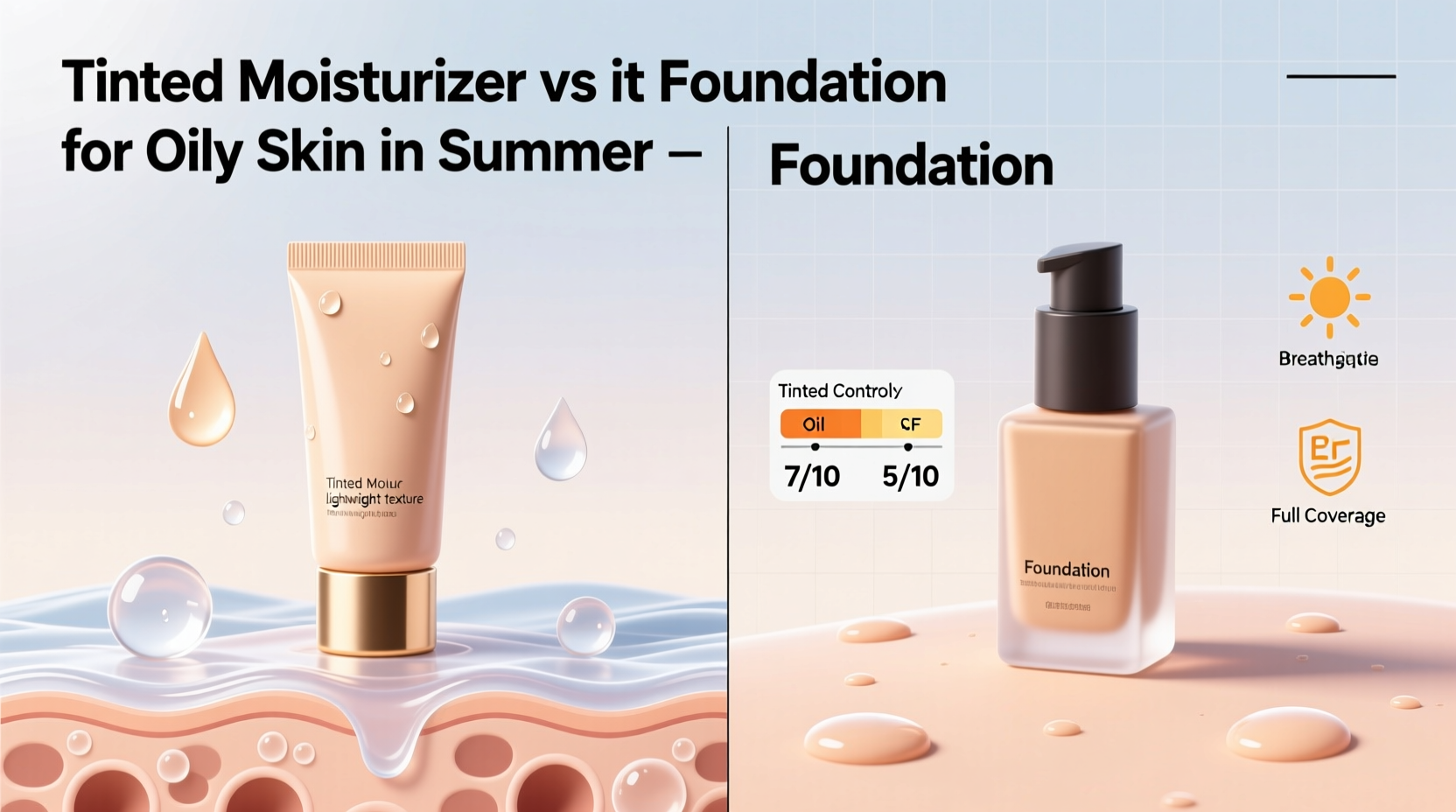
Oily skin results from overactive sebaceous glands producing excess sebum. This trait isn’t inherently negative—sebum helps protect the skin barrier and retain moisture—but when combined with heat and sweat, it can lead to clogged pores, midday shine, and makeup breakdown.
Summer intensifies these concerns. High temperatures increase blood flow to the skin, stimulating oil production. Humidity traps moisture on the skin’s surface, creating a breeding ground for bacteria and increasing the likelihood of acne flare-ups. Additionally, UV exposure prompts the skin to produce more melanin and thicken its outer layer, which can further contribute to dullness and congestion.
In this environment, heavy makeup formulations—especially oil-based or thick liquid foundations—can feel suffocating. They may mix with sebum, slide off the face, or settle into pores, leading to unwanted texture and breakouts. This is where lighter alternatives like tinted moisturizers enter the conversation.
What Is a Tinted Moisturizer? How Does It Compare to Foundation?
A tinted moisturizer blends hydration, light coverage, and often SPF into one product. It typically contains water-based emollients, humectants like glycerin or hyaluronic acid, and sheer pigments. The goal is not to mask but to enhance—providing a “your-skin-but-better” look.
Foundations, by contrast, are designed for higher pigment concentration and broader coverage. They come in various finishes (matte, dewy, satin) and bases (water, silicone, oil), allowing customization based on skin type and desired outcome. However, many traditional formulas include occlusive agents or emollients that can trap oil and heat, making them less ideal for humid conditions.
The key differences lie in texture, function, and purpose:
| Feature | Tinted Moisturizer | Foundation |
|---|---|---|
| Coverage | Sheer to light | Light to full |
| Texture | Lightweight, fluid | Varies (can be thick) |
| SPF Inclusion | Common (often SPF 15–30) | Rare unless specified |
| Pore-Clogging Risk | Low (if non-comedogenic) | Moderate to high (depends on formula) |
| Suitability for Oily Skin | Generally high | Depends on formulation |
| Longevity in Heat | Moderate (may require touch-ups) | High (especially matte, long-wear types) |
While tinted moisturizers win in breathability and simplicity, foundations excel in versatility and staying power. The decision ultimately hinges on personal priorities: minimalism and skin health versus coverage and durability.
Why Tinted Moisturizers May Be Better for Oily Skin in Summer
For many with oily skin, the appeal of a tinted moisturizer lies in its ability to multitask without overwhelming the skin. Here's why they often perform better during summer:
- Breathable Formulas: Most tinted moisturizers use water or gel bases that evaporate quickly, reducing the risk of trapping oil beneath layers of product.
- Non-Comedogenic Ingredients: Reputable brands formulate these products to avoid pore-clogging substances like mineral oil or lanolin.
- Hydration Without Heaviness: Lightweight humectants draw moisture into the skin without adding greasiness—a crucial balance for oily types who still need hydration.
- Integrated Sun Protection: Many include broad-spectrum SPF, eliminating the need for a separate sunscreen layer that could add slip and cause pilling.
- Natural Finish: They provide a soft-focus effect that diffuses shine and minimizes the appearance of enlarged pores.
Dermatologists often recommend simplifying routines in summer to reduce irritation and buildup. Dr. Lena Patel, a board-certified dermatologist based in Miami, explains:
“During peak summer months, I advise patients with oily or acne-prone skin to switch to lighter color cosmetics. Tinted moisturizers reduce the overall load on the skin while offering sun protection and subtle correction—two essentials in hot climates.” — Dr. Lena Patel, MD, Dermatology Specialist
This philosophy aligns with the growing trend of \"skinimalism\"—prioritizing skin health over heavy makeup. When sweat and oil are already present, adding fewer layers means less chance of slippage, oxidation, or irritation.
When Foundation Might Still Be the Better Choice
Despite their advantages, tinted moisturizers aren’t universally ideal. Some situations call for the reliability and precision of foundation—even for oily skin.
Consider using foundation instead when:
- You Need Full Coverage: For persistent redness, hyperpigmentation, or post-acne marks, a tinted moisturizer may not offer sufficient correction.
- You’re in High-Exposure Environments: Outdoor events, extended sun exposure, or tropical travel demand longer-lasting protection and wear.
- Your Skin Reacts Poorly to SPF in Tinted Products: Some tinted moisturizers use chemical filters that may irritate sensitive, oil-prone skin. A dedicated sunscreen paired with a physical-block foundation might be preferable.
- You Prefer a Matte, Polished Look: Certain matte foundations are specifically engineered for oily skin, using silica or clay to absorb excess oil throughout the day.
The key is choosing the right kind of foundation. Look for labels like “oil-free,” “non-comedogenic,” “matte,” and “long-wear.” Silicone-based formulas (indicated by ingredients ending in -cone, like dimethicone) create a smooth, water-resistant barrier that resists melting.
Real-World Example: Sarah’s Summer Skincare Shift
Sarah, a 29-year-old marketing executive in Houston, struggled each summer with her full-coverage foundation breaking down by noon. Despite blotting papers and setting sprays, her makeup would separate, emphasizing pores and causing occasional breakouts along her jawline.
Last June, she consulted a local esthetician who suggested switching to a tinted moisturizer with SPF 30 during weekdays. She chose a formula with niacinamide and zinc, both known for regulating sebum production. Within two weeks, she noticed less midday shine, fewer clogged pores, and improved skin clarity.
On weekends or for client meetings, she reverted to a lightweight, matte liquid foundation applied with a damp sponge for sheer-to-medium buildable coverage. By reserving heavier makeup for specific occasions, she reduced overall skin stress and maintained a healthier complexion all season.
Her routine now includes:
- Gentle foaming cleanser (morning and night)
- Niacinamide serum (AM)
- Tinted moisturizer with SPF 30 (weekdays)
- Oil-free foundation + primer (special occasions)
- Translucent setting powder (T-zone only)
Sarah’s experience reflects a balanced approach: leveraging the benefits of both product types depending on lifestyle needs.
How to Choose the Right Product for Your Oily Skin
Selecting between a tinted moisturizer and foundation shouldn’t be arbitrary. Follow this step-by-step guide to make a strategic decision:
- Assess Your Daily Needs: Do you need coverage for blemishes or redness? Or are you aiming for an even tone and sun protection?
- Evaluate Your Environment: Will you be indoors most of the day, or exposed to sun and sweat? Humid climates favor lighter textures.
- Check Ingredient Lists: Avoid alcohol denat, synthetic fragrances, and heavy oils. Prioritize non-comedogenic, oil-absorbing ingredients like salicylic acid, clay, or perlite.
- Test Finish and Wear Time: Apply a sample before noon and monitor how it holds up by evening. Does it pill? Oxidize? Cause breakouts?
- Layer Strategically: You can use both—apply tinted moisturizer as a base and spot-conceal with foundation where needed.
Checklist: Choosing Between Tinted Moisturizer and Foundation
- ☑ Skin feels congested with current foundation in summer
- ☑ Prefers natural, low-makeup look
- ☑ SPF integration is important
- ☑ Experiences frequent midday shine or melting
- ☑ Willing to reapply or touch up during the day
- ☑ Needs strong coverage for discoloration or scarring
- ☑ Attending long outdoor events or weddings
If the first five items resonate more, a tinted moisturizer is likely your best bet. If the last two stand out, consider a high-performance foundation tailored to oily skin.
Frequently Asked Questions
Can I wear tinted moisturizer every day in summer?
Yes, especially if it contains SPF and is non-comedogenic. Daily use is safe and beneficial as long as you cleanse thoroughly at night and monitor for any signs of irritation or breakouts.
Do tinted moisturizers clog pores?
Not if formulated correctly. Always choose “non-comedogenic” options and avoid ingredients like coconut oil, cocoa butter, or isopropyl myristate, which are known comedogens.
Is it okay to mix foundation and tinted moisturizer?
Absolutely. Mixing a drop of foundation into your tinted moisturizer can boost coverage while maintaining a breathable feel. Alternatively, layer them for targeted correction.
Final Thoughts: Making the Smart Switch for Summer
For most people with oily skin, tinted moisturizers represent a smarter, more skin-friendly option during summer. Their lightweight nature, integrated sun protection, and reduced risk of congestion make them ideal for daily wear in warm, humid conditions. That said, they aren’t a one-size-fits-all solution. There’s still a place for well-formulated foundations—especially when special events or skin concerns demand extra coverage.
The real victory lies in flexibility: understanding your skin’s needs and adapting your routine accordingly. Summer doesn’t have to mean sacrificing either comfort or confidence. With the right product choices, you can enjoy a fresh, healthy glow that lasts from morning until evening—without constant touch-ups or skincare setbacks.




 浙公网安备
33010002000092号
浙公网安备
33010002000092号 浙B2-20120091-4
Comments
No comments yet. Why don't you start the discussion?